Your roof serves as the primary shield against the elements, yet it is often the most neglected part of a home’s exterior. From the blistering sun of summer to the torrential rains and high winds of storm season, your roofing system must endure constant stress. Taking proactive steps to fortify your structure ensures that you are prepared before the first clouds gather on the horizon.
Conduct Bi-Annual Professional Inspections
The most effective way to prevent catastrophic failure is to identify minor issues before they escalate. According to Fiddler Roofing, scheduling professional inspections in both the spring and fall allows experts to document your roof’s health and maintain warranty compliance.
These assessments often reveal hidden problems, such as worn asphalt shingles or compromised underlayment, which are difficult for an untrained eye to spot from the ground. Catching these vulnerabilities early maximizes the lifespan of your materials and provides essential documentation for insurance purposes should a major weather event occur.
Focus on Edges, Ridges, and Flashing
When high-velocity winds strike, they create intense pressure at the perimeters of your roof. Vulnerable points like the eaves and ridges are where lifting typically begins.
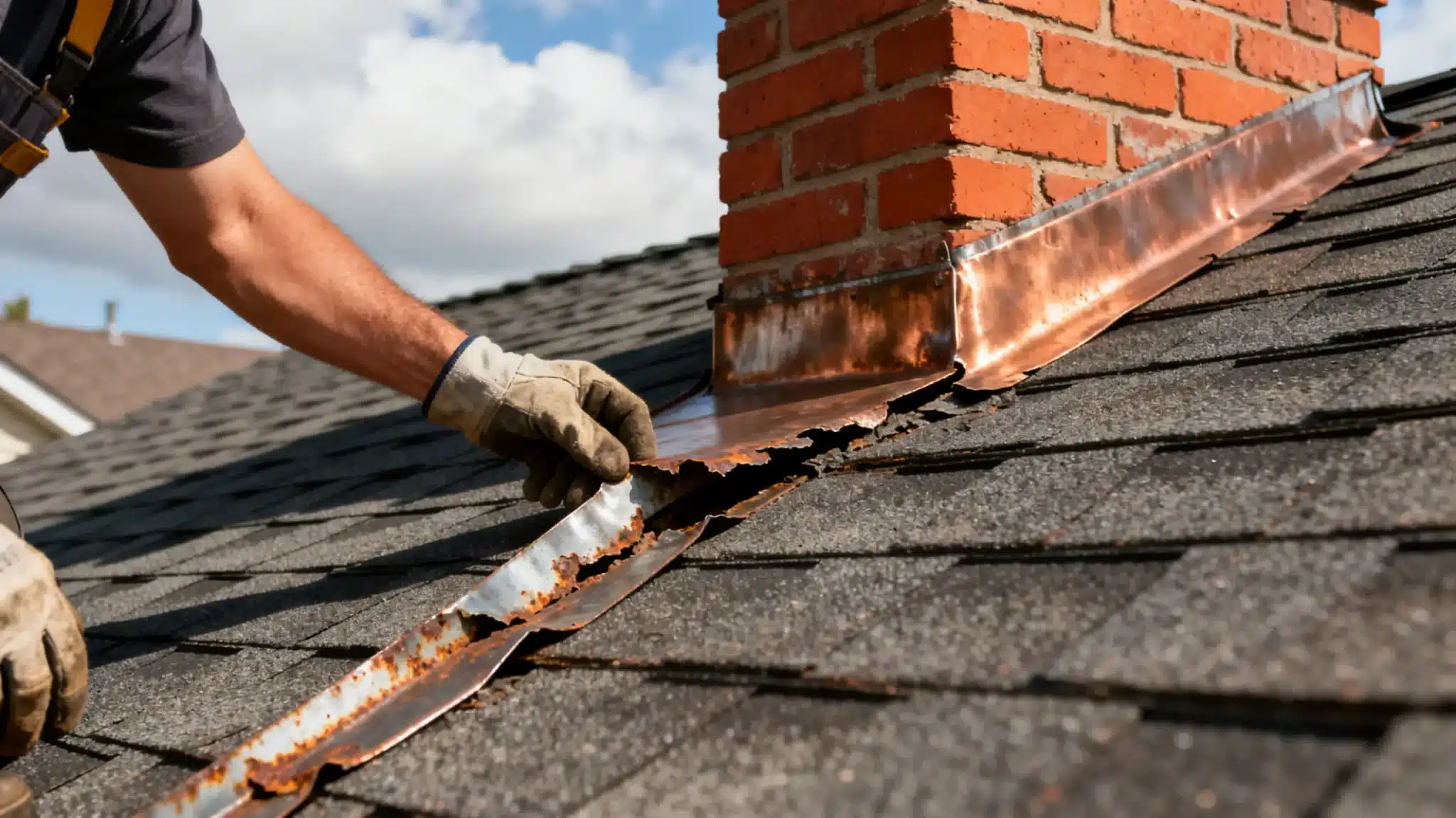
To prevent wind-driven rain from penetrating your home, you must ensure that all metal flashing and edge treatments are securely fastened. Partnering with a reliable roofing company is vital for reinforcing these specific areas, particularly if you live in regions prone to Santa Ana winds or similar atmospheric events. Properly sealed flashing around chimneys, vents, and skylights acts as a secondary barrier that keeps the interior of your home dry during horizontal rain.
Reinforce the Roof Deck and Support Structures
Structural integrity starts beneath the shingles. The Federal Emergency Management Agency (FEMA) emphasizes that wind-related damage can be significantly reduced by strengthening the building envelope and the load path. Homeowners should consider sealing the roof deck to prevent water intrusion if the primary covering is blown away.
Using hurricane clips or straps to secure the roof framing to the wall system provides additional resistance against uplift. These reinforcements are especially critical for older homes that may not have been constructed under modern, more restrictive building codes designed for high-wind resistance.
Maintain Drainage Systems and Surrounding Vegetation
Debris is one of the most common causes of localized roof failure. The National Roofing Contractors Association (NRCA) notes that a proactive maintenance program should always include cleaning gutters and downspouts of leaves, twigs, and other obstructions. Clogged drainage allows water to back up under the shingles, leading to rot and ice dams in colder climates.
And overhanging tree branches should be trimmed back significantly. During a storm, these limbs can act as projectiles or scrape against the roof surface, stripping away the protective granules that shield shingles from UV deterioration.
Invest in Impact-Resistant Materials
Choosing the right materials during a replacement or repair can make the difference between a minor cleanup and a total loss. Impact-resistant shingles or metal roofing systems are engineered to withstand hail and flying debris that would typically shatter standard materials.
While the initial investment might be higher, the long-term savings in repair costs and potential insurance premiums make it a financially sound decision. Modern roofing technology has advanced to offer aesthetic options that do not sacrifice durability for style.
Maintaining a weather-resistant roof requires a combination of high-quality materials and consistent upkeep. By addressing structural weaknesses and keeping your drainage systems clear, you provide your home with the best possible defense against the unpredictable forces of nature. Professional expertise ensures your roof remains a safe haven for years to come.