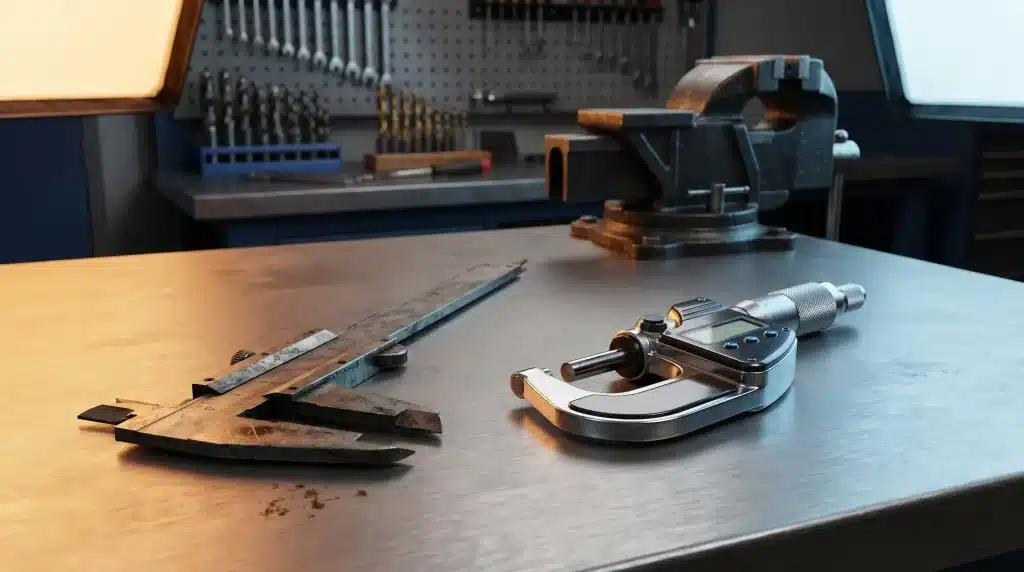
In machining, measurement tools are the foundation of accuracy. Every cut, adjustment, and finished part depends on how well you can measure and verify dimensions. While basic tools are sufficient for general tasks, there comes a point where they simply can’t deliver the level of precision required for more advanced work.
Understanding the difference between basic and high-precision measurement tools is critical for improving consistency, reducing errors, and maintaining tight tolerances. It’s not just about upgrading equipment—it’s about knowing when and why those upgrades make a meaningful impact on your results.
For machinists incorporating tools like a test indicator into their workflow, the shift toward precision measurement often marks a turning point in overall machining quality.
Understanding Accuracy, Tolerance, and Tool Capability
At the core of measurement is accuracy—the ability of a tool to provide a reading that reflects the true dimension of a part. Basic tools, such as standard calipers, offer a good level of accuracy for many applications, but they have limitations when it comes to extremely tight tolerances.
Tolerance refers to how much variation is allowed in a part’s dimensions. As tolerances become tighter, the margin for error shrinks significantly. This is where high-precision tools become essential. They are designed to measure with greater resolution and repeatability, ensuring that even the smallest variations are detected.
Tool capability is another key factor. Not all measurement tools are built for the same purpose. Basic tools are versatile and easy to use, making them ideal for quick checks and general measurements. However, when working on complex parts or high-precision components, specialized tools provide the level of detail needed to maintain quality.
For example, alignment and runout are difficult to measure accurately with general-purpose tools. This is where indicators come into play. A test indicator allows machinists to detect minute deviations in alignment, helping ensure that setups are correct before machining begins. This level of precision is critical for maintaining consistency across multiple parts.
Workholding also plays a role in how measurements are taken. Components secured with systems like 5c collets benefit from even clamping pressure, which helps maintain dimensional accuracy during both measurement and machining. When the workpiece is stable, measurement tools can deliver more reliable readings.
Another important distinction is repeatability. High-precision tools are designed to produce consistent results across multiple measurements. This consistency is essential in production environments, where even small variations can lead to cumulative errors over time.
Ultimately, understanding how accuracy, tolerance, and tool capability work together helps machinists choose the right tool for each task. It’s not about replacing every basic tool—it’s about knowing when precision matters most.
When It’s Time to Upgrade Your Measuring Equipment

Recognizing when to upgrade your measurement tools is just as important as understanding how to use them. Many machinists continue using basic tools even as their work demands higher levels of precision, leading to inconsistent results and increased rework.
One clear sign that it’s time to upgrade is when you begin working with tighter tolerances. If your current tools struggle to provide consistent readings within the required range, it’s a strong indication that a more precise solution is needed. Relying on tools that aren’t designed for the level of accuracy required can lead to parts falling out of specification.
Another indicator is variability in measurements. If you’re getting different readings when measuring the same part multiple times, it may not just be technique—it could be a limitation of the tool itself. High-precision tools are built to minimize this variability, providing more reliable results.
As projects become more complex, the need for specialized measurement tools increases. Internal diameters, intricate features, and alignment checks often require tools that go beyond basic capabilities. Whiledigital calipers are incredibly useful for general measurements, they may not offer the resolution needed for more demanding applications.
Efficiency is another factor to consider. While it may seem faster to stick with familiar tools, inaccurate measurements can lead to rework, scrap, and delays. Upgrading to more precise equipment can actually improve workflow efficiency by reducing errors and the need for repeated checks.
It’s also important to think about long-term growth. As your skills and projects evolve, your measurement tools should evolve with you. Investing in high-precision equipment early on can help you take on more advanced work with confidence, rather than being limited by your tools.
Finally, consistency across your workflow is key. When all your measurement tools meet the same standard of accuracy, it becomes easier to maintain quality from setup to final inspection. This alignment reduces the chances of discrepancies and helps ensure that every part meets the required specifications.
Conclusion
The difference between basic and high-precision measurement tools goes beyond simple accuracy—it affects every aspect of the machining process. From maintaining tight tolerances to ensuring repeatable results, the right tools play a critical role in achieving consistent, high-quality outcomes.
By understanding the limitations of basic tools and recognizing when to upgrade, machinists can improve both their efficiency and their results. High-precision tools provide the level of detail and reliability needed for modern machining, allowing you to take on more complex projects with confidence.
In the end, measurement is the foundation of precision. Choosing the right tools ensures that every decision you make is backed by accurate data, leading to better parts, fewer errors, and a more reliable machining process overall.