Building or renovating a home is one of the most significant financial commitments you will ever make. Yet many homeowners step into the process without a clear understanding of how project costs are actually calculated and without the support of accurate painting estimating services and professional cost planning, that gap in knowledge can be extraordinarily expensive.
Why Most Home Projects End Up Costing More Than Expected
Ask any homeowner who has been through a major renovation or new build, and a common theme emerges: the final bill was almost always higher than the original estimate. Sometimes significantly so. Unexpected structural issues, material price increases, and scope changes all play a role but the most common underlying cause is an inaccurate cost assessment at the very start of the project.
When a contractor provides a rough estimate based on square footage or previous experience alone, critical variables get missed. Materials are underquantified, labor hours are underestimated, and specialty work like custom cabinetry, detailed tilework, or exterior painting gets lumped into vague line items that hold little real accountability when the work actually begins.
The result is a project that bleeds money from the moment construction starts, leaving homeowners scrambling to either cut scope, dip into savings, or compromise on the finishes and features they had originally planned.
What Quantity Surveying Actually Means for Your Home Project
Quantity surveying is the professional discipline of measuring and costing every element of a construction project from the number of bricks in a wall to the square footage of drywall, the linear meters of trim, and the precise volume of concrete required for a foundation. It is a systematic, drawing-based process that leaves nothing to guesswork.
For homeowners, this translates into a cost plan that reflects what your specific project actually requires not a generic estimate drawn from averages. Every room, every surface, every trade is measured and priced individually, giving you a transparent, defensible budget before a single tool is picked up.
This level of precision is especially critical for painting and surface finishing work. Paint is one of the most visually impactful and frequently underestimated elements of any home project. The difference between a properly calculated paint quantity and a rough guess can mean multiple unexpected trips to the hardware store, mismatched batch colors, or a final result that falls short of the vision you started with.
The Hidden Costs of Getting Paint Quantities Wrong
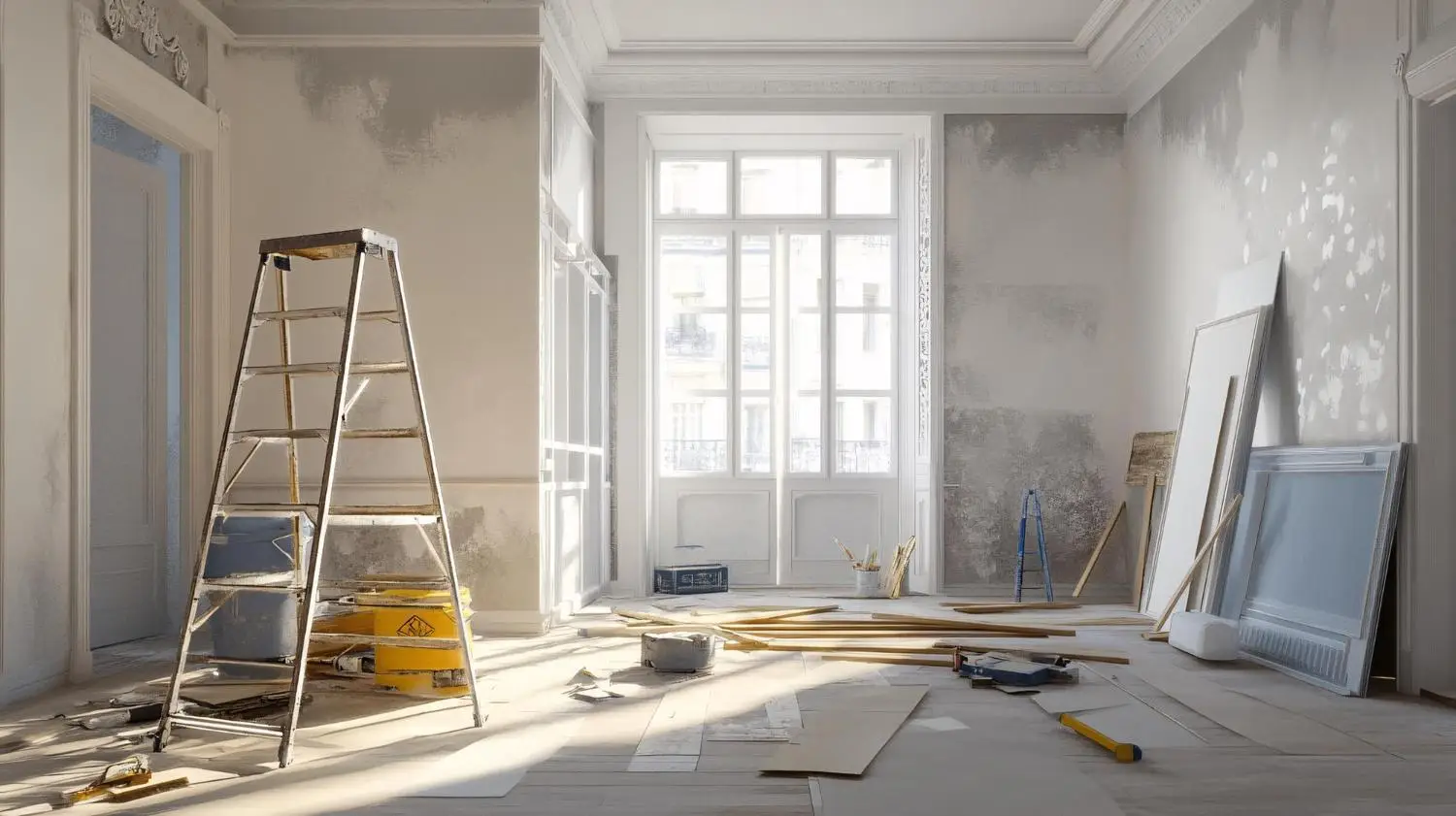
Painting is far more complex than it appears on the surface. Coverage rates vary significantly depending on the paint brand, finish type, wall texture, and the number of coats required. Primer requirements differ between new drywall, repainted surfaces, and previously dark-colored walls. Trim, doors, ceilings, and accent walls all demand separate calculations with their own labor and material variables.
When these factors are not properly accounted for, one of two things happens: either too little paint is ordered, creating costly delays and the risk of batch inconsistencies, or far too much is purchased, wasting money on product that ends up sitting in a garage. Neither outcome is acceptable when you are managing a real renovation budget.
This is precisely why professional cost estimation for painting work exists to take the guesswork out of surface finishing calculations and provide homeowners and contractors with accurate, room-by-room quantity breakdowns that reflect the true scope of the work. A dedicated professional accounts for wall height, surface condition, architectural details, and finish type to produce a materials list you can take directly to your supplier and trust completely. This is the core value that reliable painting estimating services deliver on every project.
A detailed cost plan before construction begins is not a luxury it is the single most effective tool a homeowner has for protecting their investment and ensuring the project delivers what was promised.
How Detailed Takeoffs Strengthen Your Contractor Conversations
One of the less obvious but enormously valuable benefits of professional quantity surveying is the confidence it gives you when talking to contractors. When you walk into a meeting armed with a detailed, trade-specific cost breakdown, the entire dynamic of the conversation changes.
You can ask informed questions about line items, compare quotes on an apples-to-apples basis, and identify contractors who are padding estimates or cutting scope to appear more competitive. This kind of cost literacy protects you from being overcharged and ensures that every quote you receive is being evaluated against the same measurable standard.
It also reduces the risk of being surprised by change orders mid-project. When the scope is clearly defined upfront and quantities are documented, there is far less room for a contractor to claim unforeseen work that drives up the cost after the contract is signed.
Protecting Your Investment from the Foundation Up
Every element of a home from the structural frame to the final coat of paint has a measurable cost that should be known and planned for before work begins. Structural concrete, framing lumber, insulation, roofing, flooring, cabinetry, plumbing fixtures, electrical fittings, and exterior cladding all carry specific quantities that a professional surveyor can extract directly from your architectural plans.
When each of these elements is properly quantified, your total project cost becomes a number you can defend, finance against, and manage with confidence. Lenders and mortgage advisors increasingly require detailed cost plans for construction loans precisely because these documents provide the financial certainty that both parties need to proceed responsibly.
For homeowners undertaking a staged renovation, perhaps updating one room at a time over several years, accurate quantity data for each phase also allows for smarter long-term budgeting. You can plan material purchases in advance, take advantage of sale pricing, and avoid the disruption and expense of returning to partially completed work because the cost envelope was misunderstood from the start.
When in the Process Should You Engage a Quantity Surveyor?
The most impactful time to engage professional cost planning support is during the design phase before final architectural drawings are completed and before any contractor conversations begin. At this stage, a quantity surveyor can review preliminary plans, flag potential cost risks, and provide early-stage budget guidance that informs design decisions before they become expensive to change.
That said, even engaging cost planning support after drawings are finalized — but before construction commences provides significant value. A detailed pre-construction cost plan gives you a baseline against which every contractor quote can be assessed and every site instruction can be evaluated for cost impact.
For smaller renovation projects, even a focused scope such as a professional assessment of painting, tiling, or joinery requirements can meaningfully improve budget accuracy and prevent the kind of frustrating mid-project cost surprises that derail timelines and strain relationships with your building team.
The Long-Term Value of Getting the Numbers Right
A home is not just a building project it is a long-term financial asset. The decisions made during construction and renovation directly affect its market value, its liveability, and the cost of future maintenance. When projects are planned and cost with precision from the outset, they are more likely to be completed on time, on budget, and to the standard that protects and enhances that asset value over the long term.
Professional quantity surveying is not an additional expense, it is an investment in the quality and financial integrity of your project. Whether you are building a new home from the ground up, extending an existing property, or undertaking a comprehensive interior renovation, the discipline of accurate cost planning is the most reliable tool available for ensuring that what you set out to build is exactly what you end up with and that what you planned to spend is as close as possible to what you actually pay.
Bottom Line for Homeowners
Before committing to any significant home building or renovation project, invest in a professional cost assessment. The clarity it provides across every trade, every material, and every finish is what separates a project that delivers on its promise from one that drains your budget and tests your patience at every turn.