Home renovations are exciting opportunities to improve comfort, functionality, and property value. However, many homeowners focus heavily on visible upgrades while overlooking important expenses that emerge throughout the renovation process. Before starting a project, researching costs such as materials, labor, permits, and even estimating home alarm installation expenses can help homeowners better understand security upgrade pricing and avoid budget surprises later in the renovation journey.
Permit and Inspection Fees
Many homeowners are surprised to learn that renovation projects often require permits and inspections before work can begin. These requirements vary depending on the scope of the project and local regulations, but they can add high costs to an already stretched budget.
Skipping permits may seem like a way to save money, but it often creates larger problems down the road. Unpermitted work can complicate future home sales, create insurance issues, and potentially require expensive corrections if local authorities discover the violations.
Unexpected Structural Repairs
Once walls, flooring, or ceilings are opened during a renovation, hidden issues often come to light. Water damage, outdated wiring, mold, pest damage, or weakened structural components can quickly increase project costs beyond original estimates.
These discoveries are common in older homes where previous repairs may have concealed underlying problems. While frustrating, addressing structural concerns immediately is essential for safety and can prevent even larger expenses in the future.
Temporary Living Expenses
Major renovations can disrupt daily life more than many homeowners anticipate. Depending on the extent of the project, families may need temporary accommodations, storage units, or additional transportation arrangements while work is being completed.
Even smaller projects can create unexpected costs related to dining out, laundry services, or temporary workspaces. These expenses may seem minor individually, but they can accumulate significantly over the course of a renovation.
Utility and System Upgrades
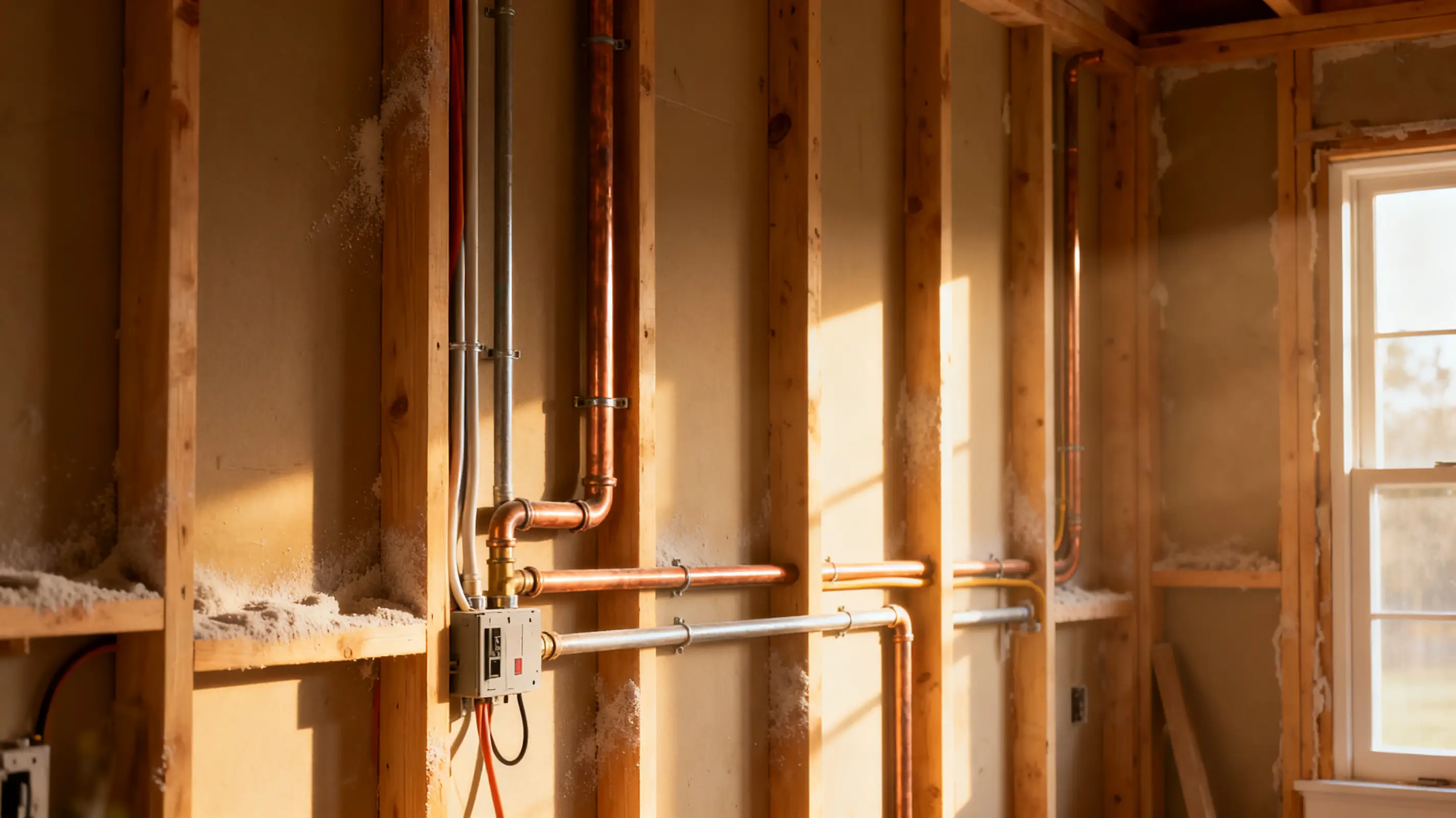
Renovation projects often reveal that existing home systems are no longer adequate for modern needs. Electrical panels, plumbing systems, HVAC equipment, and internet infrastructure may require upgrades to support new additions or improvements.
These upgrades are frequently overlooked during the planning phase because they are not as visually appealing as new finishes. Nevertheless, they are often necessary to ensure that renovated spaces function safely and efficiently for years to come.
Security Improvements and Safety Enhancements
Many homeowners invest heavily in beautiful new kitchens, bathrooms, or outdoor spaces while overlooking security improvements. Renovations can create opportunities to install smart locks, security cameras, upgraded lighting, and professionally monitored alarm systems.
Security upgrades are especially valuable when homeowners are already modifying walls, wiring, or entry points. Including these improvements in the renovation budget from the beginning helps avoid future installation costs and ensures the home is both attractive and secure.
Material Price Changes and Project Delays
Construction material prices can fluctuate significantly between the planning stage and actual installation. Lumber, flooring, fixtures, and specialty materials may become more expensive due to supply chain issues or market demand.
Project delays can also increase labor costs and extend equipment rental periods. Weather conditions, product backorders, and scheduling conflicts are common challenges that can affect both timelines and budgets, making contingency planning an important part of any renovation project.
Landscaping and Exterior Restoration
Homeowners frequently focus on interior improvements while forgetting about the impact renovations can have on outdoor spaces. Construction equipment, material deliveries, and excavation work can damage lawns, gardens, driveways, and walkways.
Restoring landscaping after a project is complete often requires additional investments in plants, irrigation systems, soil replacement, and hardscape repairs. These costs should be considered early in the planning process to avoid unpleasant surprises once construction is finished.
Furniture, Decor, and Finishing Touches
A newly renovated room often highlights the need for updated furniture, window treatments, lighting fixtures, and decor. While these purchases may not be technically part of the renovation itself, they are frequently necessary to complete the desired look.
Many homeowners underestimate how much these finishing touches can cost. Setting aside a separate budget for furnishings and accessories can help ensure that the renovated space feels complete without creating financial stress.
Conclusion
Successful renovations require more than planning for materials and contractor fees. Hidden expenses such as permits, structural repairs, temporary living arrangements, system upgrades, security improvements, and landscaping restoration can significantly impact the final cost of a project. By anticipating these often-overlooked expenses and building a realistic contingency fund into the budget, homeowners can complete renovations with greater confidence and fewer financial surprises.