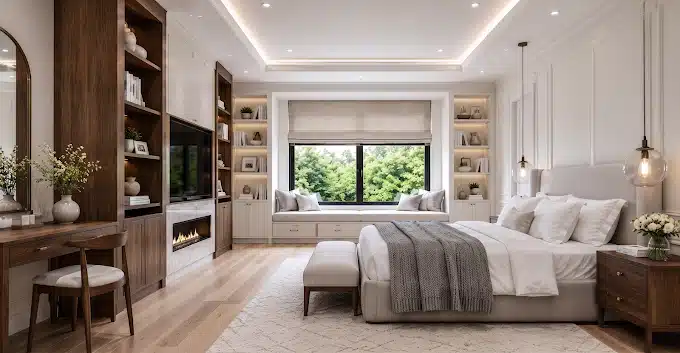
Your home should be a refuge from the world’s chaos. In 2026, many of us are searching for ways to turn our living spaces into quiet retreats that lower stress and improve our daily mood. While many people focus on expensive renovations, the real secret to a cozy home lies in small, intentional details.
The biggest interior design firms complete over 80,000 projects a year, and many cater to customers seeking “comfort-led minimalism” as people move away from cold, stark aesthetics. This trend shows that we are collectively craving spaces that feel soft, warm, and deeply personal. You do not need a massive budget to transform your environment into a sanctuary that supports your mental well-being.
Embracing Earthy Color Palettes
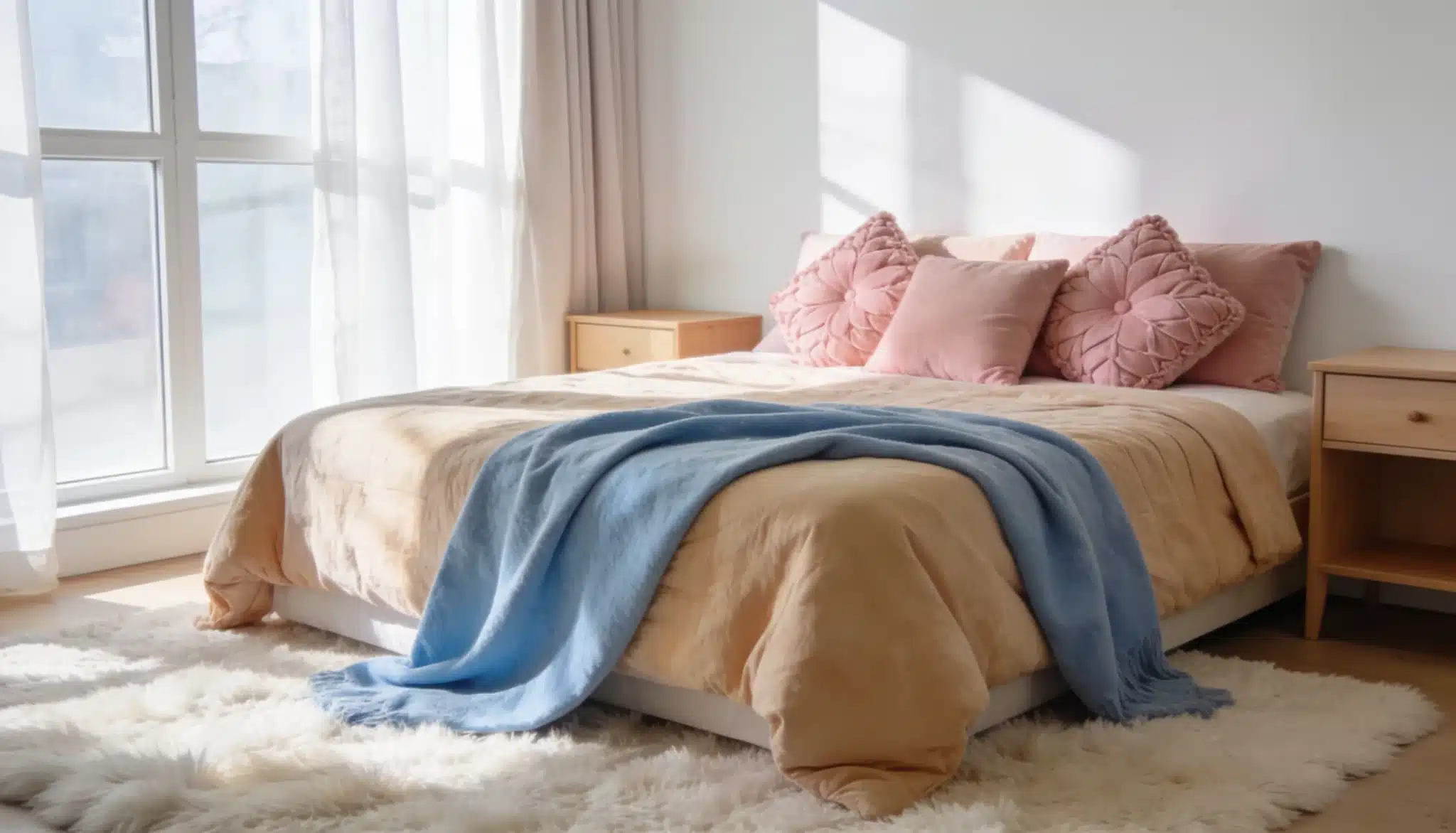
Color has a profound impact on how your brain processes a room, so picking a palette takes time. Designers in 2026 are moving toward “biscuit” and “clay” tones because these shades provide a grounded feeling that bright white simply cannot match. These hues act as a visual hug, making even the largest rooms feel intimate and safe.
Sage green has emerged as the “quiet color” of the year because it creates an instant sense of calm. Using this color in bedrooms or home offices helps to bridge the gap between the indoors and the natural world.
If you are looking for a more dramatic shift, consider deep blues or dark wood finishes. These richer tones provide a sophisticated backdrop that feels both timeless and incredibly snug during the winter months. Contrast is key, the room breathes, and deeper colors create an anchor.
Layered Lighting for Every Mood
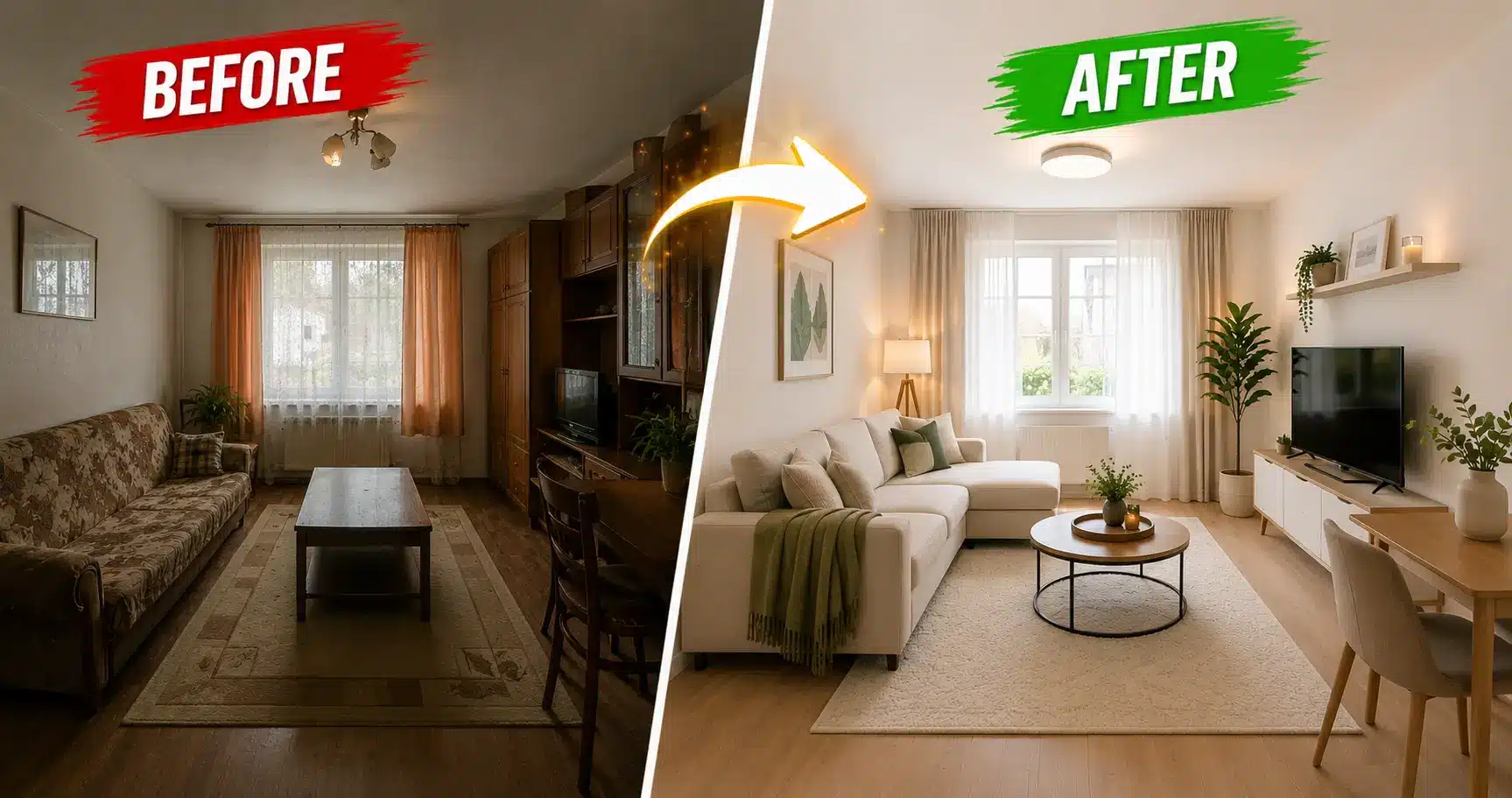
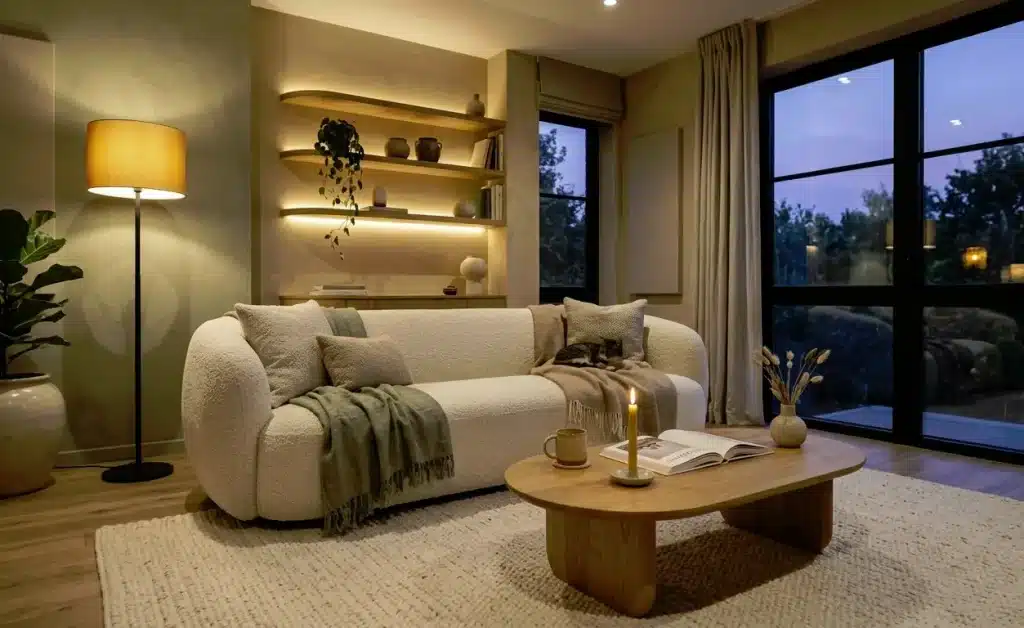
Lighting is often the most overlooked element of a cozy home, yet it is the most powerful. Instead of relying on a single bright overhead light, you should mix different sources to create depth. Most successful designs use three distinct layers of light to ensure the room never feels flat or clinical.
It is much easier to control lighting throughout your home when you have a system designed for flexibility. This allows you to shift from a bright workspace to a dim, relaxing lounge area with a single adjustment. You can highlight specific architectural features or simply soften the corners of a room to make it feel more inviting.
The best lighting setups include several key elements:
- Warm LED bulbs that mimic the soft glow of a sunset
- Floor lamps placed in dark corners to eliminate shadows
- Small accent lights used to draw attention to artwork
Technical guides now recommend using mini-LED downlights to create a spa-like atmosphere in bathrooms or hallways. These tiny fixtures provide just enough light to navigate without breaking the “cozy” spell.
The Power of Natural Textures
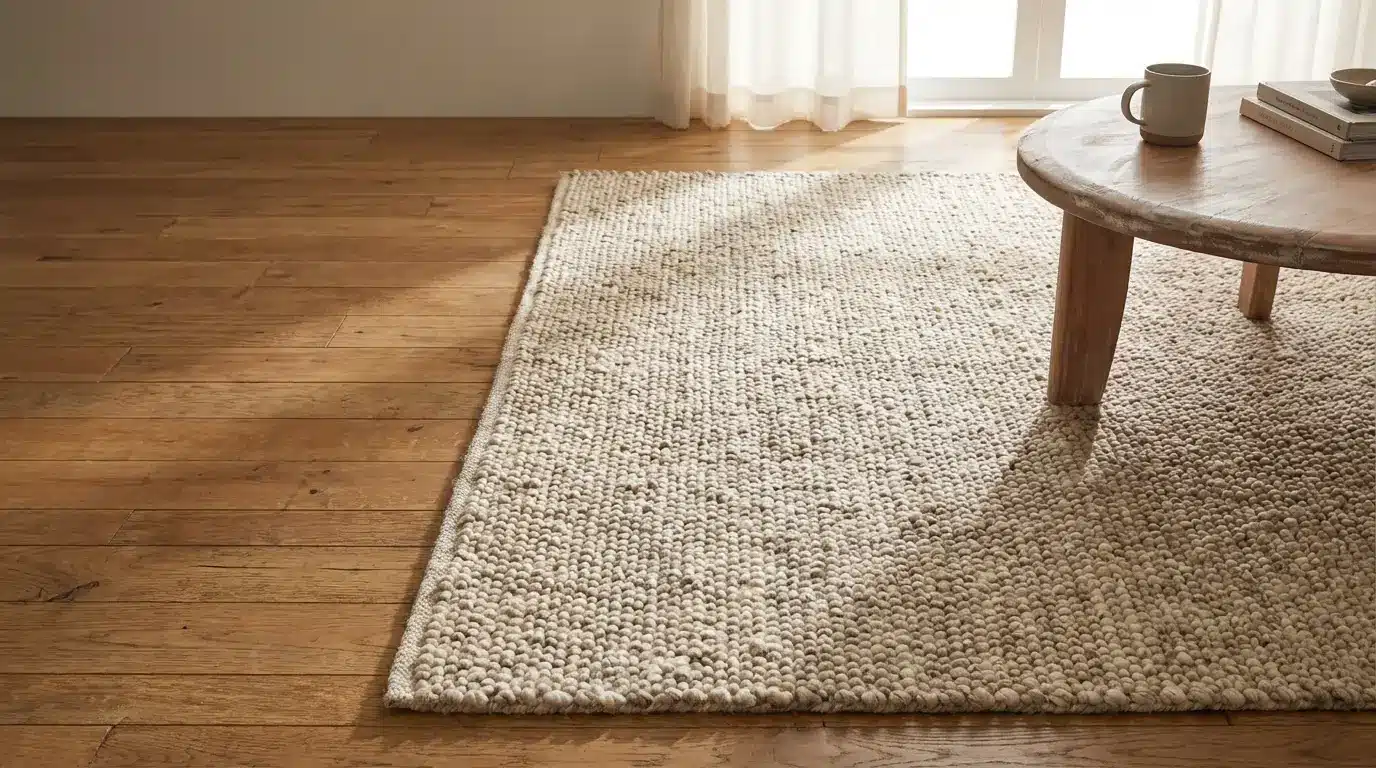
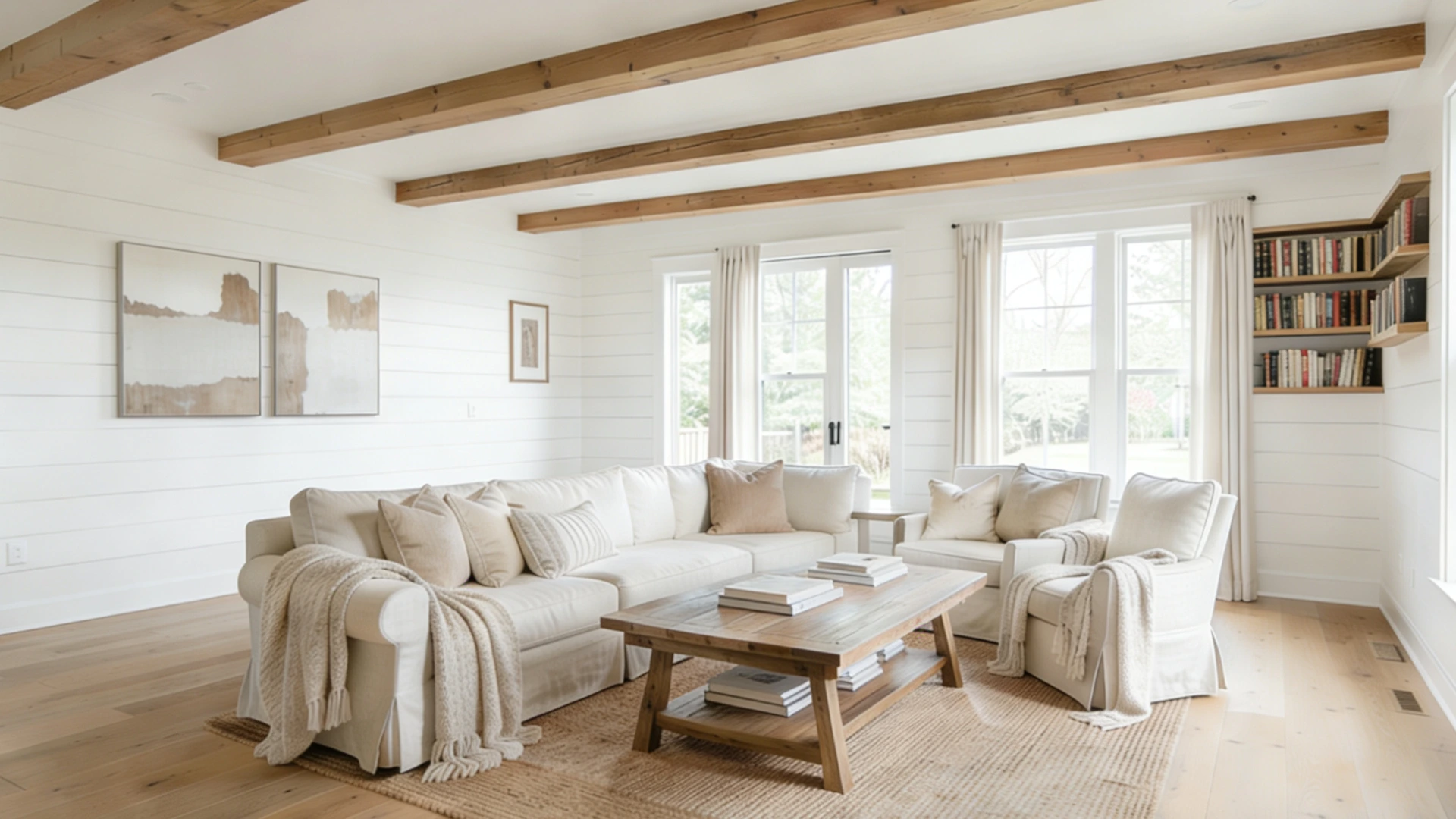
Adding texture is like adding layers of clothing to your room. When you mix different materials like wool, linen, and wood, you create a tactile experience that feels rich and lived-in. These materials also have the added benefit of dampening sound, which makes your home feel much quieter.
Natural fibers like cork and wool are gaining popularity because they are sustainable and feel great against the skin. Using a thick wool rug can instantly change a room’s acoustic profile, removing echoes and replacing them with a muffled, peaceful silence.
Physics plays a role here too, as soft curves in furniture and decor help to counteract the digital noise of our screens. By choosing a rounded coffee table or a curved sofa, you are signaling to your nervous system that it is time to relax. This biological response is essential for true comfort in a modern living space.
Curating Personal Storytelling Spaces
A cozy home should tell the story of the people who live there. In 2026, there has been a 313% surge in searches for personalized decor that reflects individual identity. This means moving away from “catalog” looks and toward items that hold sentimental value or represent your personal history.
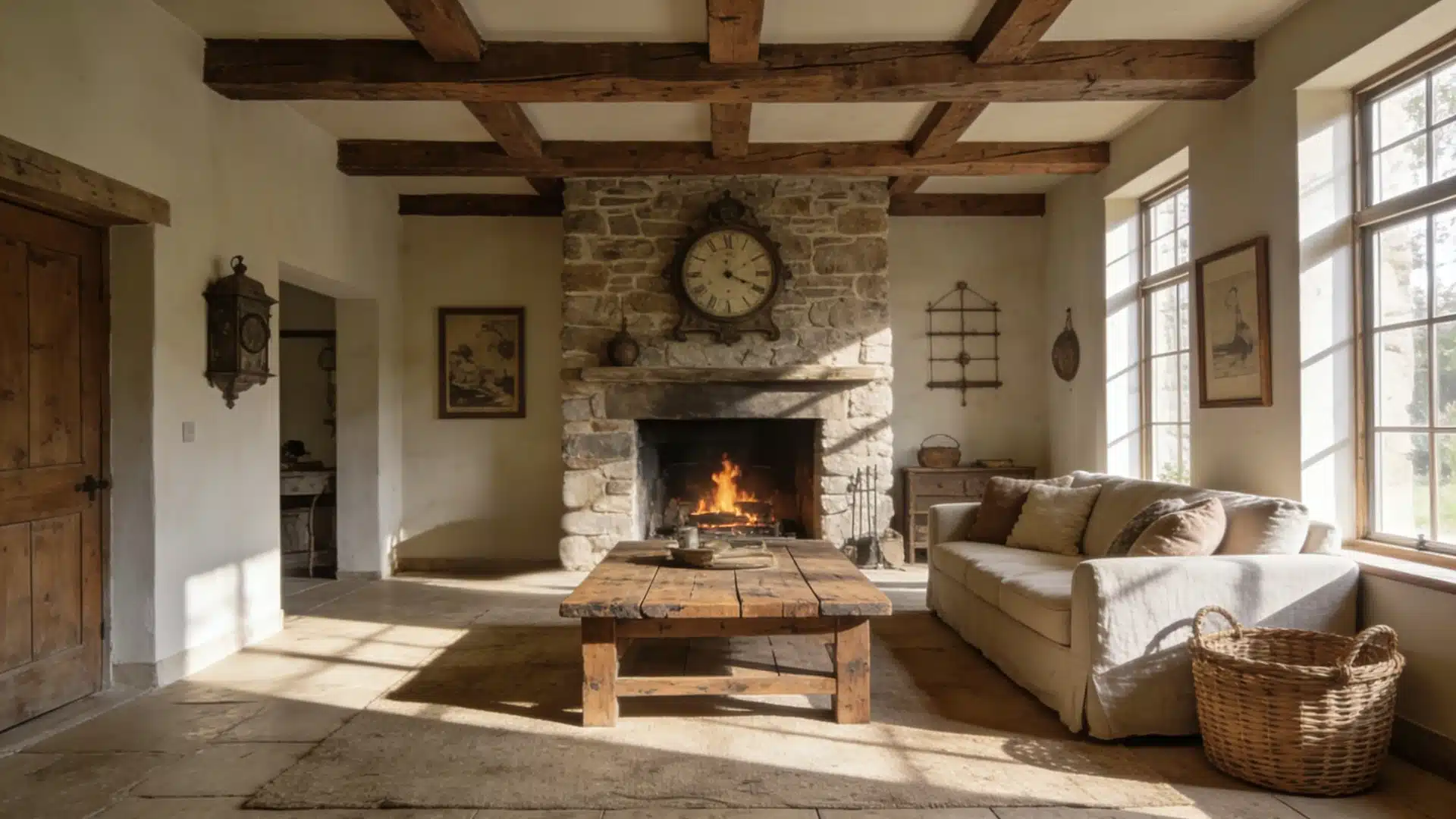
Vintage pieces are a great way to add character and a sense of history to a room. A worn wooden chest or a collection of old books adds a layer of warmth that new items often lack. These objects ground the space and make it feel like a true home rather than a showroom.
Mixing old and new requires a delicate balance to avoid looking cluttered. You want each piece to have enough space to be appreciated without overwhelming the room’s flow. When you display items that you truly love, the room takes on an emotional warmth that visitors can feel as soon as they walk in.
Creating a Sensory Sanctuary
Cozy is not just a look; it is a full sensory experience. Beyond what you see, consider what you smell and hear within your four walls. Scents like cedarwood, vanilla, or sandalwood can trigger a relaxation response in the brain almost instantly.
Keeping the air fresh and slightly scented makes a space feel cared for. You might use a high-quality diffuser or simply beeswax candles to add a flickering light and a subtle aroma. These small rituals of “homemaking” are what truly turn a house into a sanctuary.
Noise control is the final piece of the puzzle. Beyond rugs and curtains, consider the “hum” of your home and look for ways to minimize mechanical noise. A quiet home allows you to hear the smaller, more pleasant sounds like a crackling fire or the wind outside, reinforcing that feeling of being tucked away.
Developing Your Personal Refuge
Building a cozy home is an ongoing process of adding and subtracting until the balance feels right. Focus on how a room makes you feel, not just on how it looks in a photograph. When you prioritize your own comfort and well-being, you create a space that will support you for years to come.
If you enjoyed these tips, you might find our other interior design guides helpful for your next project. Keeping your home up to date with the latest wellness trends ensures your refuge stays modern and effective. Focus on the details, the feeling changes, and your home becomes your best medicine.