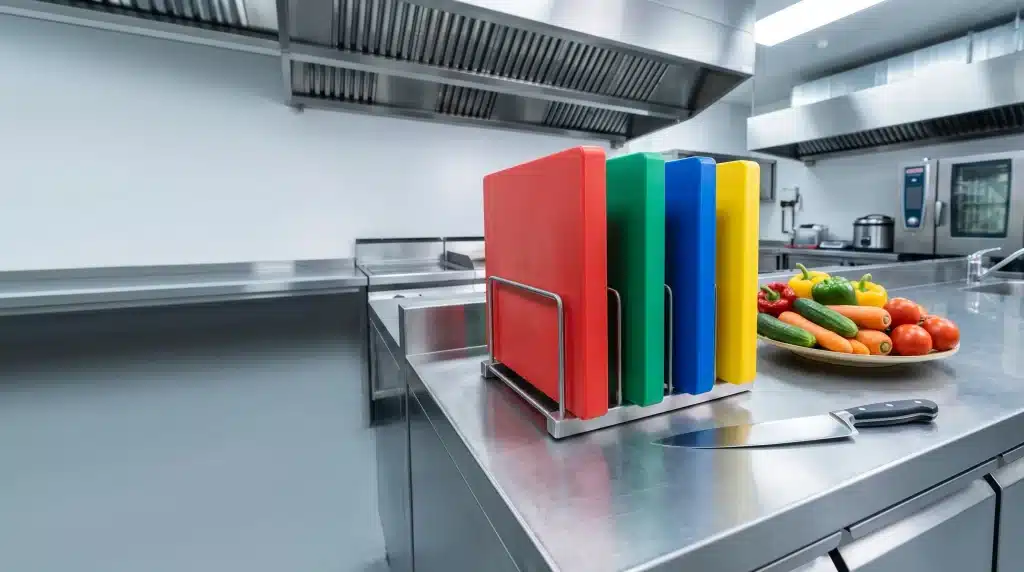
In a high-volume corporate kitchen, every tool must perform consistently under pressure—and cutting boards are no exception. From large office cafeterias and catering operations to institutional food production facilities, cutting boards are used continuously throughout the day. They serve as the foundation for food preparation, directly impacting efficiency, hygiene, and even the quality of the final dish.
Unlike home kitchens, where usage is occasional and controlled, corporate kitchens demand materials that can withstand constant wear, strict sanitation protocols, and multiple users working simultaneously. Choosing the right cutting board is not just about convenience—it is a critical operational decision that influences food safety compliance, staff productivity, and long-term cost management.
Understanding the Demands of High-Volume Kitchen Environments
Corporate kitchens operate at a scale that requires durability and consistency in every piece of equipment. Cutting boards are subjected to repeated chopping, slicing, and cleaning cycles, often for hours at a time. They must endure sharp knives, heavy ingredients, and exposure to moisture, detergents, and sanitizing agents.
In such environments, even minor inefficiencies can compound into significant problems. A cutting board that warps, cracks, or retains bacteria can slow down workflow, increase the risk of contamination, and require frequent replacement. Over time, these issues can affect both operational costs and the kitchen’s ability to meet regulatory standards.
This is why cutting boards in corporate kitchens must be selected with a clear understanding of their role—not just as tools, but as essential components of a safe and efficient system.
Key Characteristics That Define Durable Corporate Cutting Boards
Durability in cutting boards goes beyond simply resisting damage. In a professional setting, it encompasses a combination of structural integrity, hygiene, and ease of maintenance.
A high-quality corporate cutting board should maintain its shape and surface even after prolonged use. Warping or bending can create instability during food preparation, increasing the risk of accidents. Similarly, deep grooves or cuts in the surface can trap food particles and bacteria, making thorough cleaning more difficult.
Non-porous surfaces are especially important in high-volume kitchens. Materials that absorb moisture can become breeding grounds for bacteria, compromising food safety. A non-porous cutting board, on the other hand, prevents liquids and contaminants from penetrating the surface, making it easier to clean and sanitize effectively.
Another critical factor is resistance to temperature and chemicals. Corporate kitchens often rely on high-temperature dishwashers and strong cleaning agents to maintain hygiene standards. Cutting boards must be able to withstand these conditions without degrading or losing their structural integrity.
Finally, thickness and weight contribute to overall performance. Thicker boards provide better stability and are less likely to flex under pressure, ensuring a safer and more efficient prep experience for kitchen staff.
Comparing Materials for Corporate Cutting Boards
The material of a cutting board plays a central role in its durability and suitability for high-volume use. Each option offers distinct advantages and limitations, making it important to match the material to the specific needs of the kitchen.
High-density polyethylene (HDPE) has become the industry standard in corporate kitchens due to its exceptional balance of durability and hygiene. This type of plastic is non-porous, resistant to moisture, and capable of withstanding heavy daily use. It does not crack or warp easily and can endure repeated washing in commercial dishwashers. These qualities make HDPE cutting boards a reliable choice for environments where consistency and sanitation are top priorities.
Wood cutting boards, particularly those made from hardwoods like maple, are known for their durability and knife-friendly surface. They can last for years when properly maintained and are less likely to dull knives compared to harder materials. However, they require regular oiling and careful cleaning to prevent moisture damage. In high-volume kitchens, where speed and efficiency are essential, this level of maintenance can be impractical.
Composite cutting boards offer a middle ground by combining wood fibers with resin. These boards are more resistant to moisture than traditional wood while still providing a relatively gentle surface for knives. They are often dishwasher-safe and more durable than standard wooden boards. However, they tend to be more expensive and may not match the long-term resilience of HDPE in extremely demanding environments.
Rubber cutting boards are another professional-grade option, valued for their stability and ability to be resurfaced. Their slightly softer surface is easy on knives, and their weight helps keep them firmly in place during use. While they are highly durable, their higher cost and heavier construction may limit their use to specific prep stations rather than widespread adoption.
Why Certain Materials Fall Short in Professional Kitchens
Not all cutting board materials are suitable for corporate use. Some options, while visually appealing or inexpensive, can create more problems than they solve.
Glass and marble cutting boards, for example, are extremely hard surfaces that quickly dull knives and increase the risk of accidents due to slipping. They also lack the resilience needed for heavy-duty food preparation. Cutting boards along with other kitchen utensils can be used in Custom gift boxes as well to surprise your loved ones.
Similarly, low-quality plastic boards may seem cost-effective initially but often crack, warp, or develop deep grooves after limited use. These flaws not only reduce the board’s lifespan but also make it difficult to maintain proper hygiene standards.
Choosing the wrong material can lead to frequent replacements, increased costs, and potential food safety risks—making it essential to prioritize performance over appearance or initial price.
The Role of Color-Coding in Food Safety Compliance
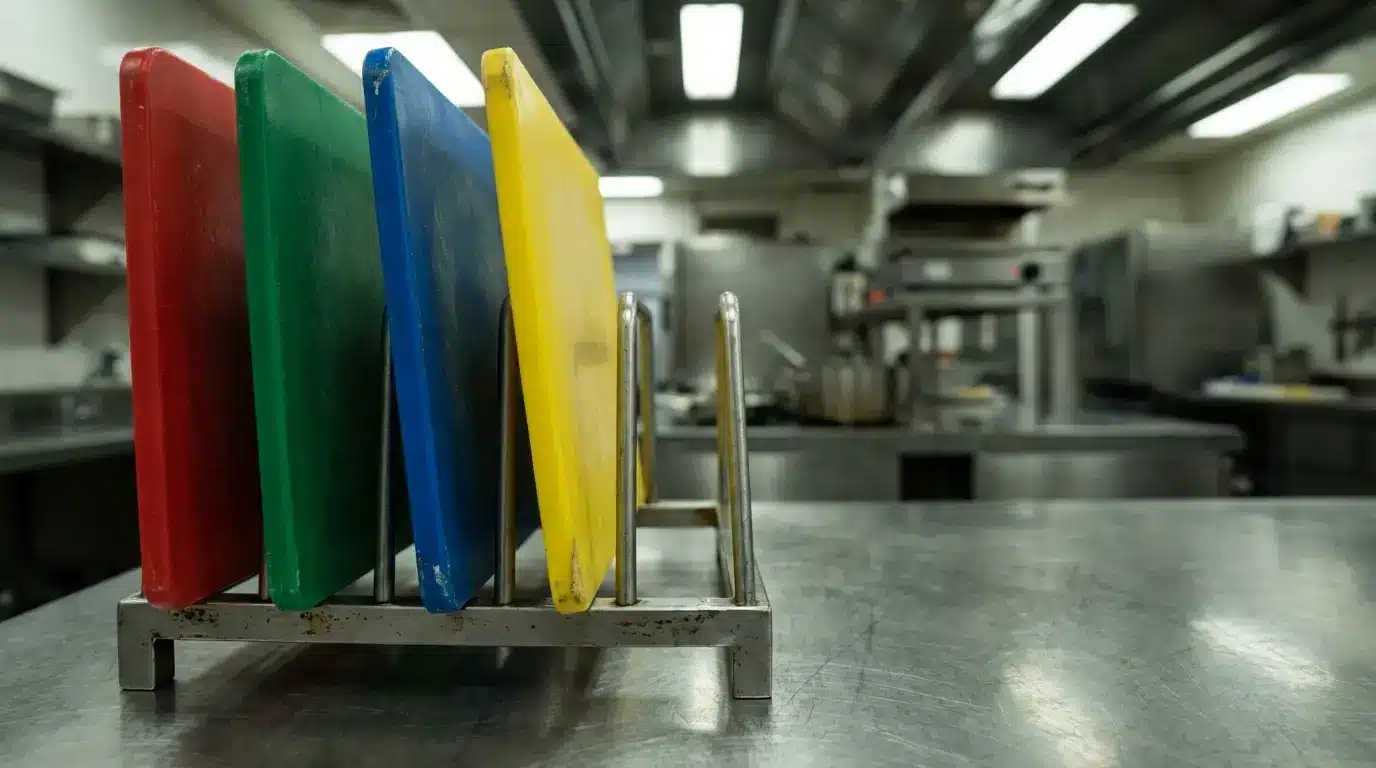
In high-volume kitchens, preventing cross-contamination is a constant concern. One of the most effective ways to address this is through the use of color-coded cutting boards.
Each color is designated for a specific type of food, such as raw meat, poultry, seafood, or vegetables. This system helps kitchen staff quickly identify the appropriate board for each task, reducing the risk of mixing raw and ready-to-eat ingredients.
Color-coding is not just a best practice—it is often part of food safety guidelines such as HACCP. By implementing a clear and consistent system, corporate kitchens can improve compliance, streamline workflow, and create a safer working environment.
Maintenance Practices That Extend Cutting Board Lifespan
Even the most durable cutting boards require proper care to maintain their performance over time. Regular cleaning is essential to prevent the buildup of bacteria and food residue. In corporate kitchens, this often involves washing boards immediately after use and sanitizing them using approved cleaning methods.
Monitoring the condition of cutting boards is equally important. Over time, repeated knife use can create deep grooves that are difficult to clean thoroughly. When this occurs, the board should either be resurfaced (if the material allows) or replaced to ensure continued food safety.
Rotating cutting boards between stations can also help distribute wear more evenly, extending their usable life. Additionally, storing boards in a way that allows proper air circulation can prevent moisture buildup and reduce the risk of warping or bacterial growth.
Balancing Cost and Long-Term Value
In choosing corporate kitchen gifts, purchasing decisions must consider both upfront costs and long-term value. While cheaper cutting boards may reduce initial expenses, they often require frequent replacement and may not meet the durability or hygiene standards needed for high-volume use.
Investing in high-quality cutting boards, particularly those made from HDPE or other professional-grade materials, can lead to significant savings over time. Durable boards last longer, perform better, and reduce the risk of costly issues related to food safety or equipment failure.
When viewed as a long-term investment rather than a short-term expense, the value of choosing the right cutting board becomes clear.
Building an Efficient and Reliable Prep Environment
Cutting boards are a fundamental part of any kitchen, but in corporate settings, their importance is amplified. They support every stage of food preparation, from initial ingredient handling to final assembly, making their performance critical to overall operations.
By selecting durable, non-porous materials, implementing color-coded systems, and maintaining proper care routines, corporate kitchens can create a more efficient and hygienic workspace. These choices not only improve day-to-day operations but also contribute to long-term success by reducing costs and ensuring compliance with food safety standards.
Conclusion
Choosing the right cutting boards for a high-volume kitchen is about more than durability—it is about creating a system that supports safety, efficiency, and consistency. With the right materials and practices in place, cutting boards can withstand the demands of even the busiest environments while maintaining the highest standards of hygiene.
For most corporate kitchens, high-density polyethylene remains the most practical and reliable choice. However, understanding the strengths and limitations of different materials allows for a more tailored approach, ensuring that every prep station is equipped for optimal performance.
In the end, the right cutting board is not just a surface—it is a foundation for better, safer, and more efficient food preparation.