Creating a home that feels both current and cozy is a common goal for many decorators. Layering rugs is a simple way to achieve this look without changing every piece of furniture you own. This technique adds depth and warmth to any room instantly.
Mixing styles allows for a personal touch that avoids a catalog appearance. You can pair a sleek rug with a rugged one to create visual interest. It is a smart strategy for making a large space feel more intimate and inviting.
Choosing Your Base Layer
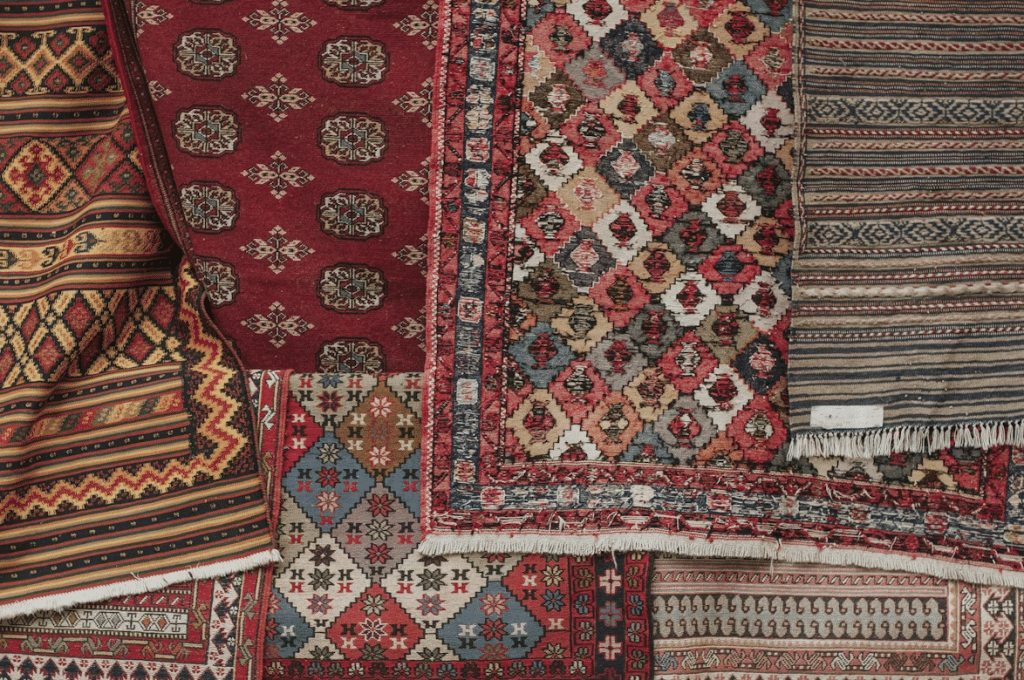
Many homeowners start with a large jute rug to cover the floor. You might decide that a Turkish kilim rug provides the perfect pop of color for your space. This choice helps ground the furniture while adding a bit of history to the room.
Size is a major factor when picking the bottom piece. It should be big enough so that all furniture legs sit comfortably on top. This creates a solid foundation for the smaller accent pieces you will add later.
Neutral colors work best for the largest surface area. A beige or tan base lets the top rug stand out. It provides a clean backdrop for more complex patterns and textures.
Blending Different Design Eras
A federal study on design notes that modern styles can feel contemporary yet remain comforting to the human touch. This balance is key when mixing old-world items with new ones. Large-scale items offer durability for heavy foot traffic.
Combining a rustic rug with a glass coffee table creates a striking look. The contrast between soft wool and hard surfaces makes the room feel balanced. It keeps the space from leaning too far into a single design category.
Pairing a minimalist sofa with a weathered rug is another great idea. The clean lines of the couch highlight the intricate details of the fabric below. It shows that two different eras can live together in harmony.
Managing Sound and Echo
Hardwood floors often make a house feel loud and echo. Research found that wool nonwovens serve as an eco-friendly underlayment that absorbs sound effectively. This material helps reduce environmental pollution while keeping your home quiet.
Layering rugs adds extra padding to the floor. This thickness catches the noise of footsteps and pets. It is a practical solution for living rooms with high ceilings.
Placing a thick rug over a thin one doubles the noise reduction. Your family will enjoy a more peaceful environment for reading or watching movies. It turns a drafty room into a cozy retreat.
Understanding Rug Heritage
An academic paper mentions that exploring certain rug types offers insight into cultural symbolism and the inner world of weavers. Every pattern tells a story of craftsmanship and social structure. These details add a layer of meaning to your interior design.
Rustic rugs often feature symbols from nature or daily life. These elements bring a sense of soul to a modern apartment. It creates a connection between the past and the present.
Learning about the origin of your decor makes the home feel more curated. You can share these stories with guests when they visit. It transforms a simple floor covering into a conversation piece.
Creating a Productive Space
A quiet office is necessary for getting work done. An industry report suggests that carpets improve productivity by creating a less distracting environment. This happens by managing the acoustics of the room.
If you work from home, a plush rug under your desk can help you focus. It softens the space and makes long hours feel more comfortable. Physical comfort leads to better mental output.
Layering a small rug in your workspace defines the area. It separates the “office” from the rest of the bedroom or living room. This visual boundary helps your brain switch into work mode.
Safety and Environment
Protecting the health of your family is a top priority. A state agency reported that shifting away from certain chemicals has prevented 250,000 pounds of PFAS from entering homes. Checking the materials of your rugs is a smart move for safety.
- Look for natural fibers like wool or cotton.
- Avoid rugs with synthetic glues or backings.
- Check for certifications from environmental groups.
- Use pads made from recycled materials.
Using two rugs made from natural fibers is better for air quality. Synthetic materials sometimes release odors that linger for weeks. Staying with organic choices keeps your indoor air fresh.
Texture and Visual Depth
A university study on design history points out how layers of paint can reveal modern and older colors. Rugs work in a similar way by showing off different textures. Seeing a smooth rug under a shaggy one adds immediate interest.
Flatweave rugs are making a comeback in modern interiors, according to a recent style article. These thin rugs are perfect for placing on top of thicker carpets. They do not create a tripping hazard but still add a new look.
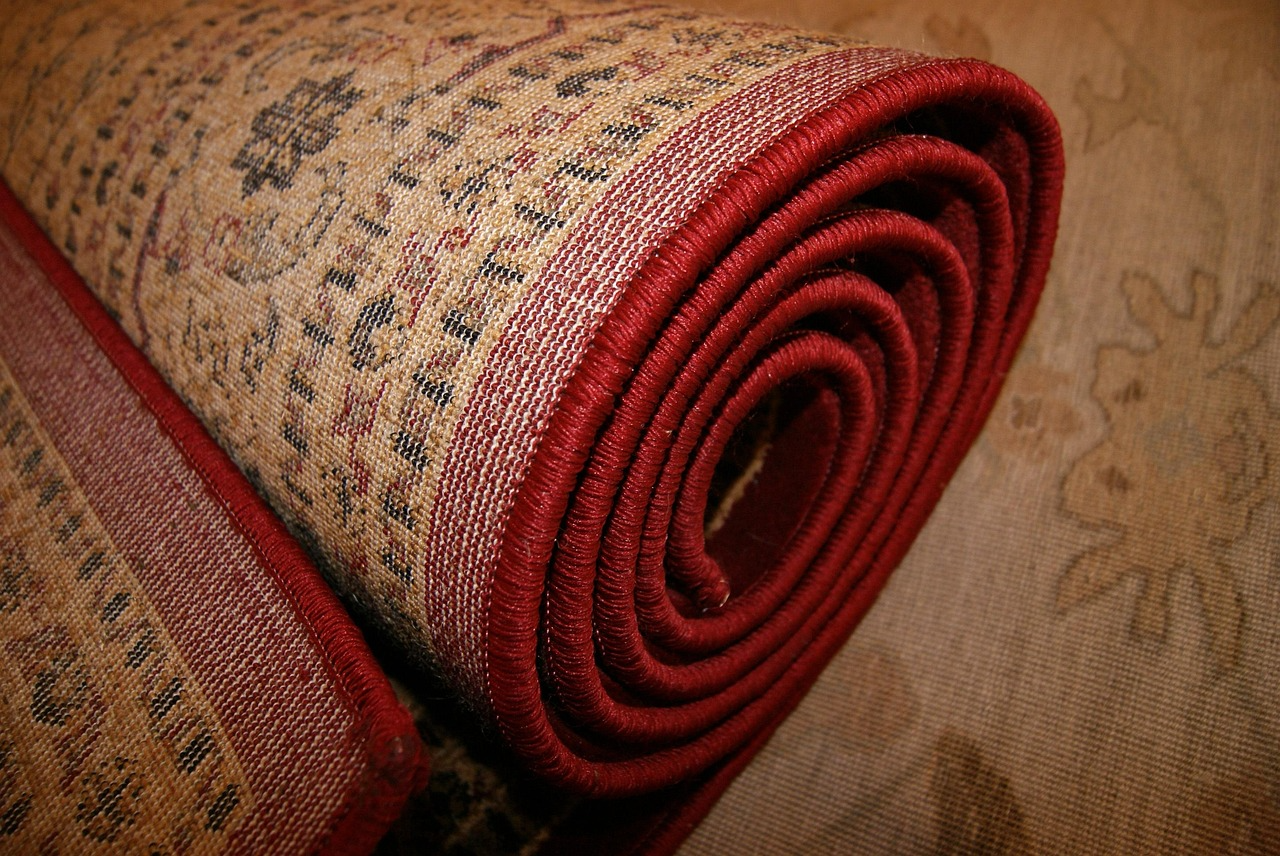
Varying the heights of your rugs makes the floor look three-dimensional. It draws the eye downward and makes the room feel complete. You can experiment with different shapes, like circles on squares, to find the best fit.
A successful room feels layered over time rather than bought all at once. Using these tips helps you build a space that reflects your unique taste. You don’t need a professional designer to make your home look polished.
Small changes lead to a big impact on how you feel in your house. Start with one room and see how the addition of a second rug changes the mood. You will likely find that the extra comfort is worth the effort.