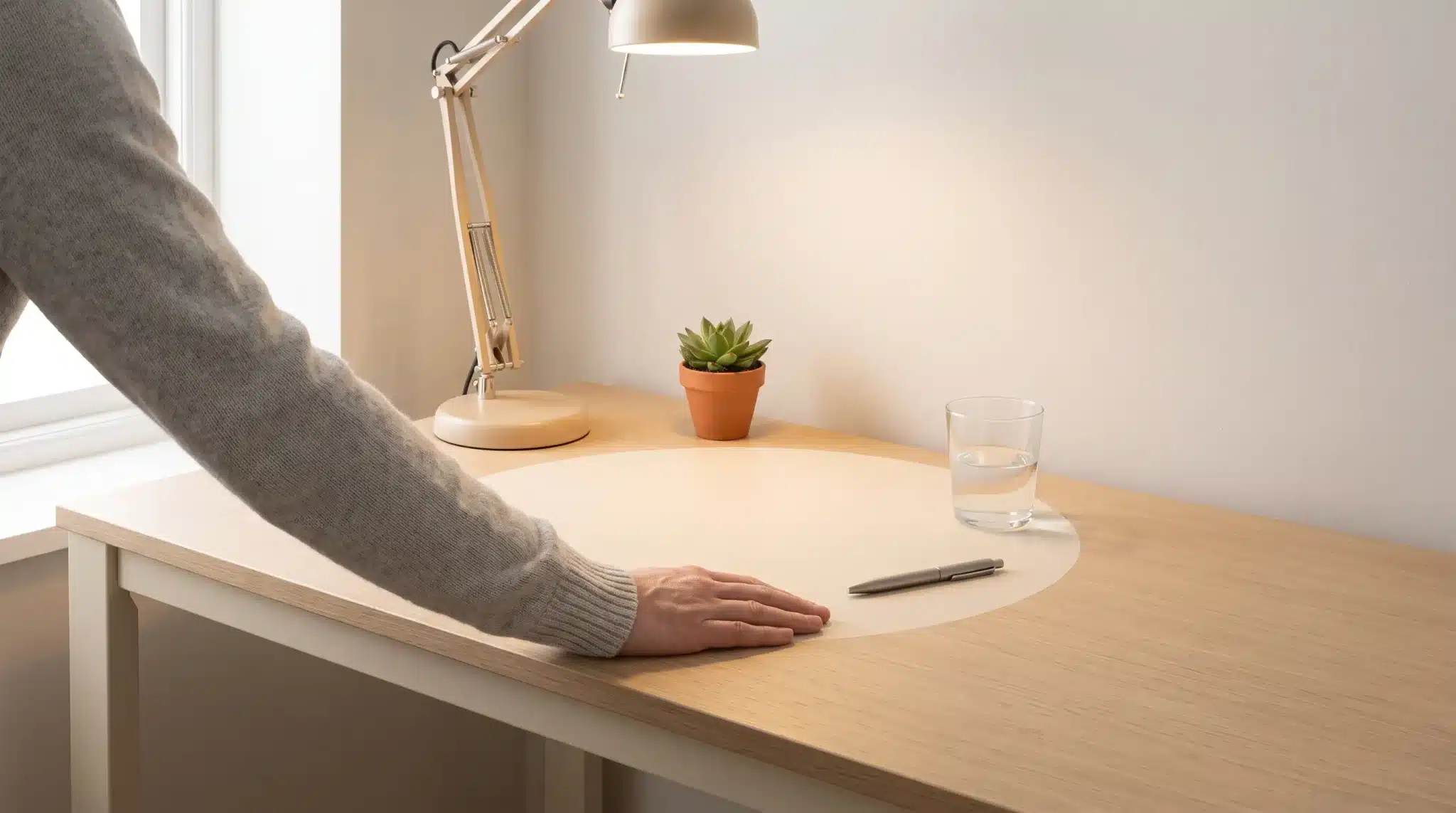
Most people want a home that feels calm, clean, and put-together without looking like it belongs in a magazine no one actually lives in.
That’s exactly what Scandinavian furniture style delivers.
It strips away the excess and keeps only what works: simple lines, natural materials, and a quiet sense of warmth that makes any space feel livable.
So what is Scandinavian furniture style, really? And why do so many people keep coming back to it?
Read on to find out!
What is Scandinavian Style?
Scandinavian style is a popular interior design style that originated in Northern European countries such as Denmark, Sweden, and Norway.
This style focuses on minimalism while still creating warm and welcoming spaces through natural materials, soft textures, and lighting.
Scandinavian interiors also maximize natural light to make rooms feel bright and open.
The idea behind this design is to combine beauty with practicality, allowing people to enjoy modern spaces that are both stylish and easy to live in every day.
Key Characteristics of Scandinavian Furniture Style
Scandinavian furniture style is loved for its simplicity, comfort, and functional design. Here are the key characteristics that define this classic interior style.
1. Minimalist Design
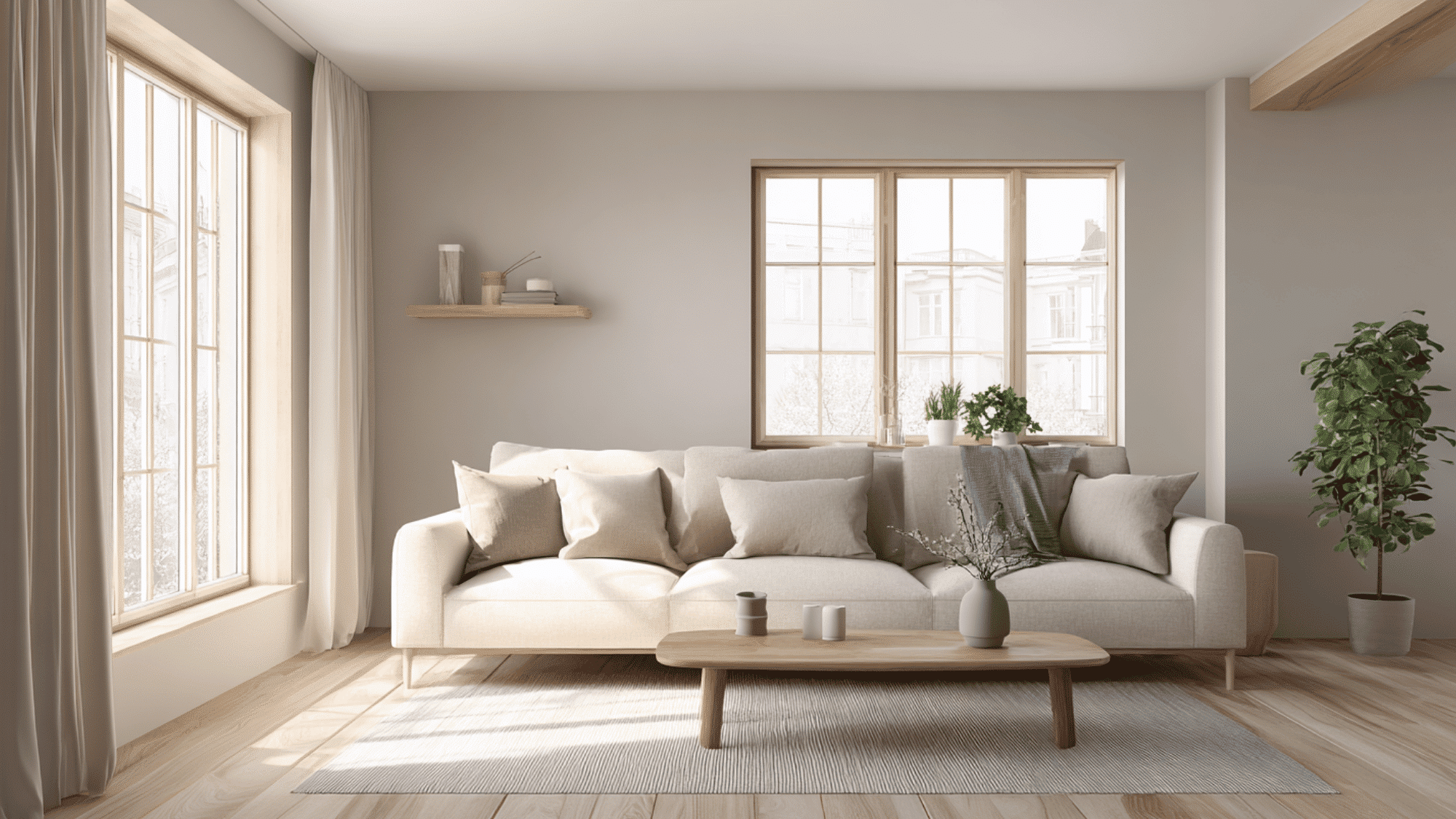
Scandinavian minimalist design focuses on uncluttered spaces and clean, efficient silhouettes that create a calm and relaxing atmosphere.
Furniture pieces usually have smooth lines and practical shapes without extra decoration. This style avoids unnecessary items and keeps interiors open, airy, and easy to maintain.
The result is a modern space that feels comfortable, functional, and visually balanced.
2. Functional Furniture
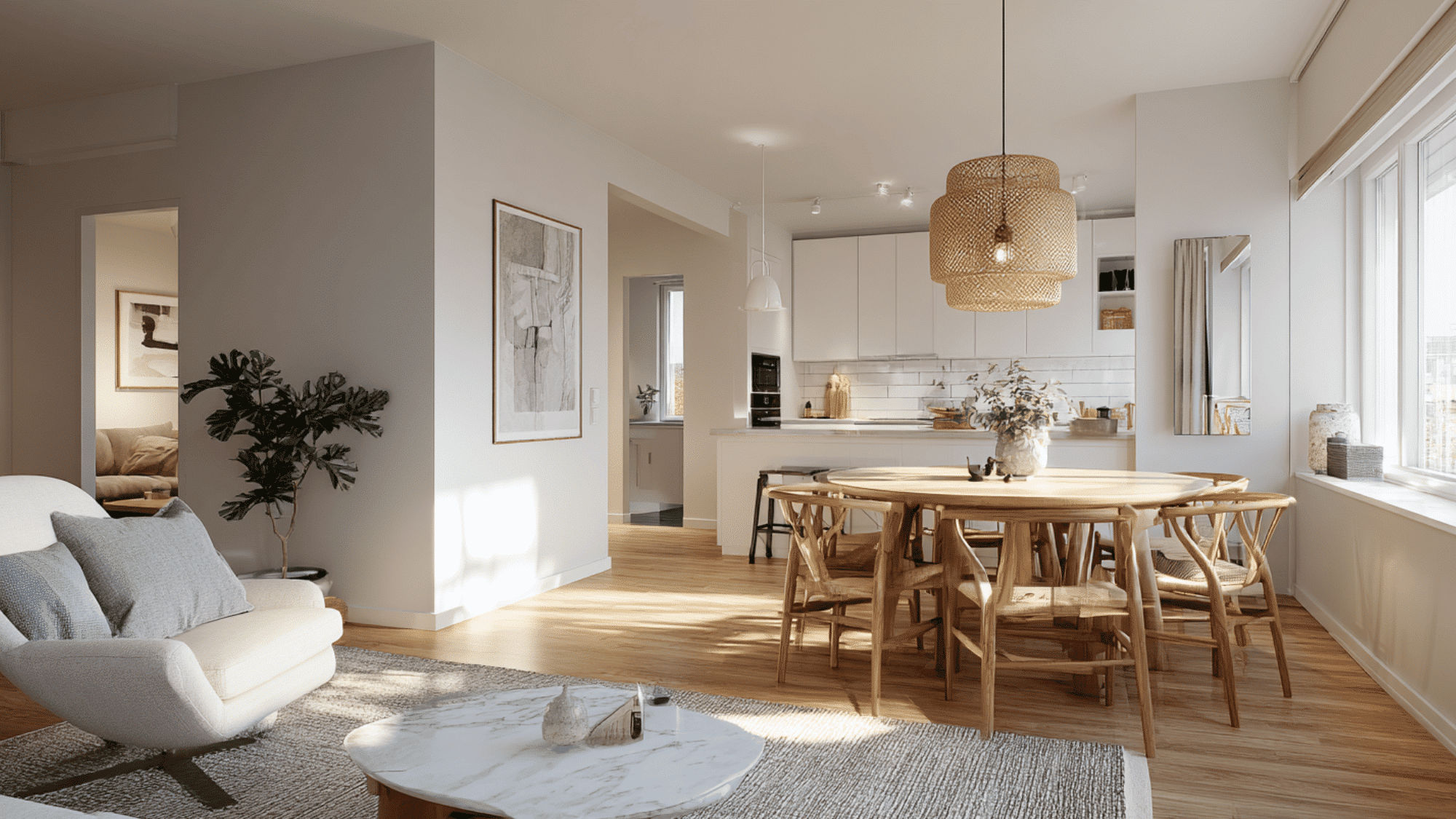
Scandinavian furniture is designed to be practical, comfortable, and easy to use in daily life. Multi-purpose furniture helps save space while keeping rooms organized and functional.
Practical layouts make movement simple and create a clean, open feel.
Ergonomic design also plays an important role by providing comfort and support, making Scandinavian interiors both stylish and comfortable for modern living.
Suggested: If you want to see this approach in action, these warm minimalist living room ideas show exactly how to get that cozy-yet-uncluttered balance right.
3. Natural Materials
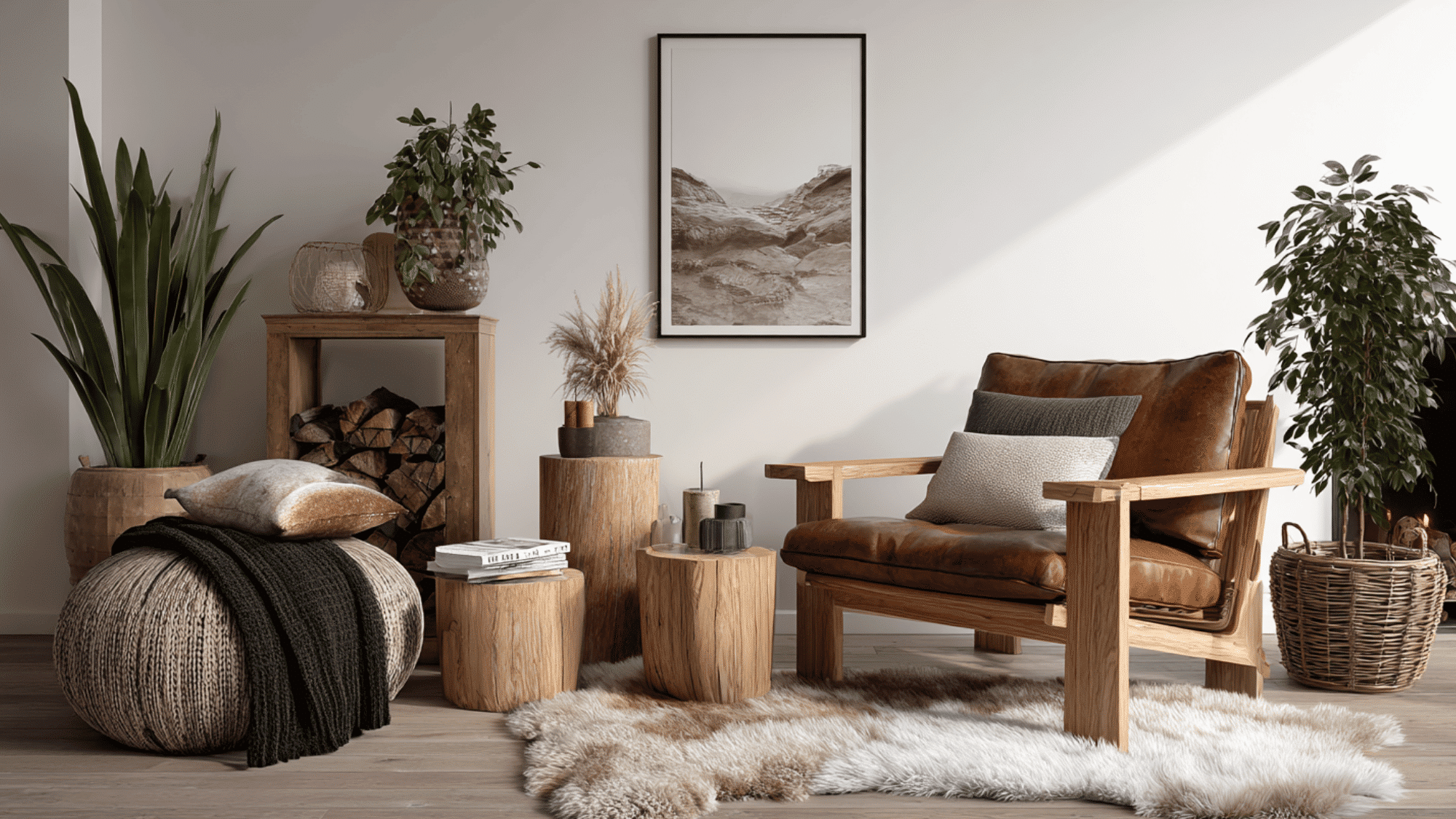
Scandinavian furniture uses natural materials such as oak, pine, and teak to create a warm, classic look. Soft materials such as wool, leather, and linen add comfort and texture to the space.
These materials are durable, simple, and closely connected to nature. Together, they help create bright, cozy, and functional interiors that feel peaceful, inviting, and easy to live in.
4. Neutral Color Palette
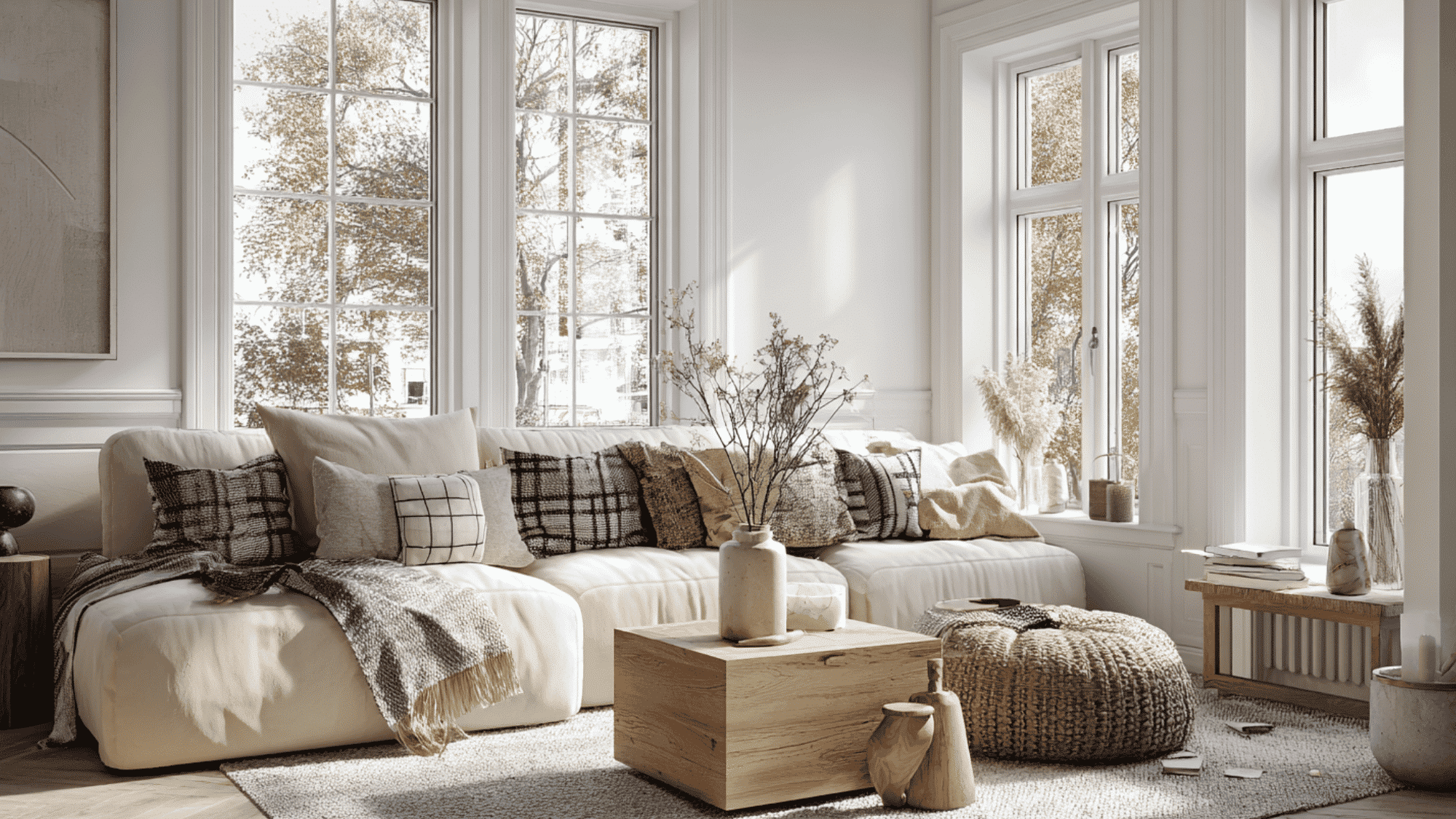
Scandinavian interiors mainly use colors such as white, beige, gray, and soft, earthy tones to create a peaceful, relaxing atmosphere. These shades help reflect natural light and make spaces feel bright, open, and airy.
Neutral colors also give rooms a clean and evergreen look that never feels overwhelming.
Combined with natural materials and simple decor, these tones create a cozy, modern, and comfortable living environment.
5. Bright & Airy Spaces
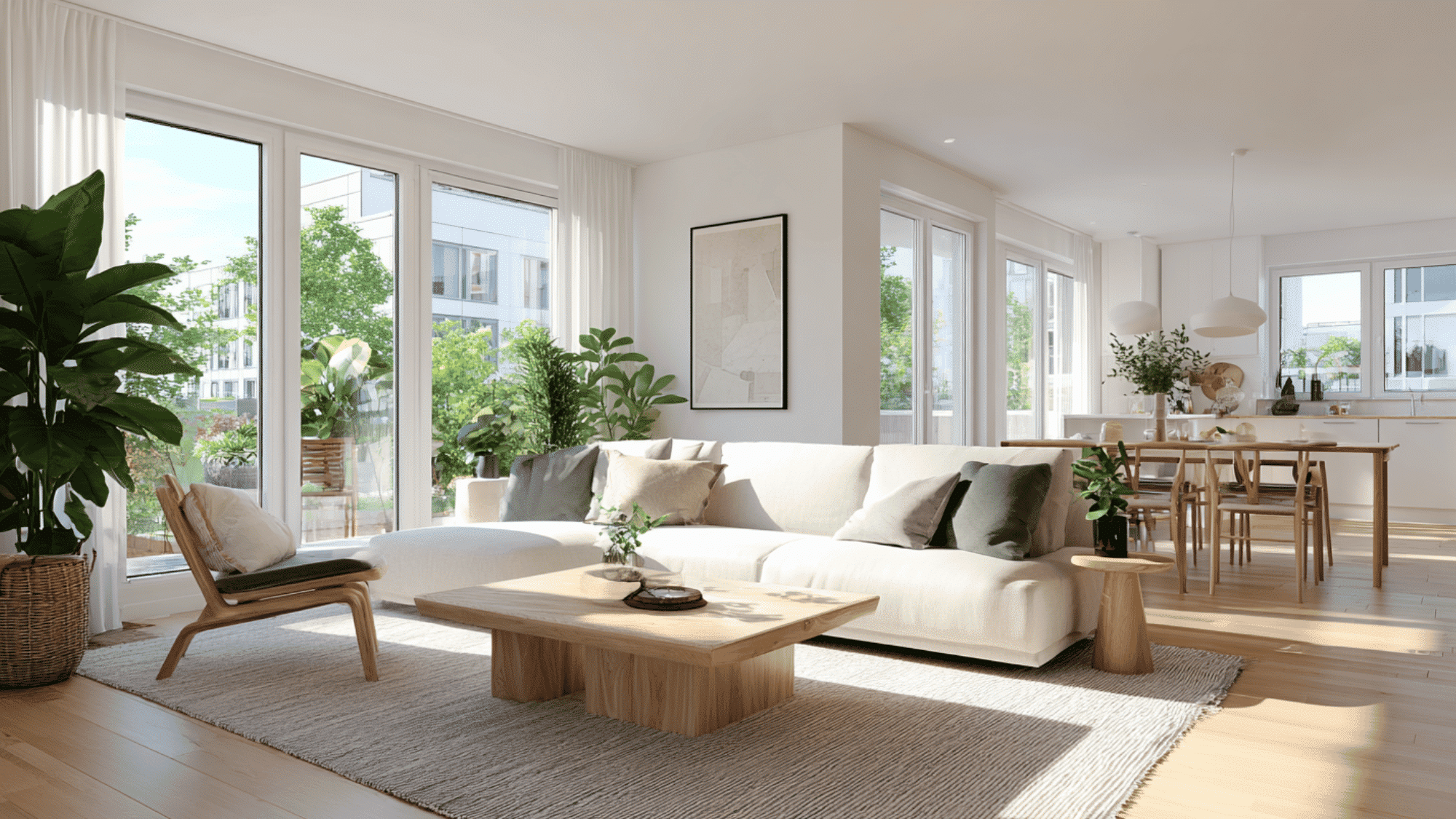
Scandinavian homes are designed to maximize natural light through large windows, space planning, and simple interiors.
Bright spaces help rooms feel bigger, fresher, and more welcoming, especially during long winter seasons in Northern Europe.
Open floor plans also improve movement and create a clean, airy atmosphere. This focus on light and space makes Scandinavian interiors feel soft, modern, and comfortable for everyday living.
6. Cozy Hygge Atmosphere
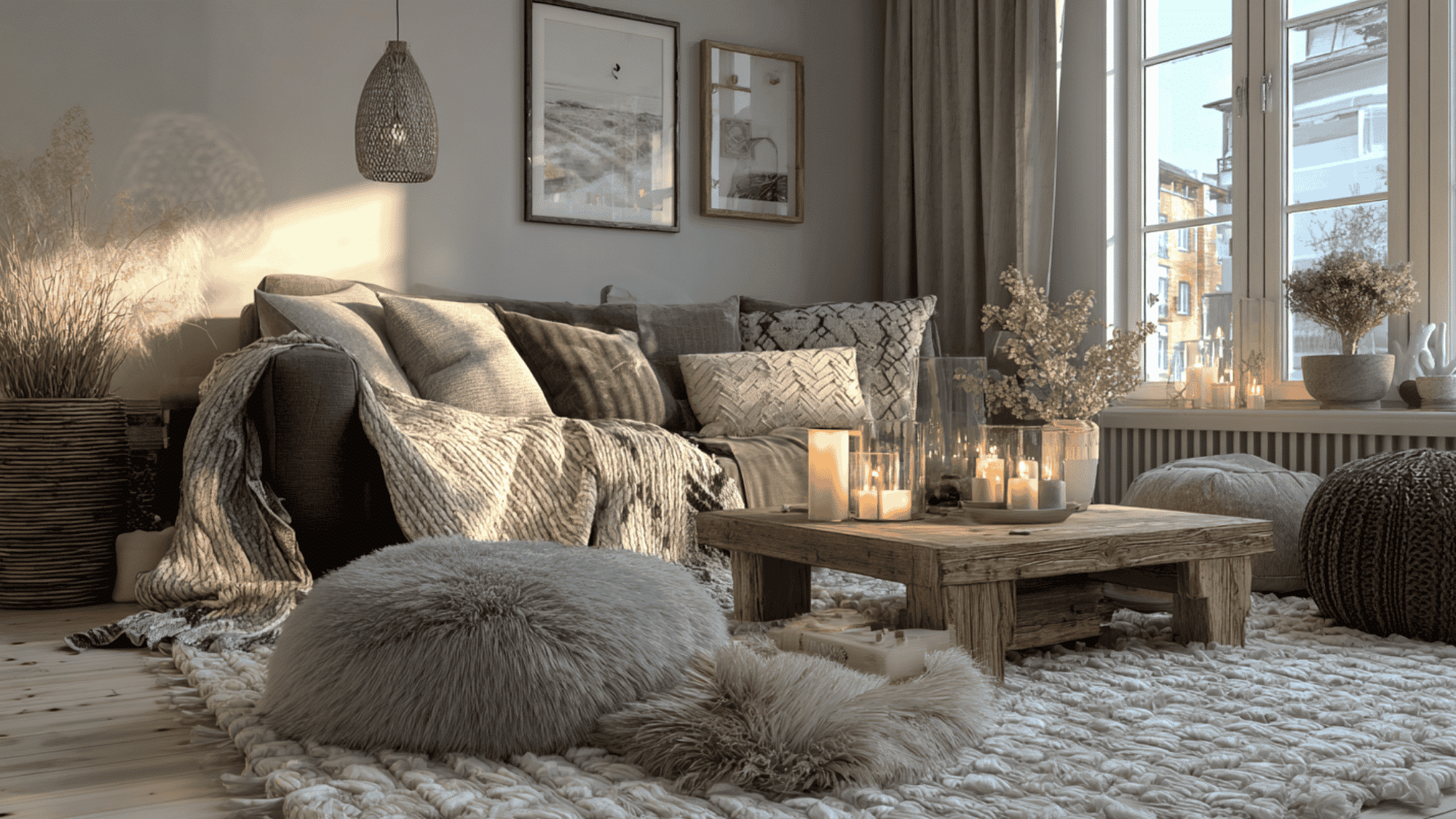
“Hygge” is a Scandinavian concept that focuses on comfort, warmth, and feeling relaxed at home. Soft textures like wool blankets, cushions, rugs, and layered fabrics help create this cozy atmosphere.
Hygge makes Scandinavian interiors feel welcoming, peaceful, and comfortable while still keeping the space simple, modern, and uncluttered.
Scandinavian Vs Nordic Design: What’s the Difference
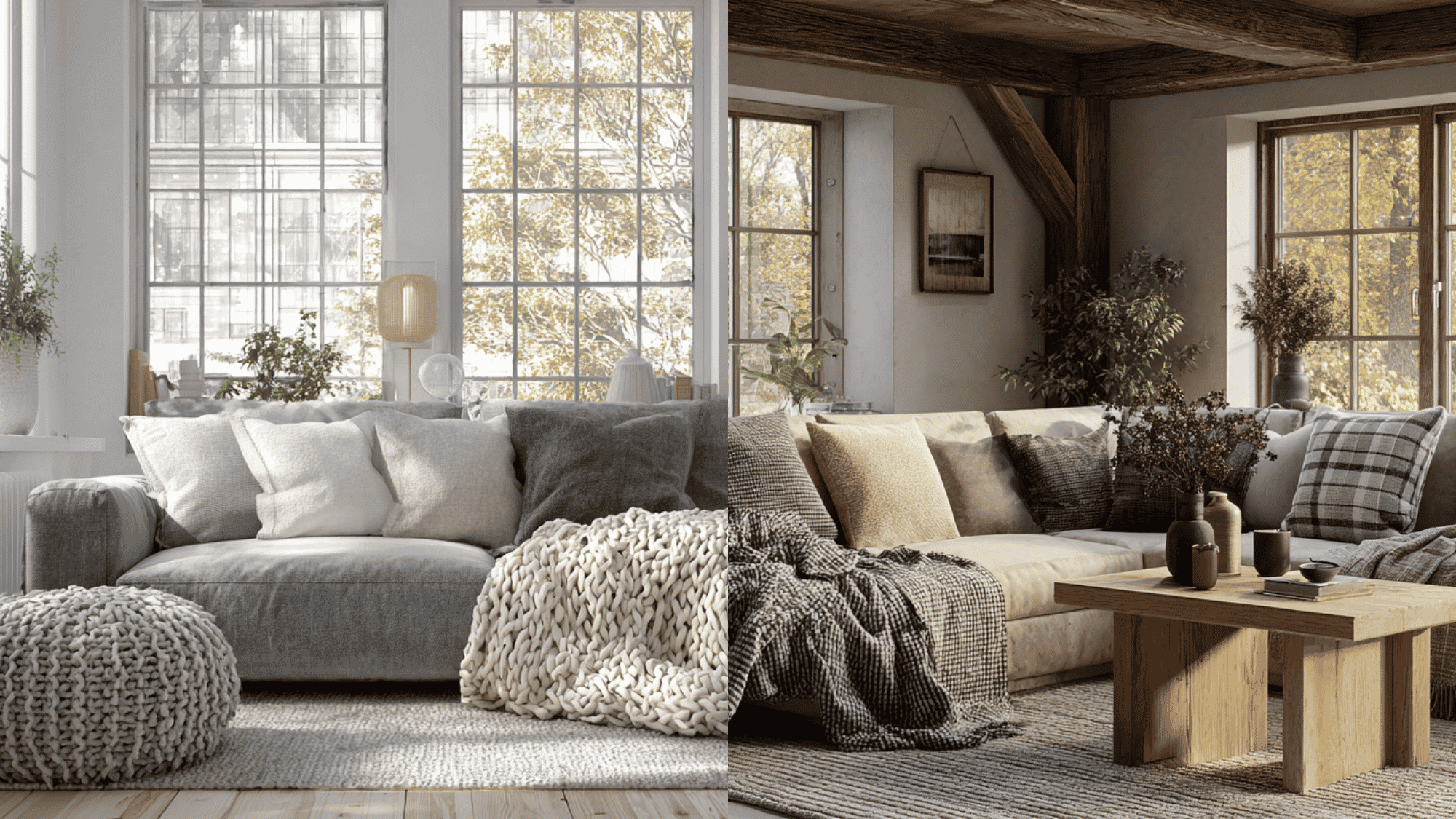
Scandinavian and Nordic design are often used interchangeably, but they differ in style and regional influences. Here is a detailed comparison to help you better understand Scandinavian vs. Nordic design.
| Feature | Scandinavian Design | Nordic Design |
|---|---|---|
| Region | Denmark, Norway, and Sweden | Includes Denmark, Norway, Sweden, Finland, and Iceland |
| Style | Sleek, minimalist, modern, and functional | Broader style with rustic and traditional influences |
| Colors | Bright neutrals like white, beige, and gray | Earthier and warmer tones |
| Furniture | Clean-lined and simple furniture | More textured and layered furniture styles |
| Materials | Focus on minimal natural materials | Mix of natural, rustic, and cozy materials |
| Atmosphere | Airy, bright, and uncluttered | Warm, cozy, and inviting |
Famous Scandinavian Furniture Designers
Scandinavian furniture design has been shaped by many talented designers known for their simple, functional, and evergreen creations.
- Arne Jacobsen: Arne Jacobsen is famous for iconic designs like the Egg Chair and Swan Chair, which brought sleek modernism to Scandinavian interiors.
- Hans Wegner: Hans Wegner created the popular Wishbone Chair, known for its simple craftsmanship, comfort, and evergreen wooden design.
- Alvar Aalto: Alvar Aalto played a major role in Finnish modernism and became known for innovative bentwood furniture with organic shapes.
- Finn Juhl: Introduced sculptural furniture designs that combined artistic expression with comfort and functionality.
- Influence on Modern Interiors: These Scandinavian designers shaped modern interior design through iconic furniture pieces that continue to inspire minimalist, functional spaces worldwide.
Final Thoughts
At its core, Scandinavian furniture style comes down to simplicity, function, and a deep respect for natural materials.
It’s not about making a space look good for guests; it’s about making it feel right for the people who actually live there every day.
And knowing Scandinavian vs Nordic countries’ furniture style clears up a lot of confusion. Scandinavian refers specifically to Sweden, Norway, and Denmark, while Nordic is a broader term.
That distinction shapes everything from the materials used to the mood a room creates. This design style has lasted decades for a reason.