A worn-out shower quickly shows its age, whether through weak pressure or temperatures that drift without warning. You notice it most on busy mornings, when you need to get out the door quickly. You don’t need a full refit to fix these frustrations. With a bit of planning and a practical approach, you can upgrade your shower yourself and enjoy a more consistent, comfortable routine. You also reduce water waste and improve usability, which makes a real difference while protecting your budget.
Assessing Your Existing Plumbing and Water Pressure
Start by identifying your water system. A combi boiler delivers mains pressure, while a gravity-fed system often struggles to maintain a strong flow. Test your pressure by filling a one-litre jug from the cold tap; if it takes longer than six seconds, you likely have low pressure. Also, look closely at your pipework. Narrow or older pipes can restrict flow, and limescale can build up inside fittings over time. If your shower loses temperature when someone uses another tap, your system lacks balance. This kind of issue points you towards thermostatic controls, which stabilise temperature even when demand changes elsewhere in the house.
Choosing the Right Shower System and Components
Your choice should reflect how your plumbing performs, not just what looks appealing. Electric showers suit low-pressure homes because they heat water directly, avoiding reliance on stored hot water. Mixer showers work best where you have steady pressure from both hot and cold supplies. Think about how you use your shower day to day. A fixed head works well in a smaller space, while a handheld attachment helps with cleaning or rinsing. Thermostatic controls add comfort by keeping the temperature steady. Choosing practical features means you spend less time adjusting settings.
Installation Basics and Safety Considerations
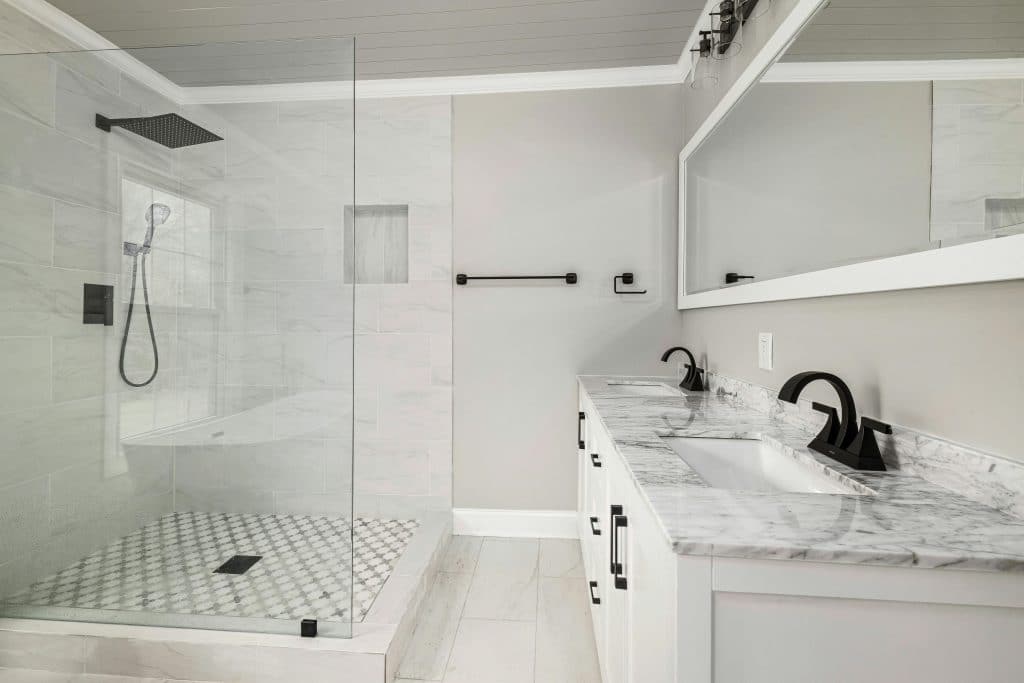
Turn off the water supply before starting any work. Plan your layout carefully, especially if you want to install a concealed shower valve, for example, as this requires space within the wall and accurate positioning. Check for hidden cables or pipes before drilling and use reliable fittings such as compression joints to reduce the risk of leaks. When you reconnect the system, bring the water back gradually and inspect each joint. Careful installation prevents small leaks that can cause damage behind walls.
Regulations, Standards, and When to Call a Professional
You must follow UK water and electrical regulations when upgrading a shower. Certain installations, especially those involving electrics in bathrooms, need to comply with specific safety zones and may require certification. Know your limits. If your system shows signs of uneven pressure throughout the house or you need to alter boiler connections, a professional can handle these tasks more safely and efficiently. Bringing in help at the right stage often avoids costly mistakes.
Small Changes, Noticeable Results
When you take the time to understand your shower set-up and make considered choices, you turn a basic upgrade into a lasting improvement. You create a setup that works reliably with your home and your routine. Small decisions, such as selecting the right controls or installing fittings carefully, shape how your shower performs every day. Approach the project with patience and attention, and you end up with a result that feels dependable.
Improving Efficiency with Thermostatic Controls
A fluctuating shower temperature usually leads to wasted water while you wait for adjustments. Thermostatic controls help avoid this by automatically balancing hot and cold inputs to maintain a set temperature. Once you find your preferred setting, the system responds instantly when water pressure changes elsewhere in the house.
This is especially useful in households where taps or appliances are used at the same time. Beyond comfort, thermostatic controls help reduce water and energy waste by limiting the need to constantly correct the flow. As a DIY upgrade, exposed thermostatic bar valves are relatively straightforward to install and offer a noticeable improvement without major plumbing changes.
Upgrading the Shower Head and Hose
One of the simplest upgrades you can make is replacing the shower head. Modern designs improve coverage while using less water, making them an efficient alternative to older fittings. Limescale‑resistant nozzles also reduce maintenance and help keep flow consistent over time.
Check the hose while you are there. A worn or internally collapsed hose can restrict flow, even when pressure is adequate elsewhere in the system. Swapping both components together ensures smooth water delivery and avoids chasing problems later. These upgrades require minimal tools but can significantly improve everyday performance.
Understanding Electrical Safety in Bathroom Spaces
Bathrooms are classed as high‑risk environments when it comes to electricity, which is why strict rules apply to what can be installed and where. Electric showers, in particular, must sit within defined safety zones and be protected by suitable circuit protection. These requirements are designed to reduce the risk of electric shock where water and wiring exist in close proximity.
If your upgrade involves replacing an existing electric shower, ensure that the power rating matches the existing circuit. Any changes to wiring, circuit capacity, or protective devices should be handled by a qualified electrician. Knowing where DIY stops protects both your safety and your home’s compliance.
Testing, Adjusting, and Ongoing Maintenance
Once everything is installed, proper testing makes the difference between a short‑term fix and a lasting upgrade. Turn the water on slowly and run the shower through its full temperature range. Check for leaks around joints, valves, and connections, paying attention to concealed areas where small drips can go unnoticed.
Over time, routine maintenance keeps performance consistent. Cleaning filters, descaling shower heads, and checking seals help your new components work as intended. Small checks every few months prevent gradual issues and extend the lifespan of the upgrade, keeping your shower reliable long after installation.