Flipping a house is pure chaos; subs show up late, materials pile up, and nothing can be found right when it’s needed. Portable storage isn’t just for moving; it’s a sanity saver. Keep the workspace clear, and suddenly the whole project feels doable.
Why Your Garage Won’t Cut It
Before you even swing a sledgehammer, you need a hard conversation with yourself about storage. Most DIY flippers think, “I’ll just pile everything in the spare bedroom,” or “The garage has room.” No, it doesn’t. Within two weeks, that spare bedroom becomes an obstacle course, and the garage becomes a tomb for appliances you forgot you owned.
Here’s the move: order a portable storage unit before demolition day. Park it on the driveway or the street. Then, spend a weekend purging.
- Sort the house into three zones: Keep (for after the flip), Donate/Sell, and Landfill.
- Load the “Keep” items into the portable unit immediately. Furniture you’re retaining, holiday decorations, off-season clothes; anything not needed for daily life during the flip goes in.
- Set up a staging area for tools and daily-use supplies inside the house (one rolling cart for drills, levels, and tape). Everything else? Outside.
The Dynamics of Mid-Renovation
What solves this chaos is bringing in secure portable storage units that come in a variety of sizes to meet the needs of any move, renovation, and accessibility requirements. For larger flips, many contractors and DIY homeowners also consider shipping containers for storage because they provide a secure, weather-resistant place to keep tools, flooring, cabinets, fixtures, and other materials close to the worksite. With a container parked outside, an airlock system forms between supplies and the work zone.
- Use the unit as a buffer zone for phased materials. Week 1: load flooring and underlayment. Week 3: swap in vanity tops, faucets, and light fixtures. Only bring what’s needed for that day into the house.
- Protect expensive finishes from dust. Store new cabinets, doors, and trim in the container until all drywall sanding and painting is done.
- Create a subcontractor library. Give each trade a plastic bin; wire nuts for the electrician, fittings for the plumber.
- Lock it at night. Secure steel keeps tools safe without sleeping on-site with a baseball bat.
Access takes 30 seconds, rain or shine. No more hauling lumber through mud from a backyard shed.
From Hoarding to Just-in-Time Delivery
One of the biggest mistakes DIY flippers make is hoarding. They buy everything on Day 1 because they’re afraid of running out. Then they spend the next three months moving a pallet of drywall compound from room to room. Portable storage fixes this by encouraging a “just-in-time” mentality without the stress of daily delivery fees.
- Order materials in waves. Week 1-2: Demo tools, dumpsters, rough lumber. Week 3-4: Drywall, mud, tape. Week 5-6: Paint, trim, flooring. Deliver each wave directly into the portable unit, not the house.
- Keep a manifest on the inside of the unit door (whiteboard and marker). List every box, its contents, and which room it belongs to. Update it every evening. It takes 90 seconds and saves four hours of hunting.
- When a subcontractor calls and says, “I’ll be there tomorrow,” you walk outside, grab their specific bin, and set it in the room they’ll work in. The night before. No frantic 7 AM store runs.
Waste Management
Flipping creates a ridiculous amount of waste. Old carpet, busted drywall, broken tile, packaging; it multiplies like gremlins. Nothing kills momentum like a mountain of trash sitting in what’s supposed to be the finished kitchen.
- Put a dumpster or Bagster next to the storage unit. One for fresh materials, one for debris. Keep them at opposite ends of the driveway so nobody accidentally grabs nails from the dumpster.
- Use small daily debris bins inside the house. Haul them to the dumpster every evening. Trash never sits longer than 24 hours. A clean site is a safe site.
- Break down cardboard immediately when cabinets or appliances arrive. Toss it right away. Empty boxes don’t belong in the unit; that space is for incoming goods, not outgoing trash.
Simple rule: one cubic foot of materials in, one cubic foot of debris out. The storage container becomes a revolving door, not a landfill.
Working Around the Weather and Neighbors
The weather is a wild card. Rain soaks lumber left on the lawn. Snow buries the tile saw. And neighbors? They hate dumpsters blocking their view and crews parking on their side of the street. A little forethought with portable storage fixes both.
- Park the unit within 10 feet of the main work entrance. Back door or garage. Every saved step keeps energy up.
- Use tarps and bungees for rainy days. Rig a tarp over the open door to create a covered workstation. No more getting soaked while cutting or assembling.
- Talk to neighbors upfront. Explain that the container will be there for 8–12 weeks. Leave a phone number. Courtesy prevents angry calls to code enforcement.
- On tight city lots, go small. A 12-foot container fits where a 20-foot one won’t. Measure the driveway and the delivery truck’s turning radius first.
Accessibility isn’t just convenience. It’s what keeps a project moving when motivation is already underwater after the third storm of the month.
Clean Exit and Resale Ready
The final two weeks of a flip are a blur: touch-ups, cleaning, staging. This is where portable storage earns its keep one last time. As each room finishes, the container should be emptying, not filling.
- Make a move-back schedule. On day one of the last month, list everything still in the unit. Decide: back into the house, donate, or next project?
- Use the unit as a staging overflow. Keep bulky extras, like extra chairs, seasonal decor, inside. Swap pieces until the house looks perfect.
- Schedule pickup for the day after the final walkthrough. Not sooner (last-minute materials need a home). Not later (no need to pay extra rent).
- Sweep the parking spot clean. Patch divots, pressure-wash stains. Leave it cleaner than before. Good karma and good for the security deposit.
When the truck hauls away that empty steel box, there’s a surprising lightness. The house is done. The mess is gone. For the first time in months, the whole vision stands clear; floor to ceiling, stud to finish.
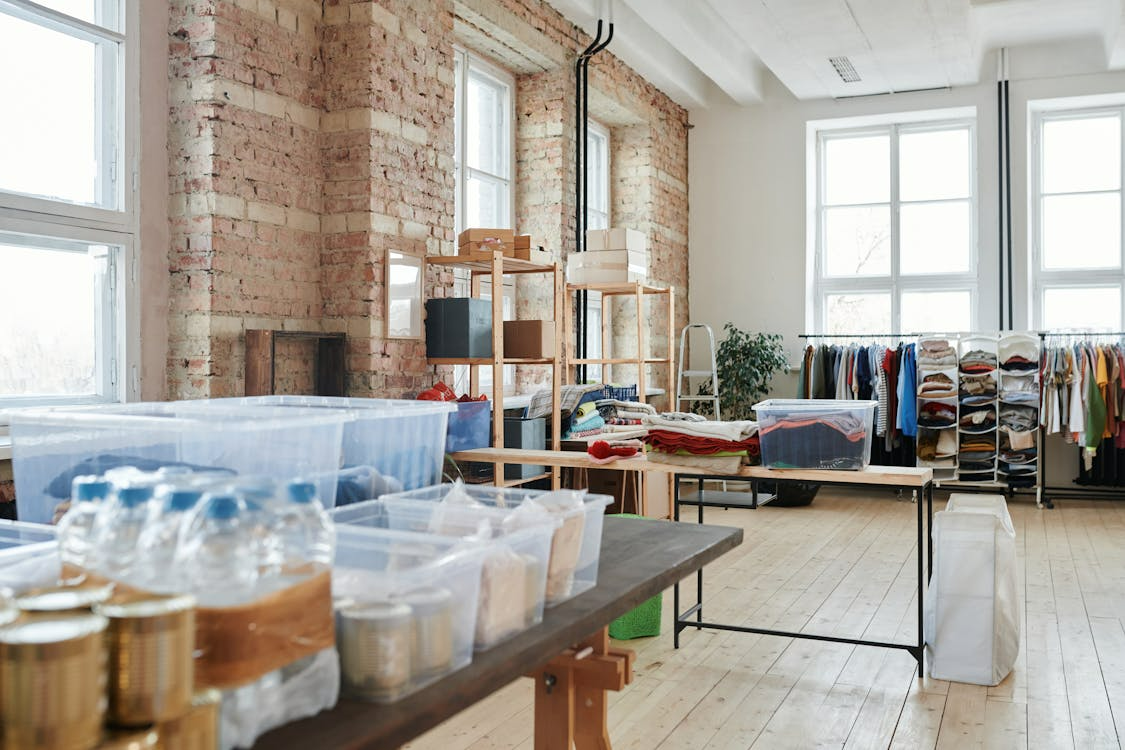
That’s the real win of using portable storage. Not just organizing a flip. But finishing it with enough sanity left to actually enjoy the “after” photo.