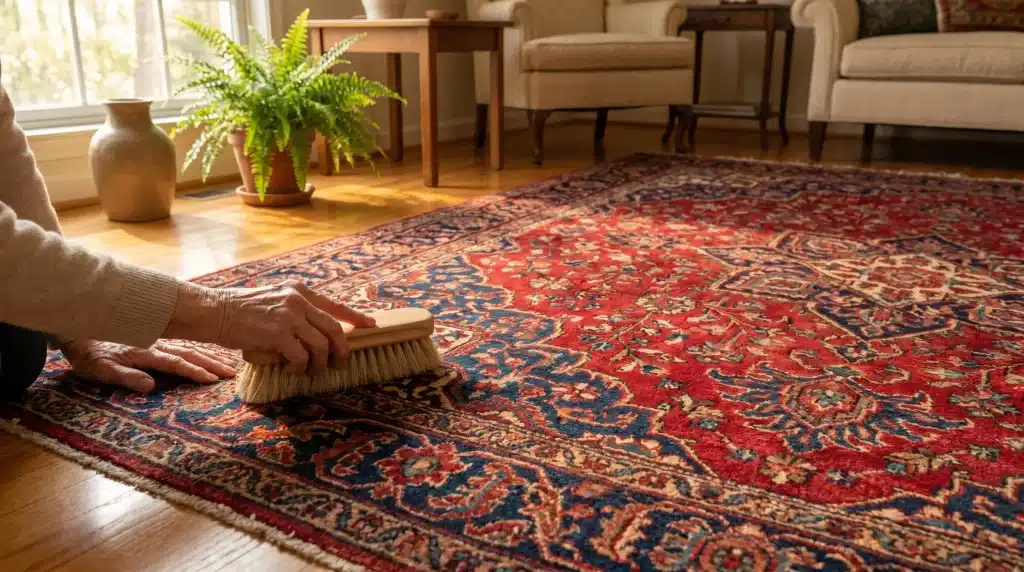
Oriental rugs are more than decorative pieces—they are handcrafted investments that carry cultural, artistic, and financial value. Made from natural fibers and often dyed with delicate, organic pigments, these rugs require thoughtful care to maintain their beauty and longevity.
Unlike mass-produced rugs, Oriental rugs respond differently to cleaning, moisture, and wear, which means improper care can lead to fading, fiber damage, or structural deterioration. This guide explains how to care for Oriental rugs properly, combining everyday maintenance with expert recommendations to help preserve them for years to come.
Understanding What Makes Oriental Rugs Different
Oriental rugs are typically hand-knotted using natural materials such as wool, silk, or cotton. Their dyes are often plant-based or naturally derived, which gives them rich, unique color variations—but also makes them more sensitive to harsh cleaning methods and environmental factors.
Natural Fibers Require Gentle Care
Wool, the most common material, is durable but absorbent. It can trap dirt deep within the fibers, which helps keep the surface looking clean but requires proper maintenance to prevent buildup. Silk rugs, on the other hand, are extremely delicate and can be permanently damaged by moisture or aggressive handling.
Handmade Structure Matters
Unlike machine-made rugs, Oriental rugs have a foundation that can be affected by improper cleaning or excessive moisture. Over time, neglect or incorrect care can weaken the structure, leading to fraying, distortion, or uneven wear.
Understanding these characteristics is the first step in caring for your rug correctly.
Daily and Weekly Maintenance Practices
Consistent maintenance is the most effective way to extend the life of an Oriental rug. Dirt and debris may seem harmless, but over time, they act like abrasives that wear down fibers.
Proper Vacuuming Techniques
Vacuum regularly, but carefully. Use a suction-only vacuum or disable the beater bar to avoid pulling or damaging fibers. Always vacuum in the direction of the pile rather than against it.
Rotating the Rug
Foot traffic and sunlight exposure are rarely even across a room. Rotating your rug every few months helps distribute wear and prevents certain areas from fading or thinning faster than others.
Managing Dirt Before It Settles
Placing rugs in high-traffic areas means they will collect more debris. Using entry mats and removing shoes indoors can significantly reduce the amount of dirt that reaches your rug.
Routine care like this minimizes the need for aggressive cleaning later.
Why Professional Cleaning Is Essential for Oriental Rugs
Even with regular maintenance, Oriental rugs require deep cleaning over time to remove embedded dirt, allergens, and residues that vacuuming cannot reach. This is where professional expertise becomes critical.
Many homeowners attempt to clean their rugs themselves, but without the right knowledge and equipment, this can lead to over-wetting, dye bleeding, or fiber damage. Oriental rugs are made with natural fibers and delicate dyes, so cleaning methods need to be adjusted carefully to avoid long-term issues. For deeper cleaning, professional rug cleaning in Los Angeles is often the safest way to remove buildup without affecting the rug’s structure or color.
What Professional Cleaning Involves
Professional cleaning typically includes:
- Detailed inspection of fibers and dyes
- Dust removal from deep within the rug
- Controlled washing using fiber-safe solutions
- Careful drying to prevent shrinkage or mold
These processes are designed to clean thoroughly without compromising the rug’s integrity.
When to Schedule Professional Cleaning
Most Oriental rugs benefit from professional cleaning every 12 to 24 months, depending on usage. Homes with pets, children, or high foot traffic may require more frequent care.
Professional cleaning not only restores the rug’s appearance but also preserves its structure and extends its lifespan.
How to Handle Spills and Stains Safely
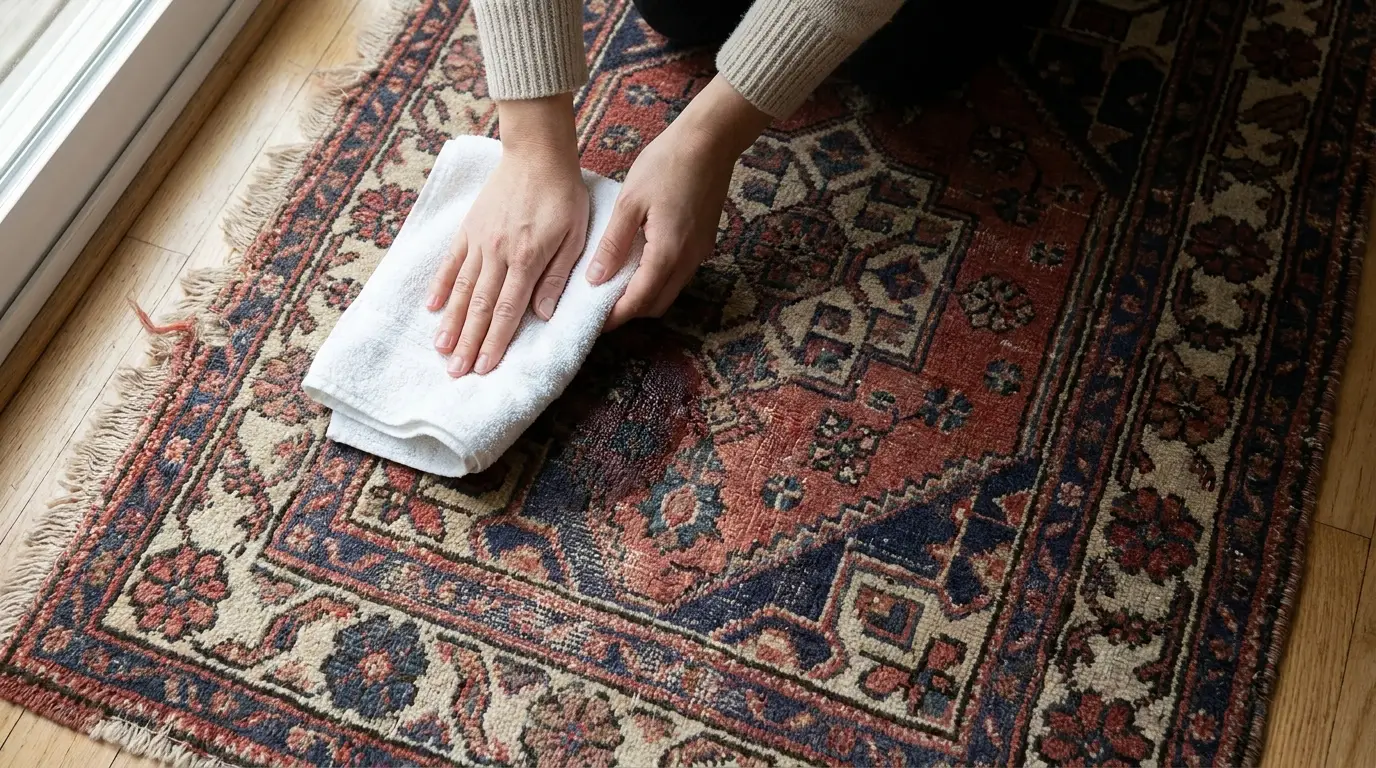
Spills are inevitable, but how you respond makes all the difference. Acting quickly can prevent a stain from becoming permanent.
When a spill occurs, gently blot the area with a clean, dry cloth. Avoid rubbing, as this can push the stain deeper into the fibers and spread it further. If needed, use a lightly damp cloth, but avoid over-wetting the rug.
Harsh cleaning products should be avoided, especially on natural fibers. Safe cleaning practices and product selection are important, as outlined by the American Cleaning Institute.
Immediate Response Matters
When a spill occurs, gently blot the area with a clean, dry cloth. Avoid rubbing, as this can push the stain deeper into the fibers and spread it further.
Use Minimal Moisture
If needed, lightly dampen a cloth with water and continue blotting. Avoid pouring water directly onto the rug, as excessive moisture can reach the foundation and cause long-term damage.
Avoid Harsh Cleaning Products
Store-bought cleaners, especially those with strong chemicals, can damage natural dyes and fibers. Mild, pH-balanced solutions are safer, but even these should be used sparingly and tested first.
For stubborn or large stains, professional treatment is often the safest option.
Protecting Oriental Rugs from Sunlight and Environmental Damage
Environmental factors play a significant role in how well an Oriental rug ages. Sunlight, humidity, and temperature changes can all affect its condition.
Sunlight and Color Fading
Direct sunlight can cause colors to fade unevenly over time. Positioning rugs away from intense sunlight or using window treatments can help preserve their vibrancy.
Moisture and Humidity Risks
Excess humidity can lead to mold growth, while very dry conditions can make fibers brittle. Maintaining a balanced indoor environment helps protect the rug’s structure.
Proper Storage Techniques
If you need to store an Oriental rug, it should be cleaned first, then rolled (not folded) and wrapped in breathable material. Avoid plastic wrapping, as it can trap moisture.
Common Mistakes That Damage Oriental Rugs
Many well-intentioned cleaning habits can actually harm Oriental rugs over time.
Over-Cleaning or Using Too Much Water
Excessive moisture is one of the biggest risks. It can weaken the foundation and lead to mold or odor issues.
Scrubbing or Aggressive Cleaning
Scrubbing damages fibers and distorts the rug’s texture. Gentle blotting is always the safer approach.
Using Inappropriate Cleaning Products
Harsh chemicals, bleach, and high-alkaline cleaners can cause permanent discoloration and fiber damage.
Ignoring Regular Maintenance
Skipping routine care allows dirt to build up, increasing wear and making future cleaning more difficult.
Avoiding these mistakes is just as important as following proper care techniques.
Long-Term Care and Preservation Tips
Caring for an Oriental rug is an ongoing process that combines daily habits with periodic professional attention.
Regular vacuuming, prompt spill response, and controlled environmental conditions all contribute to preserving the rug’s appearance and structure. Adding a high-quality rug pad can also provide cushioning, reduce wear, and improve airflow underneath the rug.
Over time, even well-maintained rugs may show signs of wear. Addressing small issues early—such as loose threads or minor damage—can prevent more significant problems later.
Final Thoughts
Oriental rugs are timeless pieces that deserve careful attention and proper care. Their natural materials, handcrafted construction, and unique designs make them both valuable and sensitive to improper handling.
By combining regular maintenance with professional cleaning when needed, you can protect your rug from damage, maintain its beauty, and extend its lifespan for generations.