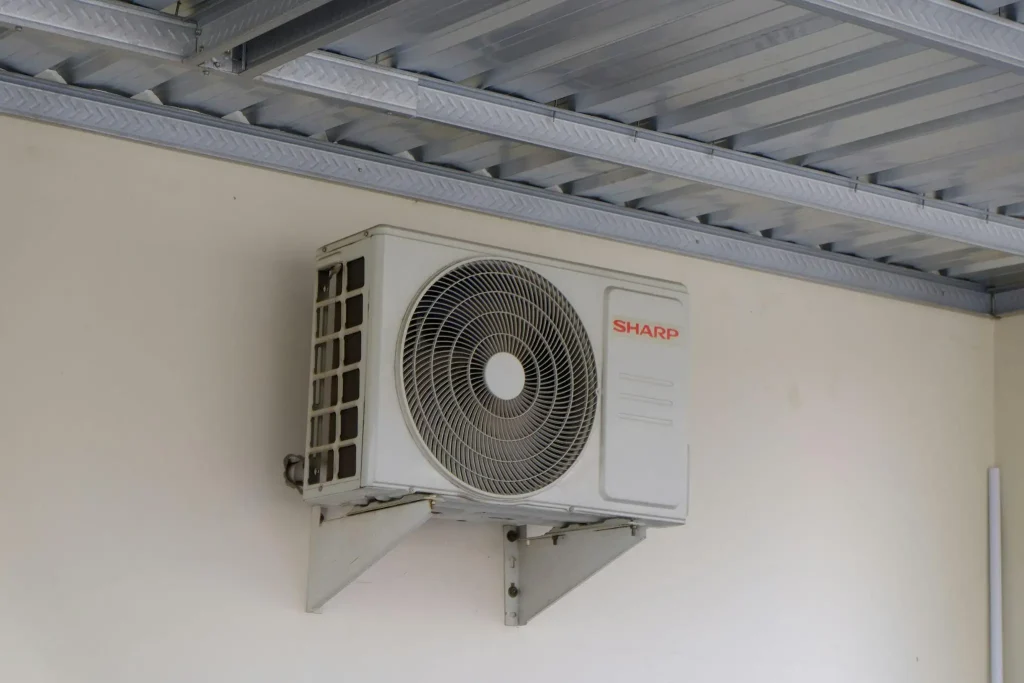
Your AC is running like it normally does, you hear the hum, the fan kicks in but somehow the air still feels warm. It’s the kind of thing you notice right away, especially on a hot afternoon in San Jose.
At that point, it’s hard not to wonder if it’s something small or the start of a bigger, more expensive issue. It really does end. Sometimes it comes down to things like low refrigerant symptoms, limited airflow, or even a setting that’s slightly off.
If you’ve already taken a quick look and nothing seems to fix it, it may be time to bring in a trusted local AC repair specialist before it turns into a bigger problem.
How Your Air Conditioner Is Supposed to Cool Your Home
Your AC removes heat from your home. Warm air passes over cold coils filled with refrigerant. That heat gets absorbed, and cooler air is sent back through your vents. The heat ends up outside through the condenser unit.
This heat-transfer process is essential for efficient cooling and depends heavily on proper airflow and refrigerant levels.
When something interrupts that process, like poor airflow or low refrigerant, you’ll feel it right away. The system keeps running, but the room doesn’t cool down as it should.
Reason 1 – Dirty or Clogged Air Filter
This is one of the most common air filter AC problems. When the filter is packed with dust, airflow drops. Less air reaches the coils, and cooling slows down.
You might notice:
- Weak airflow from vents
- Dust around registers
- Rooms are taking longer to cool
A quick check can save you trouble. Replace the filter every 1–3 months, depending on use. It’s a simple step, but it makes a big difference in AC maintenance.
Reason 2 – Low Refrigerant Levels or Leaks
Refrigerant helps carry heat out of your home. When levels drop, the system struggles to keep up.
Common low refrigerant symptoms include warm air, ice on the lines, or a faint hissing sound.
This isn’t something to handle on your own. A technician needs to find the leak, fix it, and recharge the system safely.
Reason 3 – Thermostat Issues or Incorrect Settings
Before assuming something is broken, check your thermostat. It happens more often than you’d think.
The system may be set to “fan” instead of “cool.” The temperature might also be set too high, or the batteries could be low.
A small setting can make it feel like the whole system is failing.
Reason 4 – Dirty or Blocked Condenser Unit
Step outside and take a look at your outdoor unit. If it’s surrounded by leaves, dirt, or debris, it can’t release heat properly.
That trapped heat builds up, affecting cooling inside.
Clear some space around the unit. A gentle rinse with a hose can help, as long as the power is off. Regular cleaning is part of good AC maintenance and keeps things running smoothly.
Reason 5 – Frozen Evaporator Coils
If airflow drops too much, moisture on the coils can freeze. When that happens, cooling slows further.
You may notice ice buildup or reduced airflow. Restricted airflow, often from dirty filters or blocked vents, is a common cause of frozen coils and reduced performance.
Turn the system off and let it thaw. Avoid scraping the ice. Once it melts, check the filter and airflow. If it happens again, it’s time to call a professional.
Reason 6 – Electrical or Compressor Problems
The compressor keeps refrigerant moving through the system. If something goes wrong here, cooling stops.
That said, not every issue is major. Sometimes it’s a worn capacitor or a wiring problem.
Electrical components can be risky to handle, so this is best left to a technician.
You might also notice the system turning on and off more often, or hear a clicking sound when it tries to start. In some cases, the fan runs, but the air still isn’t cool, which can point to an electrical issue.
Reason 7 – Ductwork Leaks or Poor Insulation
Cool air might be leaving your system but not reaching your rooms. Leaky ducts can let that air escape into walls or attics. You might notice some rooms feel fine while others stay warm.
Signs include uneven temperatures and higher energy bills. Sealing ducts can make a noticeable difference in comfort.
In Conclusion

Image by Clay Banks on Unsplash
When your AC runs but doesn’t cool, the issue usually comes down to airflow, refrigerant, or how the air moves through your home. Some problems, like air filter AC problems, are quick to fix. Others need a trained eye.
Keeping up with AC maintenance helps you avoid bigger repairs and keeps your system reliable. For homeowners and small businesses in the Bay Area, IRBIS offers practical help to diagnose and fix these issues before they get worse.
Have you dealt with an AC that wouldn’t cool even though it kept running? Share what you noticed: weak airflow, warm air, or uneven rooms, and join the conversation.