Painting walls has always been a fun and satisfying activity.
But after the fun part gets over, you’re standing there wondering, “Is it dry yet?” Touching too soon can ruin all that hard work.
And waiting too long wastes your whole day.
So, the question is how long for paint to dry? And the answer depends on a few things. And that’s what we’ll help you figure out here.
How Long Does Paint Take to Dry?
Not all paints dry at the same speed. The type of paint you use makes a big difference.
- Latex paint is water-based, so it dries pretty quickly.
- Oil-based paint takes much longer to dry due to its thick formula.
- Acrylic paint is also water-based and dries fast.
But drying and curing are two different things, which you’ll learn later in the blog.
| Paint Type | Touch Dry | Recoat | Fully Cured |
|---|---|---|---|
| Latex | 30–60 min | 2–4 hrs | 2–4 weeks |
| Acrylic | 30–60 min | 2–3 hrs | 3–4 weeks |
| Oil Based | 6–8 hrs | 24 hrs | 3–7 days |
How Long Does it Take Paint to Dry on a Wall and Different Surfaces?
Every surface absorbs paint differently.
Wood soaks it in. Metal repels moisture. Furniture needs extra care. And interior walls behave nothing like outdoor surfaces.
On Woods
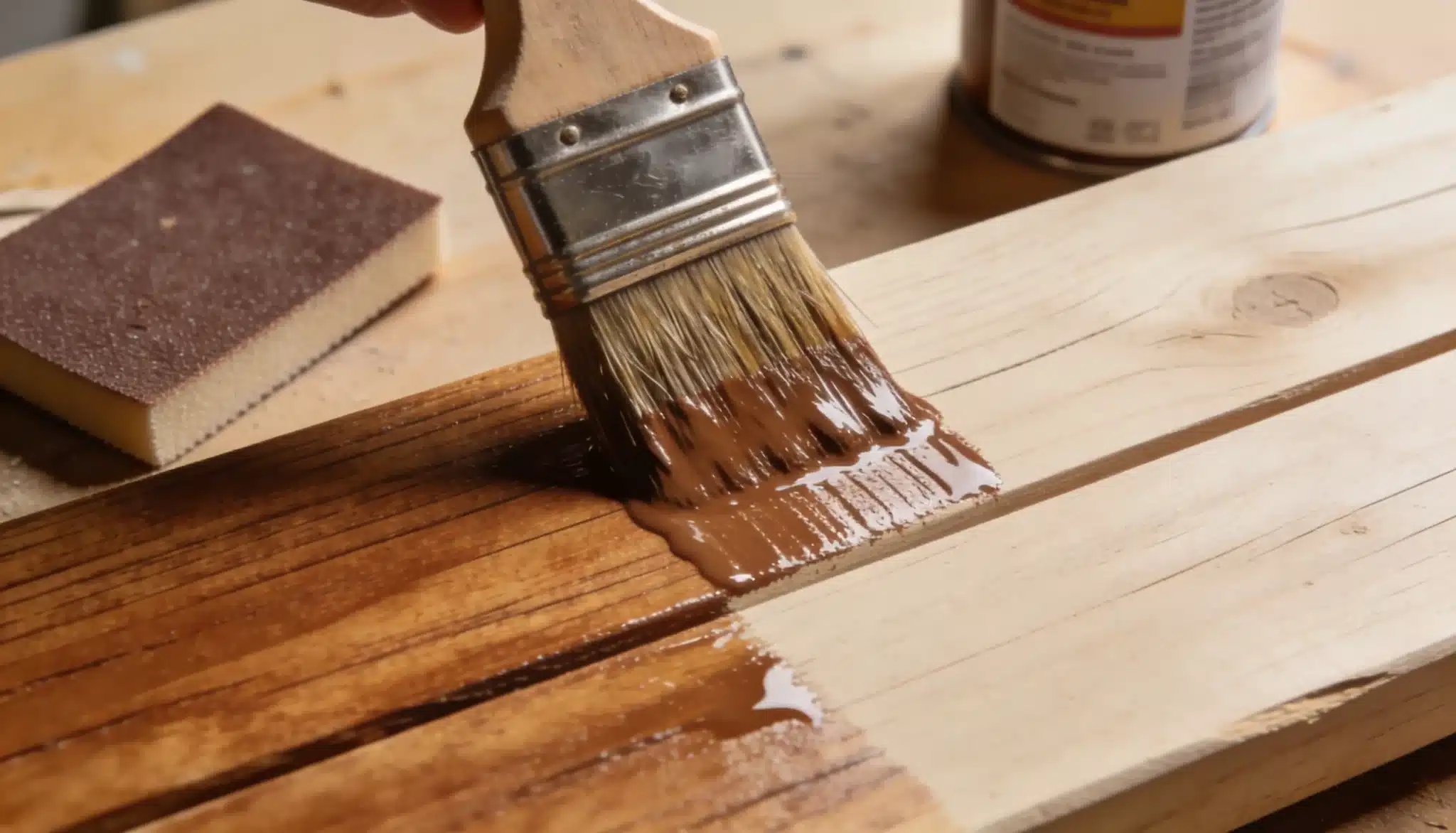
Wood is porous, so it absorbs paint quickly.
Latex paint on wood is touch-dry in about 1 to 2 hours. Oil-based paint takes about 6 to 8 hours to dry before a second coat.
Humidity and wood texture affect the drying time as well.
Always sand and prime wood before painting. It helps the paint dry more evenly and stick better.
On Metals
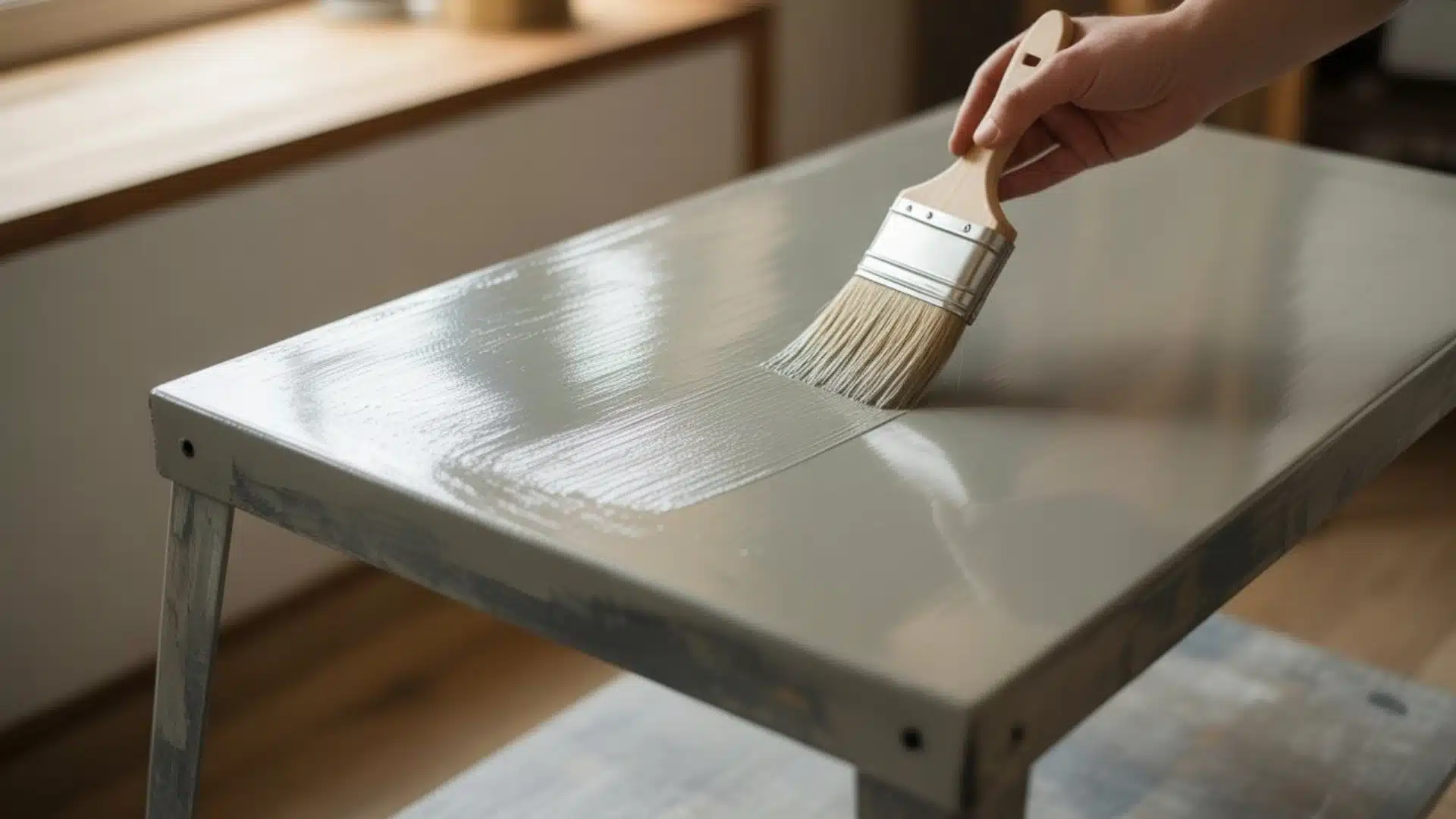
Metal doesn’t absorb paint the way wood does. That means the paint sits on the surface longer before drying.
Latex paint on metal dries to the touch in about 1 to 2 hours.
Oil-based paint needs at least 6 to 8 hours. Rust or moisture increases the drying time.
On Walls
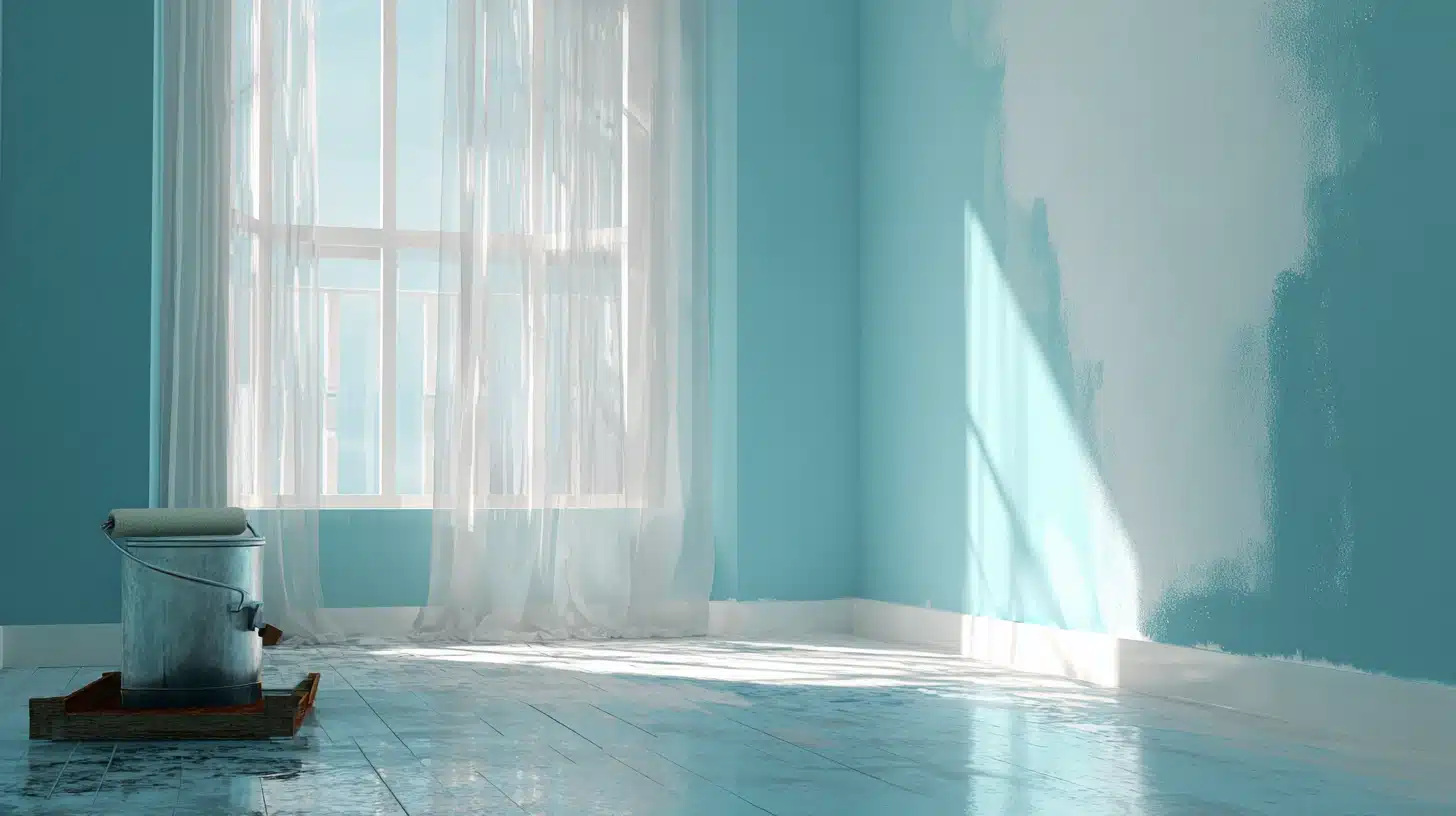
Interior walls are the most common painting project.
Latex paint on interior walls dries to the touch in 30 to 60 minutes. You can usually recoat after 2 to 4 hours.
Keep the room ventilated and avoid painting on very humid days for the best results.
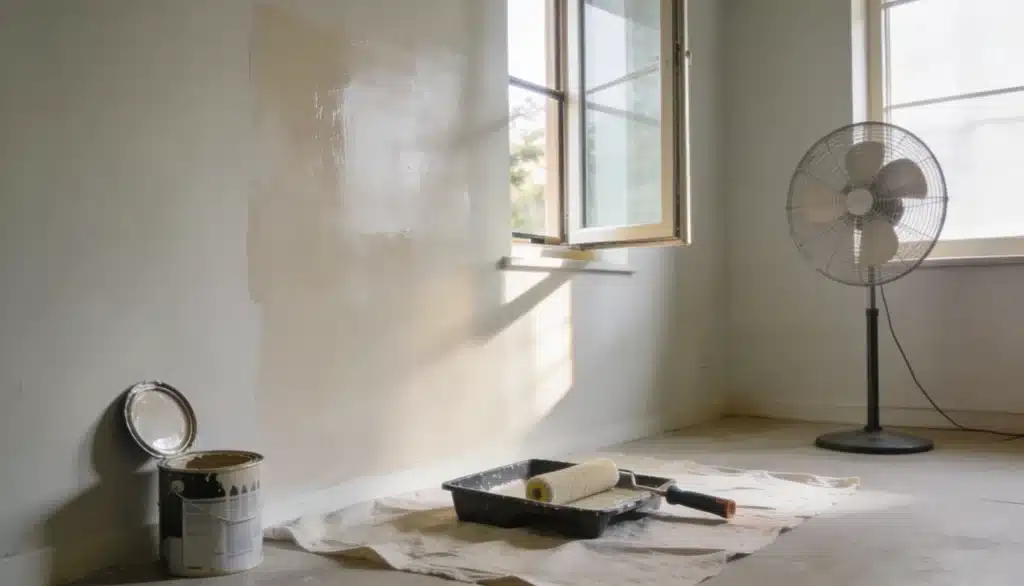
Open a window while painting indoors. Fresh air speeds up drying and keeps the smell down.
Exterior Surfaces
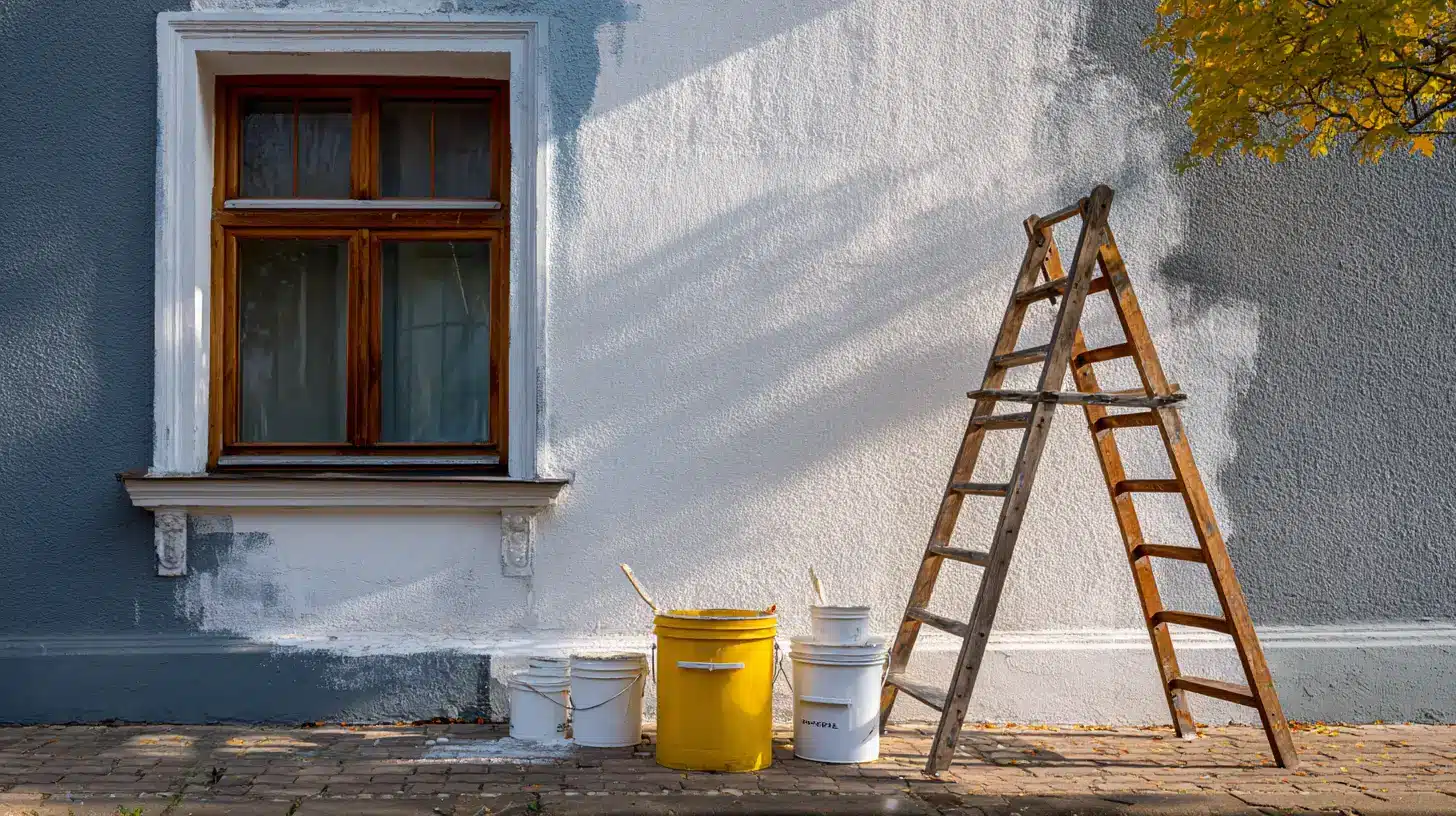
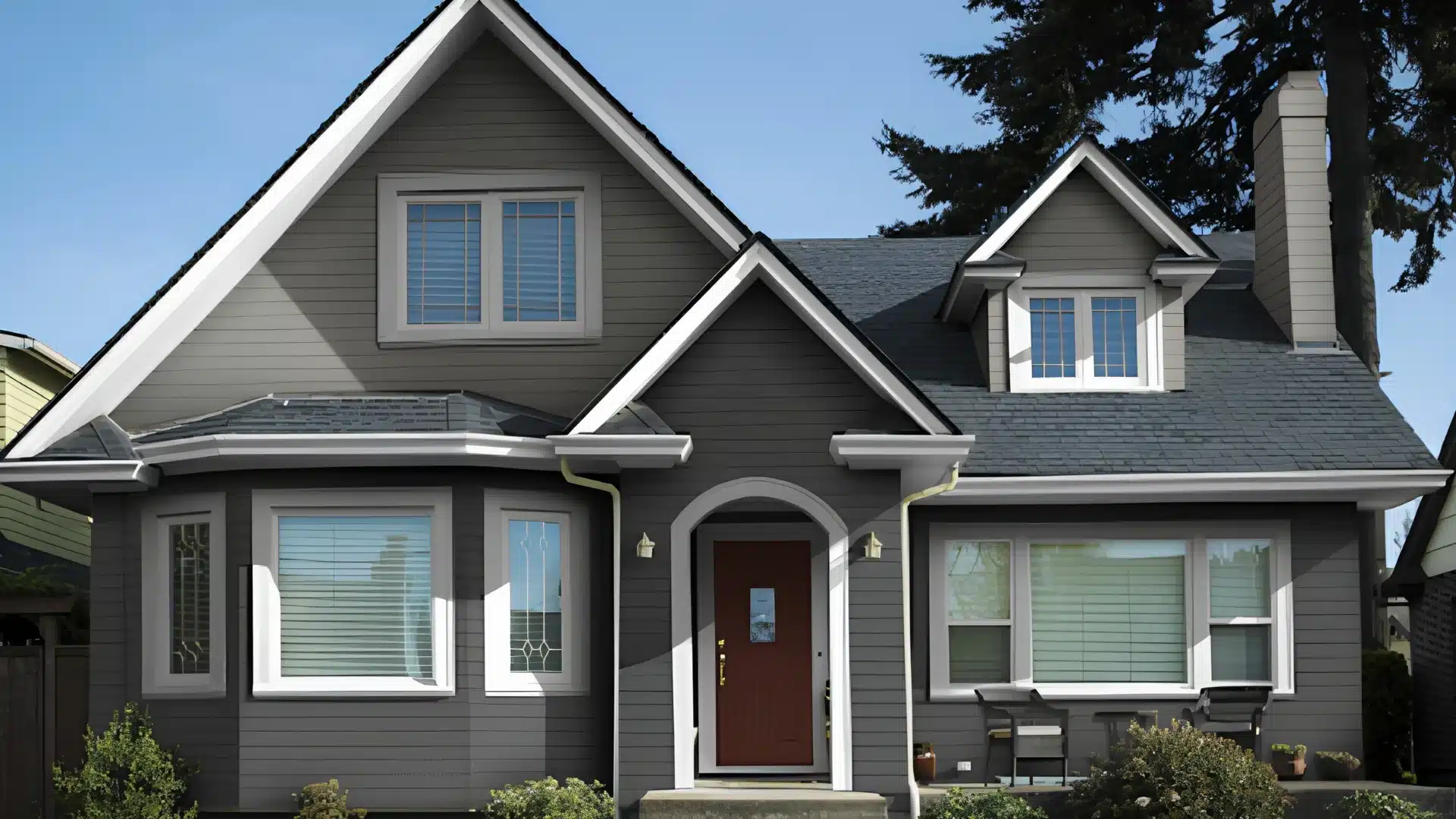
Exterior surfaces are simultaneously exposed to wind, sun, and moisture.
Latex paint on outside walls dries to the touch in about 1 hour. But full drying can take longer depending on the weather.
Avoid painting outside on rainy or very humid days. Direct sunlight can cause the paint to crack, and for a long time, it’ll make you wonder how long it takes for paint to dry.
The best time to paint outside is when temperatures are between 50°F and 85°F with low humidity.
Dry Time vs Cure Time: What’s the Difference?
Many people think “dry” and “cured” mean the same thing.
But there’s quite a difference between the two.
“Dry” means the surface feels firm to the touch.
“Cured” means the paint has fully hardened all the way through. A wall can feel dry in an hour but still needs weeks to fully cure.
Rushing this process can lead to scratches, marks, and peeling.
| Dry to Touch | Safe to Recoat | Fully Cured | |
|---|---|---|---|
| Latex | 30–60 min | 2–4 hours | 2–4 weeks |
| Oil Based | 6–8 hrs | 24 hours | 3–7 days |
| What it means | The surface feels firm | Ready for the next coat | Safe to clean and use |
Just because the paint feels dry doesn’t mean it’s ready for daily use. Give it the full cure time before scrubbing walls or placing furniture against them.
Key Factors That Affect How Long for Paint to Dry
Paint drying isn’t just about time.
Several things around you can speed it up or slow it down. Some of these you can control, and some you can’t.
But knowing what they are will help you make smarter choices.
Temperature and Humidity
Temperature and humidity have the biggest impact on drying time.
Paint dries best between 50°F and 85°F. Too cold, and the paint stays wet for hours. Too hot, and it dries unevenly, cracking.
High humidity slows down the evaporation process, which means longer drying times.
Low humidity helps paint dry faster. Always check the weather before starting a painting project.
Avoid painting on rainy days or when humidity is above 85%. The paint will take much longer to dry and may not finish properly.
Ventilation and Airflow
Good airflow makes a real difference when painting indoors.
Fresh air helps the moisture in the paint evaporate faster. Without proper ventilation, paint sits wet on the wall much longer.
Open windows and doors while you work.
A fan set to low can also help move air around the room. Just don’t point it directly at the wall, as that can cause uneven drying.
Paint Thickness and Number of Coats
Applying paint too thickly can turn out to be troublesome later.
A thick coat traps moisture underneath and takes much longer to dry. Thin, even coats dry faster and give a cleaner finish.
If you need two coats, let the first one dry fully before adding the second.
Rushing between coats leads to streaks, bubbles, and a finish that peels over time. Always apply thin, even coats. Two thin layers will dry faster and look better than one thick layer.
Surface Type and Preparation
The surface you paint on affects how long the paint takes to dry on a wall.
Porous surfaces like bare wood or unprimed drywall soak up more paint. This slows down the drying process.
Smooth, primed surfaces let paint sit evenly and dry faster.
Dirty or damp surfaces also significantly slow things down. Always clean and prep your surface before you start painting for the best results.
Different Paint Finishes and Their Drying Time
Just as different surfaces have their own drying times, not all paint finishes dry the same way.
Each finish has a different sheen level, which affects how quickly it dries. The more additives and binders a finish contains, the longer it takes to dry.
1. Flat Finish
Flat finish paint has no sheen, it contains more pigment and fewer binders.
Which means it absorbs into the surface quickly. This makes it one of the fastest-drying finishes available.
You can usually touch it within 30 minutes, and it works well on ceilings and low-traffic walls.
Keep the room well-ventilated while the paint dries. Opening a window or running a fan on low can cut drying time significantly.
2. Eggshell Finish
The eggshell finish has a slight sheen, and it contains more binders than flat paint.
Which means it takes a little longer to dry. Expect a touch dry time of around 1 hour. The added binders make it more washable, but they also hold moisture in longer.
And since eggshell finish requires a second coat, a gap of at least 2 hours works well.
3. Semi-Gloss and High-Gloss Finish
These finishes have the highest sheen levels.
They contain the most binders and additives, which is exactly why they take the longest to dry. Semi-gloss takes about 1 to 2 hours to feel dry to the touch.
High-gloss takes even longer, about 3 hours.
You can use both gloss finishes for trim, doors, and kitchens for best results.
Want a detailed look into all the paint finish types? Click here.
Final Thoughts
Paint drying time has always been a guessing game. But not anymore.
Now you know what affects drying time, how to speed things up, and what mistakes to avoid to get that perfect paint coating.
The surface, weather, and paint type all play a part.
And now you know how long for paint to dry. And with the right prep and patience, you’ll get a clean, lasting finish every time.
Take your time and let the paint do its job.
Frequently Asked Questions (FAQ’s)
1. Is it Okay to Sleep in a Freshly Painted Room?
It’s best to wait at least 24 hours. Fumes from fresh paint can cause headaches and breathing issues. Keep the room ventilated before sleeping in it.
2. How Long Should a Room Air Out After Painting?
Open windows and run a fan for at least 24 to 72 hours. This clears fumes and helps the paint dry faster.
3. How Long Until My Room Stops Smelling Like Paint?
Latex paint smell fades in 1 to 2 days. Oil-based paint can linger for up to a week. Good airflow speeds this up.