I’ve learned that lighting can completely change the way a space looks and feels. It sets the mood, shapes the atmosphere, and pulls every design detail together.
Yet most people don’t give it a second thought until something feels off.
The secret to getting it right? Knowing your types of light fixtures and exactly where each one belongs.
The right fixture in the right place can turn a dull, flat room into something that genuinely wows. If you’re building, renovating, or simply upgrading your space, lighting deserves to be at the top of your list.
The Role of Lighting in Comfort and Functionality
Lighting plays a vital role in creating comfortable and functional spaces for everyday living and working.
The right lighting improves visibility, reduces eye strain, and helps people perform tasks more efficiently.
It also influences the mood and atmosphere of a room, making spaces feel warm, relaxing, energetic, or professional depending on the lighting style used.
When I started paying closer attention to the lighting in my own home, I quickly realized how much it changed how a space looks and feels.
Proper lighting ensures safety by clearly illuminating pathways, staircases, and outdoor areas.
In interior design, lighting highlights architectural features and décor elements while adding depth and character to a space.
Types of Lighting Every Space Should Have
Different types of light fixtures serve different purposes, from providing overall illumination to highlighting décor elements and improving task efficiency
1. Ambient Lighting
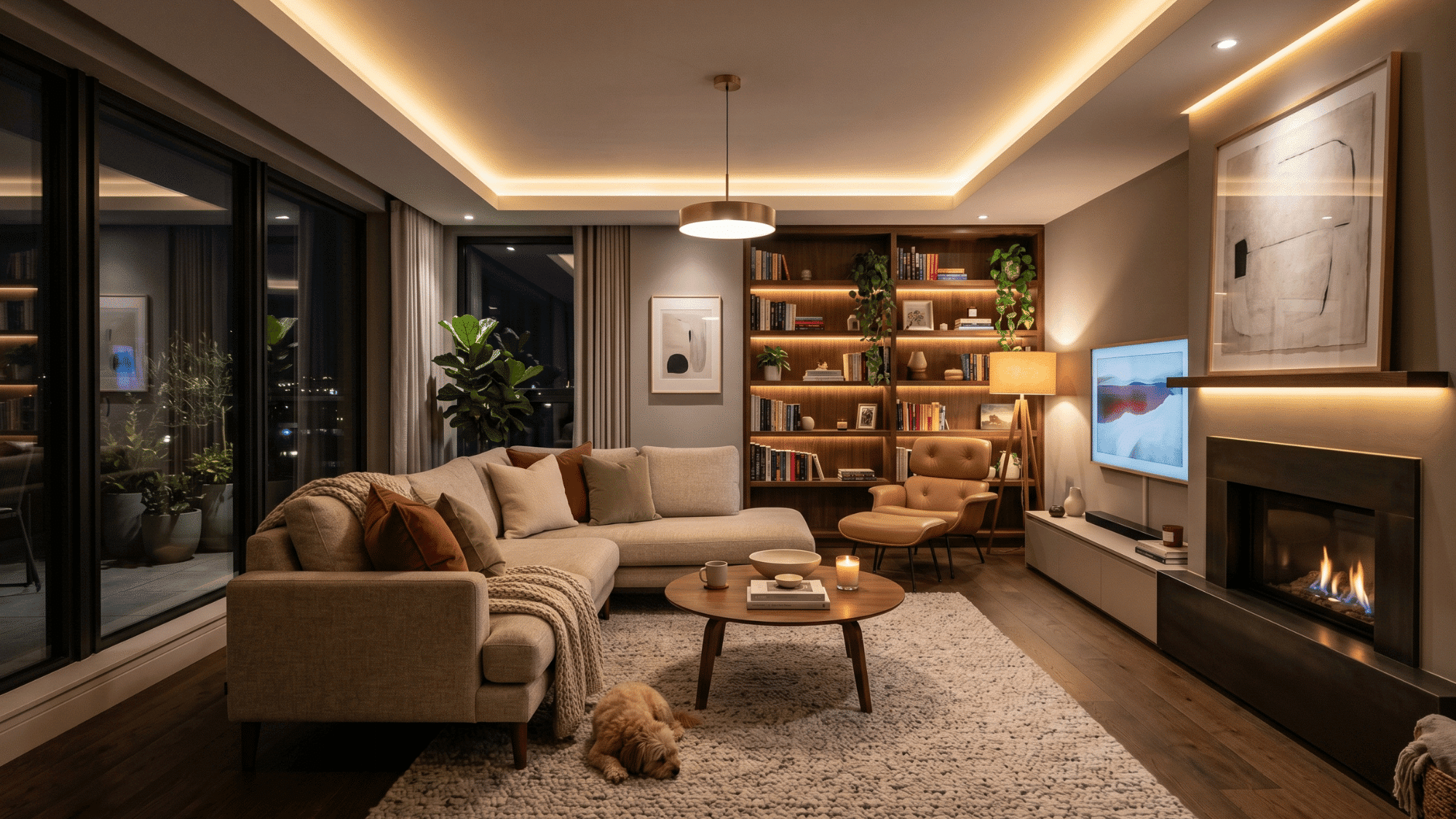
Ambient lighting is the primary source of illumination in a space, designed to ensure comfortable visibility.
- Key Characteristics: Provides soft and evenly distributed overall illumination.
- Common Fixtures or Sources: Includes ceiling lights, chandeliers, recessed lights, and LED panels.
- Best Applications: Ideal for living rooms, bedrooms, hallways, and offices.
- Practical Tip: Combine with task and accent lighting for balanced layering.
2. Task Lighting
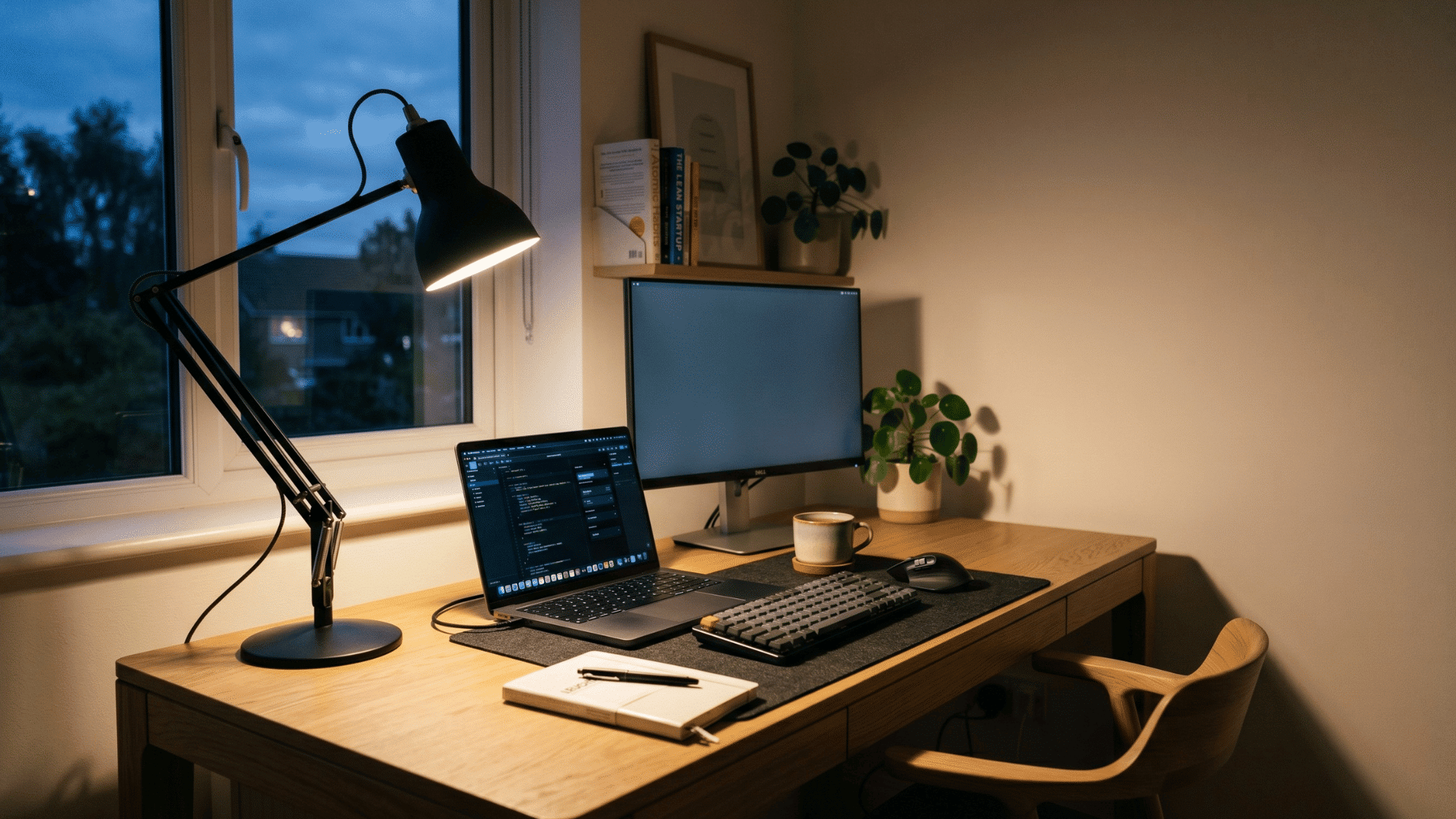
Task lighting is focused lighting used to illuminate specific areas where activities such as reading, cooking, studying, or working take place.
Its purpose is to reduce eye strain, improve concentration, and provide adequate brightness for detailed tasks.
- Key Characteristics: Delivers bright and focused illumination for specific tasks.
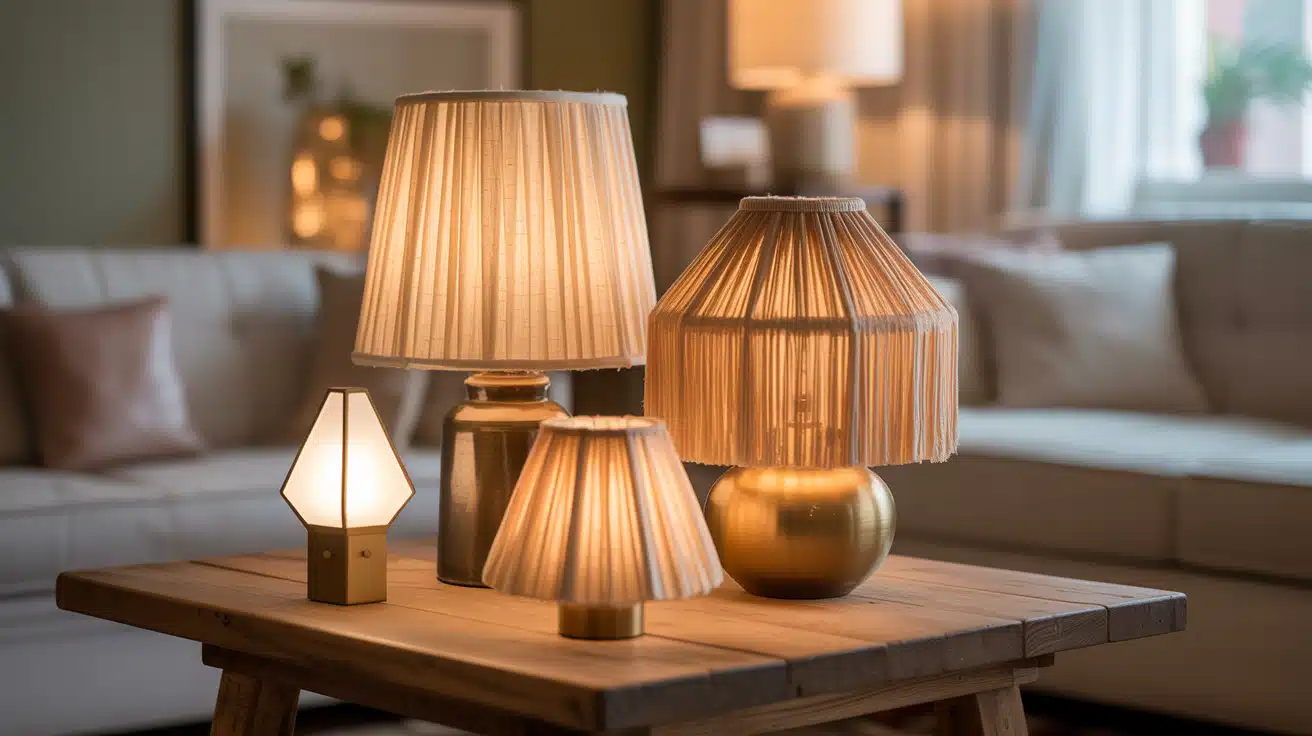
- Common Fixtures or Sources: Includes desk lamps, vanity lights, and under-cabinet lighting. The lamp shade style also determines how widely or narrowly light is cast across a surface.
- Best Applications: Suitable for kitchens, offices, study areas, and bathrooms.
- Practical Tip: Position lights directly over work surfaces for maximum efficiency.
3. Accent Lighting
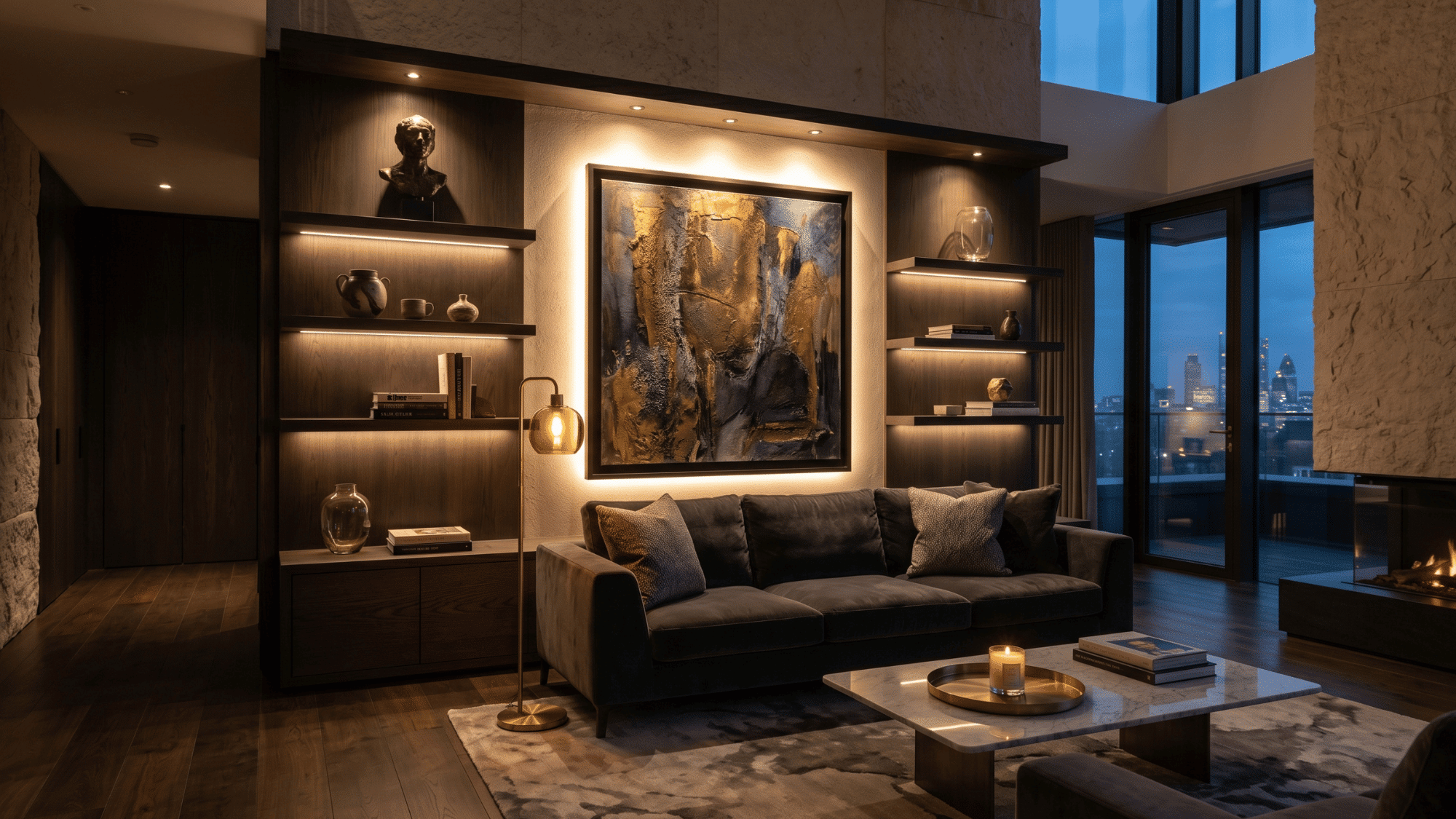
Its purpose is to create visual interest, add depth, and draw attention to focal points such as artwork, plants, or textured walls.
- Key Characteristics: Creates dramatic and directional illumination for emphasis.
- Common Fixtures or Sources: Uses spotlights, track lights, and wall sconces.
- Best Applications: Perfect for artwork, displays, and architectural highlights.
- Practical Tip: Angle lights carefully to highlight focal points effectively.
4. Decorative Lighting
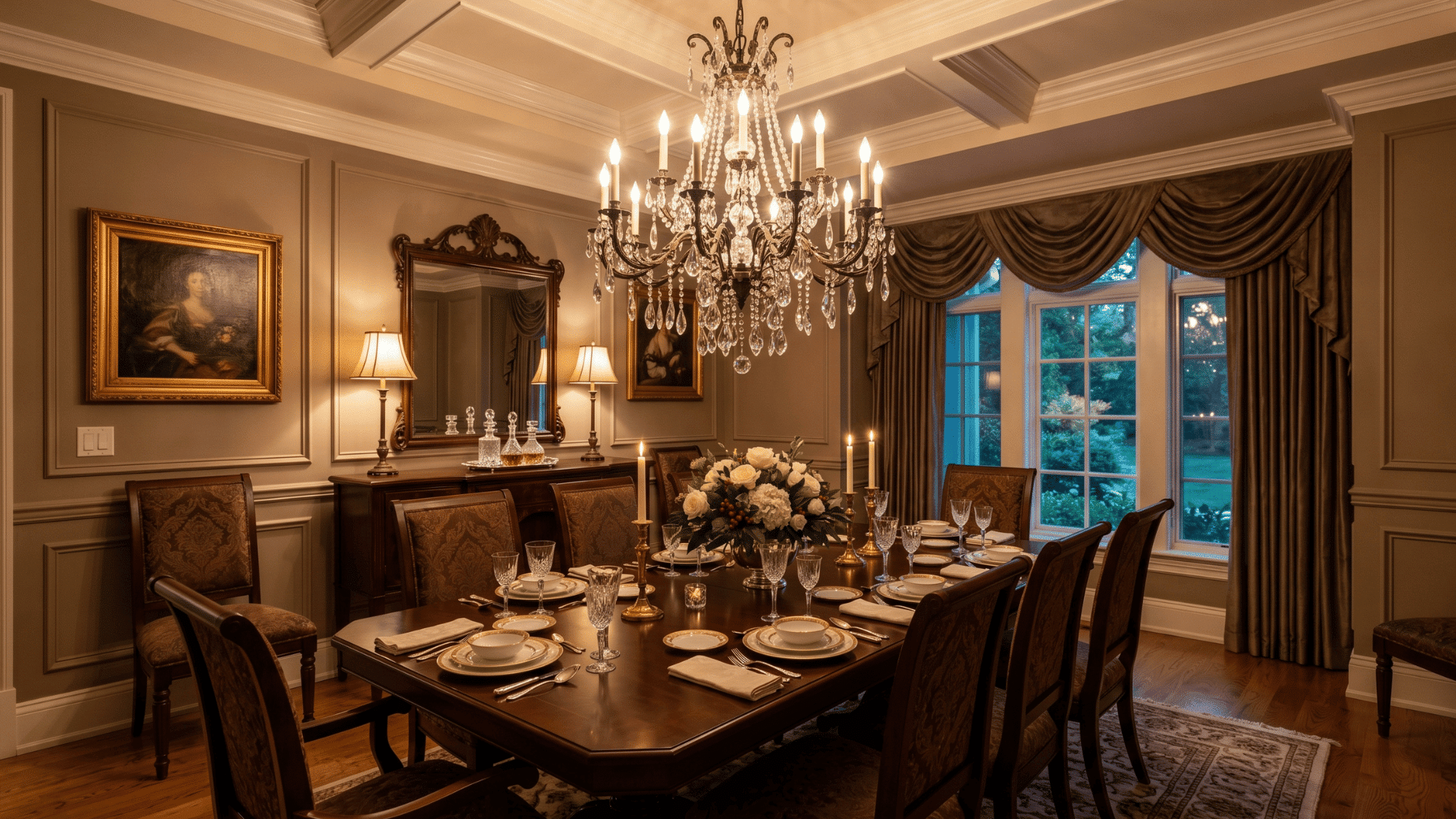
Its purpose is to serve as both a functional light source and a statement piece that complements the interior décor and style.
- Key Characteristics: Focuses on artistic while providing illumination.
- Common Fixtures or Sources: Includes chandeliers, pendant lights, and designer lamps.
- Best Applications: Commonly used in dining rooms, entryways, and luxury interiors.
- Practical Tip: Match fixtures with the overall room décor and theme.
5. Cove Lighting
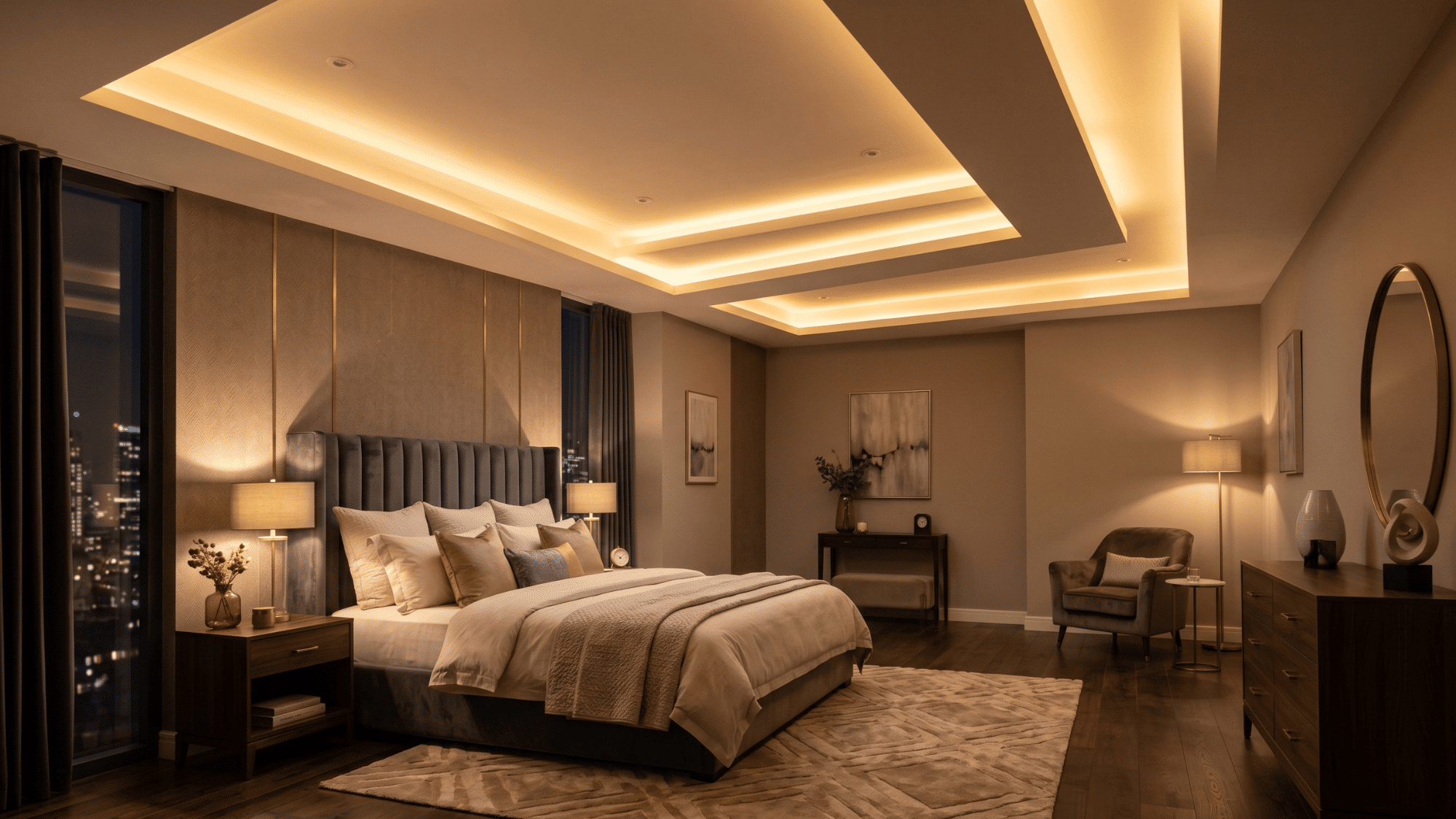
Its purpose is to add depth, improve ambiance, and provide smooth illumination without visible fixtures.
- Key Characteristics: Produces soft, indirect lighting with a modern, luxurious feel.
- Common Fixtures or Sources: LED strip lights, concealed fixtures, and recessed cove lights.
- Best Applications: Ideal for living rooms, bedrooms, hotels, and false ceilings.
- Practical Tip: Use warm LED strips and hidden installations for a smooth glow.
6. Recessed Lighting
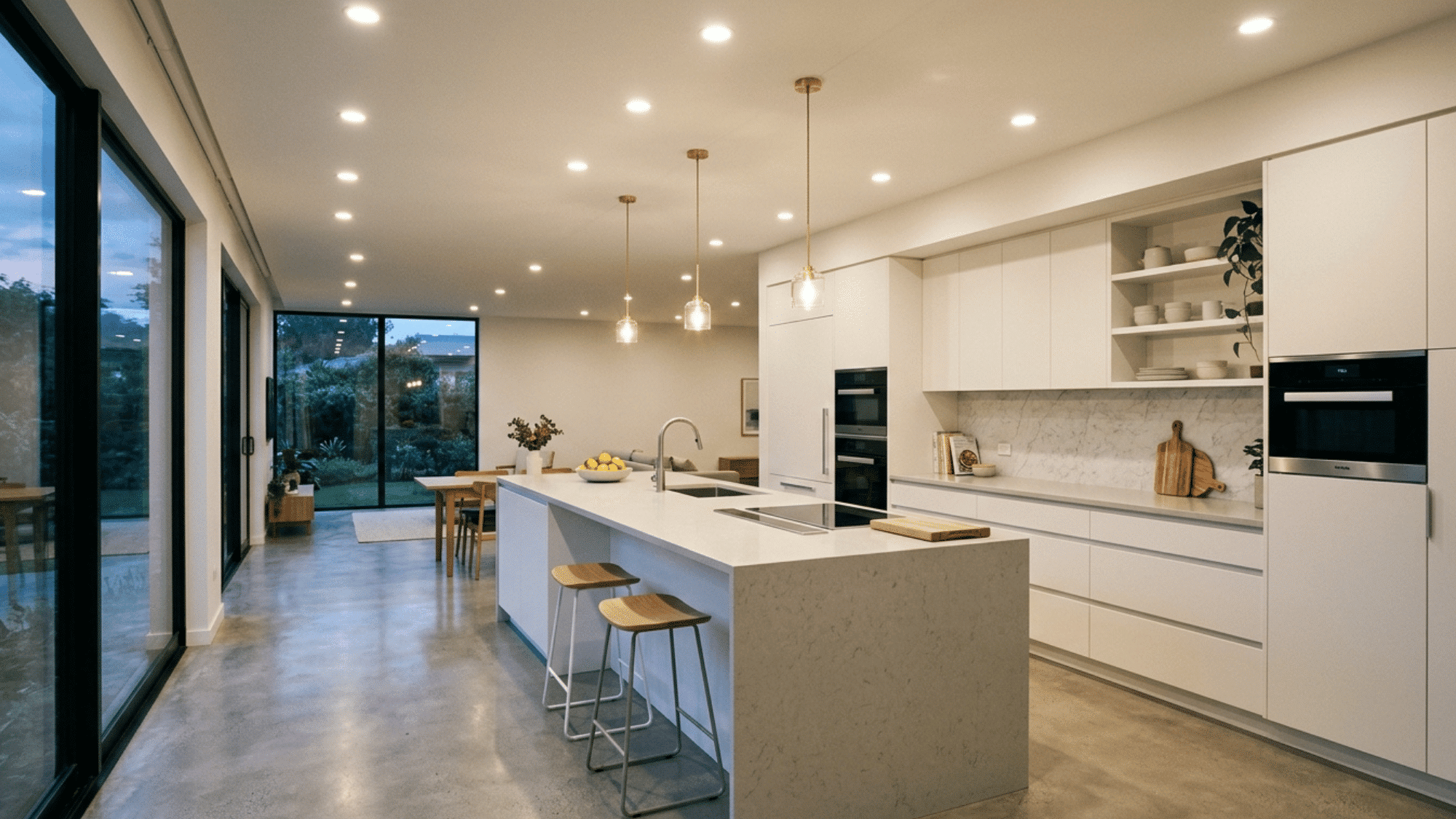
Its purpose is to provide unobtrusive illumination that improves modern interiors without occupying visible space.
- Key Characteristics: Offers sleek and space-saving built-in illumination.
- Common Fixtures or Sources: Includes recessed can lights and LED downlights.
- Best Applications: Suitable for modern homes, kitchens, and offices.
- Design Tip: Space fixtures evenly to achieve balanced illumination throughout the room.
7. Pendant Lighting
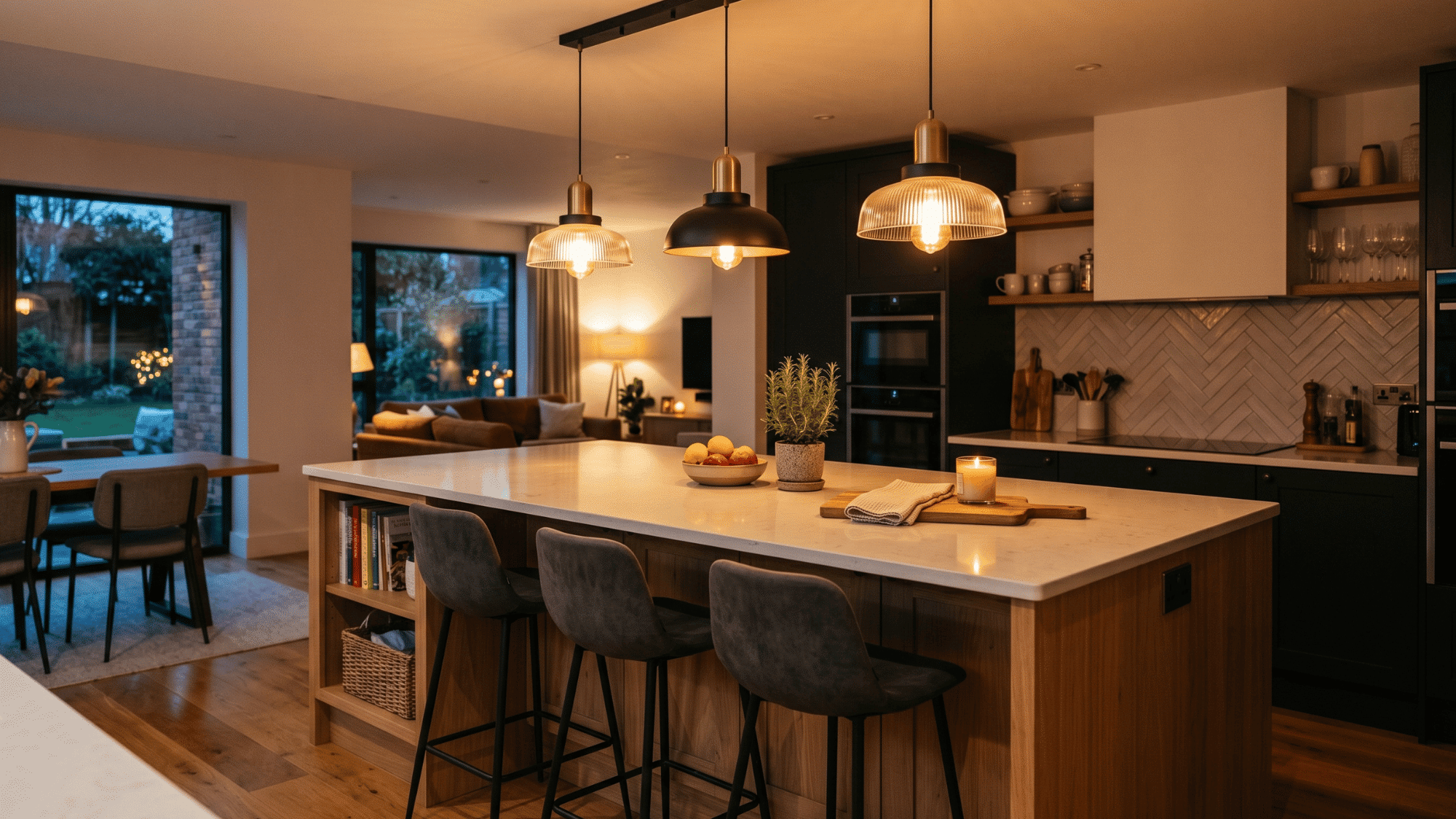
Before committing to a style, getting the right pendant proportions can save you from choosing a fixture that overwhelms or disappears in the space.
- Key Characteristics: Provides focused lighting with stylish hanging fixtures.
- Common Fixtures or Sources: Includes single pendants and multi-light hanging fixtures.
- Best Applications: Ideal for dining tables, kitchen islands, and cafes.
- Practical Tip: Hang pendants at an appropriate height for balanced lighting.
8. Track Lighting
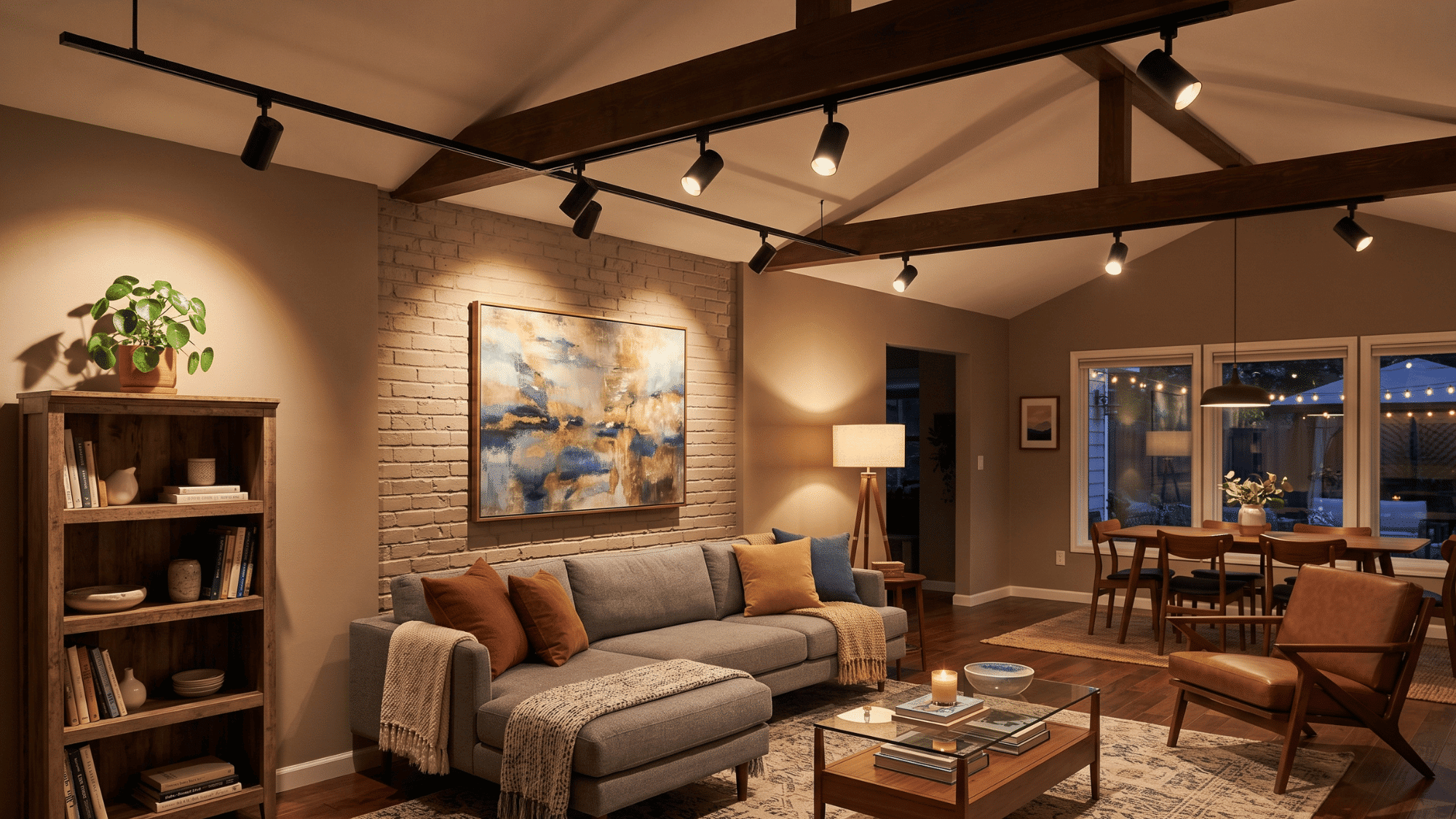
Track lighting uses multiple adjustable light fixtures mounted on a continuous track system.
- Key Characteristics: Features adjustable and directional lighting flexibility.
- Common Fixtures or Sources: Uses track-mounted spotlights and LED heads.
- Best Applications: Common in galleries, retail stores, and modern kitchens.
- Practical Tip: Position track heads strategically to avoid shadows and glare.
9. Smart Lighting
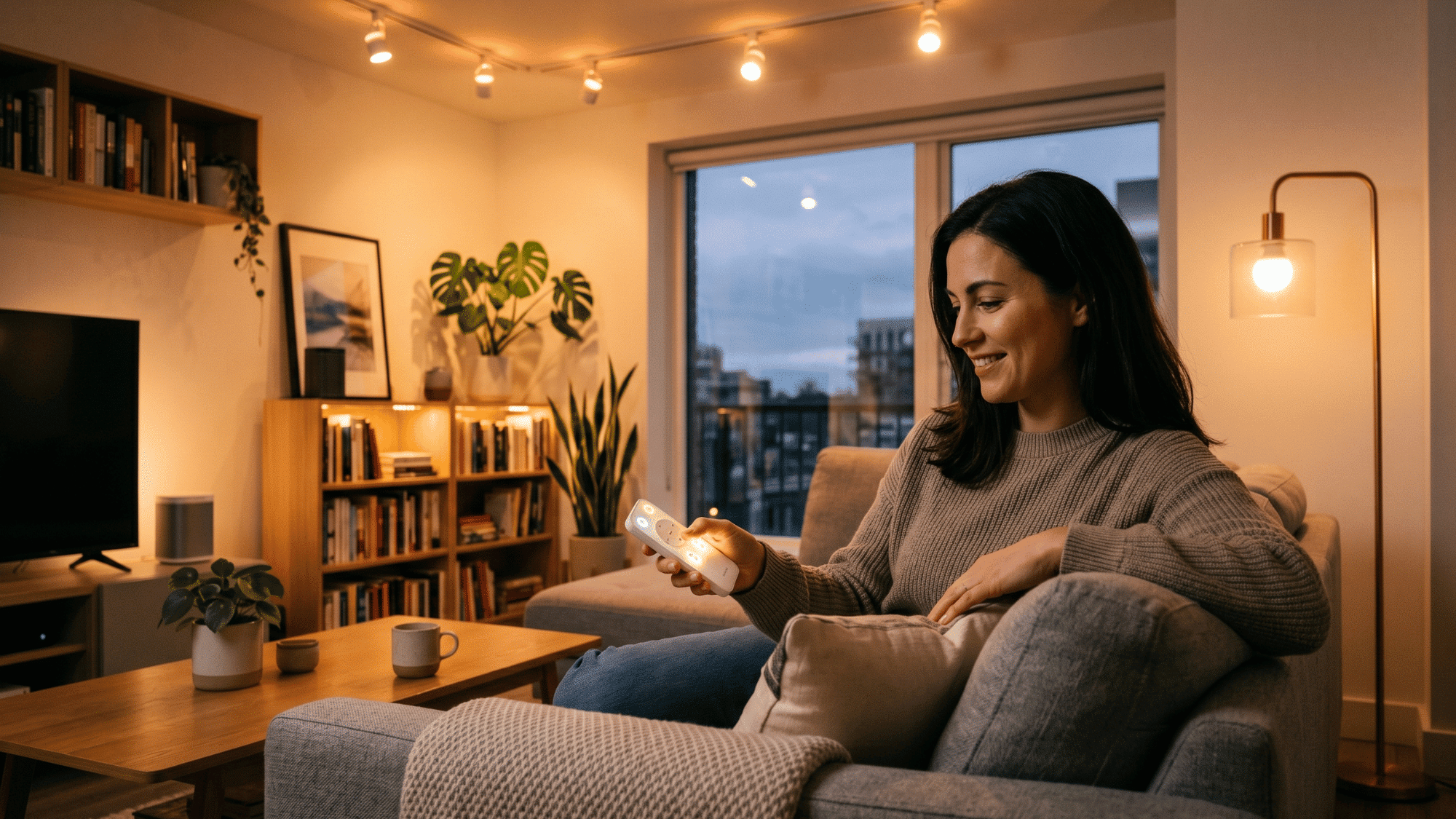
Smart lighting refers to lighting systems that can be controlled remotely via apps, voice assistants, or automation.
- Key Characteristics: Offers app-controlled and automated lighting customization.
- Common Fixtures or Sources: Includes smart bulbs and Wi-Fi-enabled lighting systems.
- Best Applications: Perfect for smart homes, offices, and entertainment spaces.
- Practical Tip: Integrate with smart home systems for smooth automation.
10. Outdoor Lighting
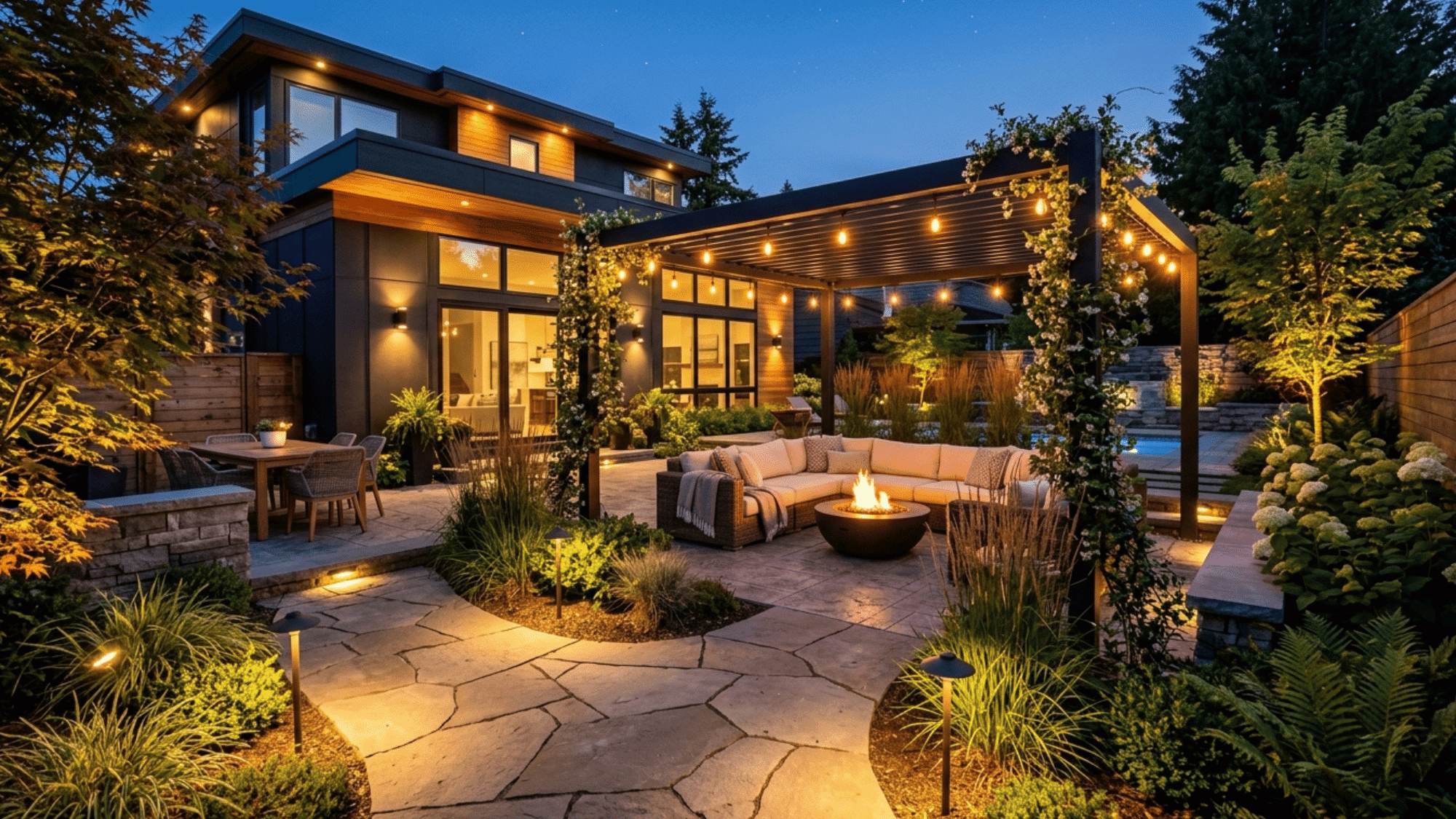
Its purpose is to improve safety, security, visibility, and curb appeal while creating an inviting outdoor atmosphere.
- Key Characteristics: Built for weather resistance and exterior visibility.
- Common Fixtures or Sources: Includes pathway lights, floodlights, and wall lanterns.
- Best Applications: Best for gardens, patios, driveways, and walkways.
- Practical Tip: Use layered outdoor lighting for balanced illumination and ambiance.
The Bottom Line
Lighting is never just an afterthought. It is a design decision that shapes how every room looks, feels, and functions.
By learning the different types of light fixtures available, you gain the power to create spaces that are not only beautiful but purposeful.
The key is knowing which one to use, where to use it, and why. I once swapped out a single overhead light for a layered setup, and the room felt completely different overnight.