The Small Signs of Home Damage Most People Ignore Until It’s Too Late
Most home disasters do not begin with a dramatic flood or a ceiling crashing down. They often start with something so small that it barely registers. A faint stain in the corner of a room. A musty smell that comes and goes. Paint bubbling slightly near a skirting board.
It is easy to brush these things aside. Life gets busy, budgets are tight, and unless something is actively breaking, most people prefer to deal with it later.
The problem is that “later” can become expensive surprisingly fast.
Small signs of damage often point to hidden issues that worsen quietly over time. In many cases, what looks minor on the surface can lead to structural repairs, mould growth, or ruined belongings if ignored. For homeowners dealing with suspicious leaks or moisture problems, looking into services such as emergency water damage restoration Melbourne can also help identify whether a seemingly harmless issue is hiding something more serious.
Here are some of the most commonly overlooked warning signs and what they may actually mean.
A Musty Smell That Never Quite Goes Away
A strange smell is one of the easiest things to ignore because it rarely feels urgent. You might notice it briefly when entering a room or after rain, then forget about it entirely.
But persistent musty odours often signal trapped moisture.
This can happen behind walls, beneath flooring, or inside roof cavities where water slowly builds up unnoticed. Damp areas create the perfect environment for mould, which can spread faster than many people realise.
If you find yourself masking the smell with candles or air fresheners instead of identifying the cause, it is worth taking a closer look.
Pay attention to areas such as:
- Under sinks
- Around windows
- Near laundry spaces
- Inside wardrobes against exterior walls
- Basements or garages
Even if nothing looks visibly damaged, smells can reveal problems before visible signs appear.
Peeling Paint or Bubbling Walls
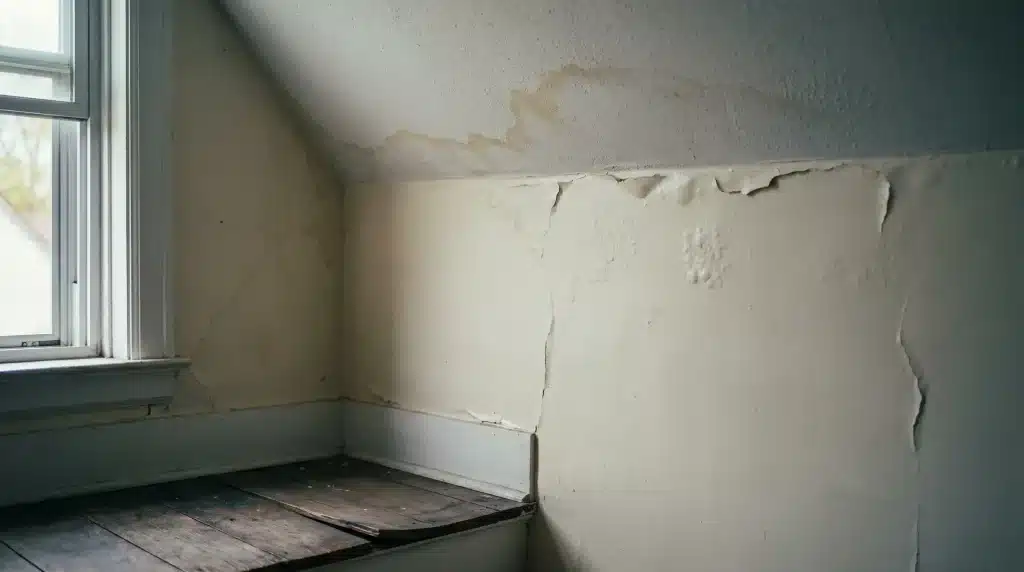
Many people assume peeling paint is simply part of an ageing home. Sometimes it is. But when paint starts bubbling, cracking, or lifting unexpectedly, moisture is often involved.
Water trapped behind walls can weaken paint adhesion and slowly damage plaster, timber, or insulation materials.
You might notice:
- Small bubbles forming in paint
- Wallpaper lifting at the edges
- Uneven wall textures
- Hairline cracks spreading over time
These issues are particularly common near bathrooms, kitchens, or roofs where leaks are more likely.
A fresh coat of paint may temporarily hide the problem, but if moisture remains underneath, the issue usually returns.
Doors and Windows Suddenly Sticking
If a door suddenly becomes difficult to close, many people blame changing weather or an older house settling.
Sometimes that is true. But unexpected swelling can also point to excess moisture affecting timber frames.
Wood absorbs water, expands, and changes shape. Over time, this can affect how doors and windows fit within frames.
If sticking starts happening alongside damp smells, visible stains, or increased humidity inside the house, it may be worth investigating further.
Changes that seem small at first can reveal bigger underlying problems.
Stains on Ceilings or Walls
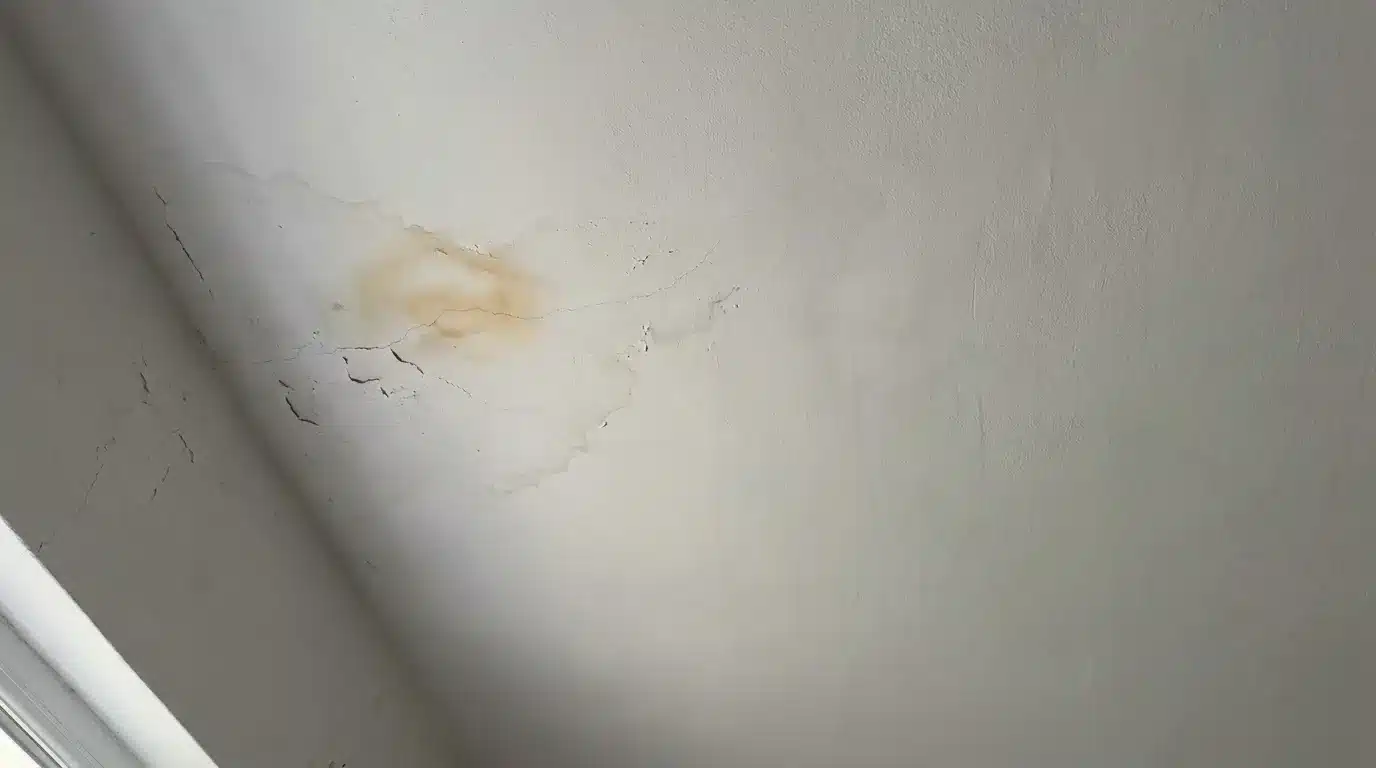
A faint yellow mark on the ceiling may not seem worth worrying about. After all, it is small.
Until it grows.
Water stains are one of the clearest indicators that moisture is moving through a home where it should not be. Roof leaks, plumbing issues, or overflowing gutters can all contribute.
Even tiny stains deserve attention because water rarely travels in a straight line. The visible mark may not even be close to the actual source.
Keep an eye out for:
- Yellow or brown discolouration
- Circular stains on ceilings
- Marks growing larger after rain
- Uneven paint patches
Taking photos every few weeks can help you notice whether marks are spreading.
Soft or Warped Flooring
Floors should feel solid underfoot. If they suddenly feel uneven, soft, or slightly raised, moisture may be affecting the materials underneath.
Timber floors can warp. Laminate flooring may lift or buckle. Carpet can feel damp or smell unusual.
These signs often appear slowly enough that homeowners adjust to them without noticing how much things have changed.
Bathrooms, laundries, and kitchens are common trouble spots, but hidden pipe leaks can affect any room.
A simple test is to walk through your home and notice whether certain areas feel different than they used to.
Rising Energy Bills Without Explanation
This one surprises many homeowners.
Hidden home damage can quietly affect energy efficiency. Poor insulation caused by moisture, damaged seals around windows, or ventilation problems may force heating and cooling systems to work harder.
If bills are climbing and nothing else has changed, your house may be telling you something.
Combined with other warning signs, it can point toward hidden structural or moisture-related issues.
Tiny Cracks That Slowly Get Worse
Small cracks are common in most homes, especially older properties. The concern is not always the crack itself, but whether it changes.
Cracks that widen, spread, or appear alongside other issues such as sticking doors or uneven floors may suggest movement caused by moisture damage.
It does not always mean major structural trouble, but it is worth paying attention to patterns.
Take photos and compare them over time. Slow changes are often harder to notice day to day.
Trust What Feels “Off”
One of the biggest mistakes homeowners make is waiting for obvious proof that something is wrong.
The reality is that homes often give subtle warnings long before serious damage happens. Strange smells, small stains, tiny changes in texture, or unusual humidity may seem harmless individually, but together they often tell a story.
You do not need to panic every time paint peels or a door sticks. But staying curious and acting early can save a lot of stress and money later.
If something feels different in your home and you cannot quite explain why, it is usually worth investigating before a small issue turns into a much bigger one.