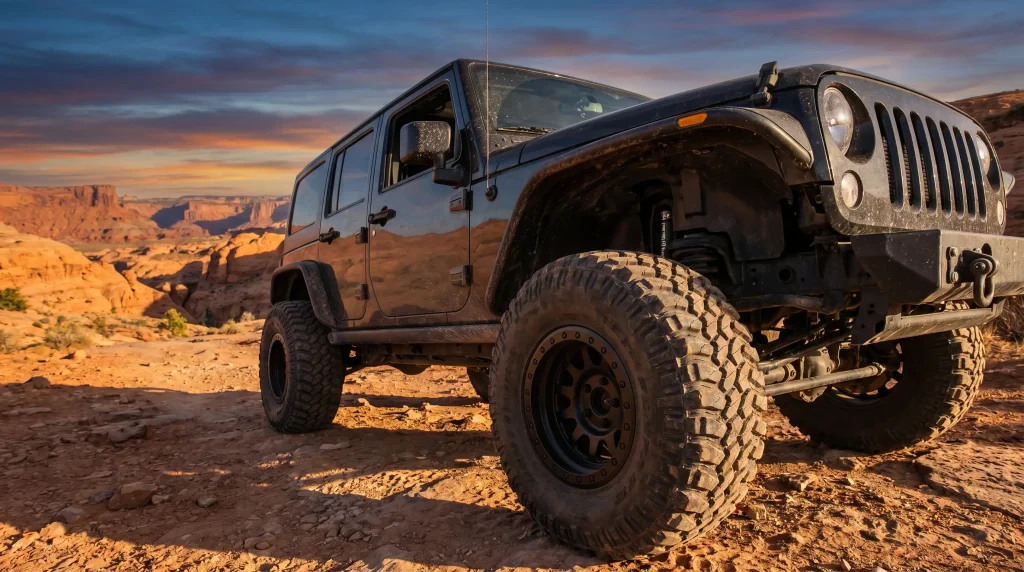
Upgrading your truck or Jeep with the right wheels and tires is one of the best ways to improve performance, appearance, and off-road capability. Whether you’re building a weekend trail rig, an overlanding setup, or simply upgrading your daily driver, choosing the right combination matters more than many drivers realize. The right package can improve traction, handling, clearance, and ride quality while also giving your vehicle a more aggressive stance.
When shopping for wheel and tire packages, it’s important to understand how tire size, wheel dimensions, offset, and fitment all work together. A setup that looks great but rubs against suspension components or fenders can quickly turn into a frustrating experience. Taking the time to understand the basics will help you choose a package that performs well both on and off the road.
Matching Wheel Size to 33–37 Inch Tire Options
One of the first decisions truck and Jeep owners make is selecting tire size. Larger tires offer improved ground clearance, better traction in rough terrain, and a tougher appearance. Popular choices for off-road enthusiasts typically range between 33-inch and 37-inch tires.
A 33-inch tire is often considered the sweet spot for many daily-driven Jeeps and trucks. It provides improved off-road capability without requiring extensive modifications. Most vehicles can fit 33s with minimal suspension upgrades or leveling kits. Pairing these tires with 17-inch wheels is a common choice because it allows for a larger tire sidewall, which improves ride comfort and off-road flexibility.
For drivers looking for more aggressive performance, 35-inch tires are a popular upgrade. They offer additional clearance and better traction on rocks, mud, and uneven terrain. However, 35s may require lift kits, trimming, or gearing adjustments depending on the vehicle. Many enthusiasts pair 35-inch tires with 17-inch or 18-inch wheels to maintain a good balance between sidewall height and wheel durability.
At the higher end, 37-inch tires are built for serious off-road use. These larger tires provide maximum clearance and improved obstacle handling but usually require substantial suspension modifications and drivetrain considerations. They are commonly found on heavily modified Jeeps and full-size trucks designed for extreme trail use.
No matter which size you choose, investing in quality off road tires is essential. Tire tread design, load rating, and sidewall construction all affect performance in mud, sand, rocks, and snow. Choosing a tire designed for your driving conditions ensures better durability and traction when it matters most.
Understanding Offset, Backspacing, and Fitment
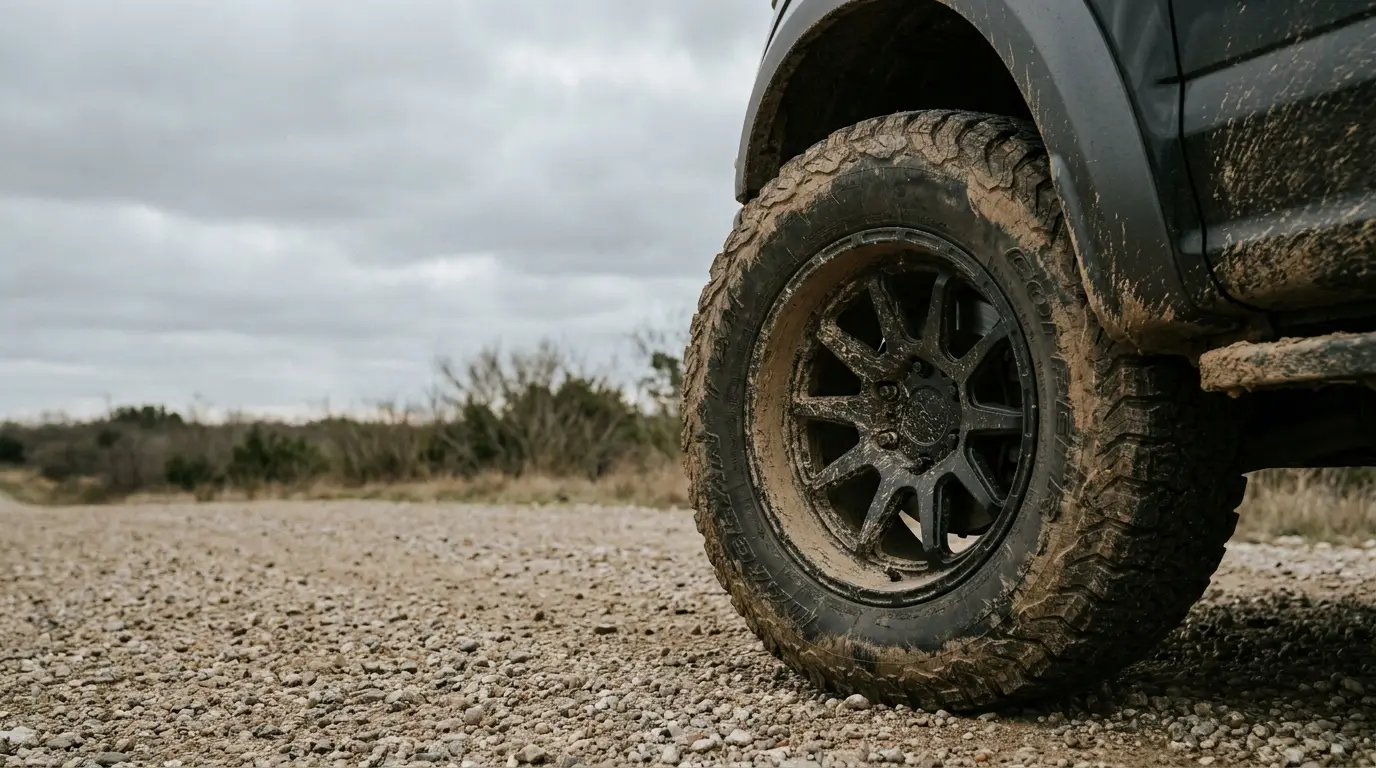
Once tire size is selected, wheel fitment becomes the next critical factor. Terms like offset and backspacing are often overlooked, but they directly impact how your wheels fit and perform.
Wheel offset refers to the distance between the wheel’s mounting surface and its centerline. Positive offset pushes the wheel inward toward the suspension, while negative offset pushes the wheel outward for a wider stance. Many off-road enthusiasts prefer a more aggressive negative offset because it improves stance and provides additional clearance for larger tires.
Backspacing measures the distance from the mounting surface to the back edge of the wheel. Proper backspacing is essential for avoiding contact with suspension components, brake calipers, and inner fenders. Too much backspacing may cause rubbing inside the wheel well, while too little can place unnecessary stress on wheel bearings and suspension parts.
Finding the right balance between wheel width, offset, and backspacing is important when upgrading your setup. A properly fitted wheel allows your suspension to cycle correctly while maintaining steering performance and ride quality.
Selecting high-quality jeep wheels also plays a major role in durability and performance. Off-road wheels are designed to withstand impacts from rocks, ruts, and rough terrain while supporting larger tires and heavier loads. Materials, construction methods, and wheel design all contribute to long-term reliability.
Before purchasing a wheel and tire setup, always verify compatibility with your specific truck or Jeep model. Factors like suspension lift height, axle width, brake clearance, and intended use all influence fitment. Consulting experienced off-road professionals can help eliminate guesswork and ensure your setup delivers the performance and appearance you want.
Choosing the right wheel and tire package is about more than looks. The right combination improves capability, confidence, and driving enjoyment both on the highway and on the trail. With the proper fitment and quality components, your truck or Jeep will be ready for whatever adventure comes next.