Cantaloupe is one of those plants that reward patience in a very direct way.
You get a fruit you actually grew from seed, and it tastes better than anything from the store.
Growing a cantaloupe plant from scratch looks harder than it is.
A sunny spot, well-drained soil, and consistent watering are genuinely all it takes, and once you have done it once, you will do it every season.
What is this Plant?
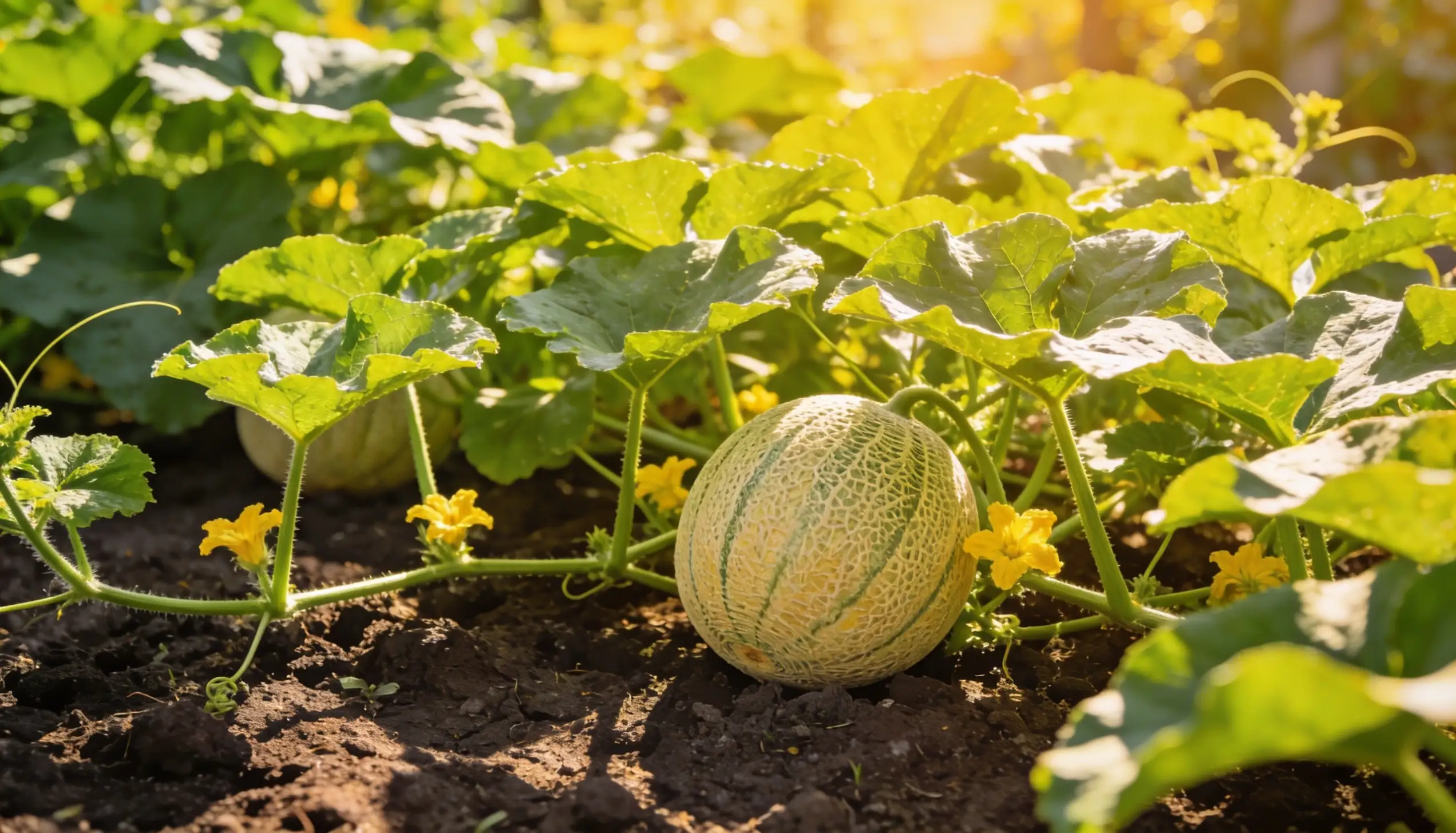
Cantaloupe plant grows as a sprawling vine with large lobed leaves and small yellow flowers that attract pollinators.
Vines spread quickly once warm weather sets in and need plenty of room to perform well.
It thrives in temperatures between 70°F and 90°F, with at least 6 to 8 hours of full sun daily.
Hale’s Best, Ambrosia, and Honey Rock are solid choices for home gardens, offering good sweetness, manageability, and disease resistance.
Cantaloupe Plants: Stages of Growth
According to the University of Minnesota Extension, warm soil is non-negotiable for cantaloupe; cold soil slows germination and weakens early vines.
Poor pollination is also one of the main reasons fruits fail to set.
Knowing what to expect at each stage helps you act at the right time rather than react to problems after they appear.
- Germination (Days 1 to 10): Seeds sprout when the soil stays above 70°F
- Vine Development (Weeks 2 to 4): Plant builds long vines and large leaves
- Flowering (Weeks 4 to 6): Yellow flowers appear, and pollination determines fruit set
- Fruit Set (Weeks 6 to 8): Pollinated flowers swell into small, rapidly growing fruits
- Fruit Maturation (Weeks 8 to 12): Skin develops netting, and sugar content builds
- Harvest Stage (Week 12 onwards): Stem loosens and fruit separates easily from the vine
How to Grow Cantaloupe Plants Successfully?
Growing cantaloupe plants does not require expert-level gardening skills, but it does ask for a bit of planning and consistency.
Get the basics right from the start, and the plant handles much of the work on its own throughout the season.
1. Selecting the Right Garden Location
A cantaloupe plant needs a spot that gets full sun for at least six to eight hours a day.
South facing beds or open garden areas away from tall trees and structures work best.
Good air circulation around the vines also helps keep fungal issues at bay.
Gardeners who skip location scouting often end up with vines that fruit poorly. Spending ten minutes observing sun patterns in the garden before planting saves a lot of disappointment later.
2. Preparing Nutrient Rich Soil
Loose, well-drained soil with a pH between 6.0 and 6.8 gives cantaloupe the best start.
Working compost or aged manure into the top layer before planting adds the organic matter the plant feeds on through the season.
- Mix compost at least 8 to 10 inches deep
- Avoid heavy clay soil without amendment
- Test pH before sowing for best results
3. Seed Sowing and Germination Tips
Seeds do best when the soil temperature sits at 70°F or above. Sowing two to three seeds per hole at about an inch deep gives a good germination rate.
Indoors, seeds typically sprout within five to ten days under warm conditions.
Starting seeds indoors three to four weeks before the last frost date gives gardeners a head start, especially in regions with shorter warm seasons.
4. Proper Spacing for Healthy Vine Development
Cantaloupe vines need room. Planting hills about 4 to 6 feet apart and leaving at least 6 feet between rows keeps the vines from competing with each other.
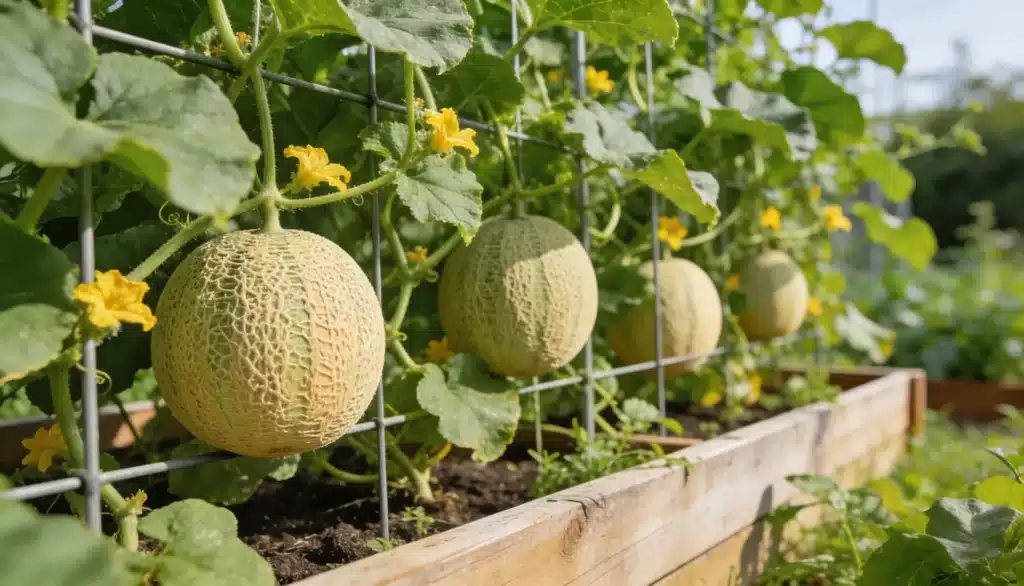
Trellis growing is a smart option for smaller spaces and keeps fruit off the ground.
- Hills: 4 to 6 feet apart
- Rows: at least 6 feet between them
- Trellis height: minimum 5 feet for support
5. Where to Buy Quality Cantaloupe Seeds and Plants
Reputable suppliers like Burpee, Baker Creek, and Johnny’s Selected Seeds carry a solid range of cantaloupe varieties online.
Local nurseries are worth checking too, as they often stock seedlings suited to the regional climate.
When picking nursery seedlings, look for compact plants with healthy green leaves and no yellowing.
Day to Day Care Practices for a Healthy Plant
Getting a cantaloupe plant to produce well is not just about planting and watering.
The cultural practices followed throughout the season, from irrigation to soil management, play a major role in determining how healthy the vines remain and how good the fruit turns out to be.
1. Irrigation Management Throughout the Season
Cantaloupe needs consistent moisture during vine development and fruit set, but eases off as the fruit nears maturity.
Deep watering two to three times a week, roughly one inch of water per session, works better than light daily watering. The goal is moisture six to eight inches down, where the roots actually are.
Drip irrigation keeps moisture in the root zone and off the leaves, significantly reducing the risk of fungal issues.
2. Mulching Techniques for Moisture Retention
A good layer of mulch does more than retain moisture.
It regulates soil temperature, suppresses weed growth, and keeps the developing fruit off bare soil.
- Apply straw or black plastic mulch around the base of each plant
- Keep mulch two to three inches thick
- Leave a small gap around the stem to prevent rot
- Refresh mulch midseason if it thins out
3. Fertilizer Application and Nutrient Balance
Starting with a nitrogen-rich fertilizer encourages strong early vine growth.
Once flowering begins, switching to a phosphorus and potassium focused feed supports fruit development far better.
Overfeeding nitrogen late in the season pushes leafy growth at the expense of fruit.
A soil test before the season starts takes the guesswork out of fertilizing. Gardeners who skip this step often over or underfeed and wonder why the plant underperforms despite regular care.
4. Crop Rotation and Soil Health Practices
Planting cantaloupe in the same spot year after year depletes specific nutrients and builds up soil borne diseases that target cucurbits.
Rotating with unrelated crops, such as legumes or brassicas, every season helps keep the soil balanced and naturally reduces disease pressure.
- Avoid replanting cucurbits in the same bed for at least two to three years
- Follow the cantaloupe with nitrogen fixing crops like beans
- Add compost after each season to restore organic matter
Here’s What NOT to do when Growing this Plant
Some of the most common cantaloupe growing mistakes are completely avoidable.
A little awareness of what not to do saves a lot of time, effort, and disappointment through the season.
- Never plant in shaded areas, cantaloupe needs at least six to eight hours of full sun daily
- Avoid overwatering young vines, as soggy soil leads to root rot early on
- Do not skip soil preparation; compacted ground limits root spread significantly
- Stop applying nitrogen heavy fertilizer once flowering begins
- Never harvest too early; patience at this stage makes all the difference in flavor
Vine Management and Pollination Methods
Managing vines and supporting pollination are two aspects of cantaloupe care that often get overlooked but make a significant difference in how well the plant produces through the season.
-
Trellising and Vertical Growing Systems A sturdy trellis of at least five feet keeps vines off the ground, improves air circulation, and makes the whole plant easier to manage.
-
Pruning for Better Airflow and Yield: Removing excess foliage and secondary vines redirects energy toward fruit development and reduces the risk of fungal disease mid-season.
-
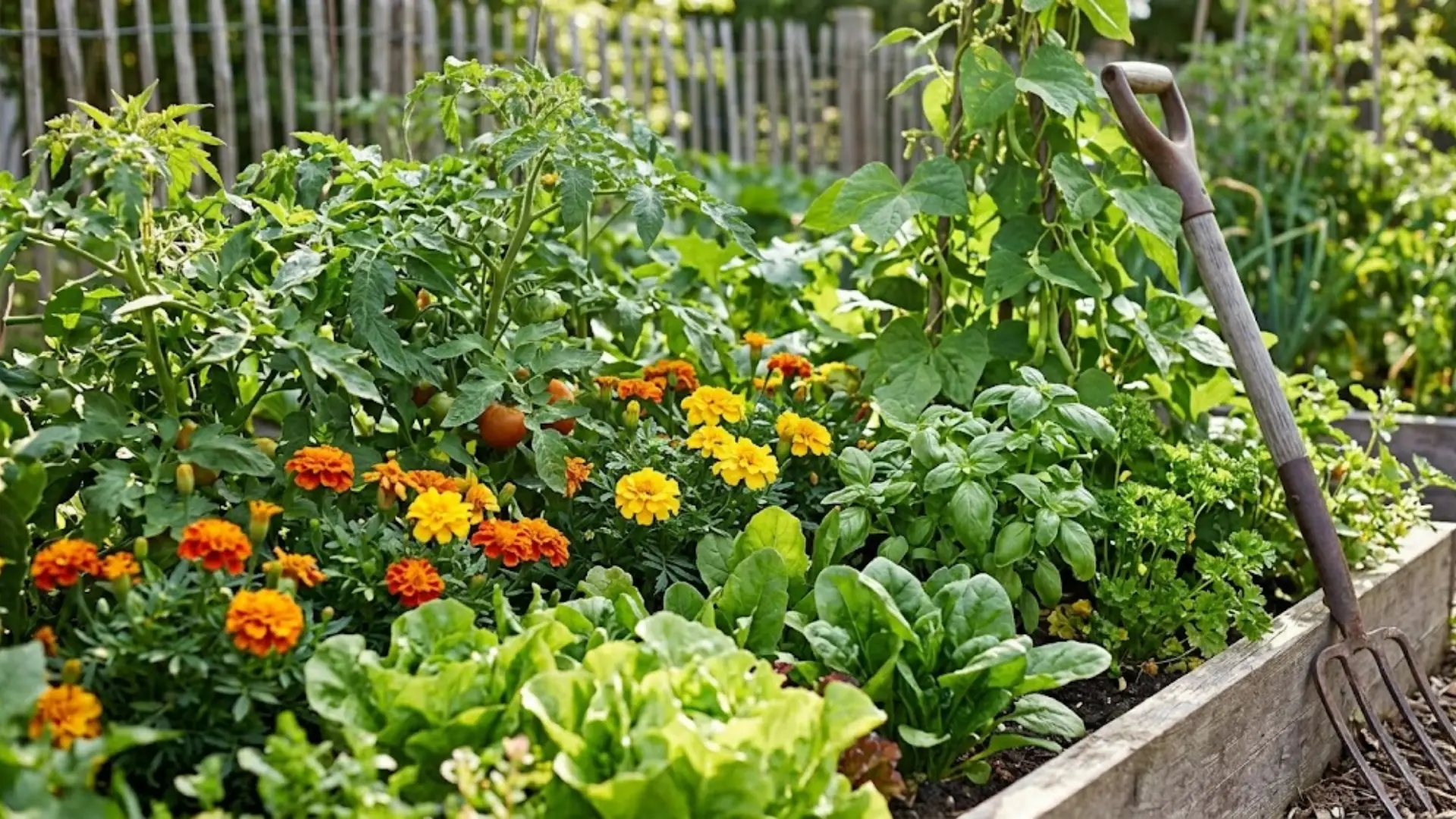
Encouraging Natural Pollinators: Planting pollinator-friendly flowers like marigolds nearby consistently attracts bees and improves fruit set across the whole plant.
-
Hand Pollination for Improved Fruit Set. When bee activity is low, transferring pollen from a male to a female flower using a small brush is a simple and effective fix.
Harvesting and Storing Cantaloupe Properly
Knowing when and how to harvest makes all the difference in getting the best out of cantaloupe plants.
The skin shifts from green to creamy yellow or tan, the stem separates easily with light pressure, and a sweet fragrance becomes noticeable near the blossom end.
Morning harvests tend to preserve flavor better than picking later in the day.
- Store uncut fruit at room temperature for up to five days
- Refrigerate cut cantaloupe and consume within three days
- Keep away from ethylene sensitive produce like berries
Growing Cantaloupe in Small Spaces
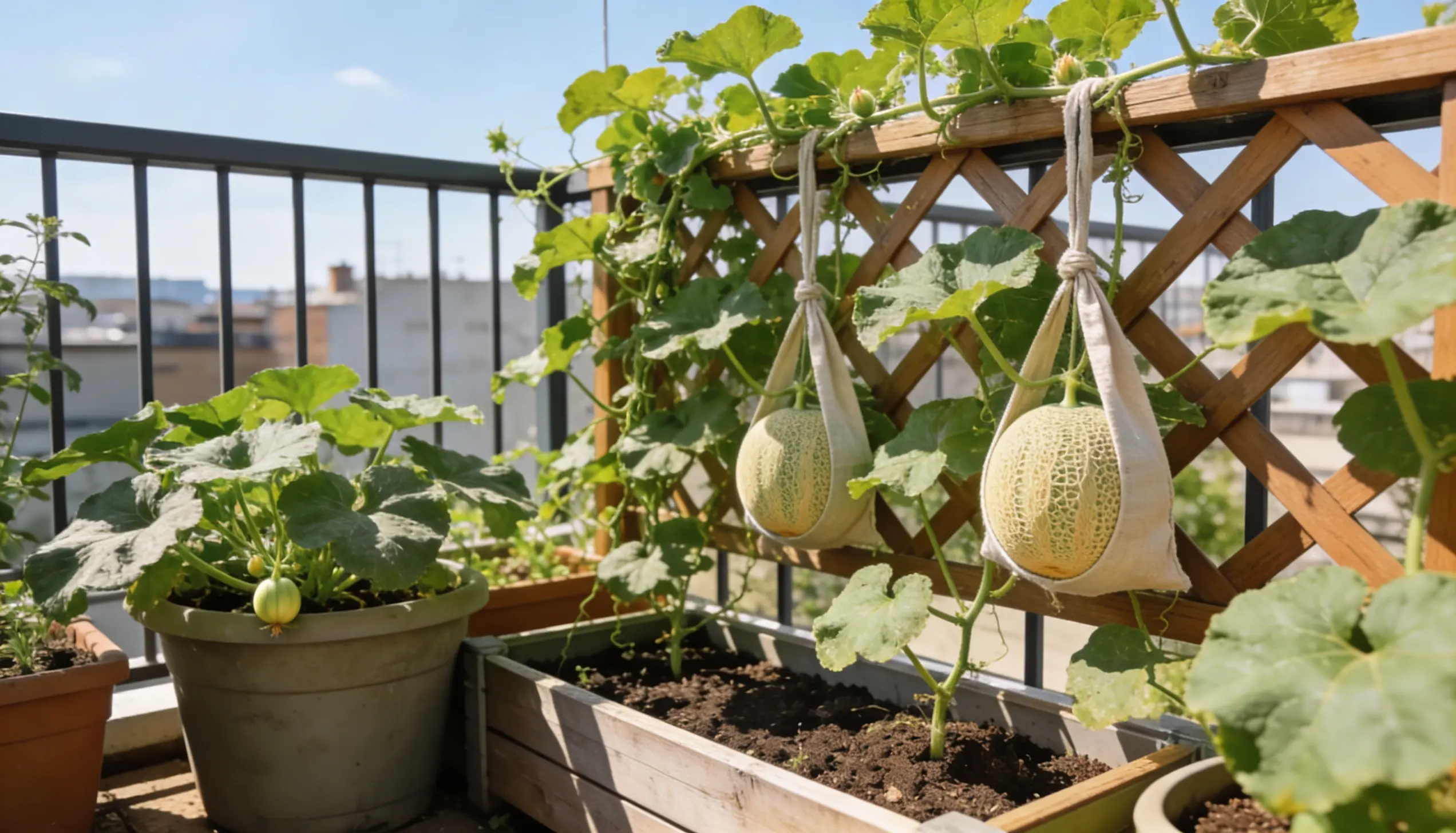
Growing cantaloupe plants in a limited space is entirely possible with the right setup.
Large containers of at least five gallons work well for compact varieties like Honey Rock.
Raised beds give roots room to spread while keeping soil conditions controlled and consistent. On balconies, a trellis along a railing makes good use of vertical space.
Fruits growing on a trellis need small slings made from fabric or netting to support their weight as they develop.
Benefits of Cantaloupe
Cantaloupe is more than just a refreshing summer fruit. It offers a solid range of nutritional benefits, making it worth growing for more the just taste.
For anyone putting in the effort to grow a cantaloupe at home, knowing what the fruit actually offers makes the whole process feel even more worthwhile.
- High in vitamins A and C for immunity and skin health
- Rich water content supports hydration through summer
- Low in calories and easy to fit into a balanced diet
- Contains antioxidants that help reduce inflammation
- Good source of potassium that supports heart health and blood pressure
Conclusion
Growing a cantaloupe plant well comes down to three things: warm soil at planting, consistent water through fruit set, and the patience to leave the fruit on the vine until it tells you it is ready.
Most first-season growers get two of the three right.
The one they miss is usually the last one, pulling the fruit a few days too early and wondering why the flavor fell flat. Get all three right and the harvest speaks for itself.
The season after that, you will not need to think about any of them.
Frequently Asked Questions
1. Can Cantaloupe be Grown Alongside Other Vegetables?
Yes, cantaloupe grows well near corn and sunflowers, but should be kept away from potatoes and strong aromatic herbs, as they can interfere with vine development.
2. How Long Does a Cantaloupe Plant Take to Produce Fruit?
Most varieties take between 70 and 90 days from planting to harvest, depending on the variety and local growing conditions.
3. Can Cantaloupe Plants Survive Light Frost?
No, cantaloupe is highly frost sensitive and even a light frost can damage or kill the vines, so planting after the last frost date is essential.