Heating and cooling systems play a major role in maintaining comfort throughout the year, but they also account for a large portion of a home’s energy usage. When HVAC systems are forced to work harder than necessary, utility bills rise and equipment experiences additional wear and tear. Fortunately, homeowners can take several simple steps to improve efficiency, reduce energy consumption, and keep their homes comfortable in every season. Professionals at T&T Plumbing, Heating, Air Conditioning & Geothermal often recommend focusing on a combination of maintenance, airflow, and smart energy habits to maximize HVAC performance.
Change Air Filters Regularly
One of the easiest and most effective ways to improve heating and cooling efficiency is replacing air filters on a regular basis. Dirty filters restrict airflow, forcing the system to work harder to circulate air throughout the home. This not only increases energy usage but can also shorten the lifespan of HVAC equipment.
Most homeowners should check filters monthly and replace them as needed, especially during periods of heavy heating or cooling use. Clean filters help maintain proper airflow, improve indoor air quality, and support efficient system operation.
Use a Programmable Thermostat
A programmable or smart thermostat can significantly reduce energy waste by automatically adjusting temperatures based on your schedule. Lowering the temperature during winter nights or increasing it slightly while away during the summer can lead to noticeable savings.
Smart thermostats help eliminate unnecessary heating and cooling when no one is home while ensuring comfortable temperatures when occupants return. These small adjustments can make a big difference over time.
Seal Air Leaks
Many homes lose a surprising amount of conditioned air through gaps around doors, windows, and other openings. When heated or cooled air escapes, HVAC systems must run longer to maintain desired temperatures.
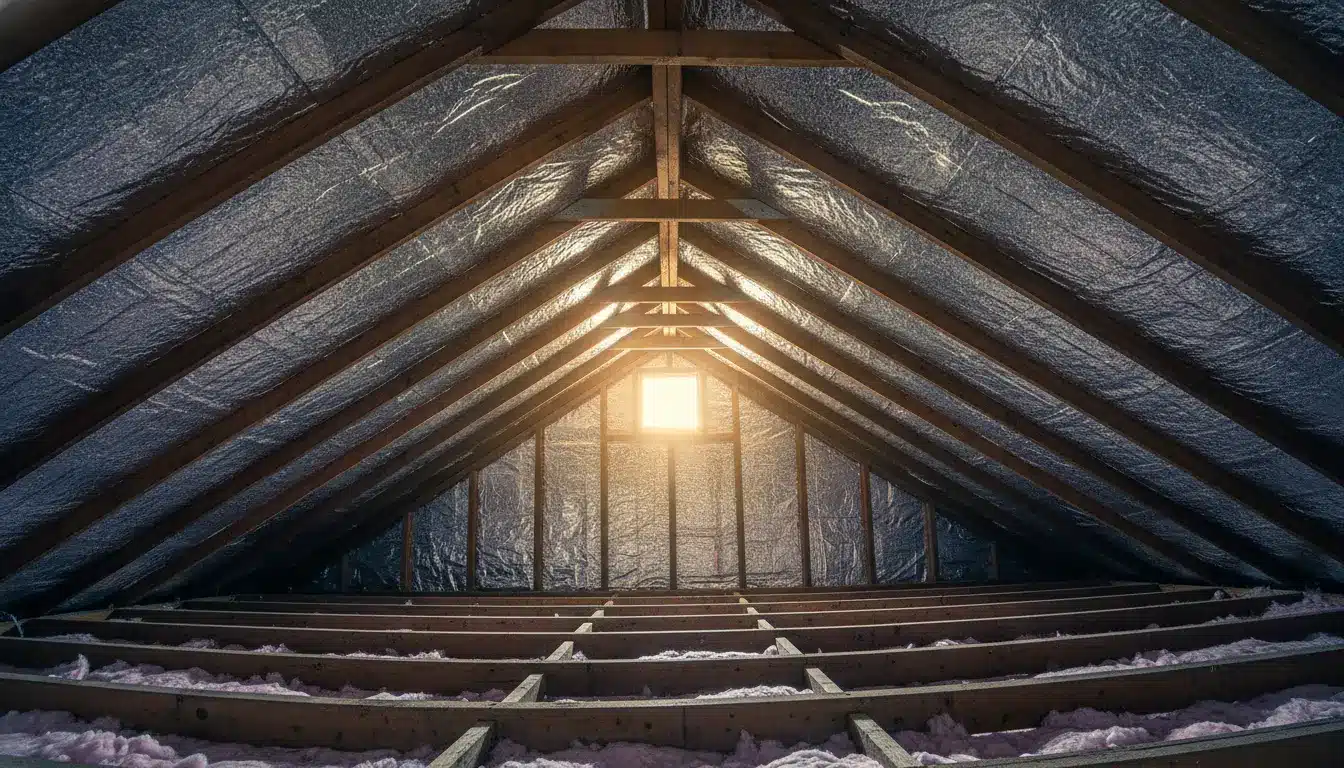
Inspecting and sealing leaks with weatherstripping or caulk helps keep conditioned air inside where it belongs. Improved insulation and air sealing reduce the workload on heating and cooling equipment while enhancing overall comfort.
Keep Vents and Registers Clear
Blocked vents can restrict airflow and create uneven temperatures throughout the home. Furniture, rugs, curtains, and other household items often obstruct vents without homeowners realizing it.
Make sure all supply and return vents remain open and unobstructed. Proper airflow allows the HVAC system to distribute air efficiently and helps maintain consistent temperatures in every room.
Schedule Routine Maintenance
Regular HVAC maintenance is one of the most important steps homeowners can take to improve efficiency. Professional inspections help identify worn components, dirty coils, refrigerant issues, and other problems that can reduce performance.
Seasonal tune-ups ensure systems operate at peak efficiency before periods of heavy use. Routine maintenance can also help prevent unexpected breakdowns and extend equipment lifespan.
Utilize Ceiling Fans
Ceiling fans can complement heating and cooling systems by improving air circulation. During summer, fans create a cooling effect that may allow homeowners to raise thermostat settings without sacrificing comfort. In winter, reversing the fan direction helps push warm air down from the ceiling and distribute heat more evenly.
Improve Overall Efficiency
Small improvements often lead to meaningful energy savings. By replacing filters, sealing air leaks, using smart thermostat settings, and scheduling regular maintenance, homeowners can reduce utility costs while improving comfort. Working with trusted professionals such as T&T Plumbing, Heating, Air Conditioning & Geothermal helps ensure heating and cooling systems remain efficient, reliable, and prepared to handle Indiana’s changing weather conditions throughout the year.