Metal buildings have come a long way. What was once seen as a purely utilitarian structure—good for storage, workshops, and agricultural use—has evolved into a flexible building type used for offices, retail, manufacturing, and even residential projects. But many older metal buildings still carry the same weakness: poor insulation.
If you want to modernise a metal building, insulation is one of the smartest places to start. It affects comfort, energy efficiency, moisture control, sound levels, and even how professional the building feels to the people using it. A fresh coat of paint can update appearances, but better insulation changes how the building performs every day.
Why Older Metal Buildings Often Underperform
Metal is durable, but it is also highly conductive. That means it transfers heat quickly, which becomes a problem in both hot and cold climates. In summer, solar heat can turn an uninsulated building into an oven. In winter, interior warmth escapes just as easily. The result is a space that feels inconsistent, expensive to condition, and difficult to use year-round.
Many older metal buildings were constructed with minimal insulation or systems that no longer meet current expectations. In some cases, the insulation has compressed, shifted, absorbed moisture, or simply stopped doing its job. Even when a building is structurally sound, the envelope may be working against you.
That matters more now than it did a decade ago. Energy costs have climbed. Occupants expect comfort. Businesses are paying closer attention to operating expenses and building performance. Modernisation today is not just about aesthetics—it is about creating a smarter, more resilient space.
What Better Insulation Actually Improves
When people think about insulation, they usually think about temperature. That is part of the story, but not the whole thing.
Thermal Stability
A properly insulated metal building is easier to heat and cool because it slows heat transfer through the roof and walls. HVAC systems do not have to work as hard, and indoor temperatures stay more stable throughout the day.
Moisture and Condensation Control
Condensation is a common issue in metal structures. When warm, humid air meets a cooler metal surface, water can form. Over time, that can lead to corrosion, mold concerns, damaged contents, and reduced insulation performance. A better insulation strategy helps control the surface temperatures where condensation happens.
Noise Reduction
Rain on a metal roof, equipment vibrations, exterior traffic—these sounds are amplified in poorly insulated structures. Modern insulation can noticeably reduce echo and outside noise, making the building more usable for staff, customers, or tenants.
Occupant Experience
A building that is drafty, noisy, or too hot near the ceiling never really feels finished. Better insulation improves the day-to-day experience, and that matters whether the building is used for light industrial work or client-facing operations.
Choosing the Right Insulation Strategy
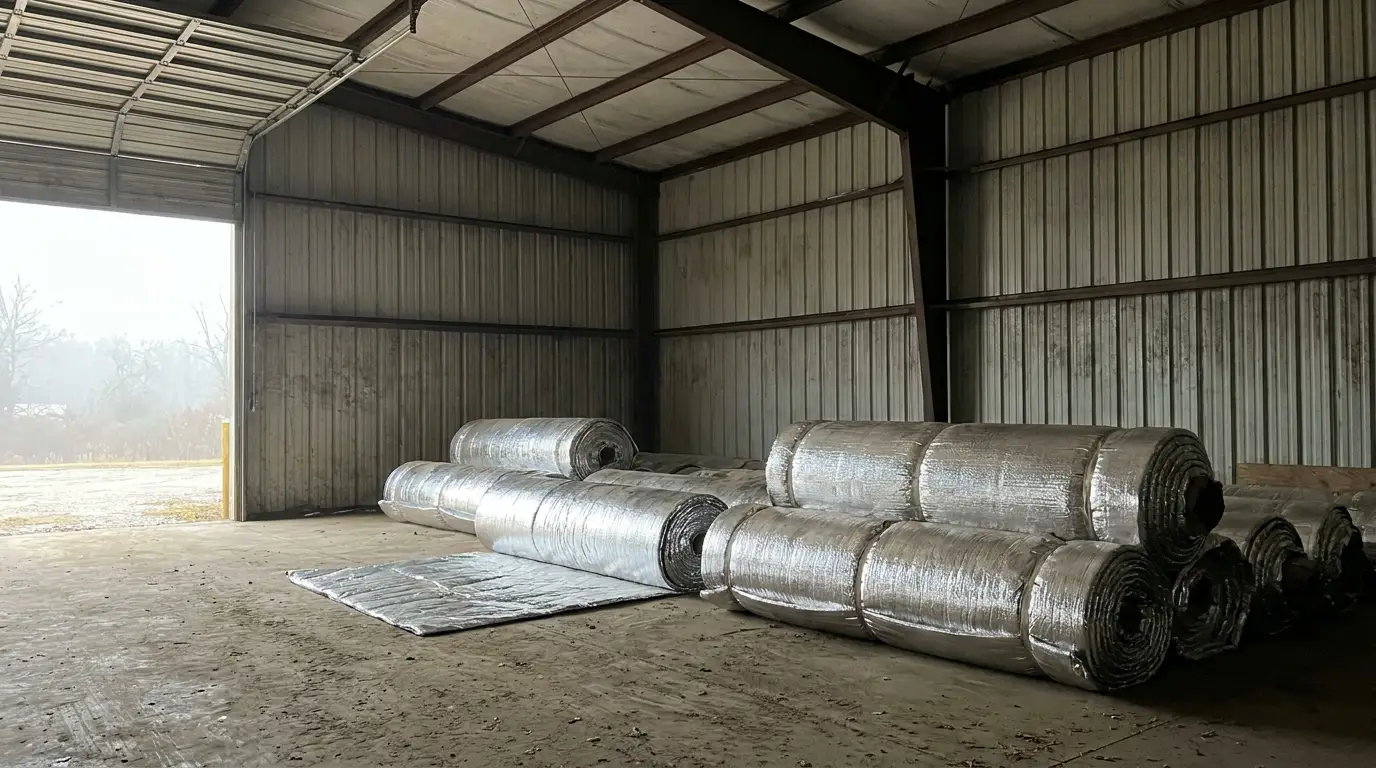
Not every insulation upgrade looks the same. The best approach depends on the building’s age, use, climate, ventilation, and budget. Some owners focus only on R-value, but performance in metal buildings often requires a broader view.
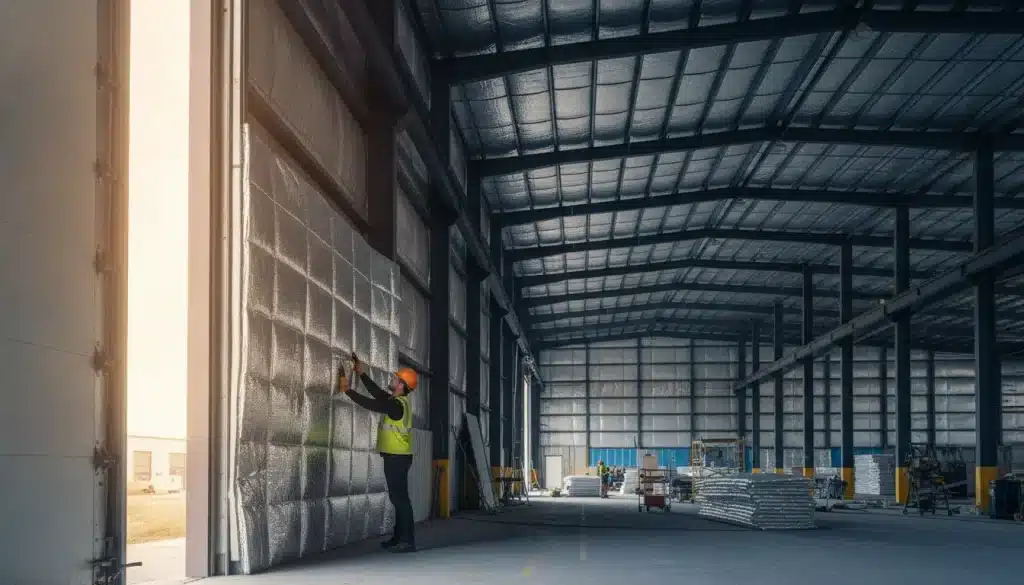
For example, reflective systems can play an important role in reducing radiant heat gain, particularly in roof assemblies where the sun drives interior temperatures upward. Owners comparing options often look into solutions like radiant barrier insulation for steel structures when trying to reduce heat load without major structural changes. The key is to treat insulation as part of the whole building envelope rather than an isolated product choice.
Areas Where Insulation Upgrades Have the Biggest Impact
Roof Systems
In most metal buildings, the roof is the biggest source of heat gain. If the building gets unbearably hot in summer, start there. Upgrading roof insulation can reduce interior temperature swings and improve HVAC efficiency almost immediately.
Walls and Framing Details
Wall insulation matters too, especially in conditioned buildings. But it is also important to address thermal bridging—the way metal framing allows heat to bypass insulation layers. A wall can appear insulated on paper and still underperform in practice if those pathways are ignored.
Doors, Openings, and Transitions
Modernisation is often undermined by weak points around roll-up doors, personnel doors, skylights, and roof-to-wall transitions. If air leakage is not addressed, even a good insulation package can fall short. Think of this less as adding material and more as tightening the building envelope.
Signs Your Metal Building Needs an Insulation Upgrade
Sometimes the building tells you what it needs. Common warning signs include:
- Large temperature swings between morning and afternoon
- Condensation on ceilings or walls
- High heating and cooling bills
- Uneven comfort from one area to another
- Excessive noise during rain or wind
- Visible sagging, damaged, or outdated insulation materials
If several of these issues are showing up at once, the insulation system is probably overdue for a rethink.
Modern Insulation Is About Performance, Not Just Thickness
It is easy to assume that more insulation automatically means better performance. In reality, installation quality, air sealing, vapor control, and product suitability matter just as much. A thick insulation layer with gaps, compression, or poor detailing can underdeliver. A well-designed system that accounts for heat flow, moisture, and building use often performs far better.
This is especially true in multi-use metal buildings. A warehouse with occasional occupancy has different needs than a fabrication shop, fitness space, or converted office. Modernisation works best when insulation choices reflect how the space is actually used now—not how it was used when it was built.
Making the Upgrade Worthwhile
Insulation upgrades are often judged by energy savings alone, but that is too narrow. Yes, lower utility costs matter. So does extending the life of HVAC equipment by reducing its workload. But there are softer returns too: improved comfort, fewer moisture-related issues, a quieter environment, and a building that feels more functional and future-ready.
That broader value is why insulation is often one of the most practical modernisation projects for metal buildings. It does not require changing the entire structure, yet it can transform how the space performs.
Final Thoughts
Modernising a metal building is not always about dramatic renovation. Sometimes the most meaningful improvements happen behind the scenes. Better insulation can make an older structure feel more comfortable, efficient, and adaptable without changing its core footprint.
If your metal building still struggles with heat, condensation, noise, or rising energy costs, insulation is not a minor upgrade—it is foundational. Get that part right, and nearly every other improvement works better because of it.