
Employees spend a large part of their day at work, so workplace well-being can directly affect how they feel, focus, and perform.
A thoughtful wellness program gives companies a practical way to support employees without making it feel forced or complicated.
When planned well, it can improve morale, encourage healthier habits, and create a more supportive work culture.
This blog shares workplace wellness activities that can help teams feel more balanced, engaged, and cared for.
How Do Wellness Activities Fit Into a Wellness Program?
A wellness program is the larger plan a company uses to support employee well-being. Wellness activities are the smaller actions inside that plan.
For example, a wellness program may include health sessions, team activities, mental health support, or financial wellness resources.
Each activity supports a specific part of employee wellness. The program works best when it is based on real employee needs, not random perks.
Good wellness activities should be easy to join, inclusive, voluntary, practical, linked to clear goals, and simple to measure.
The goal is not to copy every idea. It is to choose activities that fit the team, budget, and workplace culture.
Types of Wellness Activities to Include in a Workplace Wellness Program
Wellness is not only about fitness. It also includes mental health, social connection, nutrition, money habits, and work-life balance. These are the main types of wellness activities companies can include.
Physical Wellness Activities

Physical wellness activities help employees move more, sit less, and take better care of their bodies during the workday.
These ideas work well for office teams, remote workers, and hybrid teams.
1. Step Challenges
A step challenge is one of the easiest wellness activities to start. Employees can track their daily steps and join either individually or as part of a team.
To keep it simple, set a weekly or monthly goal. The goal should feel realistic, not stressful. Companies can also offer small rewards, like gift cards, extra break time, or team recognition.
2. Walking Meetings
Walking meetings are a great option for short discussions. They help employees move while still getting work done.
These meetings work best for one-on-one check-ins, brainstorming calls, or casual updates. For remote teams, employees can take the call while walking outside or around their home.
3. Desk Stretch Sessions
Desk stretch sessions help reduce stiffness from long hours of sitting. These can be 5-minute sessions during the day.
Simple stretches for the neck, shoulders, back, wrists, and legs can make employees feel more comfortable. A team lead, trainer, or short video can guide the session.
4. Yoga or Fitness Classes
Yoga and fitness classes can support strength, flexibility, and stress relief. Companies can offer weekly in-person classes or virtual sessions.
To make this activity more inclusive, offer beginner-friendly options. Employees should feel free to join at their own pace.
5. Ergonomic Workspace Checks
An ergonomic check helps employees set up their workspaces more healthily. This can include chair height, screen position, keyboard placement, and posture tips.
This wellness activity is useful for both office and remote employees. A better setup can help reduce neck pain, back pain, wrist strain, and eye fatigue.
6. Bike-to-Work Days
Bike-to-work days encourage employees to add movement to their commute. This activity can also support a greener workplace culture.
Companies can make it easier by offering bike parking, access to showers, or small rewards for participation.
7. Standing Desk Breaks
Standing desk breaks help employees avoid sitting for too long. Even employees without standing desks can stand during short calls or quick tasks.
A simple reminder every hour can help employees build this habit.
8. Office Fitness Bingo
Fitness bingo adds fun to physical wellness. Each bingo square can include a simple task, such as taking the stairs, stretching for five minutes, drinking water, or walking during lunch.
Employees can complete the card over the course of a week or a month.
Mental Wellness Activities
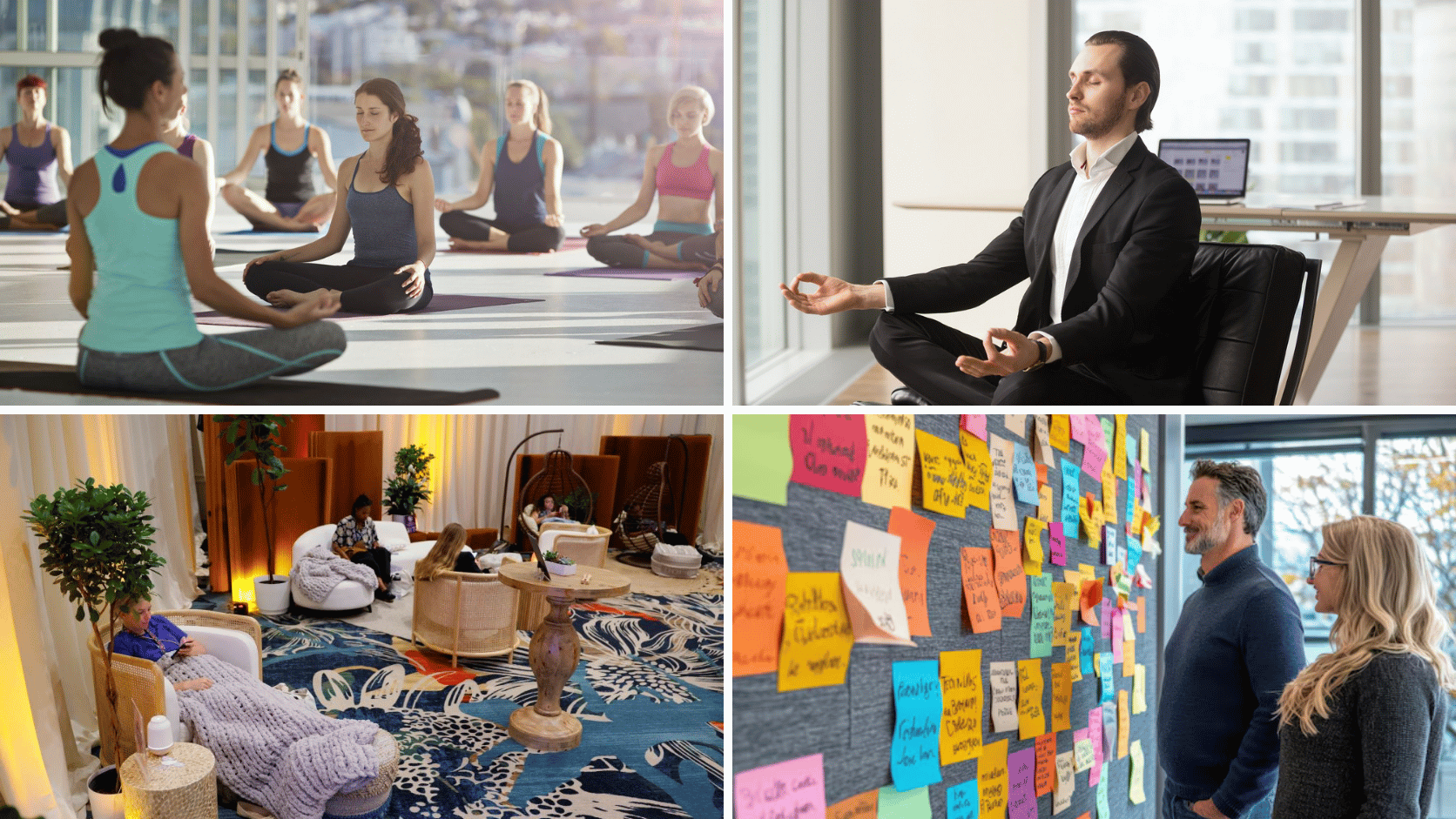
Mental wellness activities help employees manage stress, reset their minds, and feel supported. These activities are important because work pressure can affect focus, mood, sleep, and energy.
9. Guided Meditation
Guided meditation gives employees a quiet moment to pause. Sessions can be short, around 5 to 10 minutes. This activity works well before a busy workday, after lunch, or at the end of the week.
It can be led by a teacher, an app, or a recorded video.
10. Breathing Breaks
Breathing breaks are quick and easy. Employees can take one or two minutes to breathe slowly between tasks or meetings.
This is a low-cost wellness activity that can help reduce stress during busy days.
11. Mental Health Days
Mental health days give employees time to rest when they feel overwhelmed. These days can help prevent deeper burnout.
For this activity to work, employees should feel safe using the time without guilt or judgment.
12. Stress Management Workshops
Stress management workshops teach employees practical ways to handle pressure.
Topics can include signs of burnout, time management, healthy boundaries, and emotional balance. These workshops should feel useful and simple, not too clinical or heavy.
13. Quiet Rooms or Calm Zones
A quiet room gives employees a place to reset during the workday. This can be helpful for employees who feel overstimulated, tired, or stressed.
The space does not need to be fancy. A quiet corner with comfortable seating can work well.
14. Counseling or Employee Assistance Resources
If the company offers counseling or employee assistance resources, employees should know how to use them.
Send clear reminders about what support is available, how to access it, and whether it is private. This can make employees more comfortable asking for help.
15. No-Meeting Mental Reset Blocks
A no-meeting block gives employees time to focus without back-to-back calls. This can reduce mental fatigue and help employees complete more in-depth work.
Many teams use one afternoon per week or a few hours each day for meeting-free time.
16. Gratitude Notes
Gratitude notes are a simple mental wellness activity. Employees can write one thing they are thankful for or recognize a teammate who helped them.
This can create a more positive workplace mood without taking much time.
Social Wellness Activities

Social wellness activities help employees feel connected to their team. These ideas can improve morale, trust, and communication.
17. Team Lunches
Team lunches give employees time to talk outside normal work tasks. They can be in person or virtual. To keep it inclusive, offer a variety of food options and avoid making attendance feel required.
18. Volunteer Days
Volunteer days allow employees to support a cause together. This can help teams bond while doing something meaningful.
Companies can choose local charities, environmental cleanups, community events, or virtual volunteering options.
19. Peer Recognition Activities
Peer recognition helps employees feel valued. Teams can share shout-outs during meetings, in chat channels, or on a recognition board.
This activity works best when praise is specific. For example, mention what the person did and why it helped.
20. Wellness Buddy Systems
A wellness buddy system pairs employees who want to build healthy habits together. Buddies can remind each other to walk, stretch, drink water, or take breaks.
This activity adds accountability without making wellness feel too formal.
21. Group Hobby Clubs
Hobby clubs help employees connect through shared interests. Clubs can focus on books, music, cooking, gardening, running, art, games, or movies.
These clubs give employees another way to build workplace friendships.
22. Team Wellness Challenges
Team wellness challenges can focus on steps, hydration, sleep, meditation, or healthy meals.
The challenge should feel friendly, not stressful or competitive. Keep the rules simple and the rewards light.
23. Coffee Chat Pairings
Coffee chat pairings help employees meet people outside their usual team. This is useful for remote or hybrid workplaces.
Pair employees at random once a month and let them have a short, casual chat.
24. Appreciation Wall
An appreciation wall can be physical or digital. Employees can post kind notes, wins, or thank-you messages. This creates a visible culture of support and recognition.
Nutrition-Based Wellness Activities

Nutrition-based wellness activities help employees make better food and drink choices during the day.
These activities should focus on support, not food rules or guilt.
25. Healthy Snack Stations
Healthy snack stations give employees easy access to better snack options. These may include fruit, nuts, yogurt, whole-grain snacks, or low-sugar choices.
For remote teams, companies can share snack boxes or healthy snack ideas.
26. Hydration Challenges
A hydration challenge encourages employees to drink enough water. Employees can track water intake for a week or a month.
Make the challenge simple. The goal is to build awareness, not pressure people.
27. Nutrition Workshops
Nutrition workshops can teach employees about balanced meals, smart snacking, meal planning, and reading food labels.
These sessions should use practical examples. Avoid making the content feel strict or diet-focused.
28. Healthy Potluck Days
A healthy potluck lets employees share homemade or balanced meals. It can also help teams learn about different food cultures.
Ask employees to label ingredients when possible. This helps people with allergies or dietary needs.
29. Cooking Demos
Cooking demos can show employees how to prepare quick and healthy meals. These can be done in person or virtually.
Good topics include easy breakfasts, work lunches, high-protein snacks, or budget-friendly meals.
30. Balanced Meal Education
Balanced meal education helps employees understand how to build meals that support energy and focus. This can be shared through short emails, posters, videos, or lunch-and-learn sessions.
31. Fruit Days
Fruit days are simple and low-cost. The company can offer fresh fruit in the office once a week. This gives employees an easy snack option and adds a small wellness touch to the workday.
32. Healthy Recipe Swaps
A recipe swap lets employees share quick, healthy, and budget-friendly meal ideas. This works well in a team chat, newsletter, or shared document. Employees can save recipes and try them at home.
Financial Wellness Activities

Financial wellness activities help employees feel more confident about money.
Financial stress can affect sleep, focus, and overall well-being, so this area matters in a workplace wellness program.
33. Budgeting Workshops
Budgeting workshops teach employees how to plan monthly spending, savings, and bills. Keep the session practical. Use simple examples and avoid making people feel judged about money choices.
34. Retirement Planning Sessions
Retirement planning sessions help employees understand long-term savings options. These sessions can be useful for employees at every career stage.
Topics may include employer contributions, retirement accounts, compound growth, and savings goals.
35. Debt Management Education
Debt management education can help employees understand loans, credit cards, interest rates, and repayment plans.
This topic should be handled with care. Employees should not be asked to share personal financial details in a group setting.
36. One-on-One Financial Coaching
Some employees may prefer personal support. One-on-one financial coaching provides them with private help with budgeting, saving, debt management, or planning.
The company should make it clear that personal financial information stays private.
37. Benefits Education Sessions
Many employees do not fully understand their workplace benefits. A benefits education session can explain health insurance, paid leave, retirement plans, wellness perks, and other support.
This helps employees use the benefits they already have.
38. Emergency Fund Challenges
An emergency fund challenge encourages employees to set aside small amounts over time.
The challenge can focus on building a starter emergency fund. The amount should be flexible so employees can join based on their situation.
39. Financial Wellness Newsletters
A short monthly financial wellness newsletter can share tips on saving, budgeting, benefits, and money planning.
Keep the advice simple and easy to use.
Work-Life Balance Wellness Activities
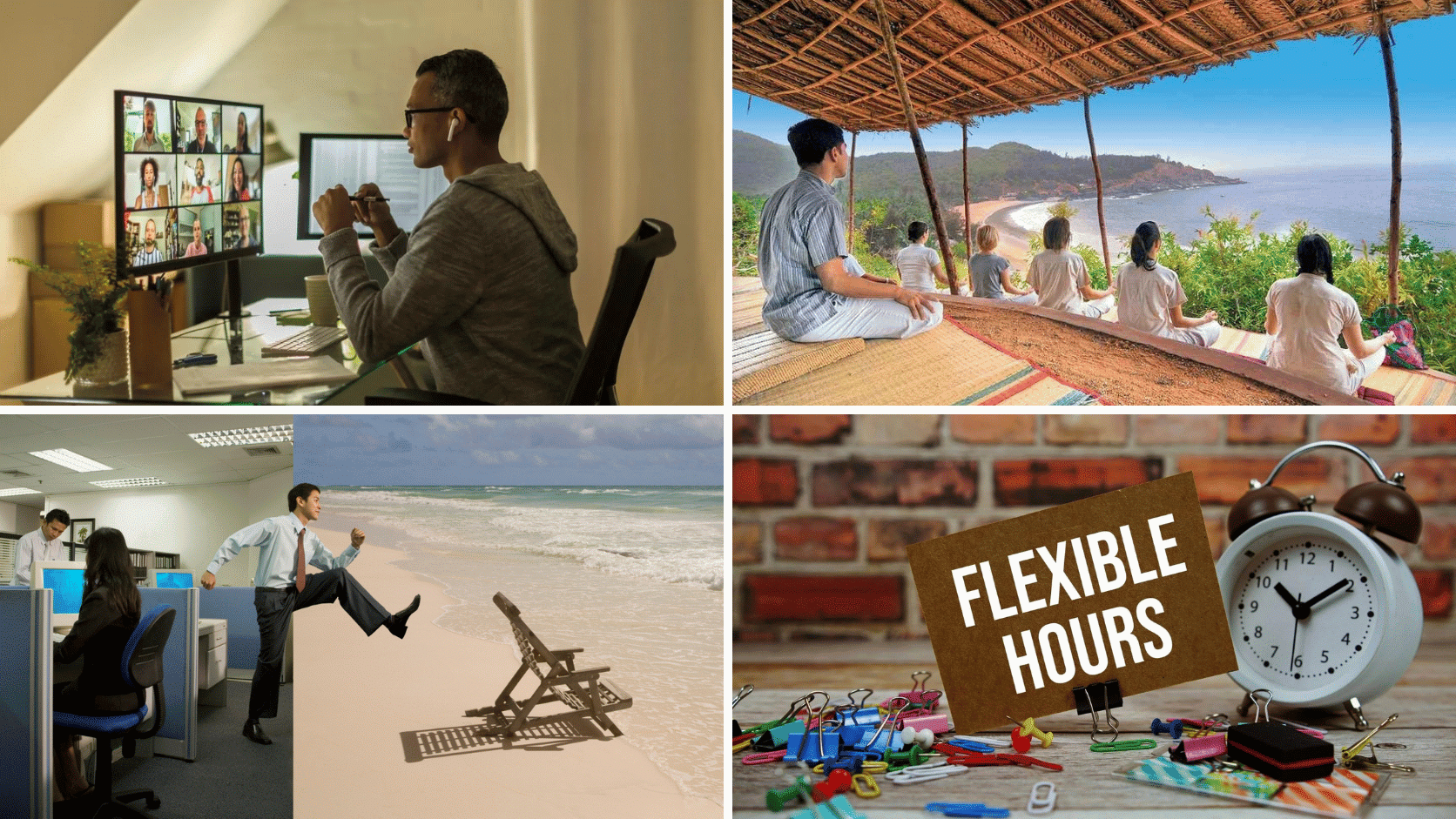
Work-life balance activities help employees protect their time, energy, and personal life. These ideas are often some of the most valuable parts of a wellness program.
40. Flexible Work Hours
Flexible work hours allow employees to adjust their schedule when possible. This can help with commuting, family needs, health appointments, or personal responsibilities.
Flexibility builds trust and can reduce daily stress.
41. No-Meeting Blocks
No-meeting blocks give employees time for focused work. This helps reduce meeting fatigue and constant task switching.
Teams can set no-meeting hours daily or choose one meeting-free day each week.
42. Paid Wellness Breaks
Paid wellness breaks allow employees to step away from work without feeling guilty. They can use the time to walk, stretch, rest, meditate, or reset.
This activity works best when managers support it openly.
43. Remote or Hybrid Work Options
Remote and hybrid work options can support employees who need more control over their work environment.
These options may help reduce commute stress and improve personal time management.
44. Clear After-Hours Communication Rules
Clear after-hours rules help employees disconnect from work. Teams should know when messages need a response and when they can wait.
This can reduce pressure and support better rest.
45. Encourage Vacation Time
Employees should feel comfortable using their vacation days. Managers can support this by planning coverage and avoiding guilt around time off.
Rest is an important part of any wellness program.
How to Build an Effective Workplace Wellness Program?
A wellness program only works when employees find it useful. If the program feels forced, unclear, or out of touch, participation may stay low.
This is how to build a wellness program that employees are more likely to use.
Step 1: Ask Employees What They Need
Use short surveys, polls, or quick check-ins to understand what employees want. This helps companies choose wellness activities that feel useful, relevant, and easy to join.
Step 2: Set Clear Wellness Goals
Choose a clear goal before starting the wellness program. It may focus on reducing stress, improving work-life balance, supporting physical health, or building better team morale.
Step 3: Offer Different Wellness Activities
Give employees options tailored to their needs. Include activities for physical, mental, social, financial, nutrition, and work-life balance support.
Step 4: Start Small
Begin with a few simple activities instead of launching too many at once. Small steps make the program easier to manage and improve over time.
Step 5: Keep It Voluntary
Let employees join wellness activities by choice. Respect their privacy, comfort levels, health needs, and personal boundaries so the program feels supportive.
Step 6: Track and Improve
Review participation and feedback regularly. Keep the activities employees like, adjust what does not work, and update the program as employees’ needs change.
Why Workplace Wellness Activities Matter
Workplace wellness activities matter because employees are not machines. They need rest, movement, connection, support, and balance to do their best work.
| Focus | How Wellness Activities Help |
|---|---|
| Reduce Stress & Burnout | Provide breaks, mental health support, quiet spaces, and flexibility. Supports healthier workloads. |
| Boost Engagement | Show employees they are valued to encourage participation and connection. |
| Improve Team Morale | Group activities (walks, volunteer days, hobby clubs) build trust and inclusion. Include individual options too. |
| Build Healthy Habits | Simple daily habits (walking, hydration, stretch breaks, no-meeting blocks) become consistent and easy. |
These habits may seem small, but they can add up over time. The key is consistency.
Measuring the Impact of Workplace Wellness Activities
A workplace wellness program should not be judged only by how many activities it offers. It should be measured by how useful those activities are for employees.
Tracking results helps companies understand what to keep, change, or remove. Use these points to track success:
- Employee participation rate: Track the number of employees who join each wellness activity. This shows which activities get the most interest.
- Employee feedback: Use short surveys or polls to learn what employees liked, disliked, or want to see next.
- Absenteeism and turnover trends: Review attendance and retention patterns to see if workplace wellness efforts are supporting employees over time.
- Engagement and satisfaction scores: Use employee surveys to check whether people feel supported, connected, and satisfied at work.
- Program ROI and value: Consider both business results and employee outcomes, such as improved morale, stronger culture, greater trust, and healthier daily habits.
Conclusion
Wellness at work isn’t just a program; it’s a mindset.
When a company genuinely invests in the people behind the desks, it sparks energy, creativity, and a sense of belonging that goes beyond any checklist.
A workplace that cares becomes a place where employees want to show up, collaborate, and stay a part of.
Start small, listen closely, and take the first step today. Choose one wellness activity to introduce this week and see how it transforms your workplace culture.