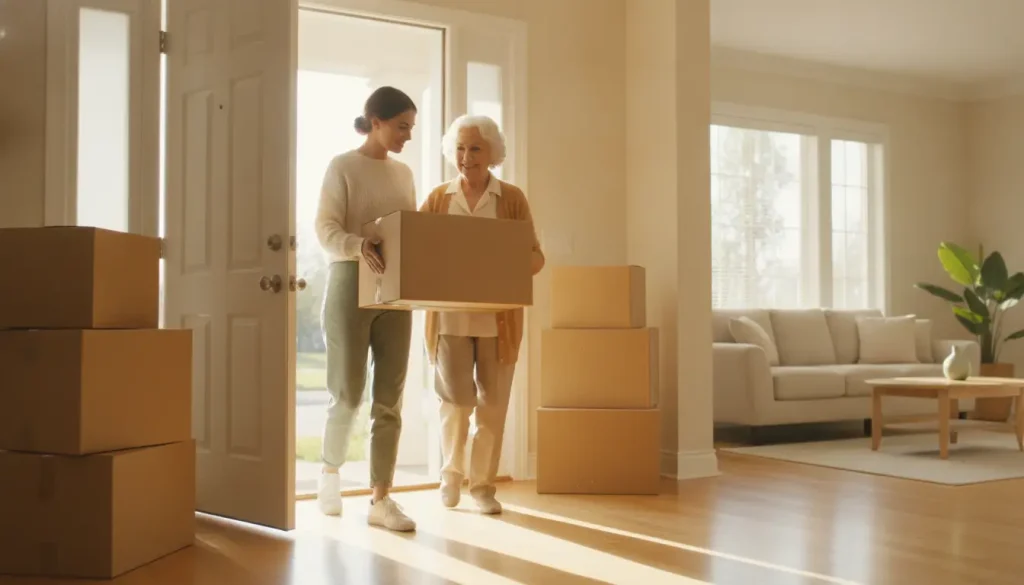
Moving into a new home can feel like a fresh start, but for older adults, it often comes with a mix of emotions and challenges. A home filled with decades of memories is not easy to leave behind, and the physical demands of moving can add another layer of stress. The good news is that with the right approach, this transition can feel far more manageable and even positive. A little extra planning, patience, and thoughtful support can go a long way in making the experience smoother. If you are helping a senior loved one relocate, these simple yet meaningful strategies can truly make a difference.
Start Planning Early
Build a Realistic Timeline
One of the most helpful things you can do is start the process sooner rather than later. When a move is rushed, even small decisions can feel overwhelming. Instead, try mapping out a loose timeline that spreads tasks over several weeks or even months. You can dedicate certain days to sorting, others to packing, and leave time for setting up services in the new home. This slower pace allows everyone to stay organized while giving your loved one time to prepare mentally for the change.
Create a Room-by-Room Checklist
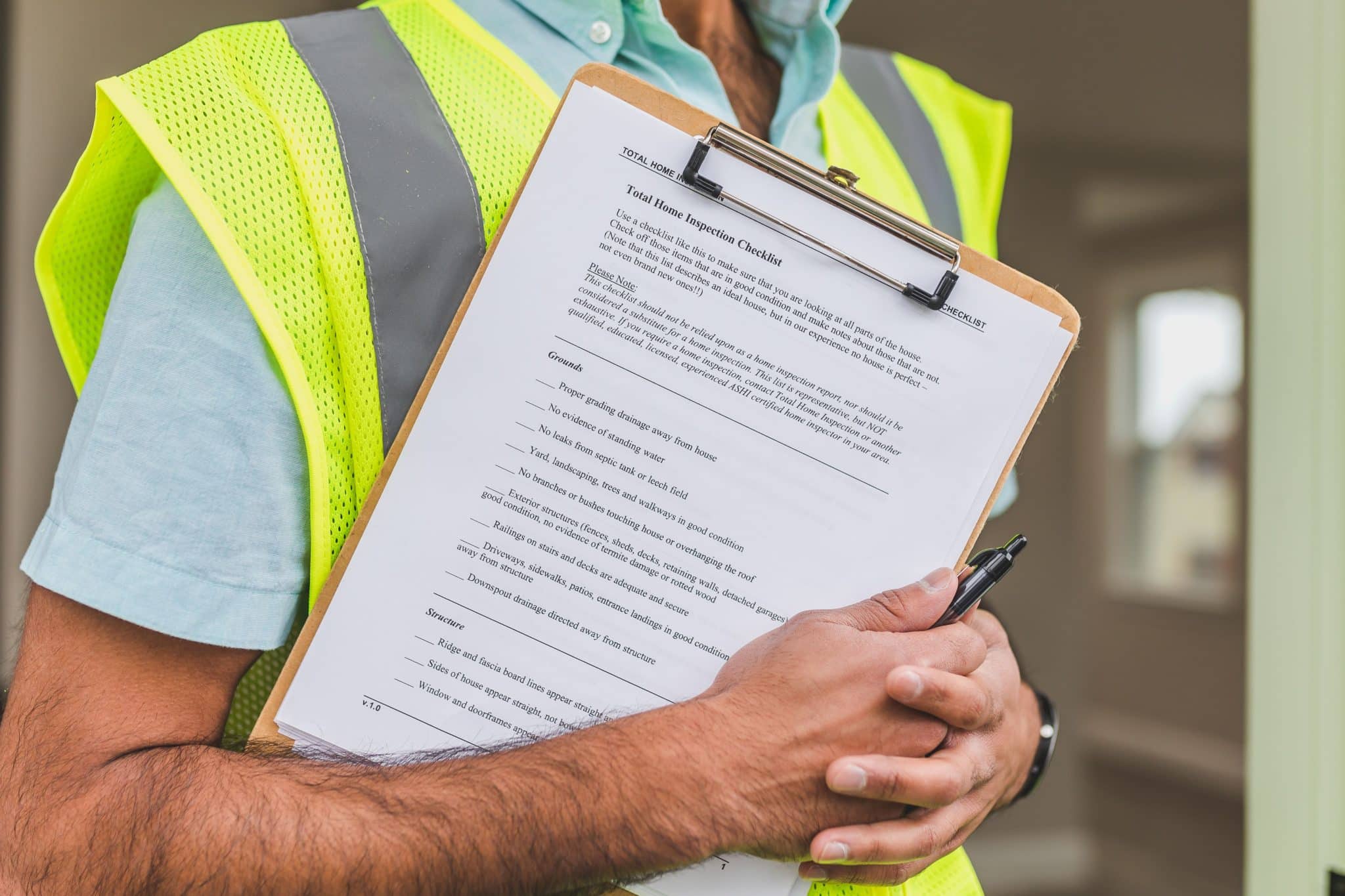
Rather than tackling the entire house at once, break tasks down into smaller and less overwhelming pieces. Focusing on one room at a time keeps the process from feeling chaotic. You might start with storage spaces or closets before moving into more sentimental areas like bedrooms or living rooms. As you go, create simple lists of what to keep, donate, sell, or pack. Watching each space come together can feel encouraging and help maintain momentum.
Keep Important Documents Accessible
During a move, there are certain items you will want within easy reach at all times. Gather important paperwork such as identification, medical records, insurance information, and financial documents into one secure folder. It is also helpful to keep everyday essentials like medications, glasses, and chargers nearby. Having these necessary items in easily accessible boxes can make the first few days in the new home feel far less stressful and much more comfortable.
Downsize with Care
Focus on Meaningful Belongings
Downsizing has been known to be one of the most emotional parts of moving, especially when so many items hold personal memories. Instead of rushing the process, take time to focus on what truly matters. Encourage your loved one to keep items that bring joy or serve a clear purpose, such as family photos, favorite furniture, or cherished keepsakes. When decisions are made with care and respect, the process often feels less overwhelming.
Donate or Share Unneeded Items
Letting go of certain belongings can actually feel rewarding when those items find a new home. Clothing, books, kitchen items, and décor that are no longer being used can be donated or passed along to family members. This not only reduces the number of things that need to be moved, but it can also create a sense of purpose. Sharing items with loved ones can turn downsizing into something meaningful rather than stressful.
Work in Short Sessions
Sorting through years of belongings can be exhausting if done all at once. Instead, break the process into shorter sessions with plenty of breaks in between. A few hours at a time often lead to better decisions and a more positive experience. This approach helps conserve energy and keeps frustration from building.
Hire Professional Movers and Packing Services
Reduce Physical Strain
Moving heavy furniture and lifting boxes is not something older adults should handle alone. Professional movers can take on the most physically demanding parts of the process, using the right tools and techniques to do so safely. This lessens the danger of injury and allows everyone to focus on the transition itself rather than the labor. Having experienced help can make a noticeable difference on moving day.
Use Packing Services for Better Organization
Packing is often one of the most time-consuming parts of a move. Professional packing services can simplify this step by carefully wrapping, organizing, and labeling items. Fragile belongings and sentimental pieces are handled with extra care, which can bring peace of mind. It also makes unpacking much easier since everything arrives clearly organized and ready to go into place.
Choose Movers with Senior Experience
Some moving companies specialize in helping seniors relocate, and their experience can be incredibly valuable. They understand that this type of move involves more than just logistics. A team that is patient, respectful, and attentive can help construct a calmer, more supportive environment. From packing to setup, the right movers can make the entire experience feel more manageable.
Set Up the New Home for Safety
Arrange Furniture for Easy Movement
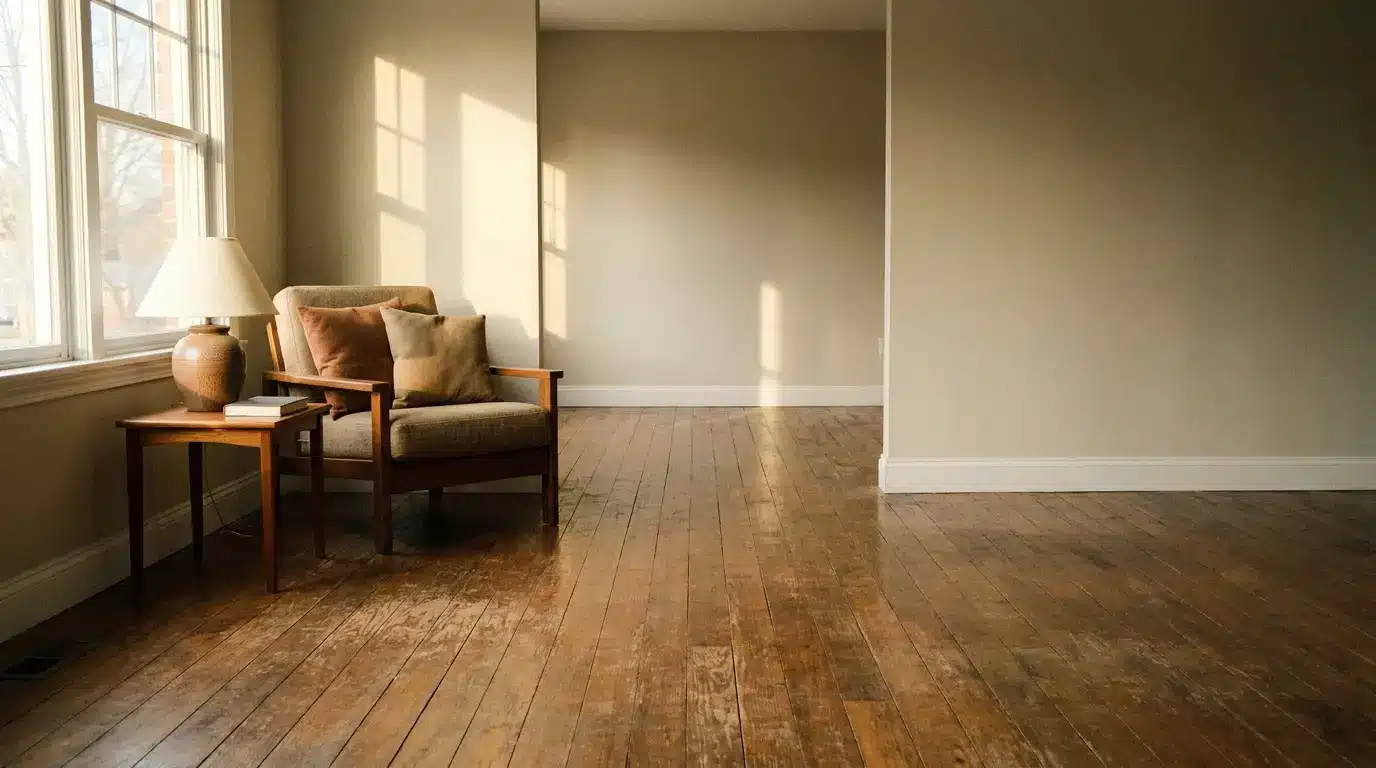
Before moving in, take a little time to think about how the new space should function. Arrange furniture in a way that allows for clear, open pathways. Avoid overcrowding rooms or placing items where they could become obstacles. Keeping repeatedly used items within easy reach can also make daily life more comfortable. A thoughtful layout can go a long way in creating a safe and welcoming environment.
Improve Lighting Throughout the Home
Good lighting can make a big difference in both comfort and safety. Brighten up hallways, bathrooms, and entryways with adequate lighting to reduce the risk of trips and falls. Adding lamps or nightlights can make it easier to move around after dark. A well-lit space not only feels safer but also more inviting.
Remove Common Hazards
Take a close look at the new home and address any potential hazards early on. Remove loose rugs, secure cords, and clear clutter from walkways. Consider adding grab bars in bathrooms or non-slip mats where needed. Small adjustments like these can help create a safer and more supportive living environment from the start.
Provide Emotional Support
Involve Them in Decisions
Including your loved one in decisions throughout the move can make a big difference. Whether it is choosing what to bring or deciding where furniture should go, even small choices can help restore a sense of control. Feeling involved often makes the transition feel less overwhelming and more positive.
Acknowledge the Emotional Side
Moving is not just a physical process—it is an emotional one as well. Leaving a longtime home can bring up feelings of sadness or uncertainty. Take time to listen and offer reassurance without rushing the process. Sometimes, simply being present and understanding can provide the most comfort.
Help Build New Routines
Once the move is complete, focus on creating a sense of familiarity in the new space. Unpack meaningful items first, such as photos, favorite blankets, or cherished décor. Encourage regular routines like shared meals, hobbies, or visits with loved ones. These small touches can help transform a new house into a comfortable home.
Conclusion
Helping an older adult move is about more than getting from one place to another. It is about creating a thoughtful, supportive experience that considers both practical needs and emotional well-being. With early planning, careful downsizing, professional support, and a focus on comfort and safety, the process can feel much more manageable. Taking the time to approach each step with care can turn what feels like a difficult transition into a positive new chapter.