Federal tax credits for energy-efficient door installations expired at the end of 2025, leaving many homeowners in Greenville, SC, and beyond without a key financial incentive. The good news? You can still make smart choices that pay off in the long run – you just need to approach it differently.
Understanding the Expired 25C Energy Credit
The Energy-Efficient Home Improvement Credit (25C) previously offered tax credits of up to $3,200 for qualified energy efficiency improvement installations, residential energy property and home energy audits. Homeowners could claim 30% of the cost up to $250 per exterior door, with a maximum of $500 total for all doors. This credit expired for any project installed after December 31, 2025.
To qualify for the 25C credit, exterior doors needed to be installed in a home owned and used by the taxpayer in the United States and meet specific ENERGY STAR criteria. If you were planning a door replacement around this incentive for your Greenville home, the expiration means it’s time to rethink your approach.
The Possibility of Claiming Past Tax Credits
If you installed qualifying doors in a previous tax year but forgot to claim the credit, you may still be able to receive your benefits. The IRS generally gives taxpayers a three-year window from the date they filed their original return to file an amended return.
According to Tax Outreach, if you filed taxes during a prior year but didn’t claim a tax credit, you’ll need to file an amended return by filling out Form 1040X for each year. “When you file a return three years after the original due date, you must mail your tax return to the IRS. If you file a tax return one or two years after the original due date, you can file it electronically (suggested) or mail it,” it adds.
A New Strategy for Maximizing Your Investment in 2026
Without federal incentives, you’ll want to focus on what really matters: picking a door that saves you money over time and lasts. Long-term energy savings and durability become even more critical when you’re covering the full cost up front.
Choosing the right energy-efficient door requires careful consideration of several factors. Installation quality matters just as much as the door itself, so look for companies with transparent quotes and strong reputations.
Understanding warranty coverage for both the product and labor can protect your investment for years to come. Plus, the material and energy-efficiency features you select now will directly impact your return on investment through reduced heating and cooling costs. Here are four steps to make the most of your door replacement budget.
Step 1: Compare Door Materials
Fiberglass, aluminum and steel are common options for door materials, each offering distinct advantages. Bradbury Group says that steel doors “have significantly higher insulation values than wooden and aluminum doors, resulting in lower heating and cooling costs for your property. Most steel doors are fitted with weather seals to prevent heat from escaping.”
Other factors beyond thermal performance also deserve consideration. For durability, aluminum resists weather damage and is unlikely to rust. Meanwhile, steel prevents shrinking, cracking or warping over time. In terms of maintenance, fiberglass offers low upkeep requirements and won’t rot, making it an attractive option if you’re looking for a set-it-and-forget-it solution.
Step 2: Understand Energy Performance Ratings
When you’re shopping for doors, you’ll see some technical numbers on the labels – here’s what actually matters. The U-Factor rating is the most critical metric, as it indicates how effectively a door transfers non-solar heat. Lower U-Factors mean better insulating properties. Meanwhile, the solar heat gain coefficient measures the solar radiation transmitted through a door.
Air leakage is also worth checking, since higher air leakage ratings can lead to temperature loss and unwanted airflow, which drive up energy costs. These numbers give you a way to compare apples to apples when you’re looking at different options.
Step 3: Ensure Professional Installation
Even the best door will underperform if it’s not installed correctly. When evaluating contractors, look for companies that use proprietary materials and maintain certified installation standards – two markers of quality that can significantly improve long-term performance.
For example, Renewal by Andersen® uses a proprietary composite called Fibrex® material, which combines wood fiber with thermoplastic polymer. According to the company, this material is twice as strong as vinyl and resists warping, cracking and corrosion better than traditional door materials.
“Fibrex® material creates weathertight seals that maintain their integrity over time,” the company notes. “In climates with hot, humid summers and variable weather patterns, this durability helps doors perform consistently across temperature extremes.”
Look for contractors who offer comprehensive warranties covering both product and installation – a sign they stand behind their work. Certified installers should custom-measure each opening rather than relying on standard sizes, and reputable companies typically complete the work with minimal disruption to your daily routine. When you combine quality materials with professional installation expertise, you create the foundation for reliable performance that can offset the upfront cost, even without federal tax incentives.
Step 4: Consider the Greenville Climate
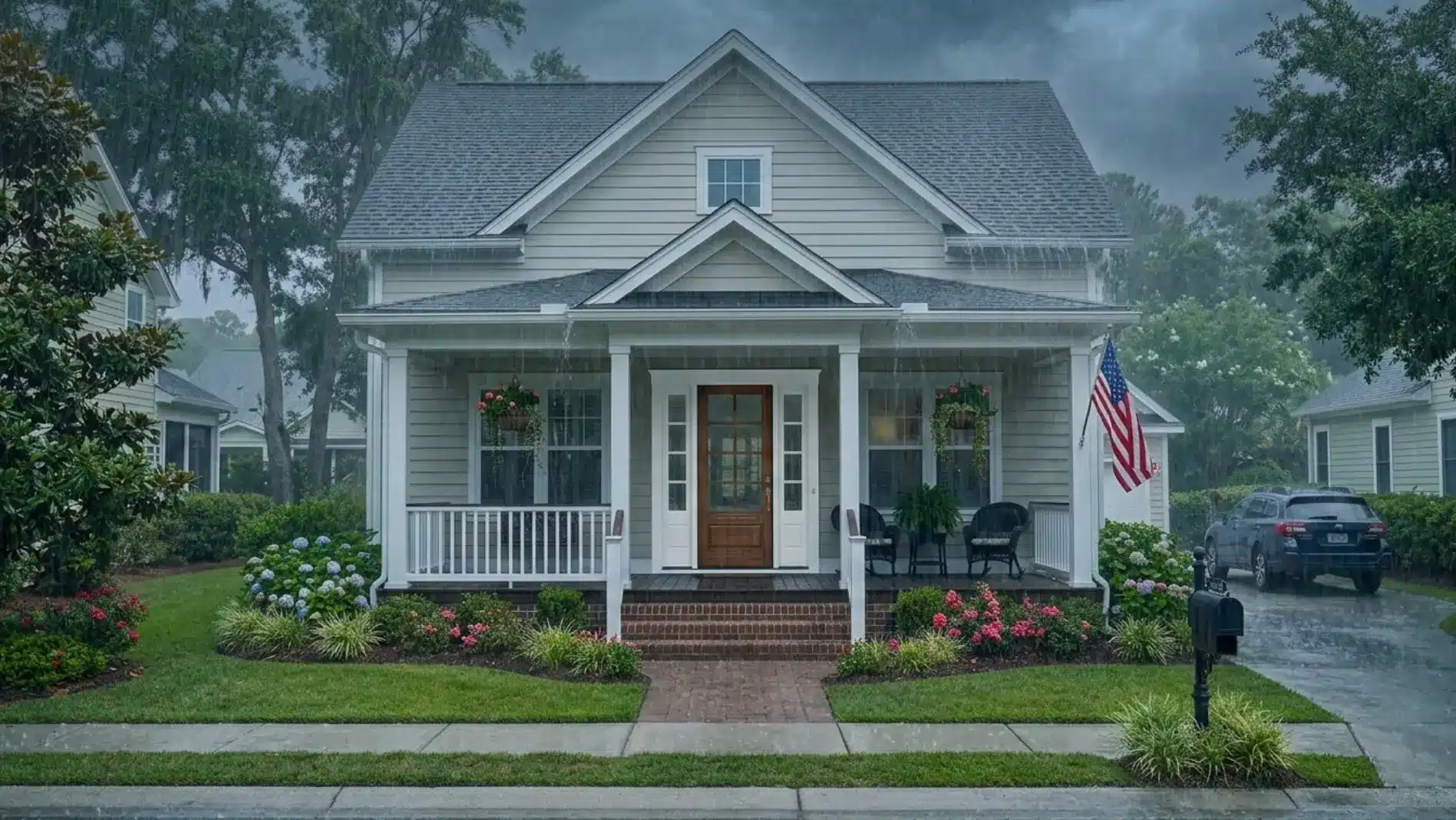
The local climate should guide your door selection decisions. Greenville has an average daily temperature of 60°F, with significant humidity in the summer and an average monthly rainfall of six inches. Bottom line: your door needs to handle moisture, heat, and temperature swings.
Choosing a door resistant to moisture, warping and temperature swings makes practical sense in this environment. Materials that maintain their integrity in humid summers and cooler winters will deliver better long-term performance and require fewer repairs or replacements.
Frequently Asked Questions About Door Replacement
These common questions can help guide your door replacement decisions.
Which Door Styles Are Best for Energy Efficiency?
For sustainability, insulated steel and fiberglass doors typically offer the best energy efficiency ratings. Look for doors with polyurethane foam cores, which provide superior insulation compared to hollow-core options. Entry doors with multiple panels and minimal glass area also tend to perform better thermally.
Do Local Door Replacement Companies Offer Financing?
Many reputable door replacement companies in Greenville offer financing options to help homeowners manage the up front cost. Financing terms vary by entity and may include promotional periods with deferred interest or low monthly payments. Just remember to review the interest rates, payment terms and any fees carefully to understand the true cost over time.
What Warranty Should I Expect on Replacement Doors and Installation?
Quality door manufacturers can offer warranties ranging from a decade to a lifetime of coverage, depending on the material and brand. Make sure you understand what’s covered under each warranty and whether it’s transferable if you sell your home.
Final Considerations for Your Home Improvement Project
While the 25C tax credit is no longer available, homeowners can still make financially sound decisions with door replacement in 2026. Prioritize high-performance materials and professional installation that meet your specific needs and work well in Greenville’s climate. The right door will deliver energy savings and performance that justify the investment for years to come.