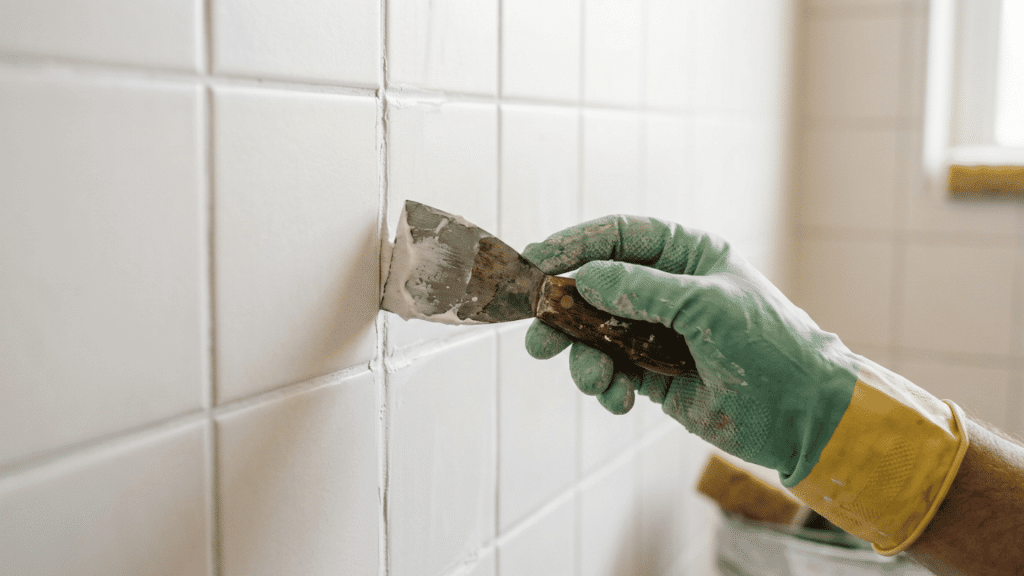
Paint on tiles doesn’t always come off as easily as it goes on, especially when you are trying to figure out how to get paint off tile without damaging the surface.
What starts as a small splash can quickly turn into a stubborn mark once it dries, and using the wrong method can leave scratches or dull patches behind.
The tricky part is that not all paints behave the same, and neither do tile surfaces. Each one needs a slightly different approach to stay safe and clean.
This guide breaks down practical, low-risk ways to remove paint from tiles using simple tools and smart techniques, so the surface gets restored without unnecessary damage or guesswork.
What You’ll Need: Tools & Materials for Paint Removal
These basic tools and materials help remove paint from tiles safely and effectively:
| Tool | Purpose |
|---|---|
| Plastic scraper | Lift dried paint without scratching the tile |
| Utility knife | Remove stubborn paint drips carefully |
| Damp rag | Wipe residue and clean the surface |
| White vinegar | Soften water-based paint |
| Saucepan | Heat vinegar to working temperature |
| Sponge | Apply warm vinegar to paint spots |
| Rubbing alcohol |
Works best on fresh latex paint; less effective once fully cured. |
| Cotton balls | Apply alcohol to small spots |
| Baking soda | Make a gentle paste for paint removal |
| Soft brush | Scrub paste without damage |
| Heat gun/hair dryer | Soften hardened paint |
| Citrus remover | Lift large paint areas |
| Putty knife | Scrape loosened paint |
| Rubber gloves | Protect hands from chemicals |
| Goggles | Protect eyes from splashes |
How to Decide Which is the Best Removal Method
Before choosing a removal method, it helps to quickly match the paint type and condition with the right approach.
This avoids surface damage and saves time during cleanup.
- Fresh paint → Rubbing alcohol (wipe immediately before it sets)
- Dry latex paint → Scraping first, then alcohol if residue remains
- Oil-based paint → Chemical paint stripper for effective breakdown
- Large painted areas → Commercial chemical remover for faster coverage
- Paint in grout lines → Soft brush with mild solvent or alcohol to avoid damage
Choosing the right method first reduces the need for repeated cleaning and lowers the risk of scratching or dulling the tile surface.
Removal Methods That Actually Work
Here are the methods grouped by use case so it’s easier to quickly match the right paint removal approach with the type of stain and surface condition.
Scraping (Dried Paint Drips)
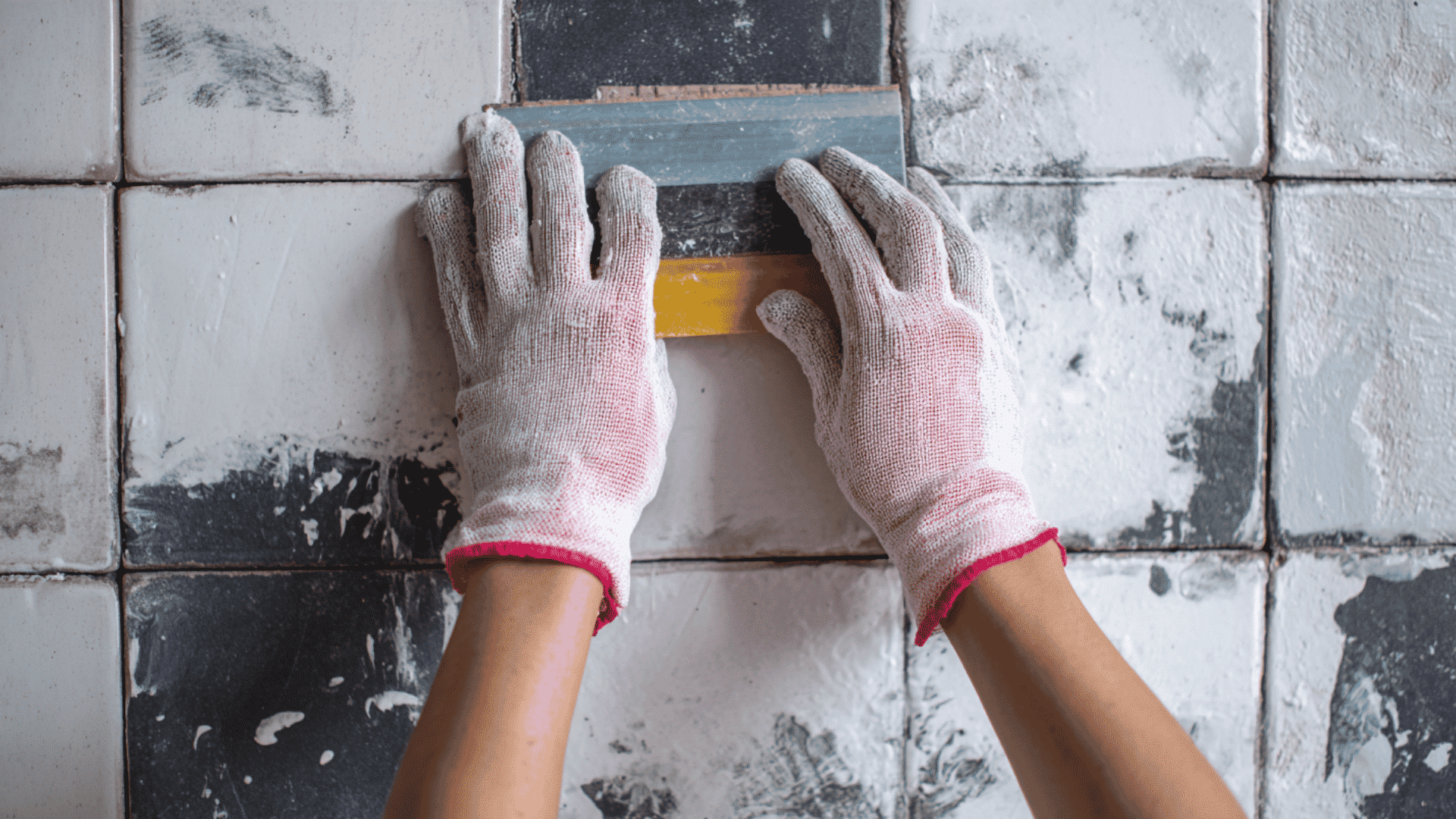
What it works on: Dried latex or oil-based paint drips on ceramic and porcelain tile
Tools needed: Utility knife, plastic scraper, damp rag
Steps:
- Hold the utility knife at a 45° angle against the paint drip
- Push gently upward to lift the dried paint off the surface
- Wipe leftover residue away with a damp rag
Caution: Metal scrapers scratch glazed tile. Stick to a plastic scraper on any glazed surface.
Vinegar Method (Water-Based Paint)
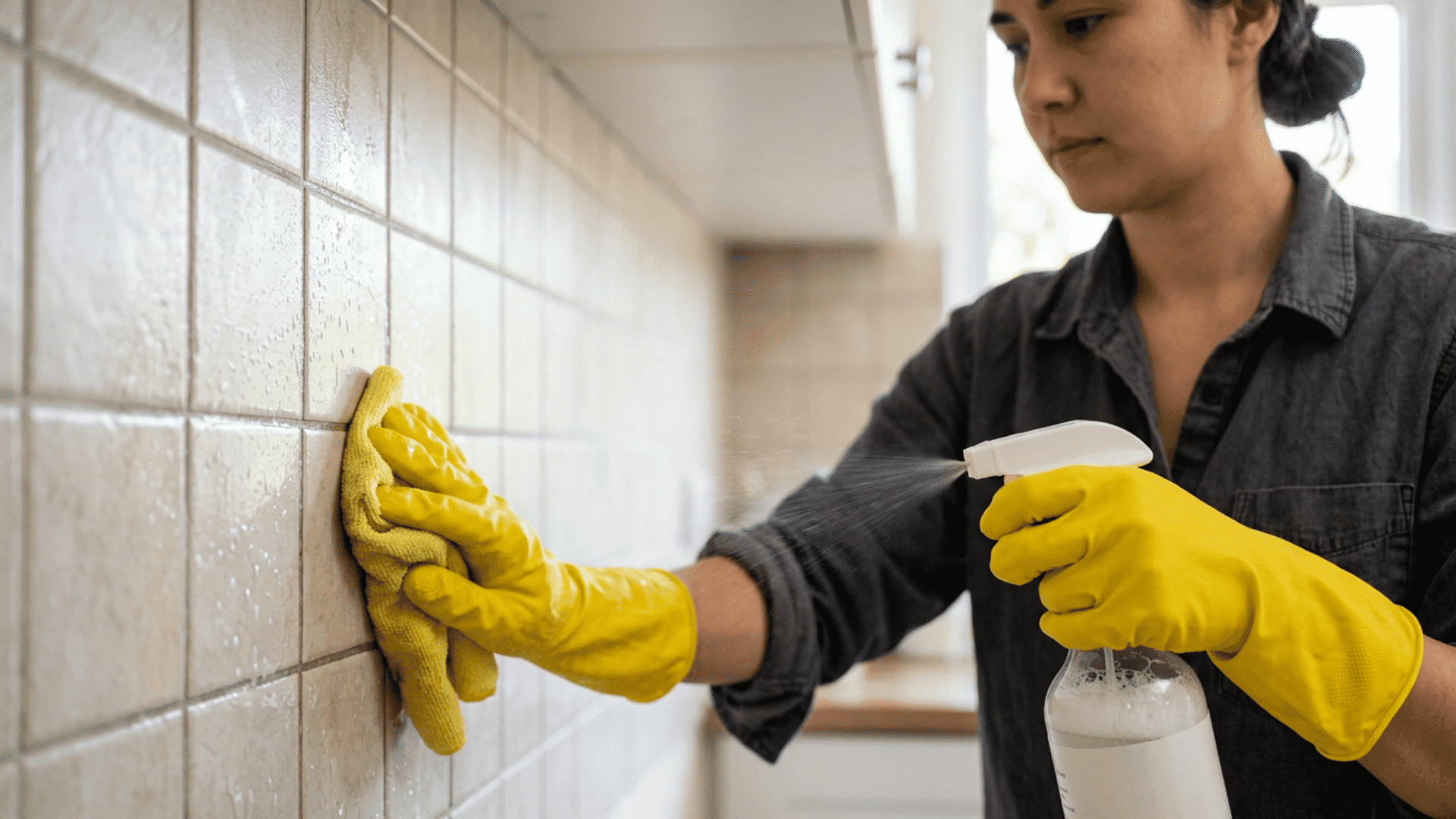
What it works on: Water-based paint splattering on tile surfaces
Tools needed: White vinegar, saucepan, sponge, rag
Steps:
- Warm ½ cup of white vinegar in a saucepan, but do not let it boil
- Press a vinegar-soaked sponge onto the paint spot and hold for 2 minutes
- Wipe the area clean with a damp rag
Caution: Keep vinegar off marble and limestone. The acid eats into natural stone and leaves permanent marks.
Alcohol Method (Latex Paint)
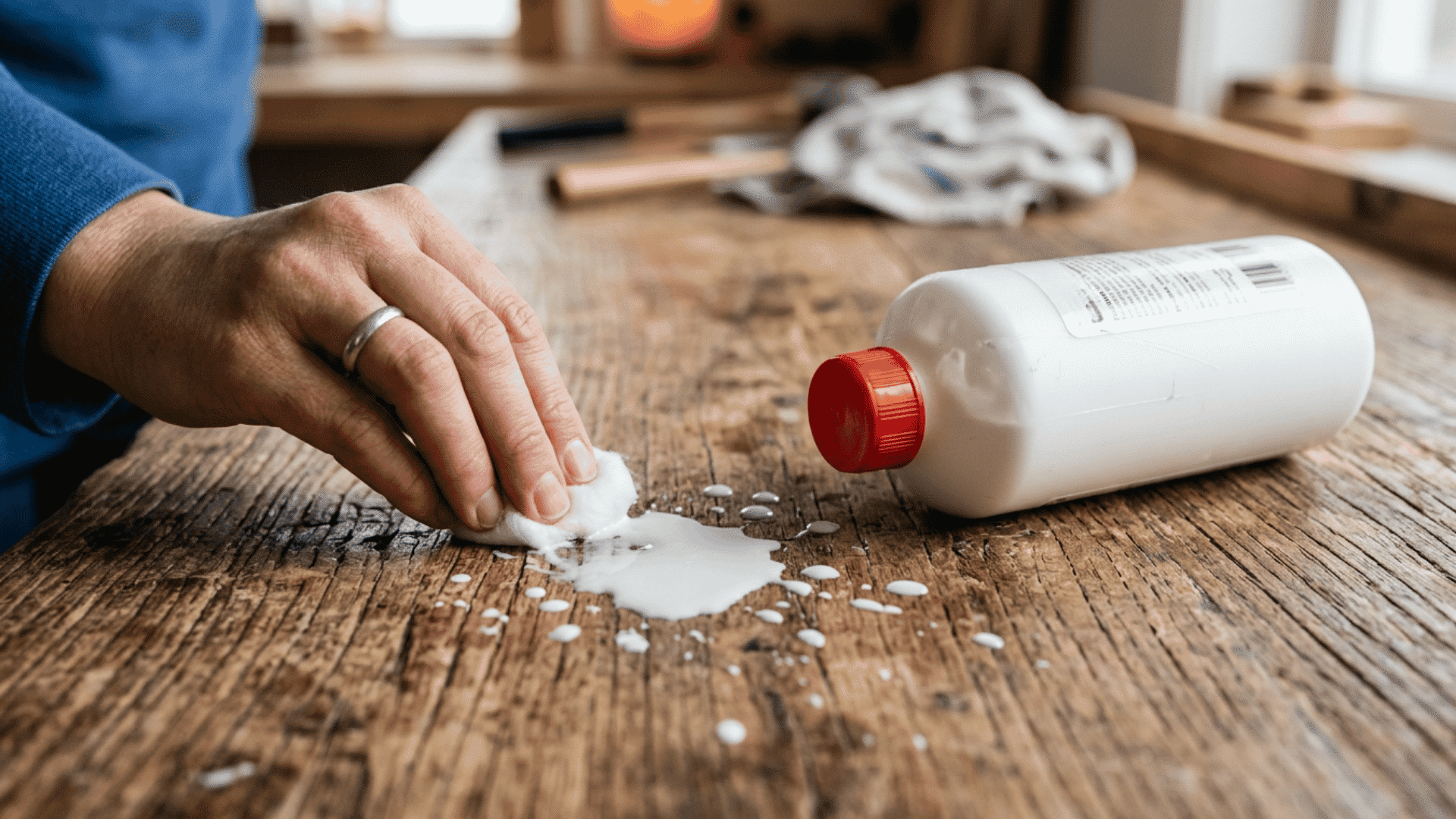
What it works on: Fresh or dried latex paint on glazed tile
Tools needed: Isopropyl alcohol (70% or higher), cotton balls, rag
Steps:
- Soak a cotton ball with rubbing alcohol
- Press it firmly onto the paint and hold for 30 seconds
- Wipe the softened paint away with a clean rag
Caution: Test on a hidden tile spot first. Alcohol can dull certain glazes with repeated use.
Baking Soda Method (Small Spots)
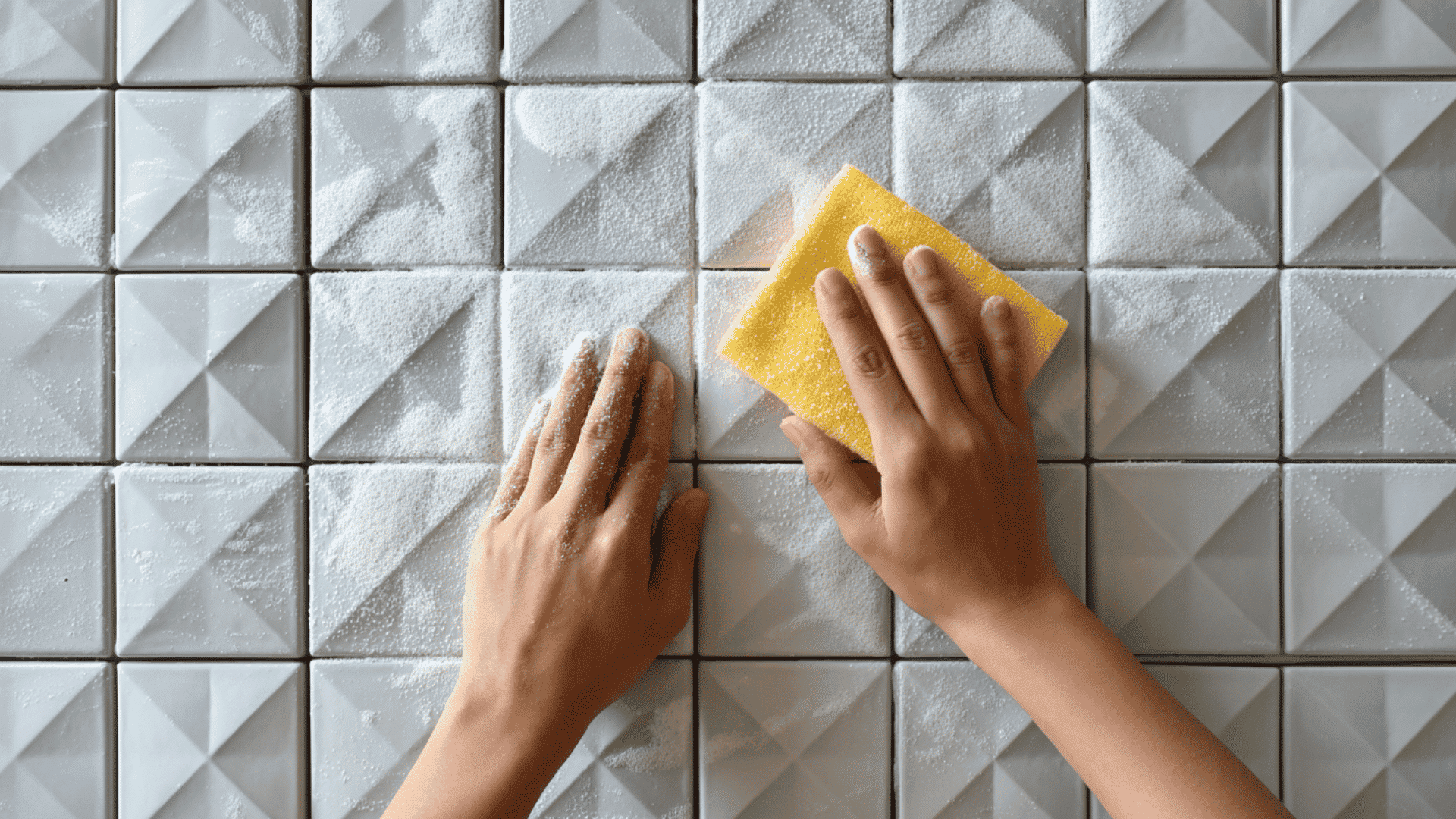
What it works on: Small paint spots on any tile type
Tools needed: Baking soda, water, soft brush, rag
Steps:
- Mix 2 tbsp baking soda with 1 tbsp water to form a thick paste
- Spread the paste over the paint spot and leave it for 5 minutes
- Scrub lightly with a soft brush, then wipe the area clean
Caution: Scrub gently on unglazed tile. Too much pressure on a rough surface leaves scratches.
Heat Gun Method (Cured Paint)
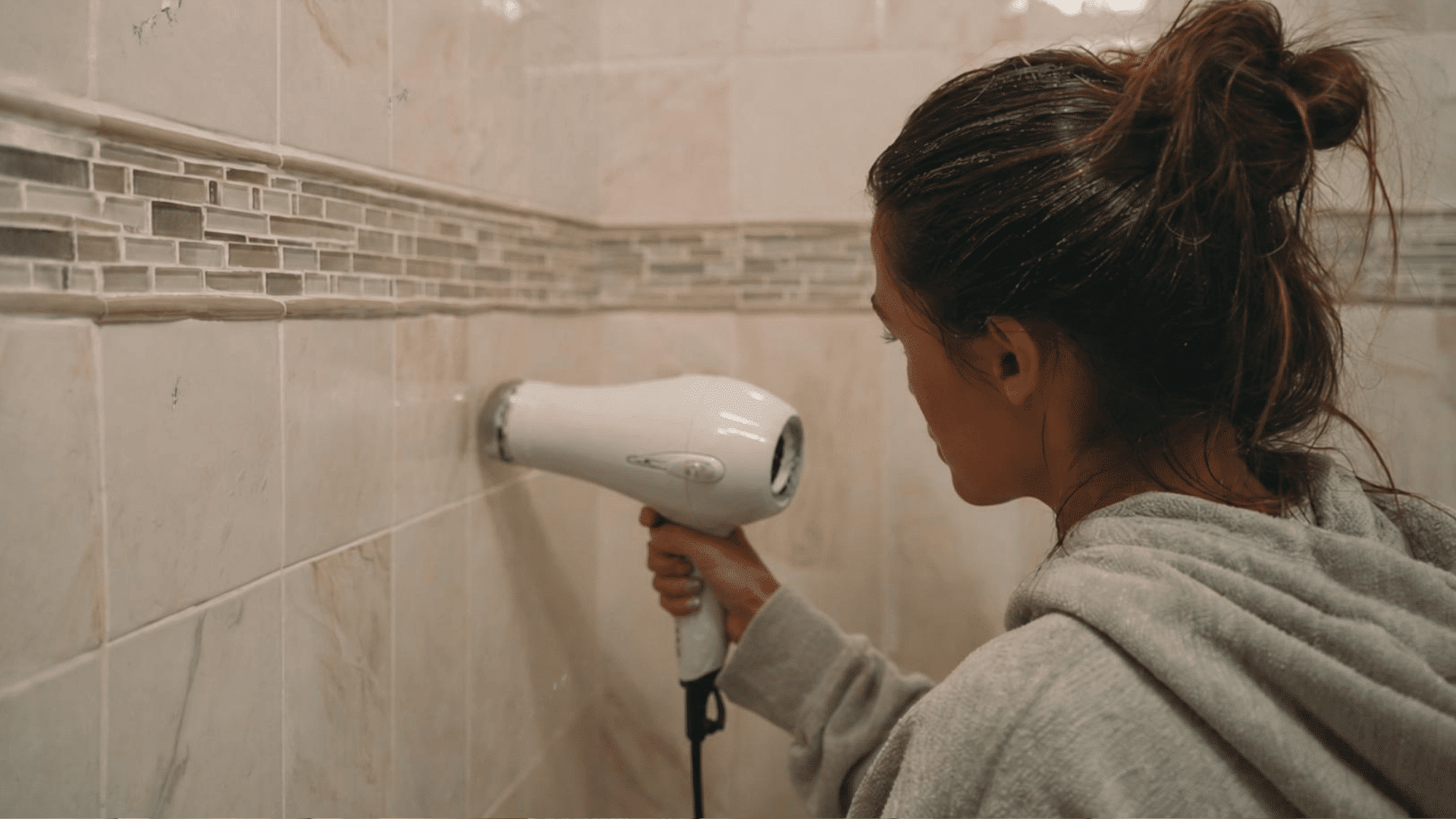
What it works on: Cured, hardened paint on ceramic and porcelain tiles
Tools needed: Heat gun or hair dryer, plastic scraper, rag
Steps:
- Hold the heat gun over the paint for 15–20 seconds, moving it back and forth
- Scrape the softened paint off with a plastic scraper
- Wipe the surface clean with a dry rag
Caution: Do not focus heat on one spot too long. Overheating cracks tile and scorches the glaze.
Chemical Stripper (Large Areas)
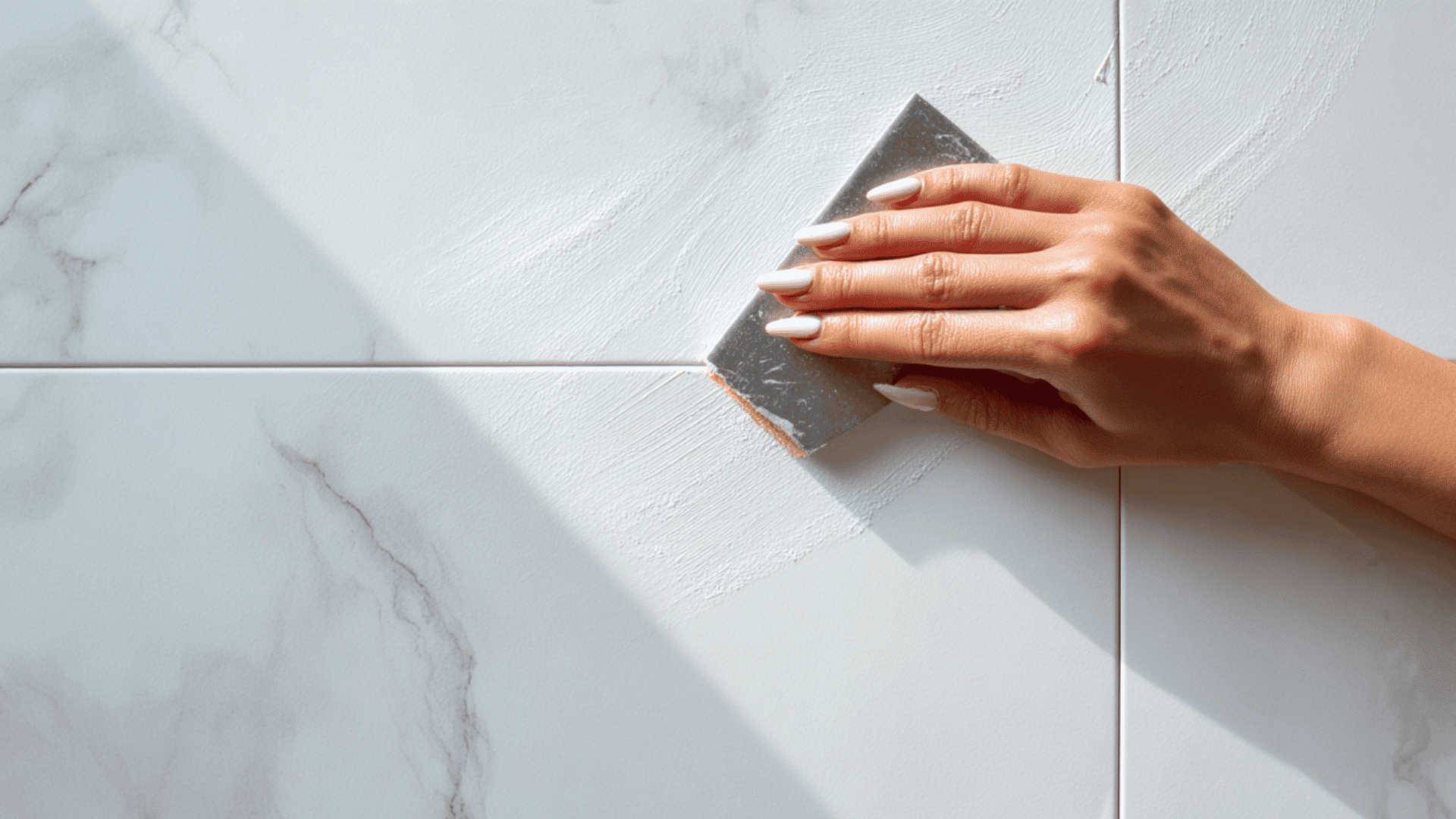
What it works on: Large paint-covered sections on tile floors
Tools needed: Citrus-based paint remover, putty knife, rubber gloves, rag
Steps:
- Apply the paint remover over the painted area following the product label
- Leave it on for 10–15 minutes until the paint starts to bubble up
- Scrape the lifted paint off with a putty knife and wipe the surface clean
Caution: Always wear gloves and goggles. Open windows or run a fan; fumes build up fast in closed rooms.
Does the Type of Paint Change How You Remove It?
The type of paint stuck on tile plays a major role in choosing the safest and most effective removal method. The table below helps match each paint type with the right technique.
| Paint Type | Best Method | Avoid |
|---|---|---|
| Latex / Water-Based Paint | Warm water, rubbing alcohol (best for fresh paint), gentle scraping | Harsh chemical strippers on light stains |
| Acrylic Paint | Rubbing alcohol (fresh paint), citrus-based stripper, light scraping | Wire brushes or heavy abrasive scrubbing on glazed tile |
| Oil-Based Paint | Commercial paint stripper or mineral spirits | Water-only cleaning methods |
| Lead-Based Paint | Professional abatement required (EPA-certified methods) | Dry scraping, sanding, uncontrolled heat application |
| Spray Paint | Graffiti remover, acetone (on glazed tile), rubbing alcohol | Abrasive scrubbing, especially on natural stone |
Does the Type of Tile Affect Paint Removal Methods?
Yes. Tile material determines how much pressure is safe to use, which solvents are safe to use, and which tools are safe to use.
Tile Type vs Safe Cleaning Approach
| Tile Type | Surface Trait | Safe Approach | Avoid |
|---|---|---|---|
| Ceramic Tile | Glazed, moderately durable | Plastic scraper, rubbing alcohol, mild solvents | Wire brushes, metal scrapers |
| Porcelain Tile | Dense and low-porosity | Plastic scraper, rubbing alcohol, gentle chemical cleaners | Acidic cleaners on unglazed surfaces |
| Natural Stone (Marble, Slate, Travertine) | Highly porous and sensitive | pH-neutral cleaners, plastic scraper, professional-grade stone-safe removers | Vinegar, lemon, acetone (unless stone-safe), acidic products |
| Glass Tile | Non-porous and smooth | Rubbing alcohol, razor blade scraper (carefully), gentle wiping | Abrasive pads or steel wool |
| Large Format Tiles | Wide surface area, often sealed | Work in small sections, test cleaners first, and gently scrape | Aggressive full-surface scraping or harsh chemicals |
When to Call a Professional Instead
Sometimes, removing paint from tiles isn’t a simple DIY task. Certain conditions call for professional help to avoid damage or health risks. Consider hiring a painting contractor or local tile cleaning expert in these cases:
- Suspected Lead Paint: Homes built before 1978 may contain lead; removal needs certified abatement pros. Avoid dry scraping, sanding, or uncontrolled disturbance; proper containment and PPE are required.
- Delicate or Natural Stone Tile: Marble, slate, and travertine can be etched by common solvents.
- Paint Embedded in Grout: Deep oil-based paint can damage grout if applied incorrectly.
- Extensive or Stubborn Oil Paint: Multiple layers often need commercial-grade strippers and proper safety equipment.
- Antique or Hand-Painted Tiles: Historic or custom tiles can be permanently damaged by DIY methods
What to Avoid When Removing Paint from Tiles?
Protect tiles by avoiding tools and chemicals that can cause surface damage. A few simple rules go a long way:
- Skip metal blades, and steel wool both scratch and strip the glaze right off the tile.
- Stay away from abrasive pads and wire brushes; they leave behind marks that cannot be buffed out.
- Keep power tools like grinders and sanders off tile; the friction cuts too deep.
- Apply solvents to a cloth first; never pour directly onto the tile surface.
- Keep paint and cleaning products away from grout lines. Grout absorbs chemicals fast and breaks down quickly.
Conclusion
Clearing paint from tiles doesn’t have to be stressful if the right methods are applied. Choosing an approach suited to your paint type and tile gives better results and reduces the risk of damage.
Knowing how to get paint off tile the right way makes a big difference in both results and surface safety.
Understanding what works and what to avoid makes the task faster and less frustrating. Use these techniques to maintain your surfaces and prevent lingering messes.
For ongoing projects, consider bookmarking these tips so you can handle paint mishaps with confidence whenever they arise!
Frequently Asked Questions
Is Murphy’s Oil Soap Good for Tile Floors?
Yes, Murphy’s Oil Soap safely cleans ceramic, porcelain, and quarry tile floors, removing dirt without damaging the surface or finish.
What Not to Use on Porcelain Tiles?
Avoid bleach, ammonia, acids, or undiluted vinegar and lemon juice, as they can damage the porcelain finish and discolor grout.
Does WD-40 clean porcelain?
WD-40 may loosen sticky residues in some cases, but it is not recommended for regular tile cleaning due to the risk of residue buildup.