Table of Contents
- Why Maintenance Matters
- Key Maintenance Tasks
- Energy Savings from Maintenance
- Additional Benefits of Regular Maintenance
- DIY vs. Professional Maintenance
- Creating a Maintenance Schedule
- Conclusion
Maintaining your air conditioning (AC) system isn’t just about comfort; it’s a smart financial move. Regular upkeep ensures your unit operates efficiently, directly leading to significant savings on your energy bills. For homeowners in areas with a warm climate, such as those seeking AC repair in Princeton, NJ, routine maintenance is essential to keep energy costs in check and your system performing at its best.
Many people overlook how small efforts, like replacing a filter or cleaning coils, can add up to major savings over time. Not only does preventive maintenance help reduce utility expenses, but it also results in a more comfortable and healthier home. Let’s explore how consistent AC upkeep translates into lower costs while extending the life of your system.
Why Maintenance Matters
Over months and years, AC units inevitably collect dust and debris. This buildup forces your cooling system to work harder, using more energy to push cool air through blocked components. When efficiency drops, your utility costs rise. Routine maintenance tackles these issues early, reducing the amount of power your system needs to keep your home cool. According to the U.S. Department of Energy, acknowledging the early signs of wear can lead to dramatic savings in utility costs and prevent more significant, expensive breakdowns.
Maintenance isn’t only about energy efficiency. It also shields your AC unit from preventable issues, enhances air quality, and ensures the comfort of your living spaces throughout the warmest parts of the year. Plus, regular attention increases the likelihood that your system will reach or exceed its projected lifespan.
Key Maintenance Tasks
AC units are complex, but many crucial maintenance tasks are simple and accessible. Here are the essentials that can make a noticeable impact on efficiency and operational costs:
- Replace or Clean Air Filters: Dirty filters block proper airflow, forcing the system to consume more energy. Swap or clean them every one to three months, especially during peak usage periods.
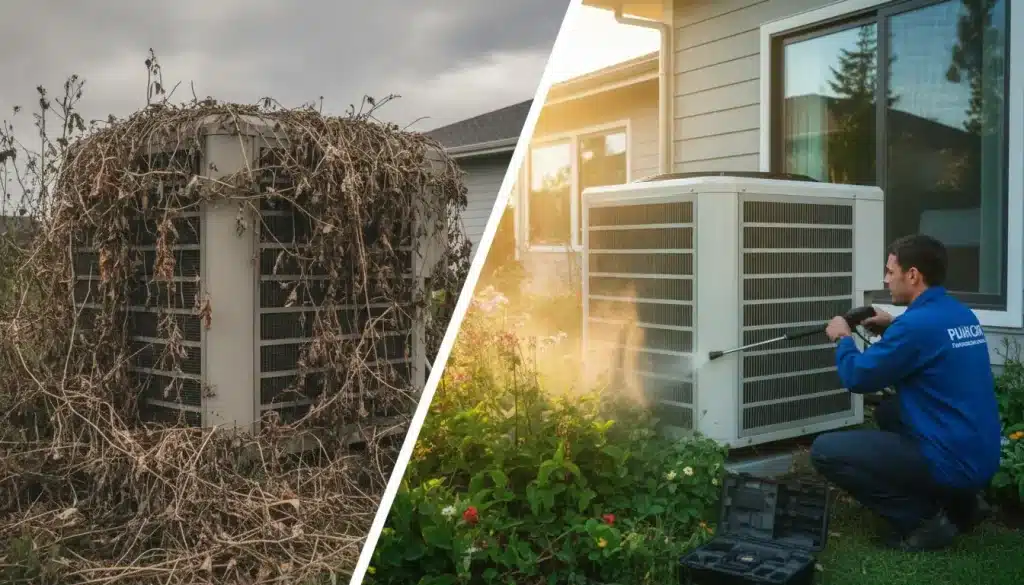
- Clean Coils: Both the evaporator and condenser coils can gather dirt. Over time, this debris decreases their effectiveness, so make coil cleaning an annual priority.
- Check Refrigerant Levels: Operating with incorrect refrigerant quantities can lower efficiency and potentially damage your compressor. Monitoring these levels is a must for optimal function.
- Inspect and Clean Ductwork: Clogged or leaky ducts waste energy and undermine your system’s ability to cool your home. Schedule inspections to catch leaks and clean ducts as needed.
Energy Savings from Maintenance
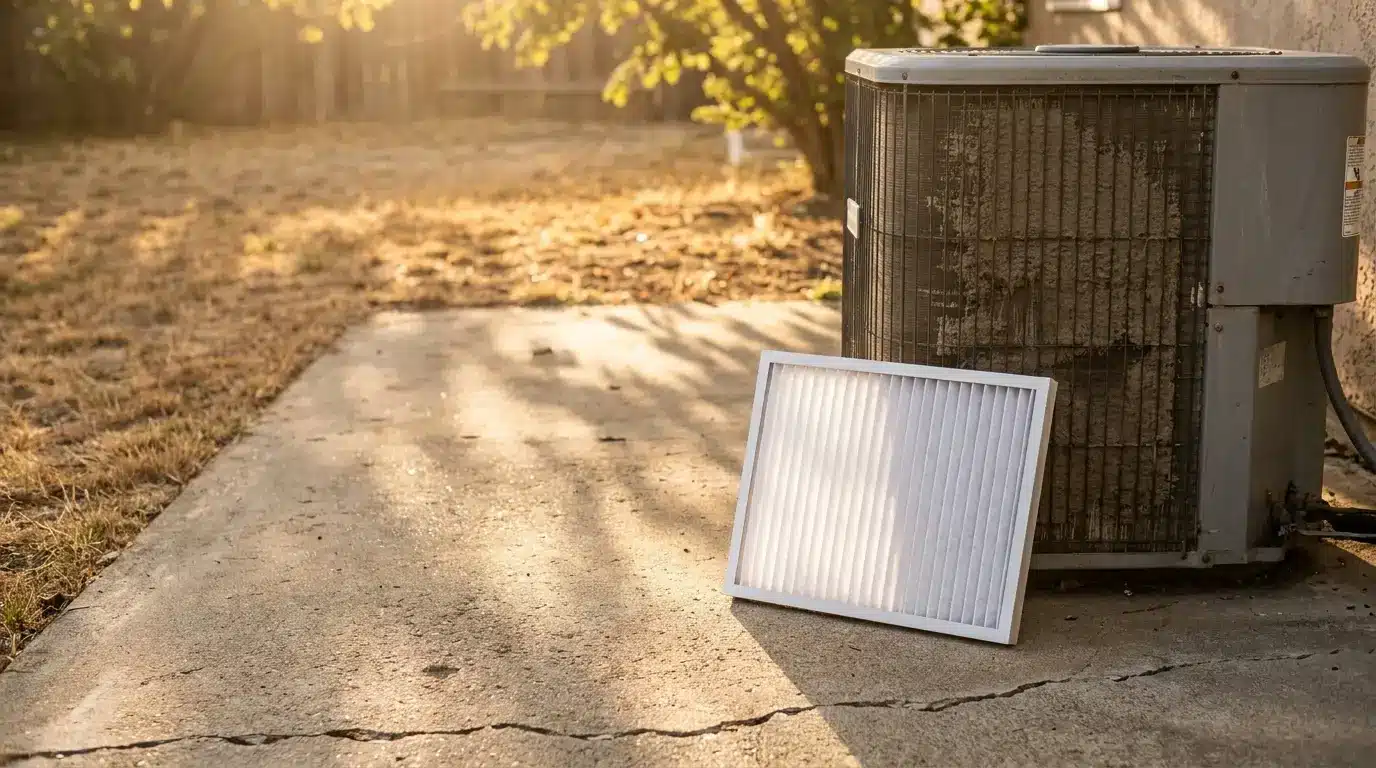
When you routinely maintain your air conditioner, the energy savings are measurable. For instance, just by replacing a dirty filter, you can lower your unit’s energy use by up to 15 percent. Additionally, addressing dirty condenser coils can boost efficiency by 20 to 30 percent. Performing these simple tasks helps your system require less energy to achieve the same comfort level, reducing the monthly burden of your utility bills while maximizing your AC investment.
Recent reports from Consumer Reports highlight the profound effect that regular system tune-ups and component replacement can have on long-term savings and overall equipment health.
Additional Benefits of Regular Maintenance
Consistent AC maintenance doesn’t stop at energy savings. These proactive steps deliver multiple long-term benefits, including:
- Extended Equipment Lifespan: Caring for your AC prevents excessive wear, giving your system the best chance at lasting for years beyond its original warranty.
- Improved Air Quality: Cleaner filters and vents reduce the circulation of dust, allergens, and pollutants. This is particularly important for families with allergies or respiratory concerns.
- Fewer Repairs: Routine check-ups catch small concerns before they escalate. Early problem detection means fewer unexpected, costly repairs.
DIY vs. Professional Maintenance
There are tasks every homeowner can manage, such as changing filters, trimming back encroaching outdoor plants near the unit, or checking visible ductwork. However, other maintenance procedures require a professional touch. Certified technicians are equipped to perform deep inspections, handle hazardous components like refrigerant, and calibrate your system for peak efficiency. Pairing DIY practices with annual professional servicing creates a holistic care plan that saves money and increases system longevity.
Creating a Maintenance Schedule
Staying organized is key to ensuring your AC continues to operate efficiently. Here’s a guideline for a practical maintenance calendar:
- Monthly: Inspect and replace (or clean) your air filters. This is the simplest and most impactful step for reliable performance.
- Seasonally: Before turning on your AC for the first time each year, inspect the outdoor condensing unit for leaves and debris. Clear away any obstructions and check for exterior damage.
- Annually: Schedule a comprehensive professional tune-up. Technicians can inspect coils, check refrigerant levels, test system controls, and ensure safety mechanisms are functioning.
Conclusion
Making AC maintenance a regular part of your home care routine is one of the smartest ways to reduce monthly expenses and protect the comfort of your household. By adhering to a schedule that combines homeowner care and professional service, you’ll keep your air conditioner running efficiently and extend its lifespan, all while benefiting from cleaner indoor air and fewer unexpected repairs. Don’t wait for your system to show signs of trouble before starting a maintenance routine; invest a little time and attention now to enjoy substantial energy savings and peace of mind for years to come.