Choosing exterior paint for a home in North Carolina is not just about finding a color that looks attractive. In a place like Charlotte, paint also has to protect the home from heat, humidity, rain, pollen, mildew, and seasonal temperature changes. Homeowners planning exterior painting in Charlotte need to think carefully about paint type, finish, surface preparation, and timing before starting a project.
Charlotte homes experience a wide range of weather conditions throughout the year. Summers can be hot and humid, spring often brings heavy pollen, and thunderstorms can move through quickly during warmer months. In neighborhoods such as Myers Park, Dilworth, Ballantyne, South End, Plaza Midwood, Matthews, and Huntersville, exterior surfaces are constantly exposed to moisture, sunlight, and changing temperatures. Choosing the right paint improves curb appeal and also helps protect siding, trim, shutters, doors, and other exterior features.
How Charlotte’s Climate Affects Exterior Paint
North Carolina’s climate can be tough on exterior paint. High humidity is one of the biggest challenges. When moisture stays on siding or trim for long periods, it can increase the risk of mildew, peeling, bubbling, and poor paint adhesion. This is especially common on shaded homes, wooded lots, or properties where trees limit direct sunlight.
Summer heat is another factor. Strong sun exposure can cause paint to fade over time, particularly on darker colors or areas that receive direct afternoon sunlight. South- and west-facing walls often show wear sooner because they take the most intense sun during the hottest part of the day.
Charlotte also gets seasonal rain and thunderstorms, which can drive moisture into small cracks, gaps, or poorly sealed surfaces. If old paint is already peeling or caulk has started to fail, water can get behind the painted layer and cause more serious problems. Temperature changes throughout the year can also make materials expand and contract, which is why flexibility matters when choosing paint.
Spring pollen is another local issue homeowners should not ignore. Pollen can leave a dusty yellow coating on siding, windows, decks, and trim. If it is not properly cleaned away before painting, it can interfere with adhesion and affect the final result.
Best Paint Types for Humid and Hot Weather
For many homes in the Charlotte area, high-quality acrylic latex paint is a reliable choice. It is flexible, breathable, and better suited to changing temperatures than many older paint formulas. Because it can expand and contract with exterior surfaces, it helps reduce the risk of cracking and peeling.
Acrylic latex paint also performs well in humid conditions because it allows some moisture vapor to escape rather than trapping it beneath the surface. This is especially useful for homes with wood siding, fiber cement, or other materials that need protection but still benefit from breathability.
For homes in older neighborhoods like Dilworth or Myers Park, where wood siding and historic details may be more common, preparation and primer selection are just as important as the paint itself. Older wood may need scraping, sanding, spot priming, or repairs before paint is applied.
For newer homes in Ballantyne, Matthews, or Huntersville, fiber cement siding is common. This material usually works well with premium acrylic exterior paint, but it still needs to be cleaned and painted according to the surface condition. Brick, stucco, and composite materials may require different products, so homeowners should always match the paint to the surface.
Mildew-resistant formulas can also be helpful in Charlotte’s climate. While no paint can completely prevent mildew forever, these products can help reduce growth when combined with proper cleaning, ventilation, and regular maintenance.
Choosing the Right Finish for Siding, Trim, Doors, and Shutters
The paint finish affects both appearance and durability. A flat or matte finish can hide imperfections on siding and provide a soft, classic look. However, it may not be as easy to clean as finishes with more sheen.
Satin or low-luster finishes are often a practical choice for siding because they offer a balance between appearance and durability. They provide some resistance to moisture and dirt while still looking natural on large exterior surfaces. This type of finish can work well for many Charlotte homes, from traditional properties to newer suburban houses.
Semi-gloss is commonly used for trim, doors, shutters, porch railings, and other accent areas. It is easier to wipe clean and can stand up better to moisture and handling. A semi-gloss front door or shutter can also create a crisp contrast against siding.
Gloss finishes are usually used more selectively. They can create a polished appearance, but they also highlight imperfections. For that reason, glossy finishes require careful surface preparation.
Why Surface Preparation Matters
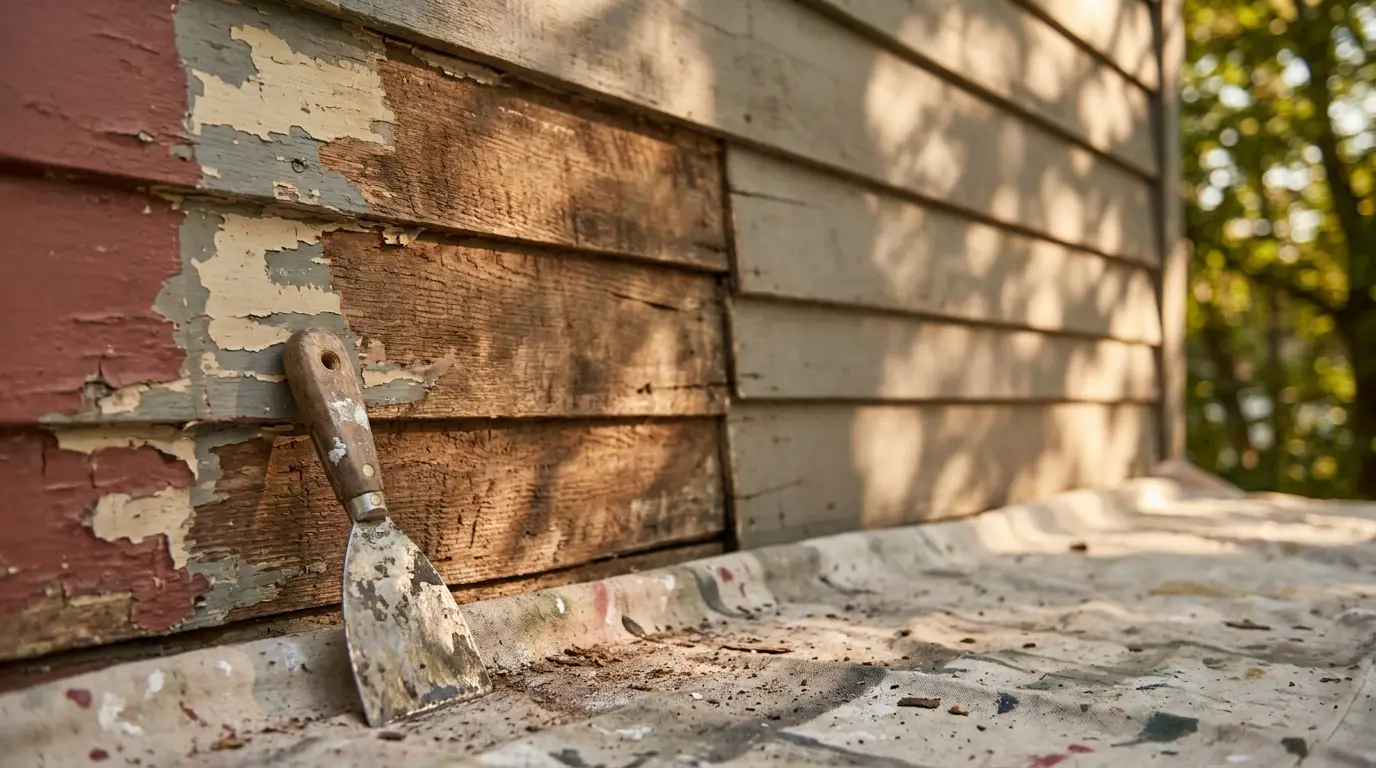
Even the best paint will not last if the surface is not properly prepared. In Charlotte’s climate, surface preparation is one of the most important steps in any exterior painting project.
The process usually begins with cleaning. Dirt, pollen, mildew, and chalky residue should be removed before painting. Pressure washing can be useful, but it should be done carefully to avoid damaging siding, wood, or window seals. After washing, the surface needs enough time to dry fully.
Peeling or loose paint should be scraped away. Rough edges may need sanding so the new coating blends smoothly with the old surface. Cracks, gaps, and joints should be caulked where appropriate to help prevent moisture from entering behind the paint.
Primer may be needed on bare wood, repaired areas, stains, or surfaces with uneven absorption. Skipping primer can lead to patchy coverage, poor bonding, or early paint failure.
Weather timing also matters. Painting during extreme heat, direct sunlight, high humidity, or just before storms can affect drying and adhesion. Many homeowners find spring and fall to be favorable seasons, but successful painting can happen at other times if conditions are suitable.
Color Considerations for Charlotte Homes
Color should complement the home’s architecture, landscaping, roof, brick, and neighborhood character. In established areas like Myers Park and Dilworth, classic whites, warm neutrals, soft grays, muted greens, and traditional trim colors often feel natural. In South End or Plaza Midwood, homeowners may be more comfortable with bold doors, darker accents, or modern contrasts.
In newer communities around Ballantyne, Matthews, and Huntersville, popular choices may include warm whites, beige tones, charcoal trim, navy shutters, and modern farmhouse-inspired palettes.
Climate should also influence color selection. Dark colors absorb more heat and may fade faster in strong sunlight. Lighter colors reflect more light and often age more softly. Before making a final choice, it is helpful to test paint samples on different sides of the home and view them at different times of day.
When Homeowners Should Repaint
Signs that a home may need repainting include peeling, cracking, fading, mildew stains, chalky residue, exposed wood, or failing caulk around trim and windows. Homes with heavy sun exposure may need attention sooner on certain sides, while shaded homes may need more frequent cleaning because of mildew risk.
Regular inspections can help homeowners catch small problems before they become expensive repairs. Cleaning the exterior, maintaining caulk lines, and addressing damaged areas early can help extend the life of a paint job.
A Practical Approach for Charlotte Homeowners
The best exterior paint choice for a North Carolina home depends on climate, surface material, color preference, finish, and preparation. Charlotte’s heat, humidity, storms, pollen, UV exposure, and temperature changes all affect how paint performs over time.
Homeowners who are unsure about products, timing, or surface condition may benefit from speaking with a local painting professional. Color World Painting Charlotte is one local company homeowners may consider when looking for guidance or help with an exterior painting project suited to the Charlotte area.