Warm white walls are simple, calm, and inviting.
But picking the right shade- that’s where most people get stuck. It is not just one color; it’s a whole family of shades that can make any room feel like home.
The right shade can completely change how a space feels. Ready to find yours?
Let’s get into it.
What are the Different Shades of White?
White is far from a single color; it spans a wide spectrum of warm, cool, and neutral tones, each with its own mood and visual weight.
Creamy warm whites
These work beautifully in bedrooms and living rooms where comfort is the priority. They feel relaxed and easy to live with every single day.
Beige-leaning whites
These are great for open-plan spaces where you want warmth without the room feeling too yellow or too heavy.
Light warm whites with soft undertones
It works well in smaller rooms, keeping the space feeling open and airy while still adding that cozy feeling pure white simply cannot give you.
Richer warm whites
This works for studies, libraries, or rooms with dark wood accents.
Think about the mood you want in each room first. Then find the shade that matches that feeling.
Your Go‑To Warm White Paint Colors
These paints are tried, tested, and loved by homeowners everywhere, worth putting on your sample list.
1. Benjamin Moore White Dove (OC-17)
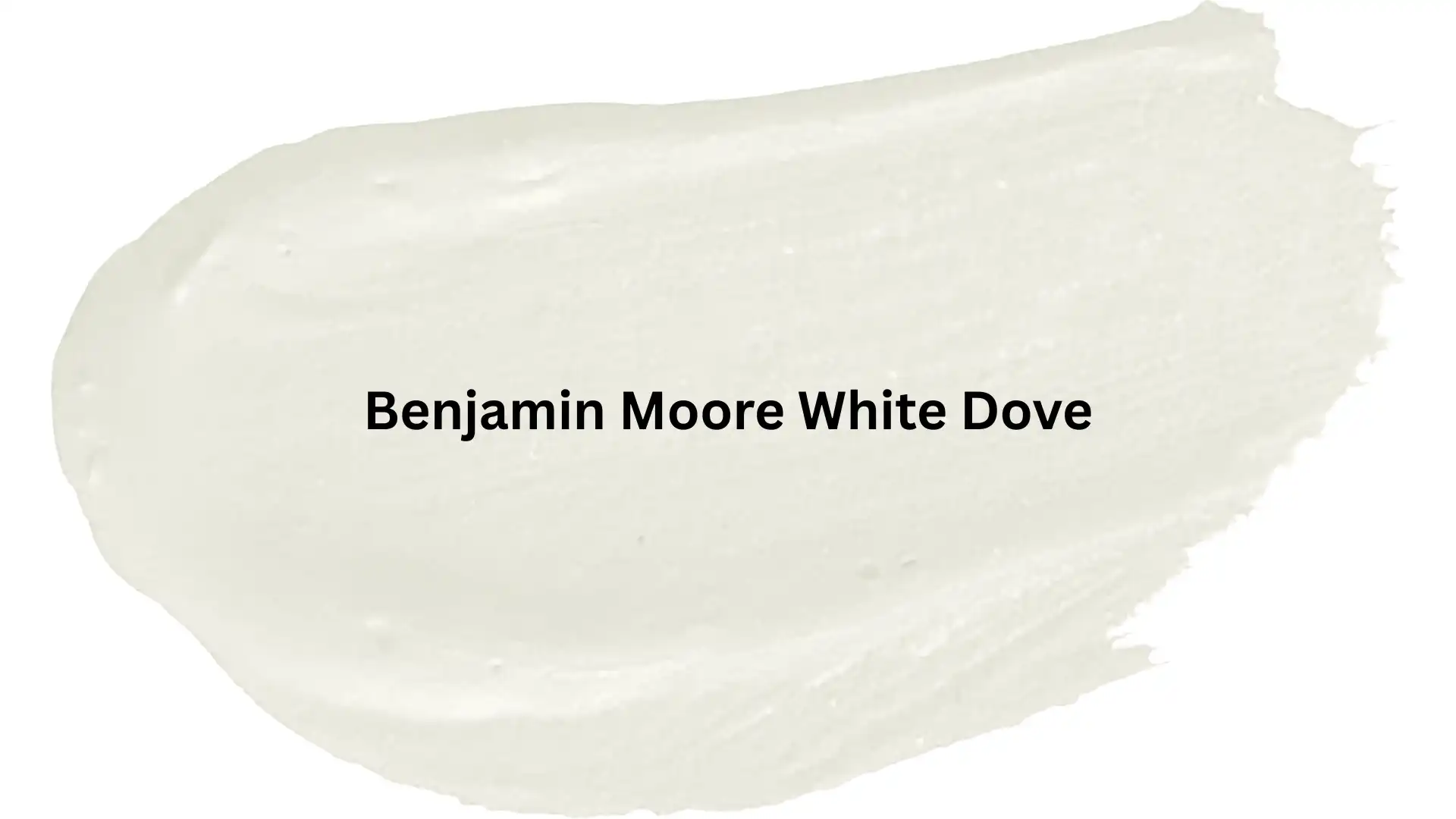
White Dove is a soft, warm color with grayed-out yellow undertones. LRV: 83.16; it’s bright but never harsh.
2. Sherwin-Williams Alabaster (SW 7008)
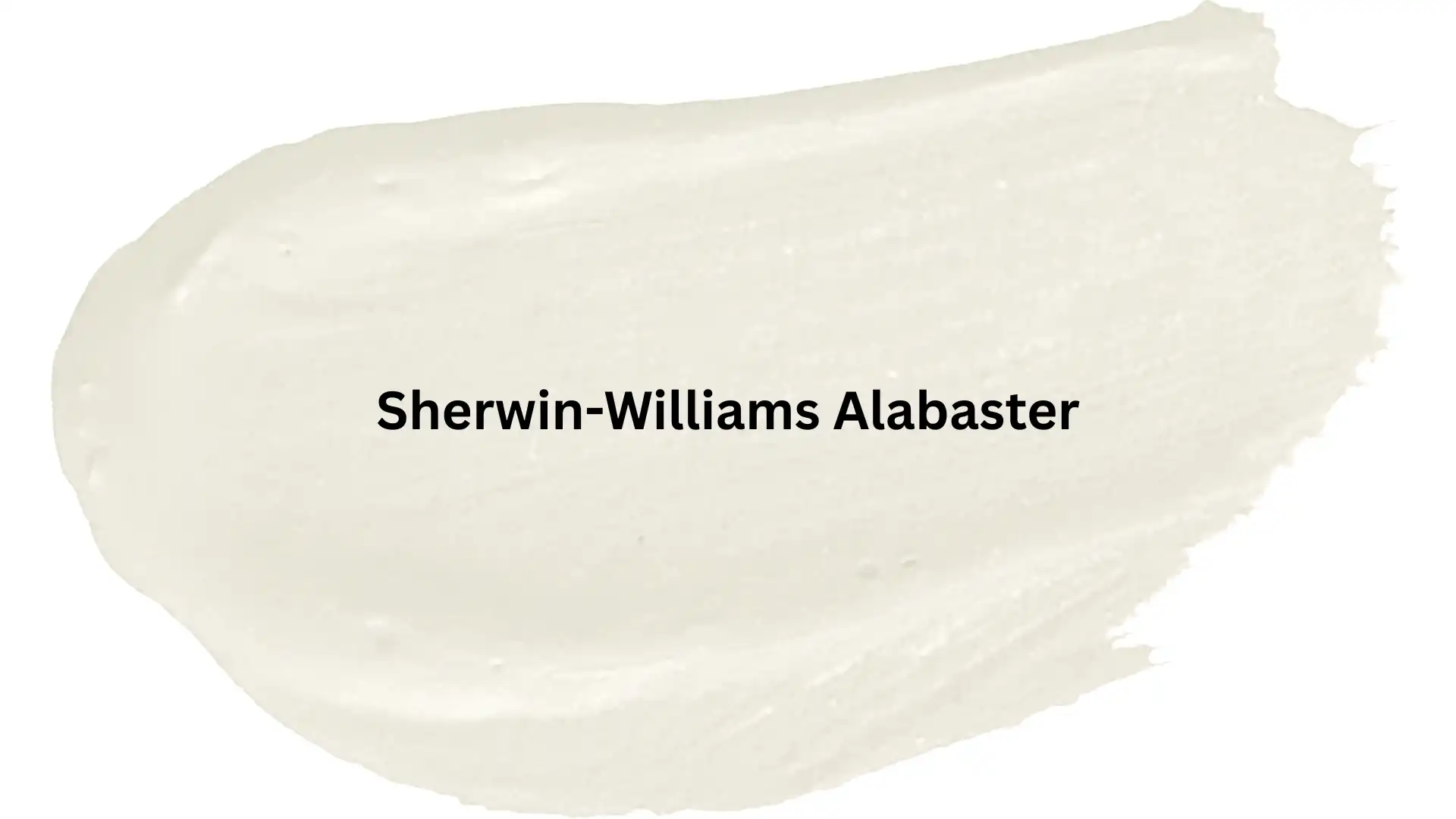
Alabaster is SW’s 2016 Color of the Year and is still a top seller.
LRV: 82. Creamy yellow undertones with a soft gray balance. Stays warm without turning yellow.
3. Behr Swiss Coffee (OC-45)
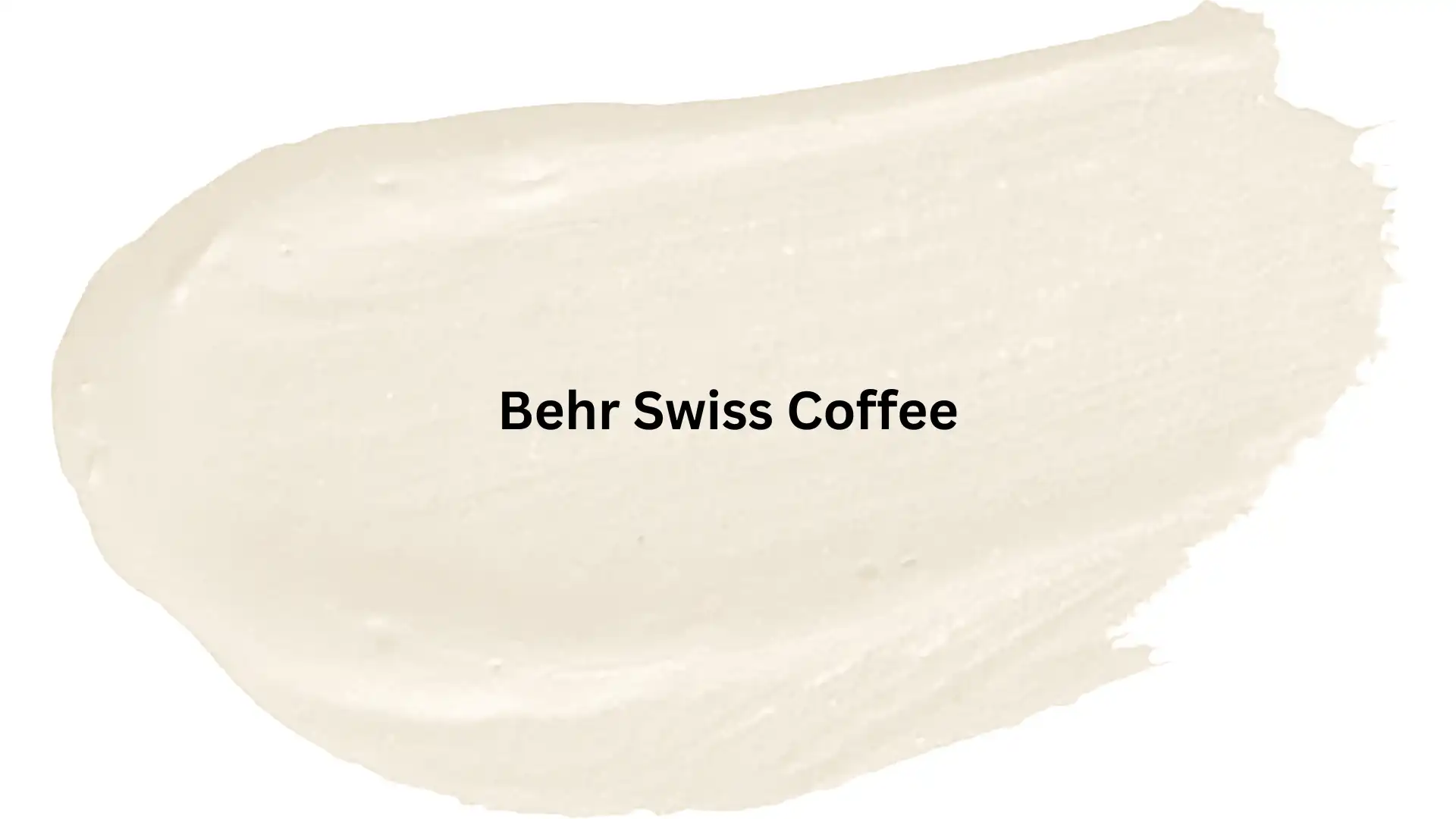
Swiss Coffee is a warm, creamy off-white with subtle yellow and beige undertones. LRV: 84. It feels soft and cozy without being too heavy.
4. Benjamin Moore Cloud White (OC-130)
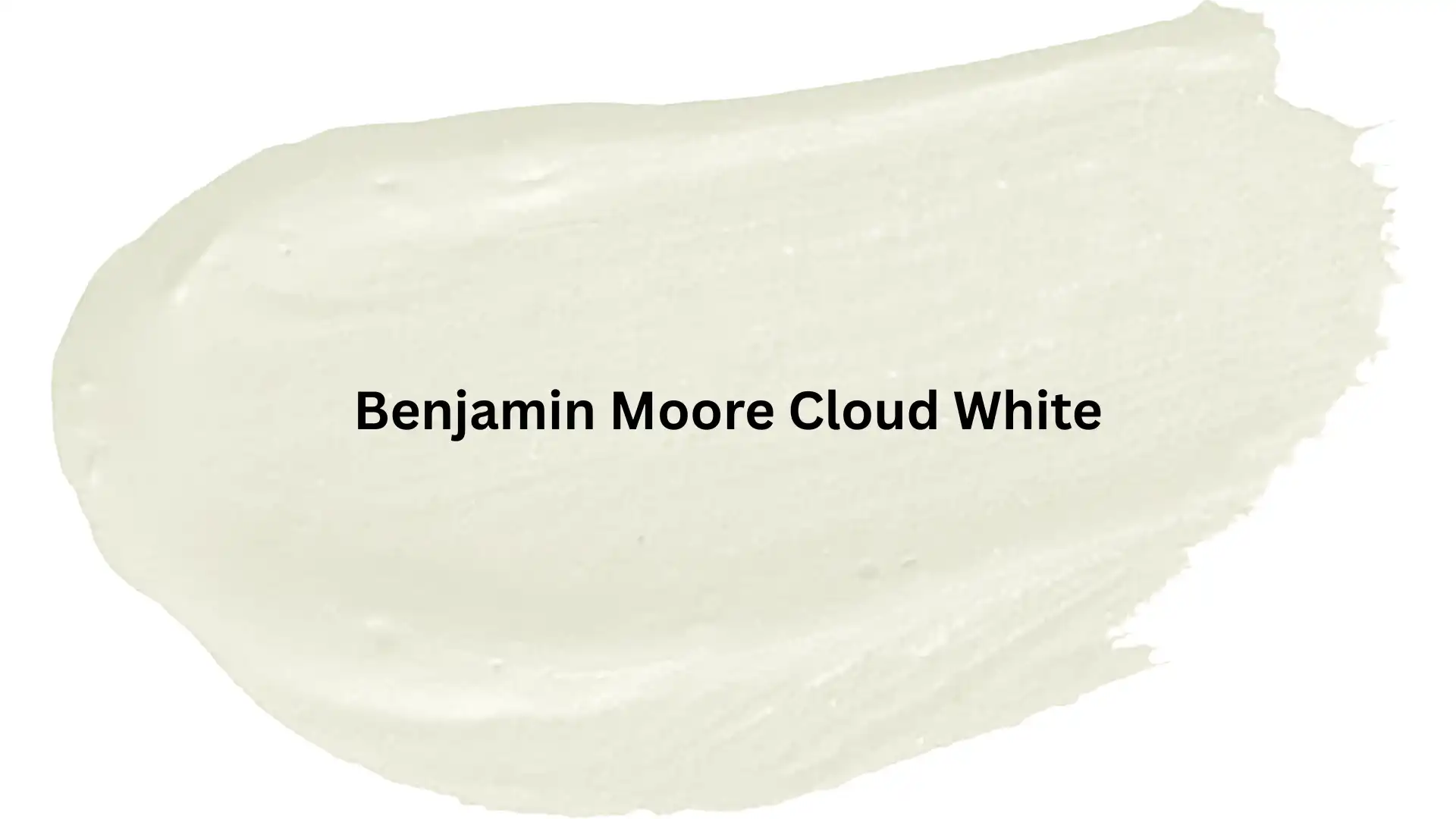
Cloud White is a white with soft, slightly yellow undertones and a neutral base. LRV: 85.05. It feels fresh and airy without being cold.
5. Sherwin-Williams Creamy (SW 7012)
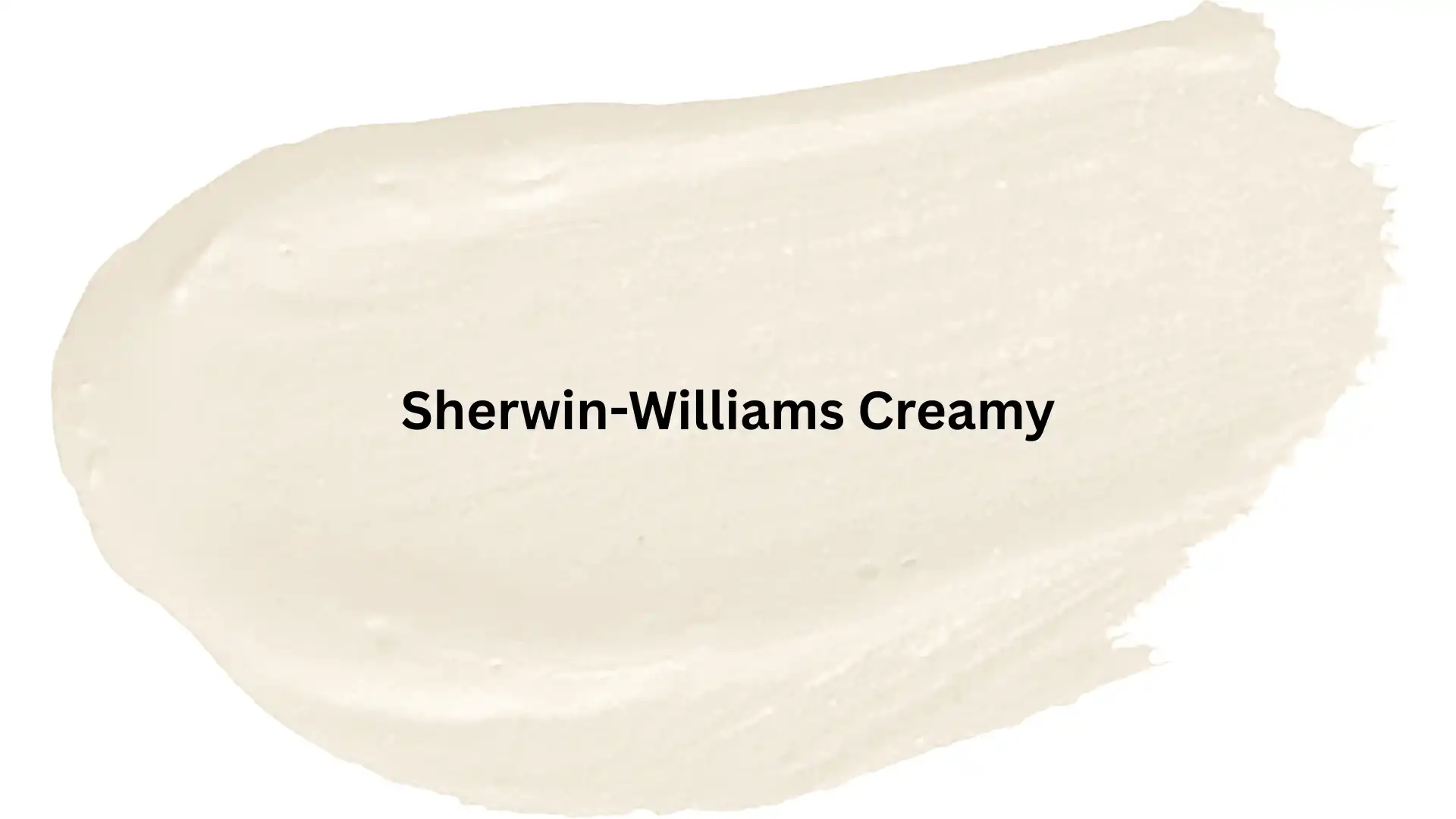
Sherwin-Williams Creamy leans more into cream than white. LRV: 81. It has clear yellow undertones and works best in rooms with good natural light.
6. Benjamin Moore Simply White (OC-117)
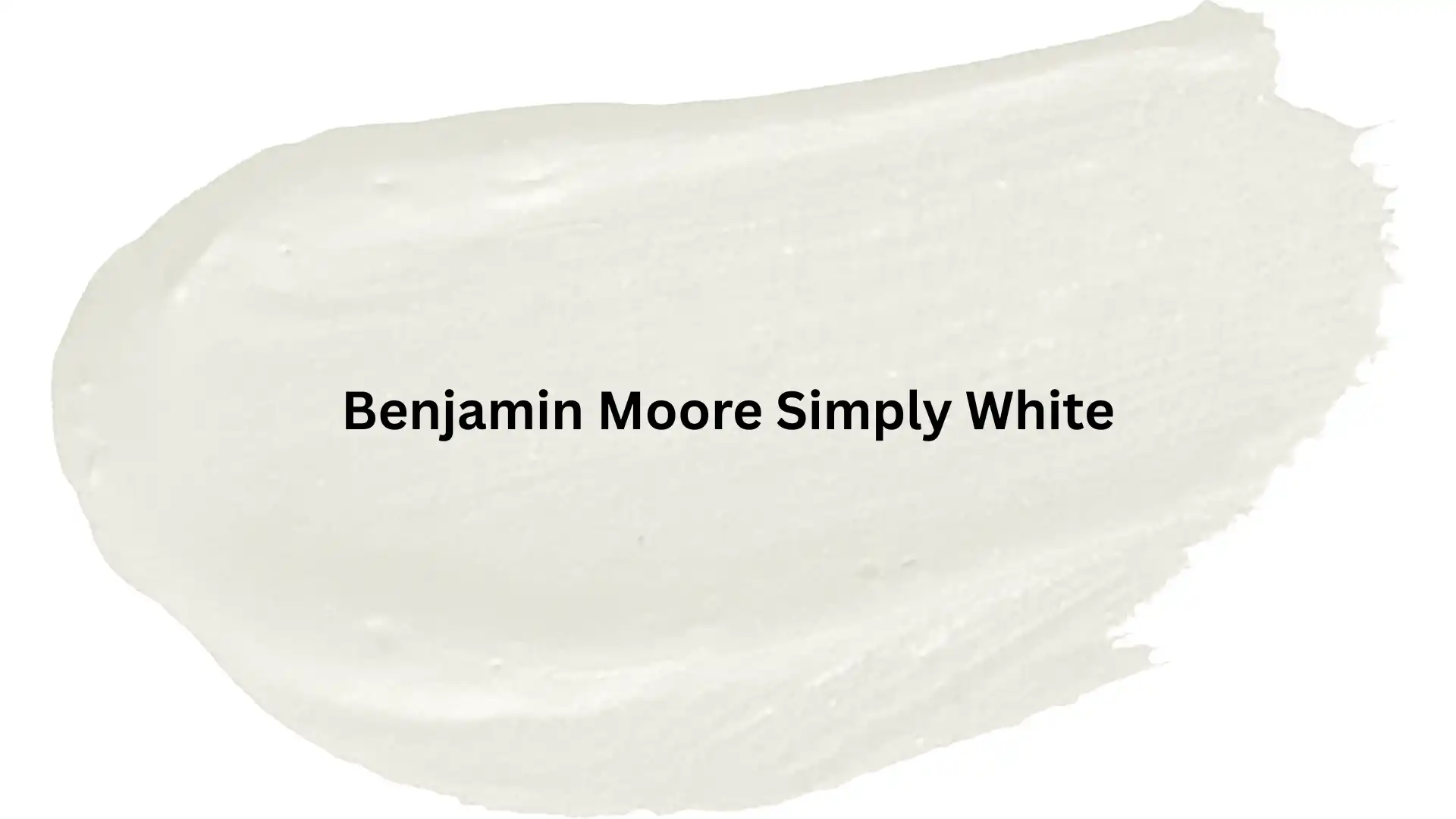
Simply White was Benjamin Moore’s Color of the Year in 2016. LRV: 89.52. It’s brighter than most warm whites but carries soft yellow undertones.
7. Sherwin-Williams Navajo White (SW 6126)
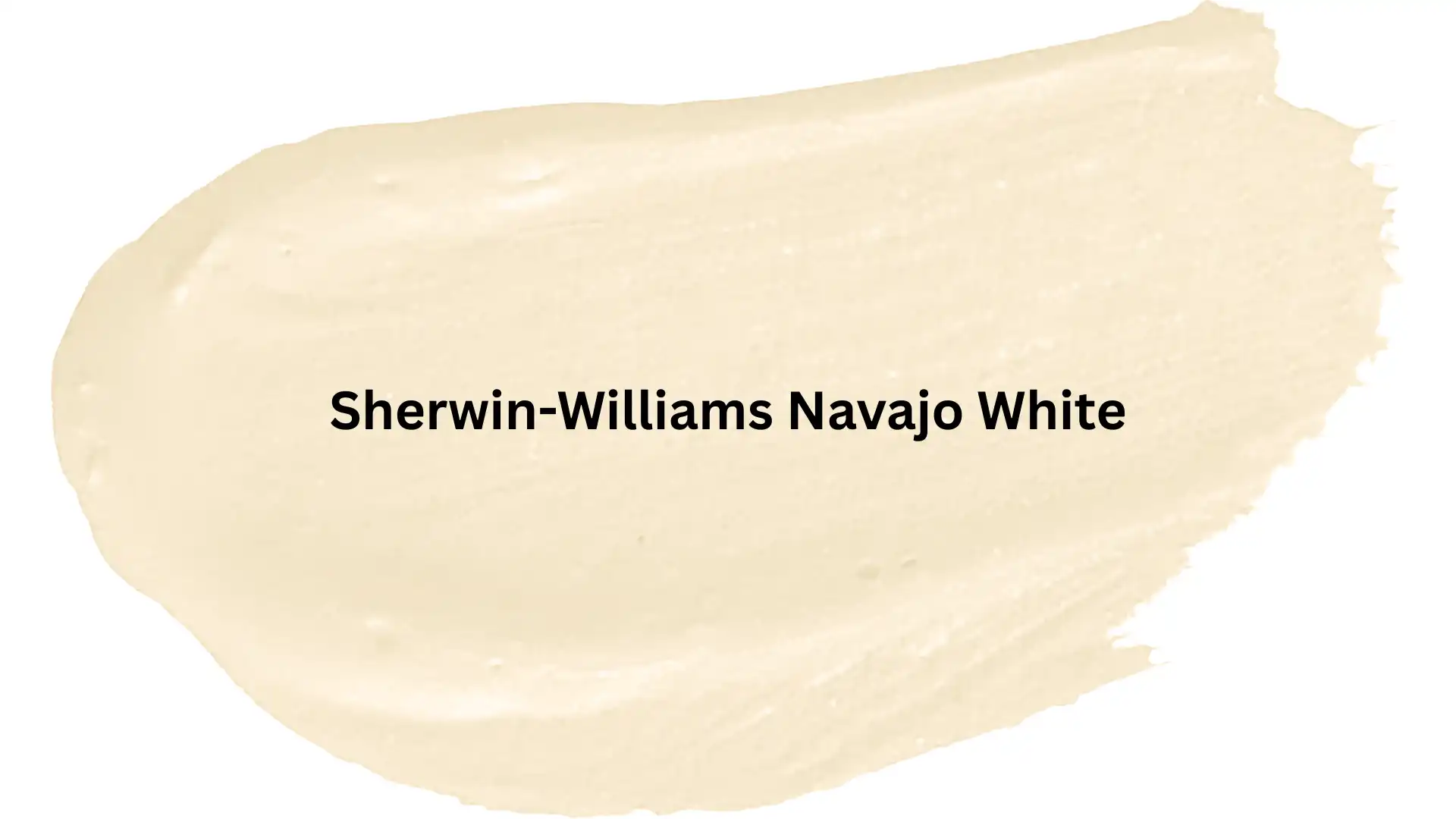
Navajo White is more of a warm cream than a white. LRV: 72. It has yellow-beige undertones and a cozy depth.
8. Behr Cotton Knit (PPU7-11)
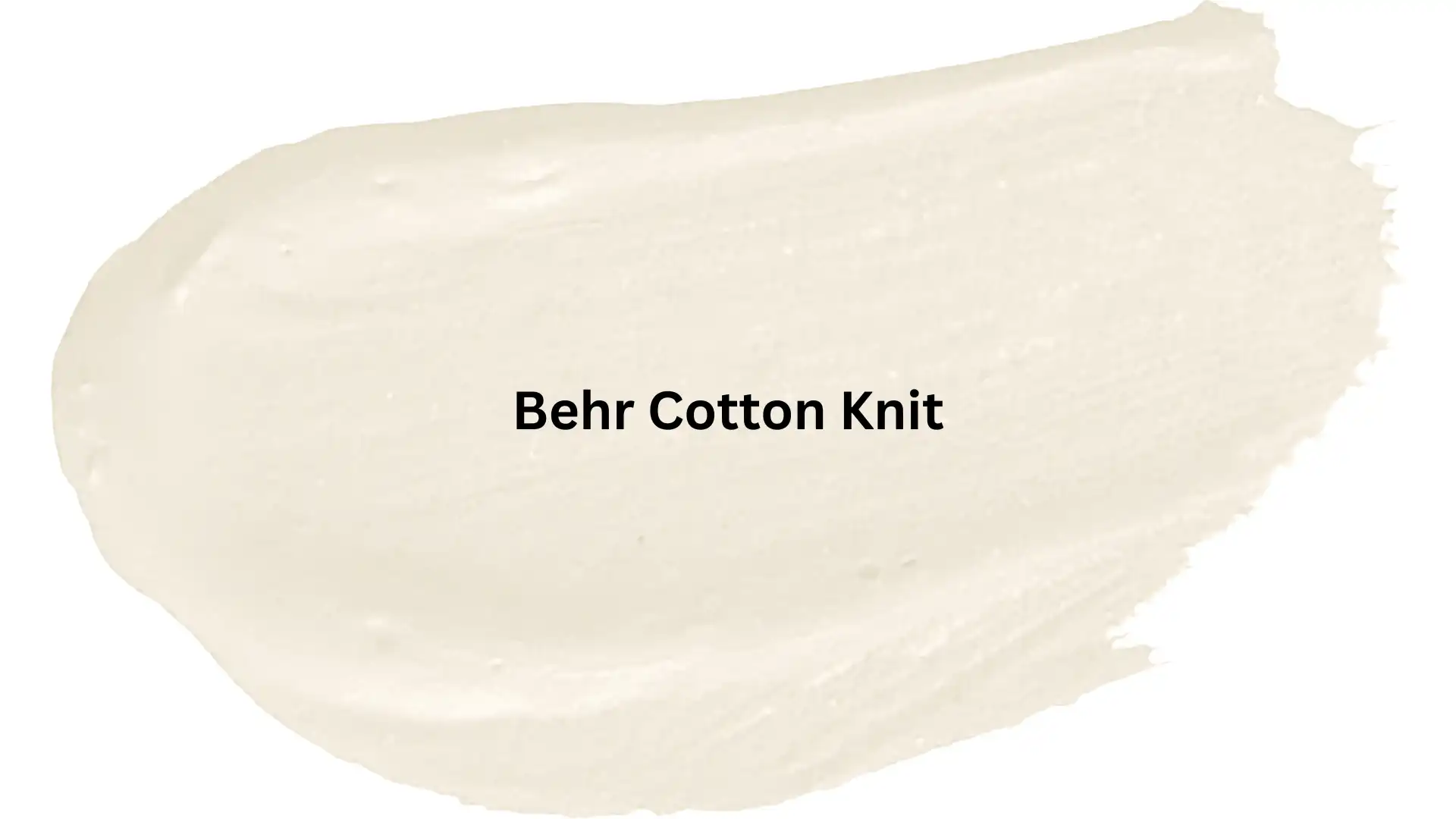
Behr Cotton Knit is a soft, muted cream-beige with warm undertones. LRV: 74. It feels quiet and calming rather than crisp.
9. Benjamin Moore Ivory White (CC-10)
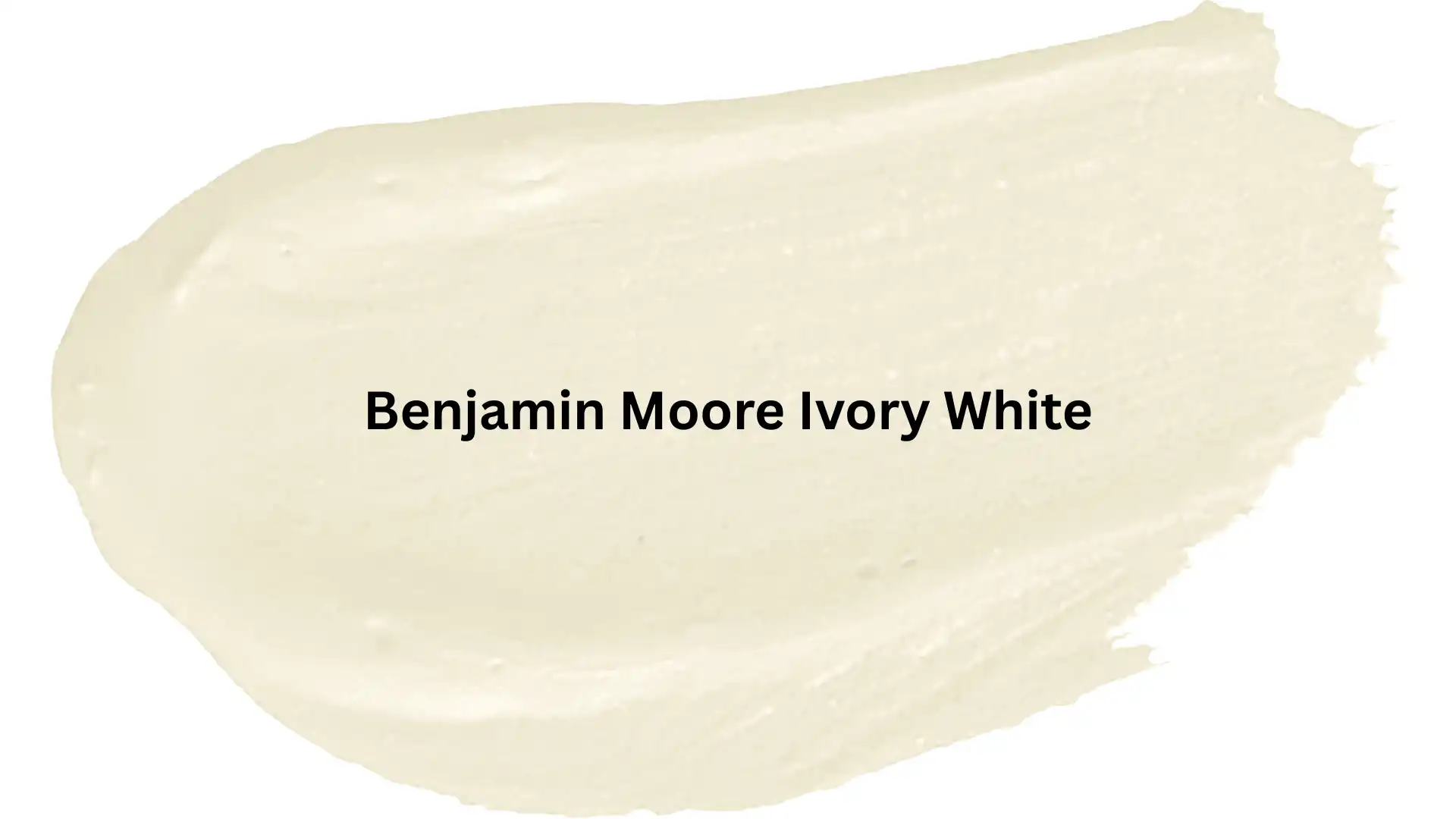
Ivory White is a clean, soft white with warm cream undertones. LRV: 83. It does not tip into yellow, keeping it fresh and light.
10. Sherwin-Williams Antique White (SW 6119)
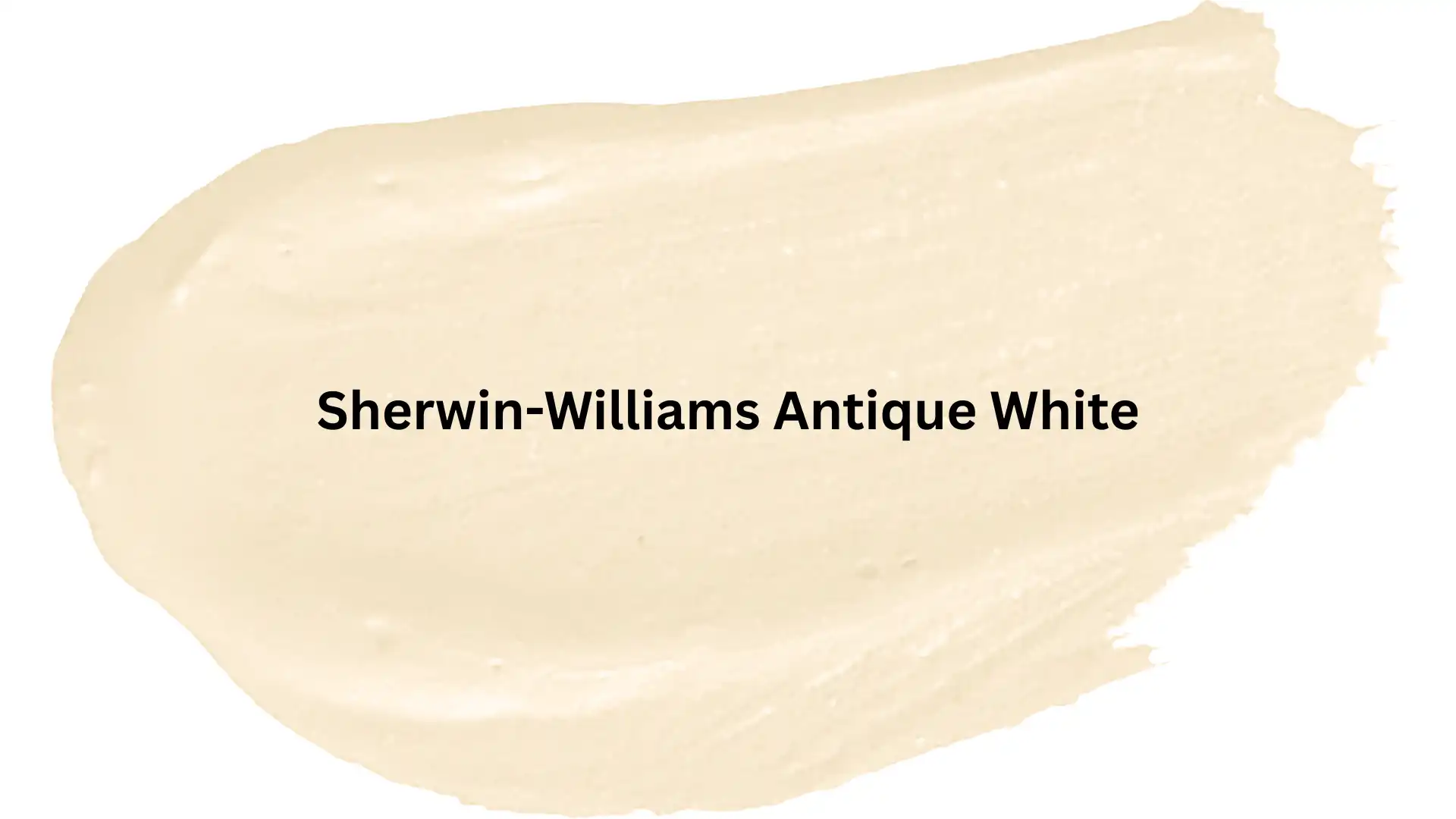
Antique White is more of a cream than a true white. LRV: 72. It has yellow undertones with hints of beige and sometimes orange.
11. Farrow & Ball Wimborne White (No. 239)
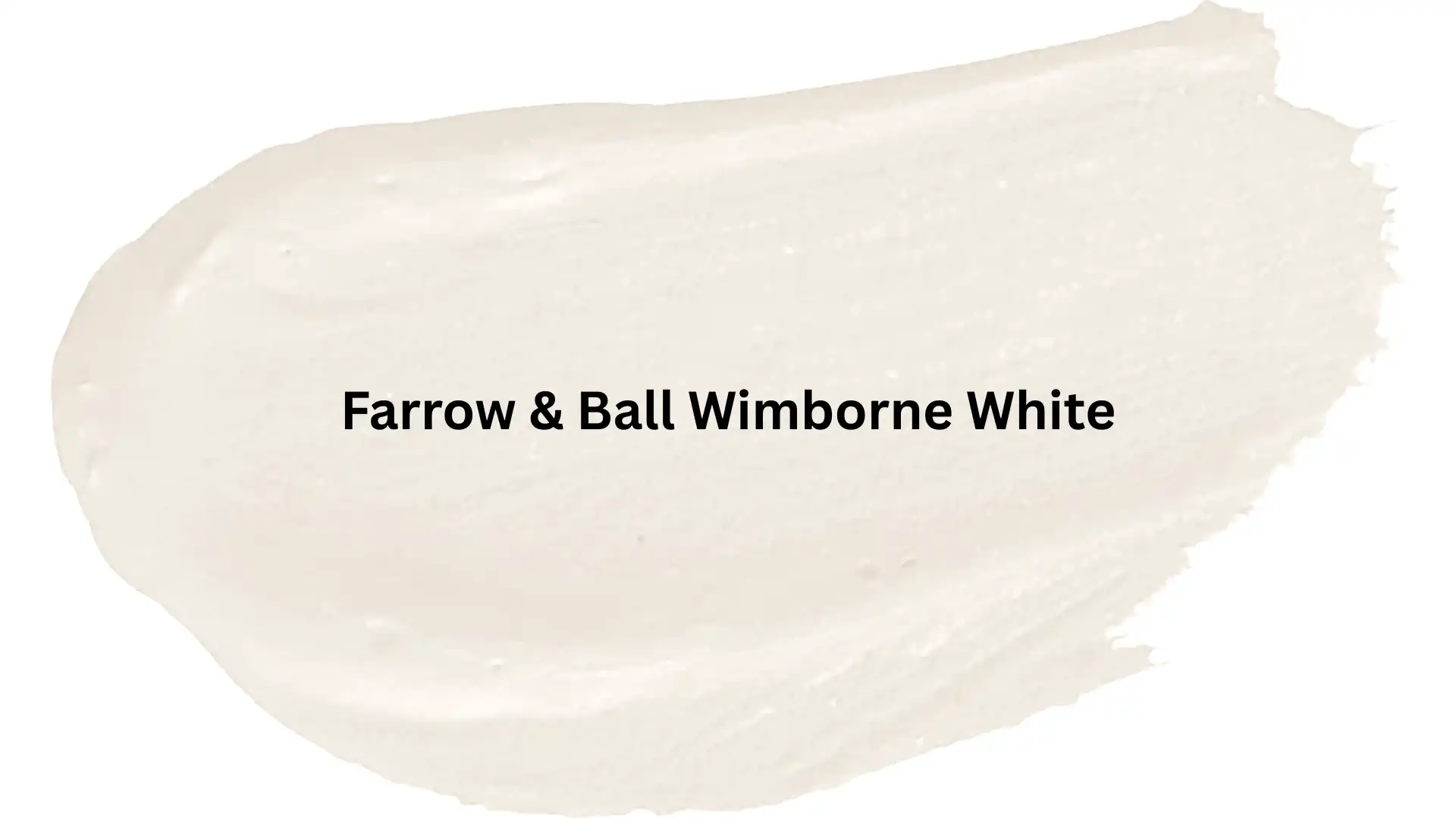
Wimborne White is one of F&B’s most popular neutrals. LRV: 85. It has warm, creamy yellow undertones that shift beautifully with light.
Rich pigment gives it a depth that sets it apart from standard whites.
Pairing Warm Whites with Other Colors
It doesn’t fight for attention. It lets other colors shine while keeping your room feeling calm and put together.
Taupes and greiges
Taupes and greiges sit naturally beside it. Together, they create a soft, layered look that feels grounded, relaxed, and very easy to live with every day.
Sage green
It brings a quiet, natural feeling into the room. It adds just enough life to your space without pulling attention away from your walls.
Muted blues
It offers a gentle contrast against it. They feel fresh and calm at the same time, making any room feel light and easy to be in.
Warm wood tones
These are a natural match. Honey oak, walnut, or pine furniture alongside the walls creates a cozy, grounded feeling that works in almost every room.
Keep your accent colors soft. Bold or bright shades can easily clash with the quiet warmth of your walls.
How Warm White Looks in Different Rooms?
Every room in your home has a different purpose, and this color responds to each one differently.
The same shade can feel cozy in a bedroom, fresh in a kitchen, and open in a living room, making it a smart, flexible choice for the whole house.
Living Room
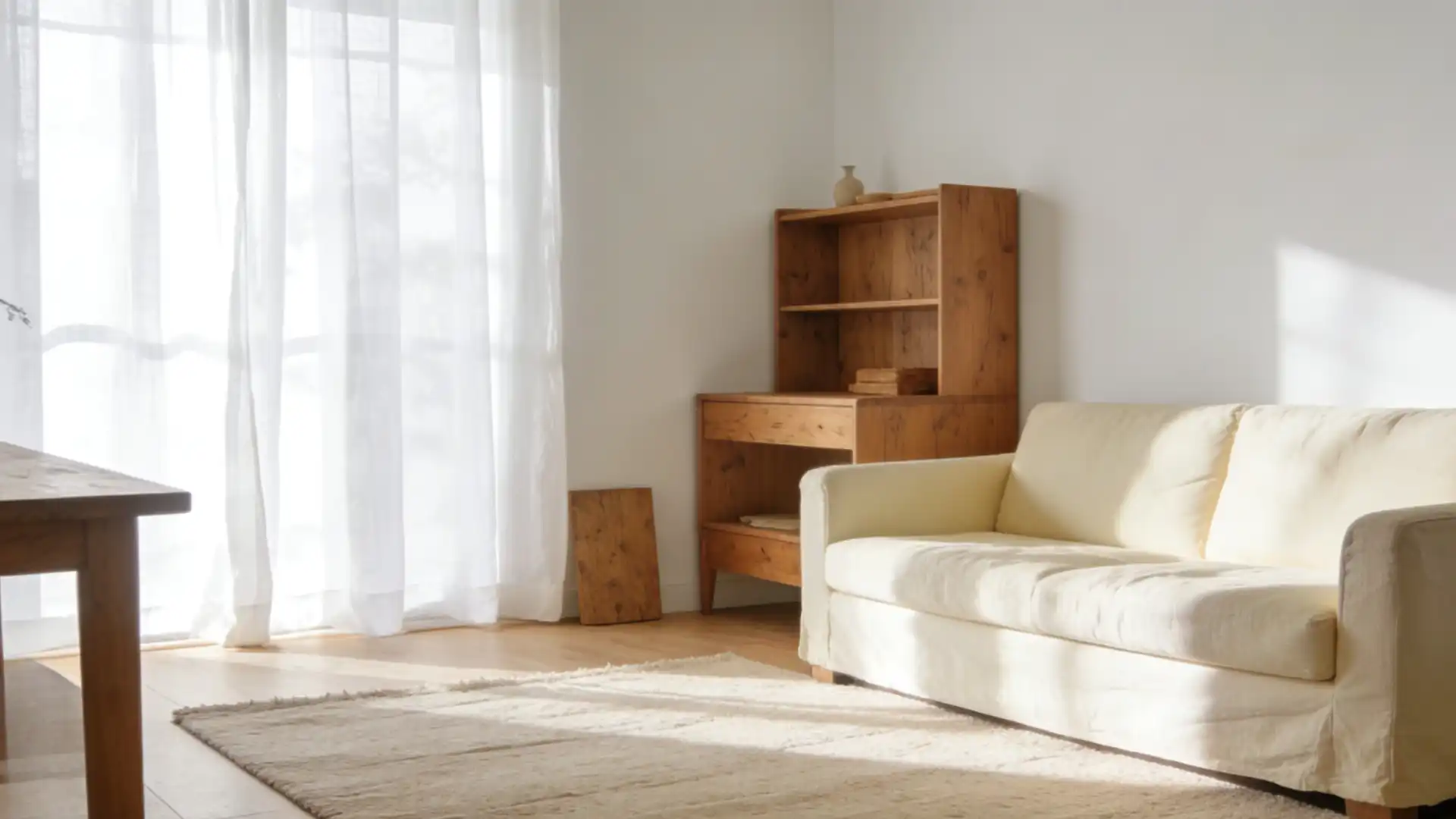
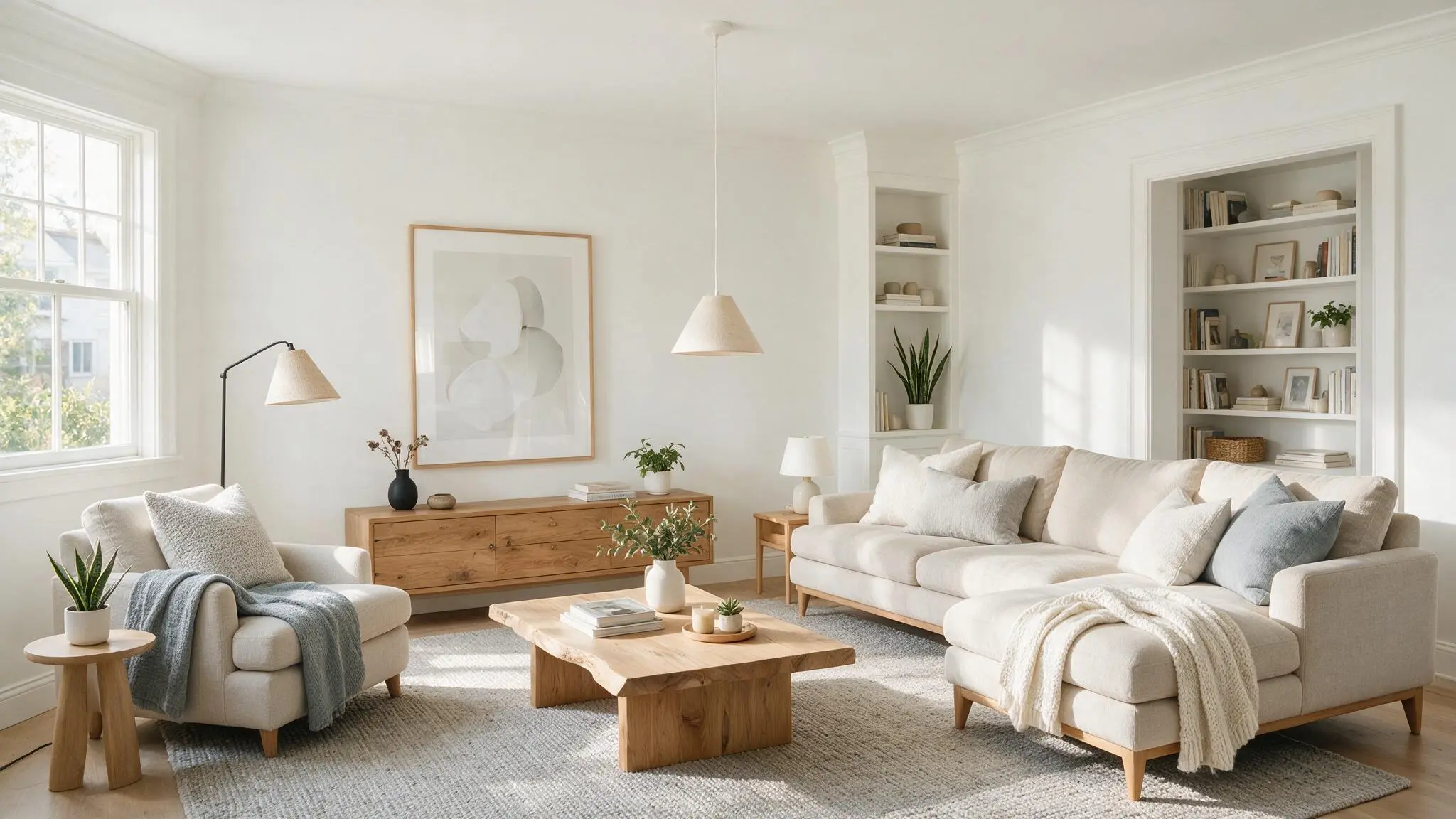
The walls in a living room instantly make the space feel open and welcoming.
Pair them with a linen sofa, wooden furniture, and soft throw pillows. The walls hold everything together without competing.
Natural light makes it glow here, and the room feels relaxed all day long.
Bedroom
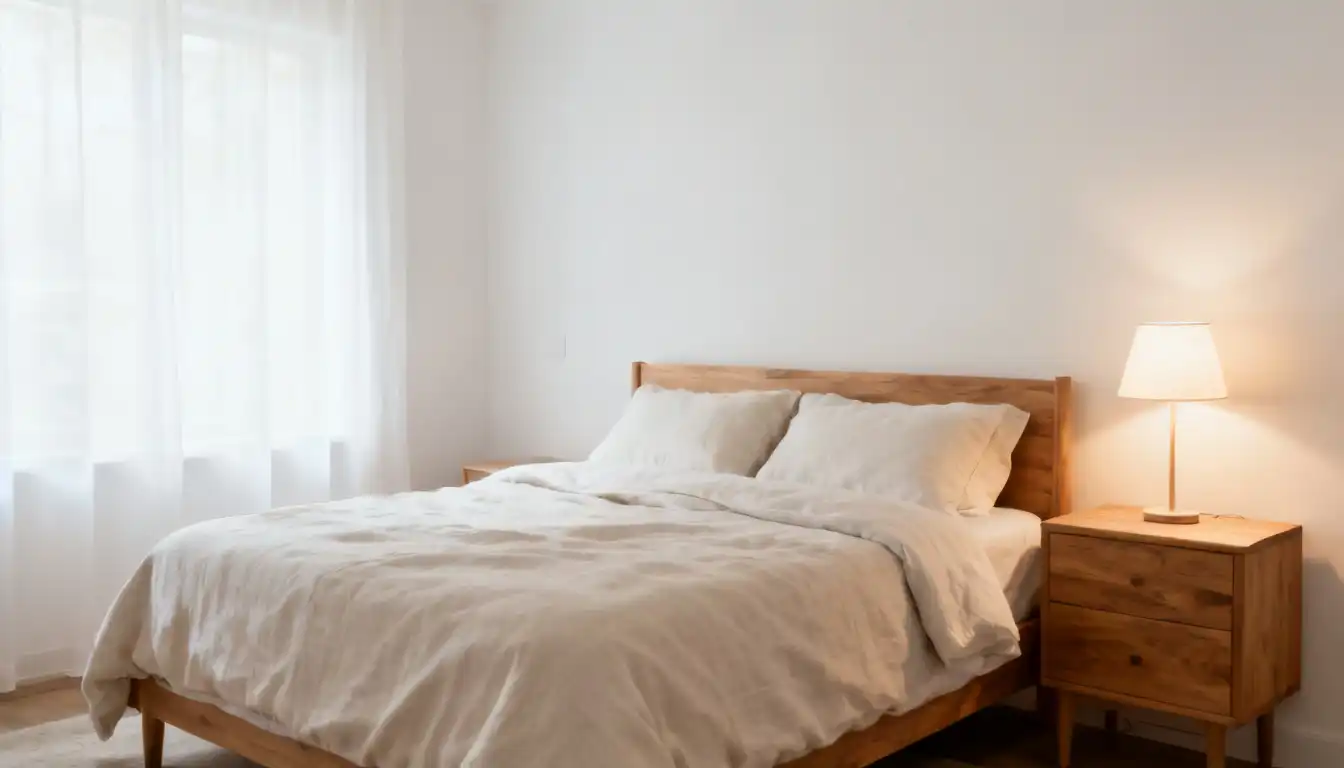
A bedroom with its walls feels like a true retreat. The soft tone keeps things calm and restful.
Pair it with wood bedside tables, cream bedding, and warm lighting. It never feels too bright at night or too dull in the morning.
Kitchen
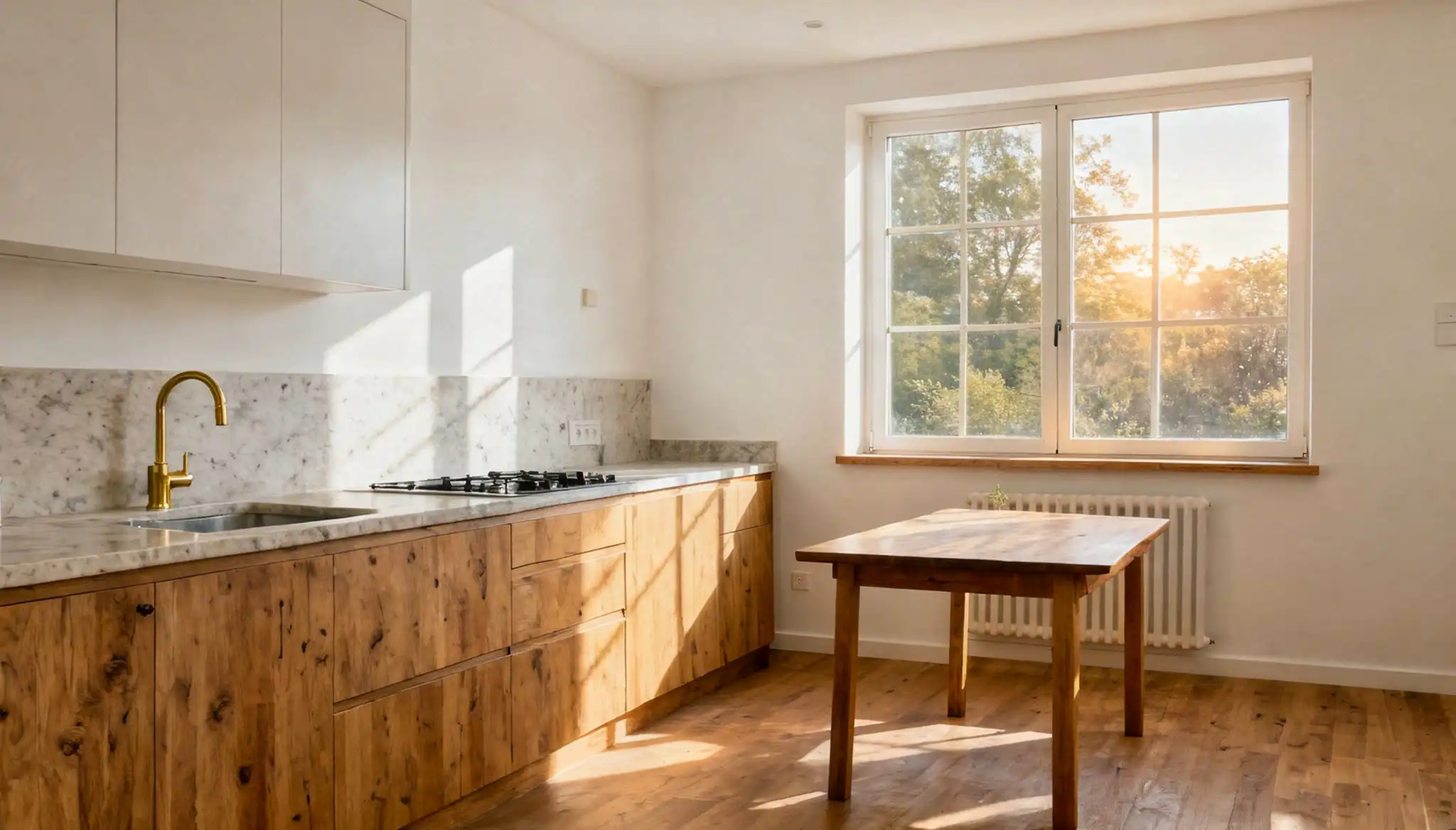
White paint in the kitchen feels clean without being cold. It works especially well with wood cabinets, brass hardware, and stone countertops.
The warmth stops the space from feeling stark or clinical. It’s a practical color too.
Marks are easy to spot, and the room always looks fresh.
Daylight vs Warm White Bulbs – Which is for White Walls?
Your paint color is only half the story. The bulb you choose plays a big role too.
Daylight bulbs give off a cool, bright light. They make warm white walls look crisper and fresher. They work well in kitchens and home offices where you need clear, focused light.
Warm white bulbs give off a softer, golden glow. They bring out the cozy side of warm white walls. Bedrooms and living rooms feel especially comfortable under this lighting.
Match your bulb to the mood you want in each room.
Always test your paint sample in both morning and evening light as they tell two very different stories.
How to Use This Paint on The Outside?
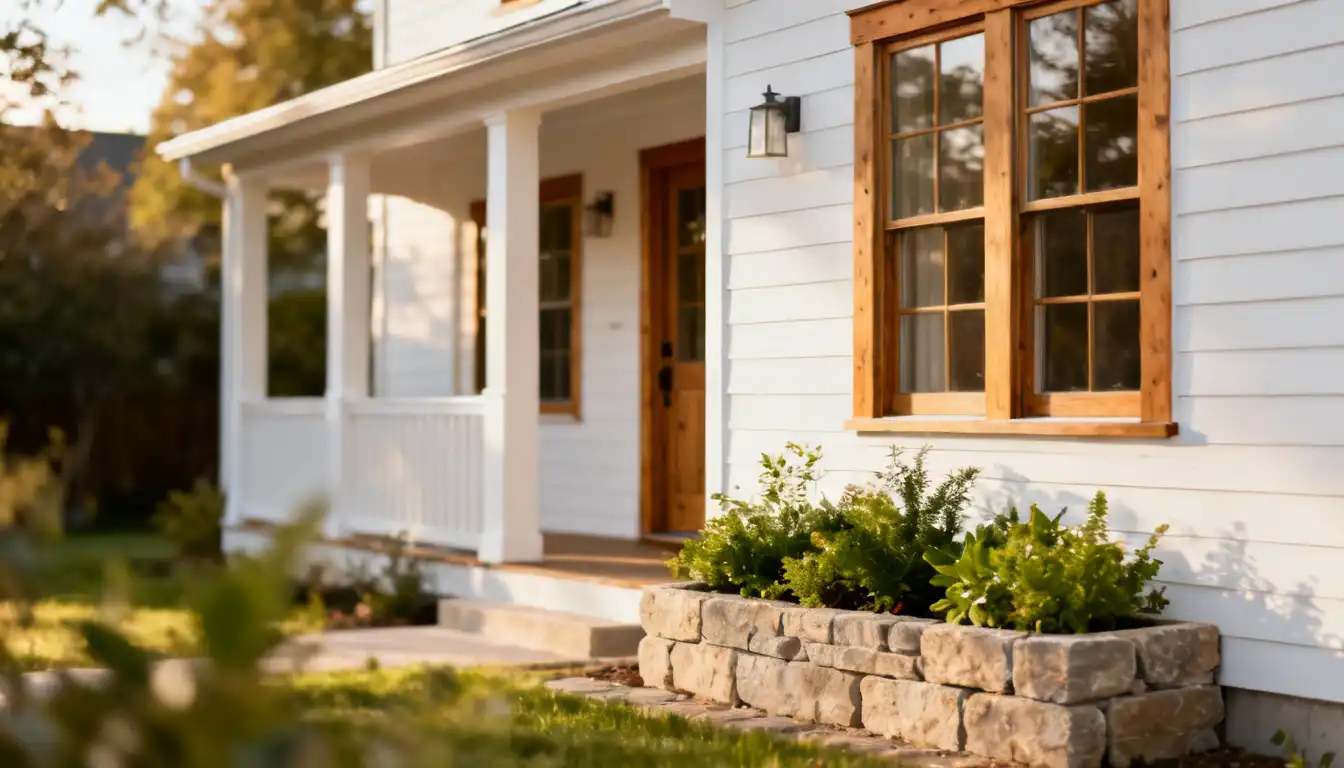
It isn’t just for inside your home. It looks just as good on the outside. A warm white exterior feels welcoming, timeless, and clean all at once.
Keep these in mind when choosing the one for your exterior
- Trim color: Crisp white trim against its walls creates a sharp, finished look.
- Front door color: Black, navy, or sage green doors pair really well with its exterior.
- Roof and stone tones: It works best alongside grey, brown, or tan roofing materials.
- Finish: A satin or soft sheen finish holds up better outdoors and keeps the color looking fresh longer.
Take your exterior sample outside in full daylight before committing. Sunlight hits outdoor walls very differently from indoor lighting.
What looks perfect inside can read much warmer or lighter once it’s on your front wall.
How to Choose the Paint?
Choosing warm white is not simple, so testing is everything.
Start by picking two or three shades you like. Buy small sample pots and paint large swatches directly on your wall, not on paper.
- Look at it in the morning, Natural light shows the true undertone.
- Check it at night and see how it looks under your actual bulbs.
- Look at it on cloudy days. Grey skies change everything.
- Check every wall. Light hits each wall differently in the same room.
Give each sample at least 24 hours before deciding. Fresh paint looks different once it fully dries. Take your time here. One good test saves you from a full repaint later.
Conclusion
So, Warm white is not just a wall color; it’s a feeling.
It’s the backdrop that makes your favorite couch, your wooden shelves, and your houseplants look like they belong together.
You don’t need to be an interior designer to get it right. You just need a few sample pots, good lighting, and a little patience.
Start small. Test your shades. Check them in the morning, at night, and everything in between.
Now go grab that paintbrush. Your walls are waiting!
Frequently Asked Questions(FAQs)
1. How Many Coats of Warm White Paint Do I Usually Need?
Most warm whites need two coats for a smooth, even finish. Some deeper cream shades may need a third coat.
2. Does Warm White Show Dirt or Scuff Marks Easily?
It can. Choosing an eggshell or satin finish makes cleaning much easier and keeps your walls looking fresh longer.
3. Can Warm White Work in a Dark Room with Very Little Natural Light?
Yes. Pick a warm white with stronger cream undertones. It adds warmth without making a dark room feel heavier or smaller.