The fence looks fine until someone says it is two feet over the line. That is usually how neighbor problems begin, not with yelling across the yard, but with one small thing that feels awkward enough to avoid and annoying enough to remember.
Most neighborhood conflicts grow slowly because people share space without always sharing expectations. Noise, pets, trees, parking, property lines, drainage, and late-night projects can all become sensitive when they affect how someone uses their home. The problem is what happens when nobody deals with it early.
Small Issues Often Carry More Weight Than They Seem
A neighbor’s dog barking once is not a crisis. A dog barking every night at 11 p.m. becomes something different. The same thing happens with branches hanging over a fence, cars blocking a driveway, smoke drifting into a window, or water running from one yard into another after every storm.
These issues matter because home is where people expect control and quiet. When that comfort is disturbed, even a small problem can start to feel personal. That is when calm thinking becomes harder.
Knowing How to Handle Neighborhood Disputes Early
Most people wait too long before speaking up because they do not want to seem difficult. That is understandable. Nobody wants to become the neighbor who complains about everything, and nobody wants to start tension over something that may have been accidental. Still, silence can make a simple issue harder because the other person may not even know there is a problem.
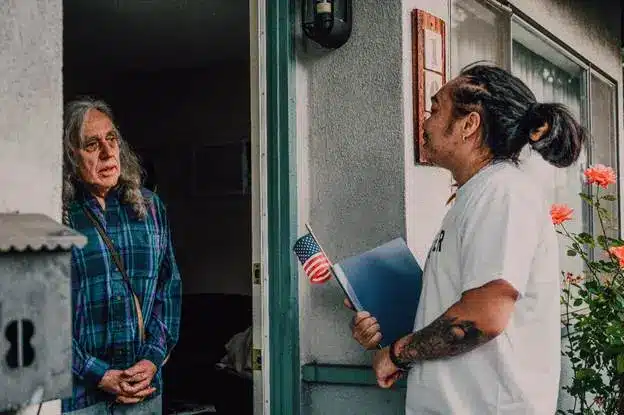
If you want to know how to handle neighbor disputes, a better first step is usually a calm, direct conversation that explains the issue without turning it into a personal attack. The objective of the conversation should be to look for that middle ground between ignoring the problem and escalating it too fast. That middle ground matters because many conflicts can still be managed before they become formal, costly, or just plain miserable.
Property Lines Can Create Fast Tension
Property line issues have a way of appearing out of nowhere, even though the conditions for them were often there for years. A fence gets installed, shrubs slowly spread, or part of a driveway starts being used without much thought. Eventually, one homeowner assumes the area belongs to them while the neighbor sees it differently. That is where things get messy. Memory, assumptions, and long-standing habits are not always accurate. Checking surveys and property records before making changes near a boundary may seem tedious, but it is usually easier than fixing a dispute after construction or landscaping work is already done.
Noise Problems Build Resentment Quietly
Noise disputes are strange because one person may think nothing serious is happening while another is losing sleep. Loud music, power tools, parties, barking dogs, early morning lawn care, and even repeated driveway activity can become a problem when they happen often enough.
The first conversation should usually be simple. The goal is not to accuse someone of being careless. It is to explain what is being affected. Maybe a child is sleeping. Maybe someone works nights. Maybe a home office is being used for calls all day, which is now normal in many homes, for better or worse.
Trees, Branches, and Yard Maintenance
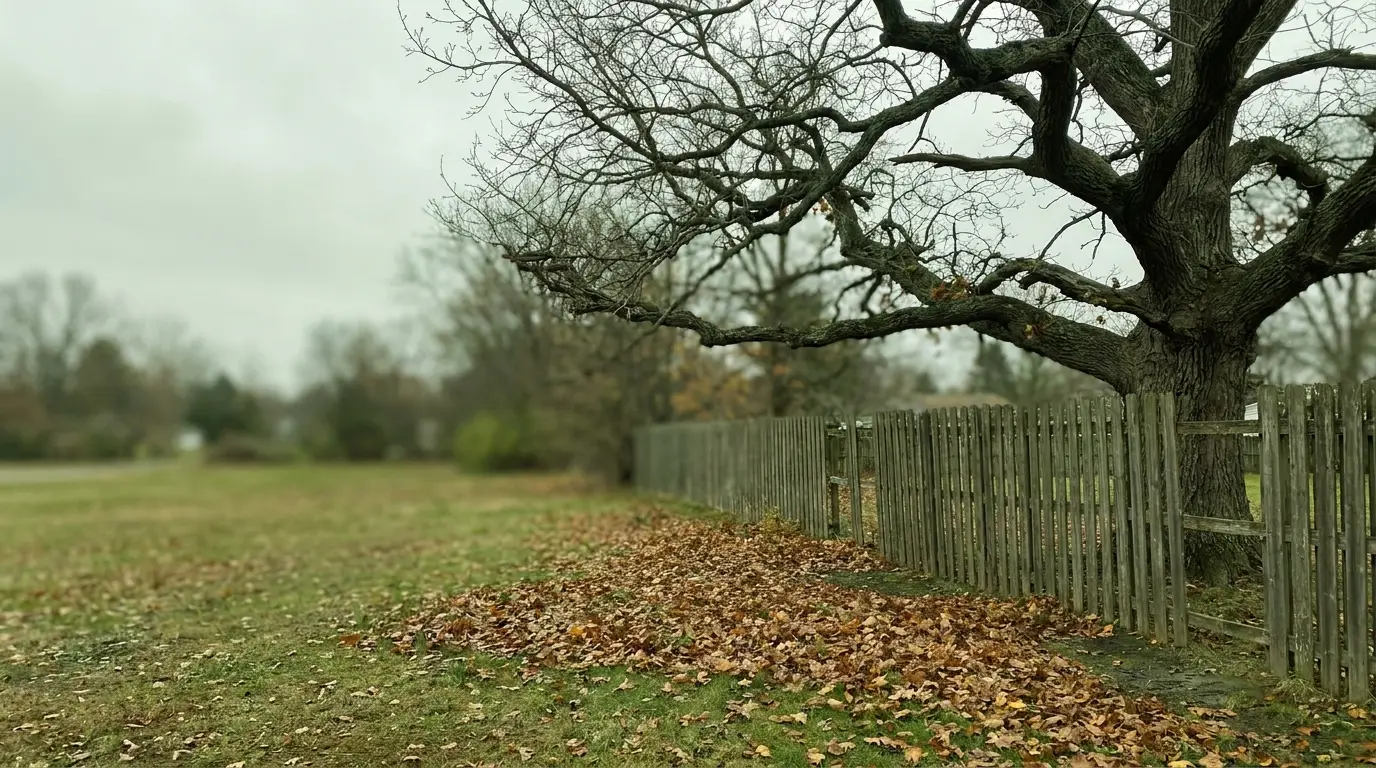
Trees are peaceful until they are not. Overhanging branches, falling limbs, roots damaging pavement, and leaves filling gutters can all lead to disagreement between neighbors. These problems can be tricky because a tree may belong to one person while the impact is felt by another. A homeowner might enjoy the shade, while the neighbor deals with clogged drains or damaged fencing. That can create frustration on both sides. Before trimming or removing anything, it is smart to understand what is allowed locally and what could create trouble.
Pets Can Turn Friendly Neighbors into Frustrated Ones
Pet issues often become emotional because people care deeply about their animals. Still, barking, loose dogs, waste left in yards, damaged landscaping, and safety concerns are real problems. A neighbor may not realize how often a dog barks when they are gone. They may not know their pet is getting through a loose gate. In some cases, the issue is simple neglect. In others, it is a lack of awareness. The best approach is usually to focus on the specific behavior and how often it happens.
Parking and Shared Access Problems
Parking disputes can feel small from the outside, but they affect daily routines. A blocked driveway, cars parked too close to corners, guests taking up limited street space, or vehicles left for long periods can quickly wear on people.
These problems are more common now because many households have more cars than older neighborhoods were built to handle. Clear communication helps, but so does knowing the local rules. Some parking behavior may be annoying, but allowed. Other behavior may create a safety issue or violate local codes.
Drainage and Water Runoff Issues
Drainage disputes can become serious. If one yard sends water into another, the damage can show up as soggy soil, basement moisture, damaged landscaping, or erosion near foundations. Sometimes, the cause is natural grading. Other times it comes from new patios, blocked drains, downspouts, or landscaping changes. These issues should not be ignored because water damage tends to get worse. A polite conversation is still a good start, but documentation helps too. Photos after rain, dates, and notes about where water collects can make the issue easier to explain.
Documentation Helps Keep Things Calm
Writing things down may feel dramatic, but it often helps. Dates, photos, short notes, and copies of messages can keep the facts clear if memories start changing later. It just means that when a problem repeats, details matter. A record can show whether the issue happened once, five times, or every weekend for two months. Documentation also helps people stay calm because they can describe the problem clearly instead of relying on anger in the moment.
When a Conversation Is Not Enough
Sometimes talking things through does not fix the problem. The other person may brush it off, disagree with your version of events, or simply stop responding. When that happens, it usually makes sense to slow down rather than escalate immediately. Keep notes, save messages, understand local rules, and look at options like mediation or community guidelines before taking bigger steps.
Most neighborhood issues become harder to solve once frustration takes over. A small disagreement handled early often stays manageable. Left alone, it can grow into something that affects daily life far more than anyone expected.