Everything You Need To Know About Your House’ Electrical Safety
Electrical appliances are everywhere around our homes, to the point where they’re not something you’re even giving much thought to, to begin with. They are indispensable for daily life, being the fuel that powers work, leisure time, and chores alike. However, just because they are commonplace doesn’t mean that you should disregard the importance of practising safety when it comes to them. While some mishaps and irregularities can just be a minor inconvenience that causes power to go off in your home every now and then, others can be downright catastrophic and result in house fires that lead to massive property damage, injuries, and even death.
If you haven’t thought much about electrical safety until now, the good news is that it is never too late to start. Here are some of the things you should keep in mind.
Always Hire Authorized Electrical Contractors
Sometimes it’s tempting to hire unqualified tradespeople or attempt electrical work yourself because it’s more affordable, but doing it can create serious safety risks. All electrical installations and repairs around your house should comply with the regulations and industry standards to ensure your safety, so prioritize hiring authorized professionals who have the necessary certifications, training, and insurance to handle the tasks.
Hiring a qualified electrician also protects you from potential legal and financial consequences because if substandard workmanship causes an electrical fault that leads to injuries, fire, or damage to the neighbouring properties, you could face compensation claims. The experts from Public Interest Lawyers provide more information on the consequences of a compensation claim.
Overloading
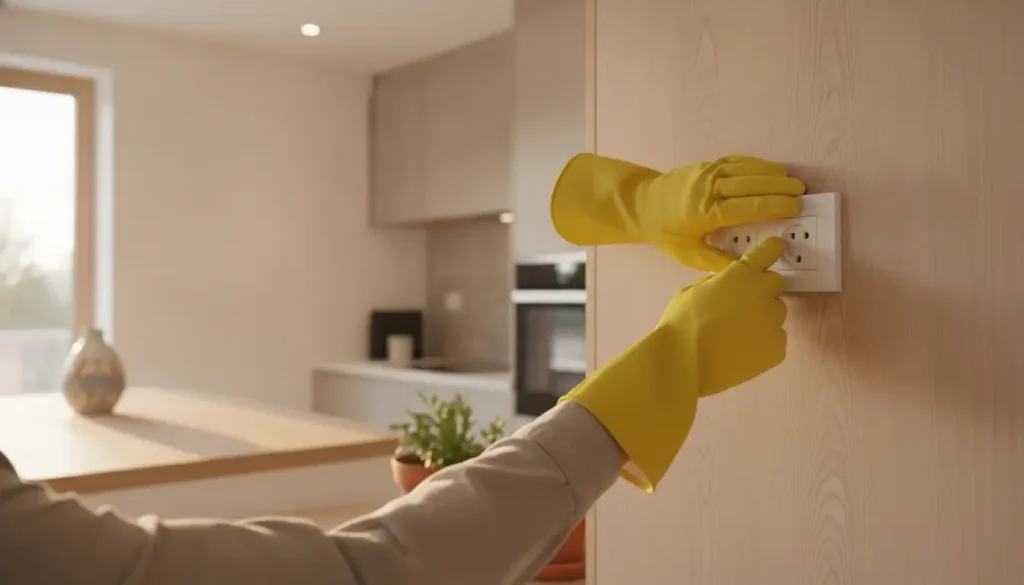
Overloading outlets can be a potential safety risk for your home. Unfortunately, they are also quite common across households. The clearest sign that something is wrong is if you notice an outlet feels warm or hot to the touch. Ensure they are in proper working order by getting them checked regularly and using protective faceplates to minimise the risk of damage. Using multiple extension cords is another possible issue, and you should remember that heat-producing appliances should only be plugged into an outlet one at a time.
Repair and Replace
No matter how trustworthy an appliance may seem, you should consider replacing it if it has been years since you’ve got it. This includes electrical cords and outlets as well. If yours have become visibly damaged, it is a clear sign that you need to start investing in new ones. Older appliances are a potential residential fire safety hazard, and they can also cause electrocution. Fraying and cracking are the most common signs of damage, and in some cases, the cords can be successfully repaired. However, if the damage is serious, it is better to err on the side of caution and purchase new ones.
When you’re purchasing a new extension cord, make sure to take into account the electrical load it will have to carry in order to stay safe. There’s also the option of having an electrician install extra outlets, especially in the rooms where you’re frequently using cords, as very often, the use of a large number of cords is a sign that there are simply not enough outlets in your household.
Tidiness
One of the simplest electrical safety tips is to keep your cords tidy and secure. Your power cords shouldn’t be stapled into place or run under furniture or carpets. Rugs are more likely than not to cause the cords to overheat, on top of being a tripping hazard that can result in serious injuries. Furniture items can crush insulation, damage wires, and cause them to stop working altogether. It is also important to remember that practising safety doesn’t only apply to the times when the cords are in use. Make sure to keep yours stored away safely if you have children or pets who can cause quite a lot of damage by chewing on the cords or playing with them.
Extension cords shouldn’t be wrapped tightly around objects because it means that they will stretch. In some cases, it can even lead to overheating. And, of course, you should never leave cords close to hot surfaces as it can lead to serious damage to the wires inside. As everyone knows, water and electricity don’t mix well, so all electrical equipment should always be kept perfectly dry and away from all kinds of moisture. You should never have wet hands when handling electrical equipment, and power sockets should be kept away from bathtubs, sinks, showers, aquariums, and any other features or items that are connected to water.
Unused Appliances
Unplugging unused appliances and switching off lights reduces your electricity bills and can even reduce your household’s carbon footprint, making your home more sustainable. This concept is referred to as phantom drain and refers to the amount of energy a device consumes even when you’re not actively using it. But did you know that doing it can also reduce the potential risks associated with appliances malfunctioning? Appliances can potentially overheat even if you’re not using them, something that can cause a fire in your home. Power surges are frequent culprits when this happens.
However, remembering to unplug unused gadgets can be difficult since although it is a useful and helpful habit, it is unfortunately not widely known and practised even less often. Smart plugs can help in this regard as well by giving you the option to set power schedules for every outlet so that even if you forget, the devices have you covered.
Air Circulation
When you’re choosing an interior design for your household, the positioning and safety of your electrical appliances and outlets will probably not be at the top of your priority list. However, proper air circulation is a must; otherwise, overheating becomes much more likely. Avoid keeping any type of equipment in enclosed cabinets, even if it creates a more seamless, aesthetically pleasing look. Flammable objects must be stored away from electronics and appliances
Everybody is aware of the importance of electrical safety, but quite a lot of people end up disregarding even the most basic rules as they believe that an unfortunate accident couldn’t happen in their case. However, it is always better to be safe rather than sorry and ask for help and assistance from a professional if you are concerned about something.