Homes and technology have evolved so much over the past few years. Now, homeowners have devices that can seemingly do anything, from monitoring their health to keeping thieves at bay. The caveat is that these systems depend on electricity.
Along with the various other smart home upgrades, many homeowners are investing in a generator in case of a power outage. Discover why and what you should know before getting one, too.
Why People Are Getting a Generator for Power Outages
From preventing power surges to maintaining comfort when power lines are down, here’s why a generator is an essential addition to your home this year.
1. Keep Essential Appliances Running
Power outages can last for hours or even days. You may be able to get by without a microwave and hair dryer, but you need to keep critical appliances powered. For instance, the refrigerator needs to keep running to prevent food spoilage. Lamps can provide visibility, preventing trips and falls. A generator ensures these items still function as usual.
2. Protect Against Power Spikes After Outages
When electricity comes back after a power outage, you may experience a voltage spike, which can damage sensitive electrical components and appliances. Getting a generator can help keep electronics active and safe during outages. It is especially useful for powering critical systems like sump pumps, which protect your home from flooding.
3. Ensure Safety for Medical Devices
Many medical devices require electricity, and most have to run 24/7 with minimal interruptions. Even temporary shutdowns may result in financial costs or endanger lives. The same goes for systems that provide temporary support, such as a continuous positive airway pressure machine. By providing reliable power, generators can extend the lifespan of these devices.
4. Maintain Home Security
In addition to protecting your health, you need to keep your home safe. A power outage can render sensors, alarms and cameras useless. Don’t give burglars or invaders a chance to get in. A generator can keep your surveillance system online around the clock.
5. Continue Productivity and Comfort
All plans go out the window when the power goes out. Whether you were hoping to work from home, clean the house or just lounge, everything’s on pause until the electricity comes back. With a generator, you have far fewer distractions and more control over how your day will go.
Different Generator Types to Consider
Getting a generator is key to staying safe and comfortable during a power outage. However, there is no one-size-fits-all model. Here’s a rundown that you can reference when choosing.
Standby Generator
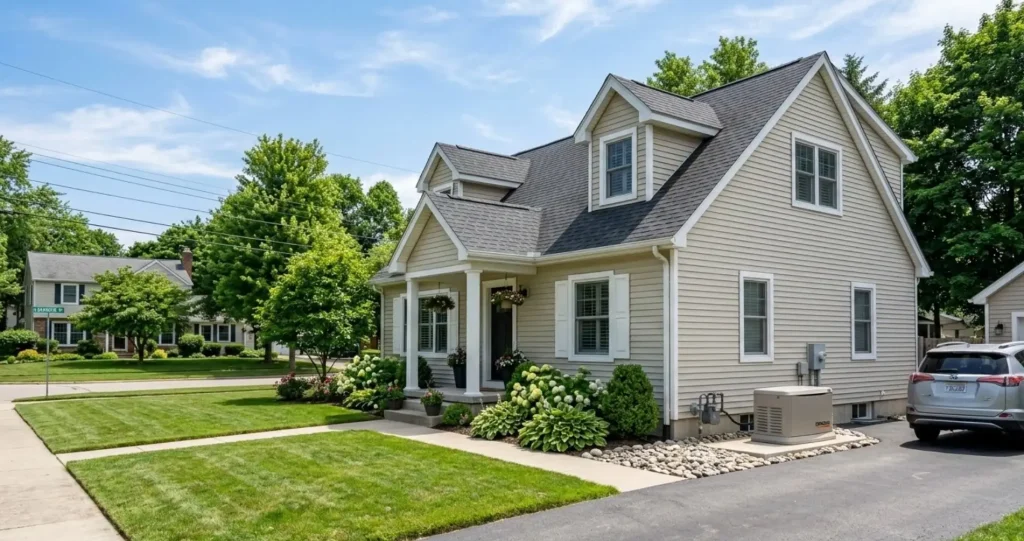
A standby generator is a standard way to provide backup power. It operates automatically and is generally connected to the entire home. These units can convert diesel or natural gas into electricity, giving you a range of fuel options.
Inverter Generator
An inverter generator is an efficient, highly portable alternative. It converts a fixed direct-current power source into alternating-current power to match your needs. Plus, it tends to be quieter and more compact than other types of generators.
Portable Generator
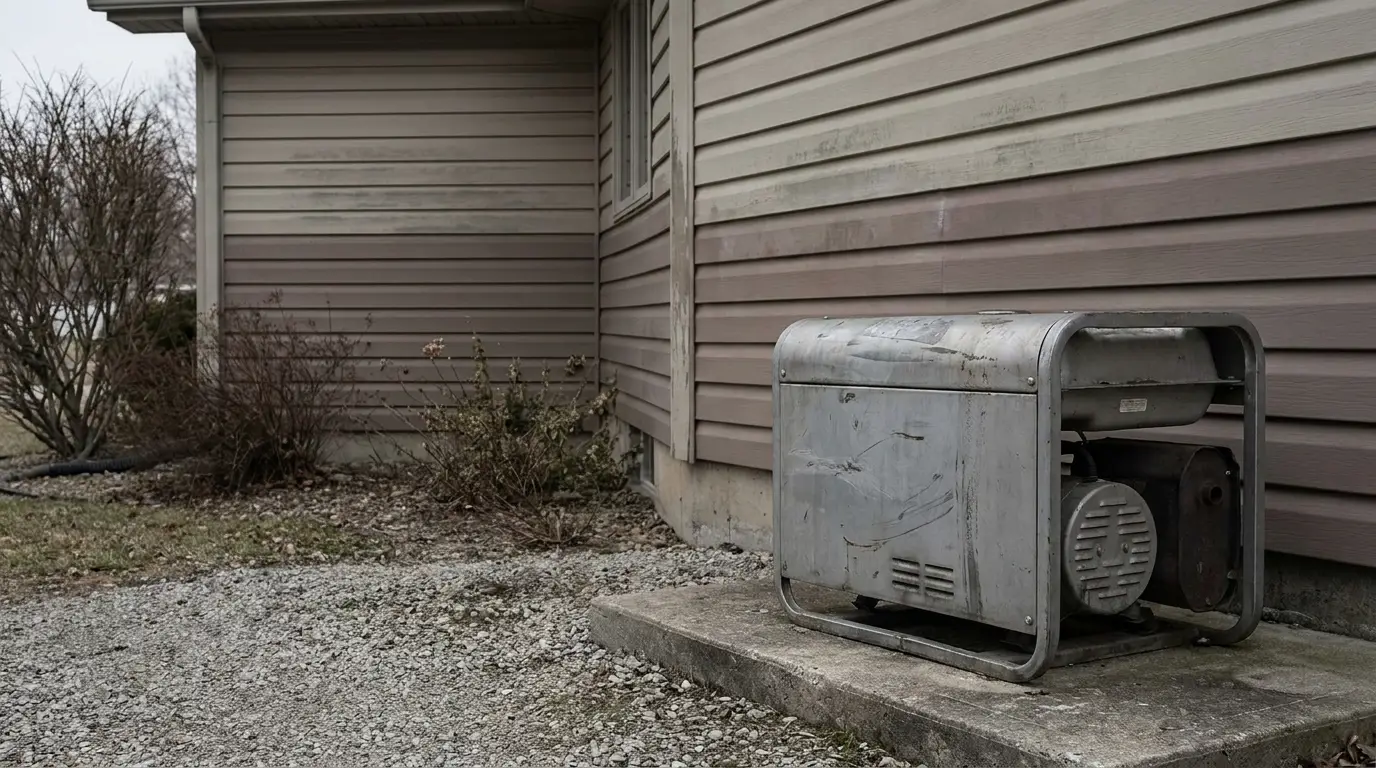
If you prioritize portability and versatility, a portable generator may be the best option. It stores electrical energy within the unit, so you can whip it out whenever you need it. While it’s a useful backup for the house, you can also bring it along to campgrounds and tailgates.
Frequently Asked Questions
Here are the answers to common questions to help you choose a generator that suits your needs.
How Long Do Power Outages Last?
If the city announces a power outage in advance, you know how long it should last. However, during sudden outages, restoration times can vary depending on the damage type and severity.
What Size Generator Do You Need for Your House?
Generators come in all shapes and sizes. To determine the size you need, add the wattages of the appliances you want to power. From there, choose the power capacity that matches your needs.
How Does a Home Generator Work?
Each home generator works differently, depending on the unit type and the energy source powering your appliances. It’s best to refer to the manufacturer’s instructions.
Take the First Step of Power Outage Preparation
Generators for power outages can provide the peace of mind you need to protect your property and stay comfortable when the grid goes down. Start preparing for a power outage, for both your home and your future self.