When it comes to furnishing a rental property, the challenges are significantly greater than those involved in furnishing your primary residence. Each piece has to earn its place, work within the confines of a sometimes-awkward layout, and — ideally — hold up to the wear and tear that comes with constant tenant turnover. Whether you’re a homeowner preparing a rental for photos, a property manager prepping a unit for a walkthrough, or a renter simply trying to make a rental feel like home, getting furniture placement and sizing right is critical to turning an unremarkable space into one that’s both visually appealing and livable.
Why Size Matters More in Rentals
Rental properties typically feature layouts that were never designed with a particular furniture arrangement in mind — narrow living areas, irregularly shaped bedrooms, and the like. Because of this, scale becomes the single most important consideration in furniture placement.
Oversized furniture in a small rental creates cramped conditions that hurt a property’s perceived value during showings. Furniture that’s too small has the opposite problem — it leaves a space feeling sparse and unappealing, which matters just as much when trying to attract quality tenants as it does when a homeowner wants to impress guests. A good general guideline: furniture should occupy roughly two-thirds of a room’s usable floor space, while leaving enough clearance — ideally 30 to 36 inches — between major pieces for comfortable movement throughout the room.
Measure Before You Move Anything
It sounds obvious, but skipping measurements is one of the most common mistakes made when furnishing a rental. Before purchasing or relocating furniture, take note of:
- The room’s overall length and width
- Doorway and hallway widths, to confirm large pieces can actually reach their destination
- Ceiling height, especially in older homes with reduced clearances
- Window and outlet locations, which directly affect where furniture can reasonably sit
For landlords managing multiple units, this step matters even more. A sofa that fits perfectly in one property may be unusable in another, especially across a portfolio of homes with different floor plans. Keeping a simple spreadsheet of each unit’s room dimensions can save significant time when staging a turnover unit or advising a tenant on move-in day.
Placement Strategies by Room

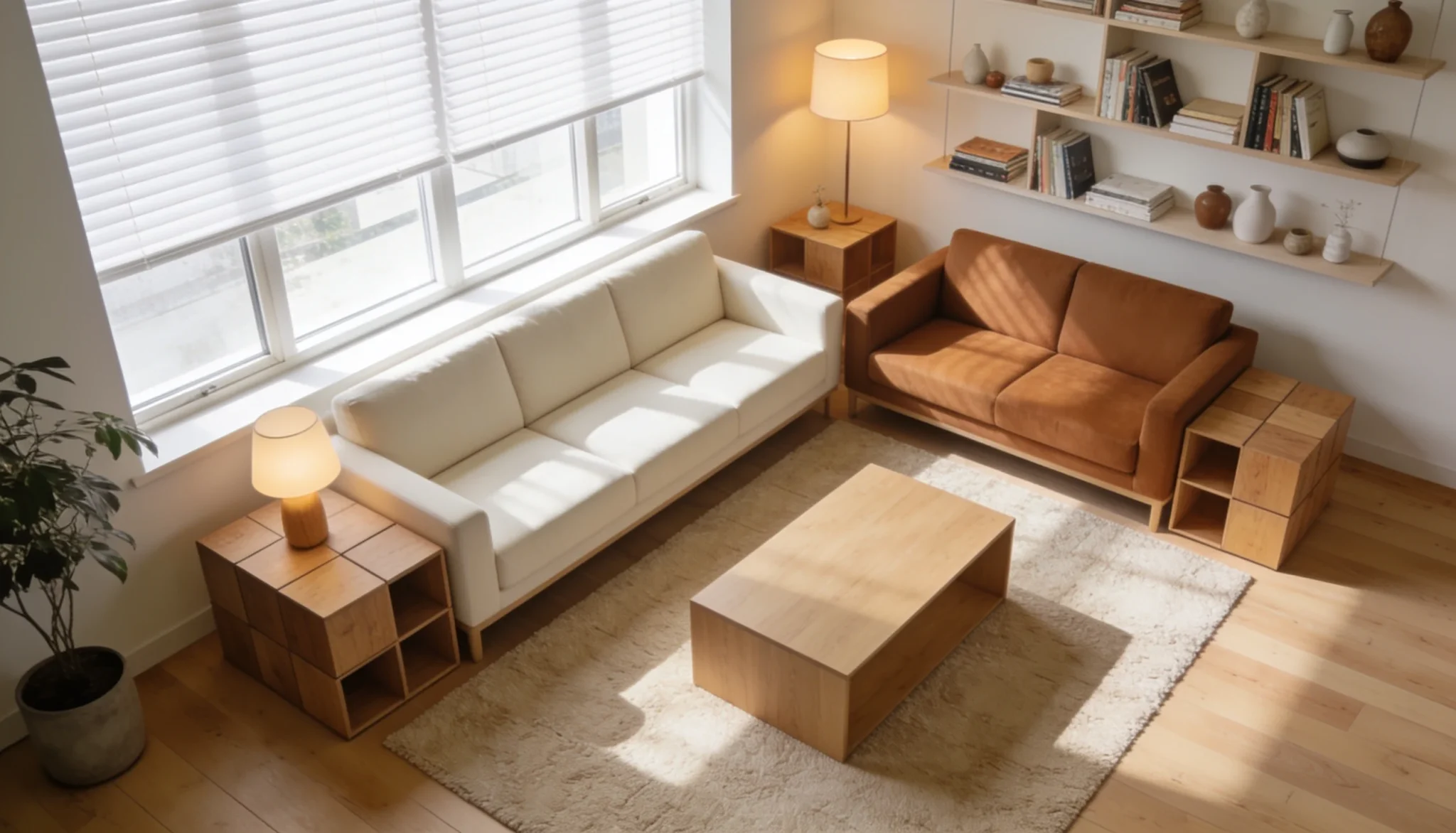
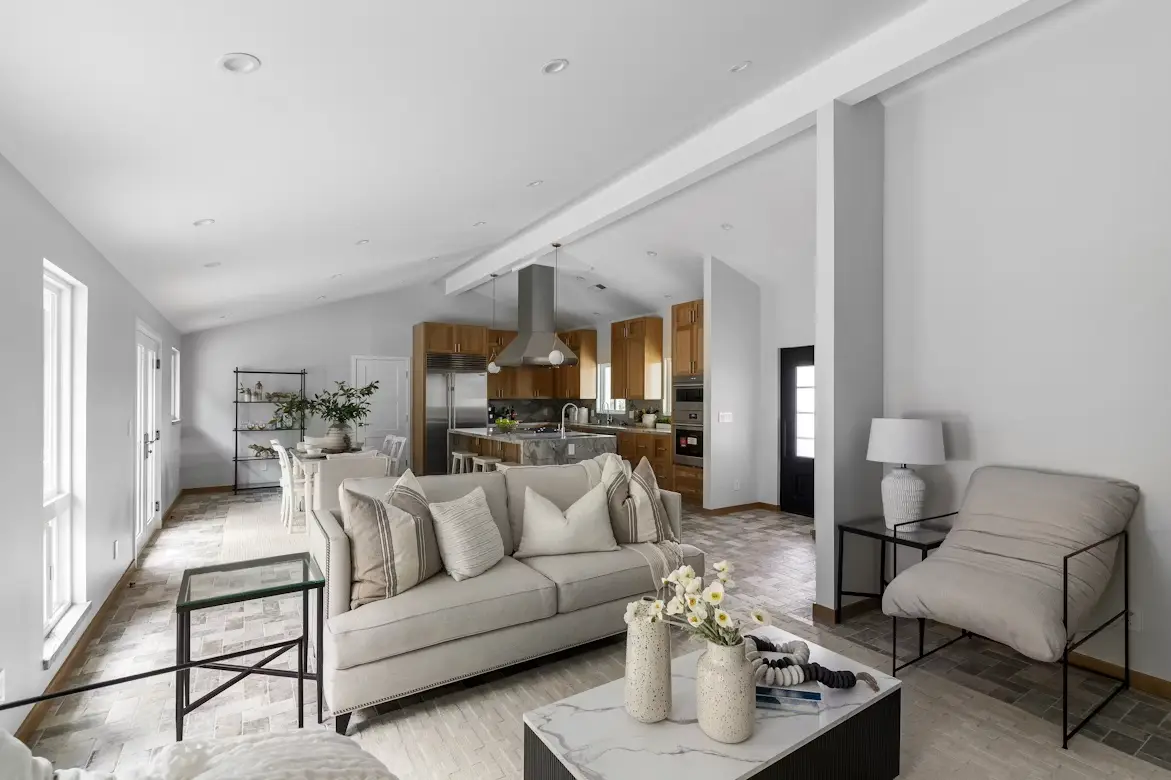
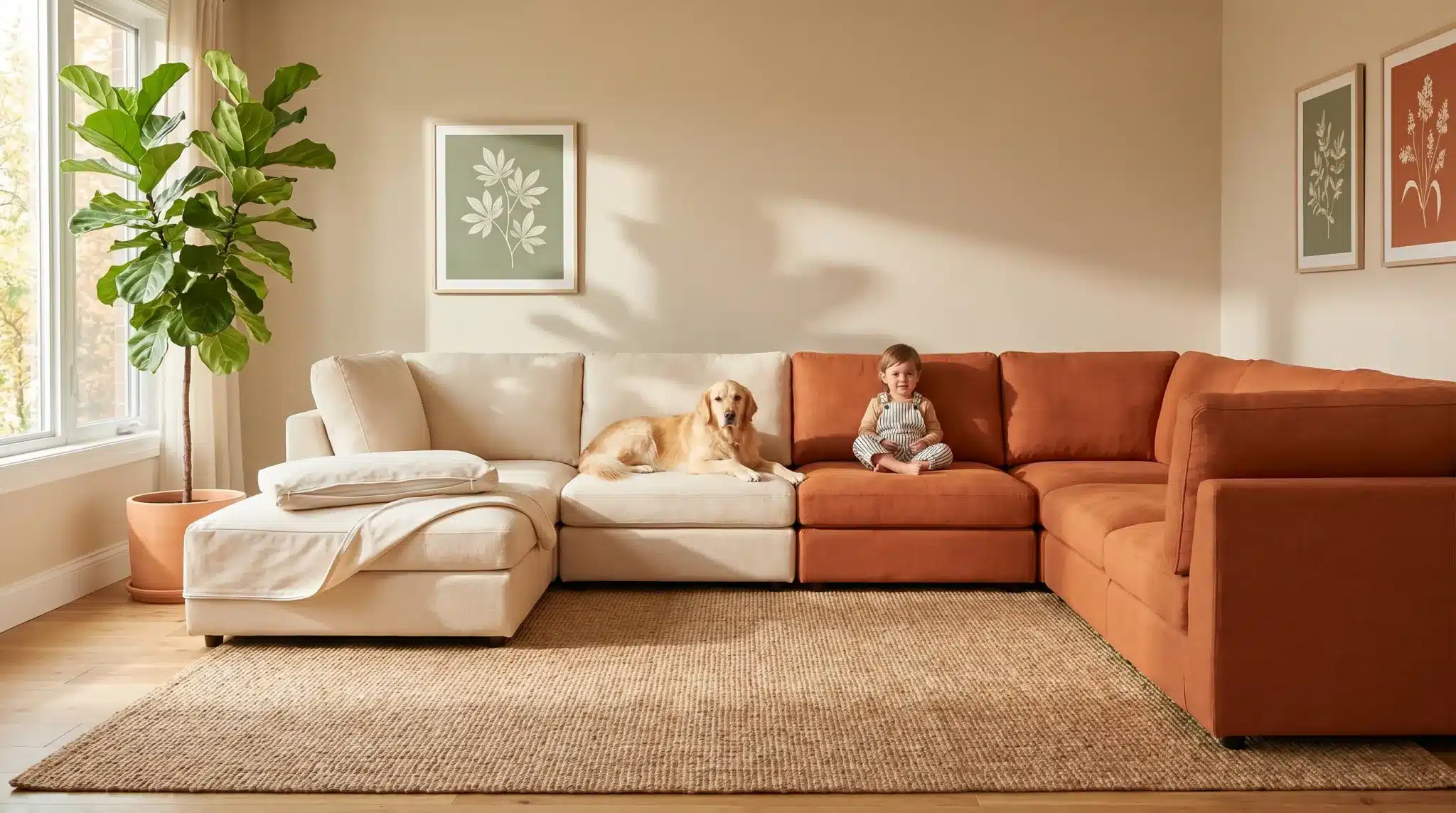
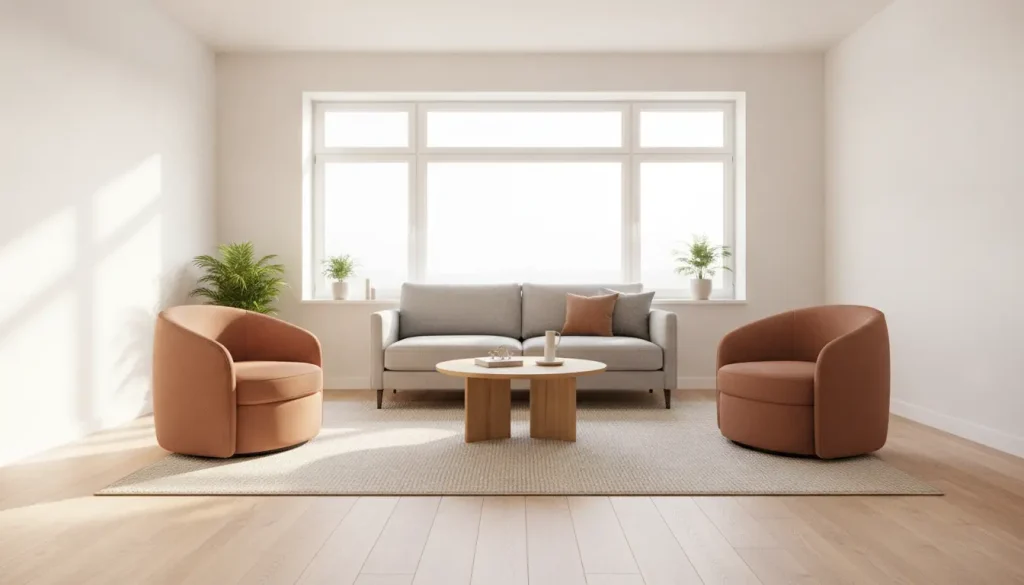
Living Rooms: Anchor the seating area around the room’s natural focal point — a fireplace, a window with a good view, or a TV wall. Position the largest piece (usually the sofa) so it doesn’t block traffic between the main entrance and other rooms. In smaller rentals, a loveseat with two accent chairs often works better than a bulky sectional, offering more flexibility while also making the space feel larger.
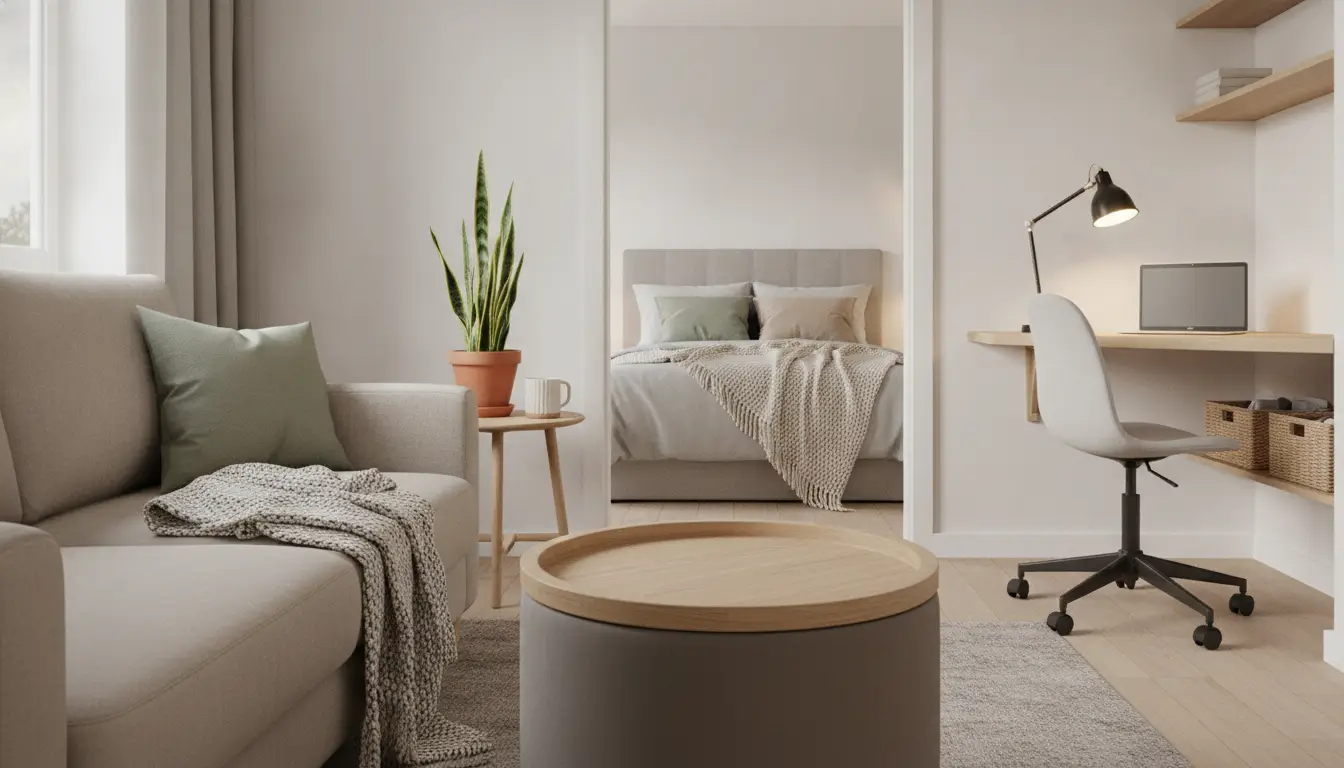
Bedrooms: The bed should be the room’s central focus, but avoid pushing it directly against a window when possible — blocked natural light can make a small bedroom feel darker and more compressed than it is. Leave at least 24 inches of clearance on each side of the bed for easy movement, and consider nightstands with a smaller footprint (18 to 20 inches wide) to maximize space in smaller rentals.
Dining Areas: In open-concept rentals, dining tables are often the first thing sacrificed for square footage. A round table can be a smart alternative to a rectangular one in tighter spaces, since it removes sharp corners and allows for more flexible seating with less required clearance.
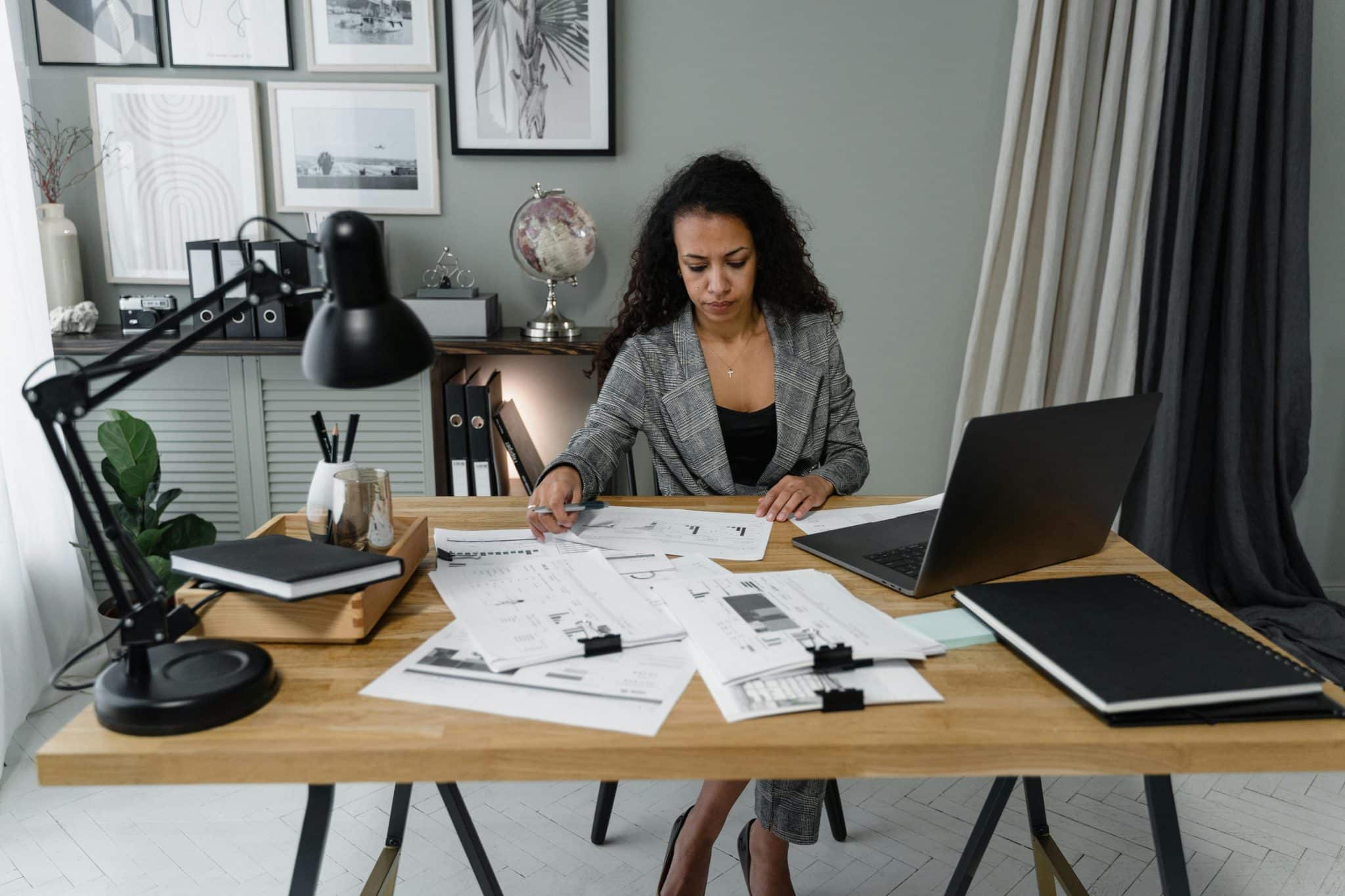
Home Offices: With remote work now a permanent part of daily life for many renters, a functional workspace has become a real factor in rental desirability. Even a compact desk nook near natural light can make a unit stand out among competing listings.
Why This Matters for Property Management
Proper furniture scale and placement aren’t just aesthetic decisions — they directly affect how a rental property performs on the market. Units furnished with appropriately sized pieces tend to photograph better, appear larger in person, and leave a stronger impression during showings. In rapidly growing sub-markets like Sugar Land, owners benefit from partnering with an experienced Sugar Land property management team — one that understands not just leasing and maintenance, but also the presentation details, like furniture scale, staging, and move-in readiness, that influence how quickly a property leases and at what rate.
For do-it-yourself landlords handling their own staging, investing in accurate furniture proportions pays off through fewer days on market and stronger tenant applications. It’s a low-cost way to compete with newer construction and professionally managed communities that already build staging into their leasing process.
A Few Additional Recommendations
- Rent strategically for vacant staging. If a property will sit vacant during marketing, renting a few key pieces — a sofa, dining table, and bed — for photos and showings can be more cost-effective than furnishing an entire unit.
- Choose neutral, durable fabrics. Rentals see more wear than owner-occupied homes, so performance fabrics and darker neutral tones tend to hold up better across multiple tenants.
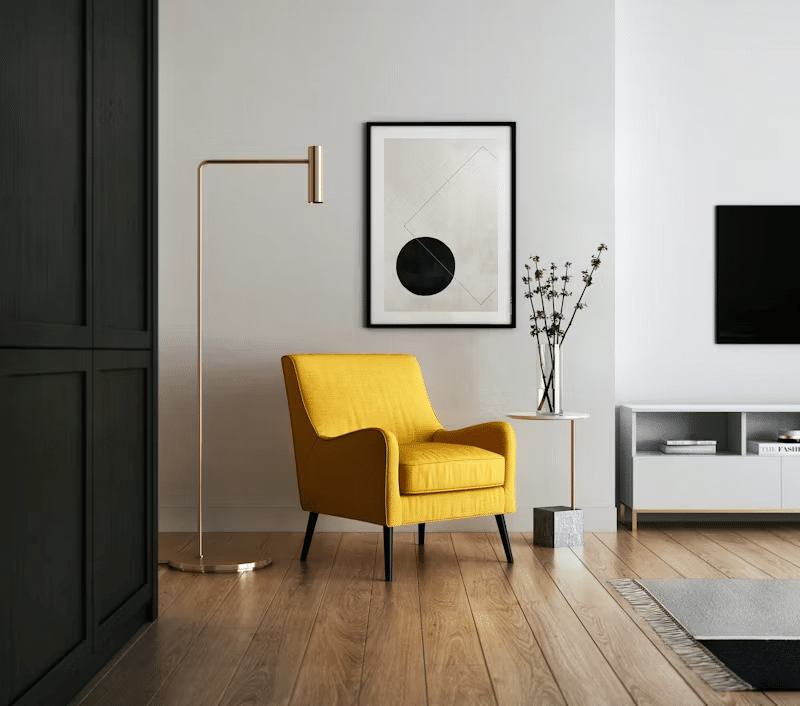
- Reserve negative space. Avoid filling every corner. Empty space in a photograph often reads as more valuable than a fully furnished room.
For more detailed guidance on room-by-room furniture arrangement, The Spruce offers an extensive library of placement recommendations that complement the rental-specific considerations above.
Getting furniture placement right in a rental home is more than an aesthetic exercise — it’s a practical tool that influences desirability, tenant satisfaction, and ultimately how well a property performs as an investment. Intentional decisions about scale and layout can make a meaningful difference, whether you’re staging a single unit or managing a growing portfolio of rental homes.