Living in a compact space means balancing two competing goals: comfort and functionality.
Everyone wants their apartment to feel like home, not a storage locker.
The challenge is finding furniture that fits both rooms and the lifestyle without compromising on style or comfort.
This is where smart furniture choices make all the difference. The right pieces don’t just fill space; they maximize it. They work harder, do more, and look better while taking up less room.
Strategic furniture selection transforms how the apartment functions and feels.
The “Golden Rules” of Small Space Selection
The following are a few principles that will help you design your small apartment.
Rule 1: The “Legs” Principle
When pieces have exposed legs, whether it’s a sofa, bed frame, or dining table, light flows underneath, creating an airy feeling even in tight quarters.
That simple gap between the floor and furniture makes a room feel larger than it actually is.
Rule 2: Scale Over Size
The goal isn’t to find small furniture; it’s to find the right scale.
Look for apartment-sized or city-sized sofas that offer real depth and comfort without consuming the entire space.
Rule 3: Vertical Thinking
When floor space is limited, stop looking straight ahead and look up.
Tall bookcases and floor-to-ceiling storage draw the eye upward, making ceilings feel higher and rooms feel less cramped.
Rule 4: The Double Duty Mandate
Every piece of furniture should earn its place.
Every piece of furniture should do at least two things: storage plus seating, a desk plus display surface. In a small apartment, multifunctional isn’t a luxury. It’s the rule.
What is the Best Furniture for A Small Apartment?
The furniture pieces below are battle-tested solutions that actually work in compact spaces.
Each one is designed to do more than sit pretty; they solve real problems while keeping the apartment feeling open and intentional.
This list covers the living room, bedroom, kitchen, home office, and more.
1. Sleeper Sofas for Living and Sleeping
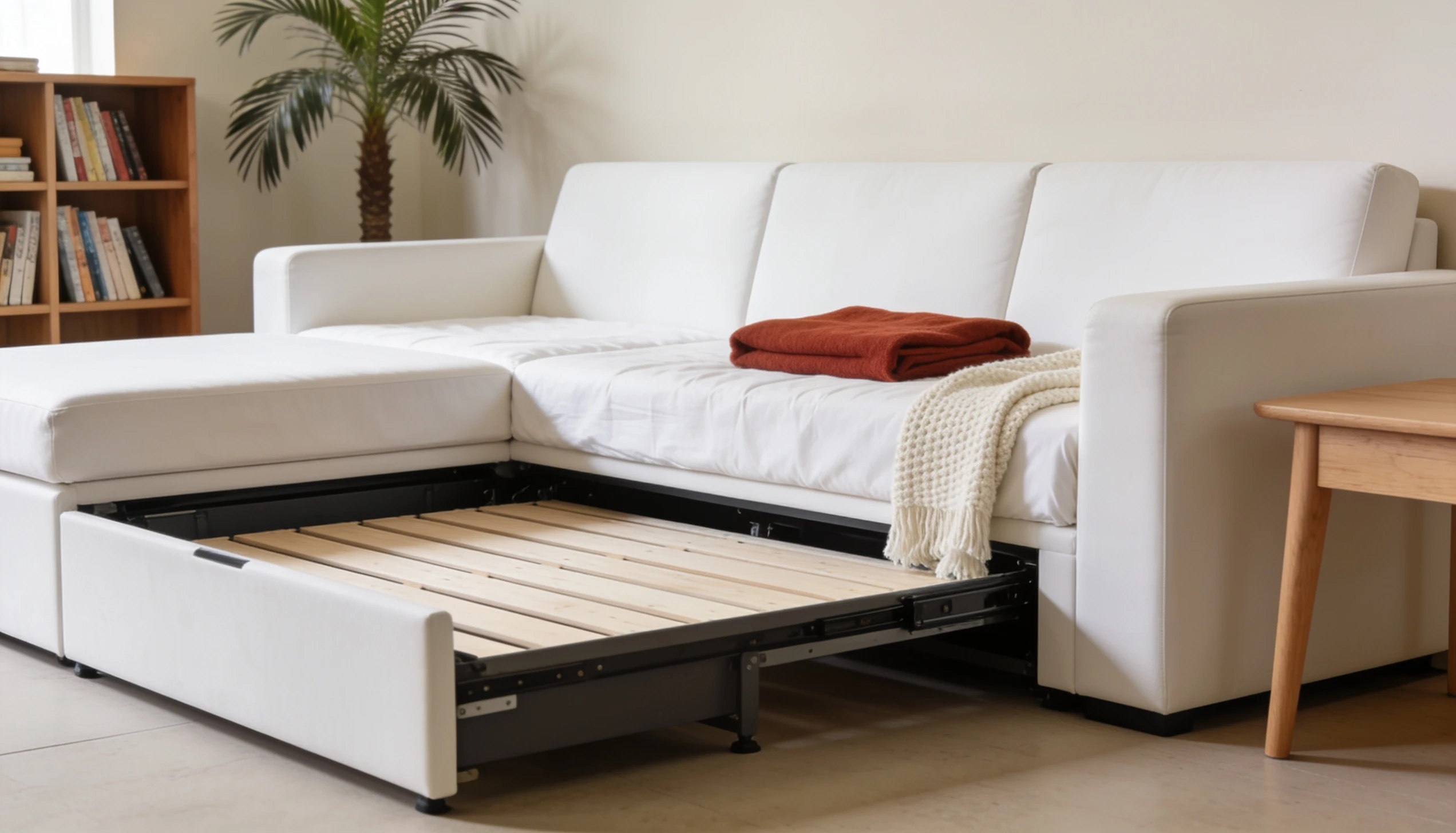
Position the sleeper sofa against a wall with natural light to keep the space from feeling boxed in when the bed is open.
Avoid corners; sleeper sofas need 18-24 inches of clearance in front to fully extend without resistance.
Leave enough room to move around the open bed without navigating obstacles.
2. Storage Ottomans for Hidden Organization
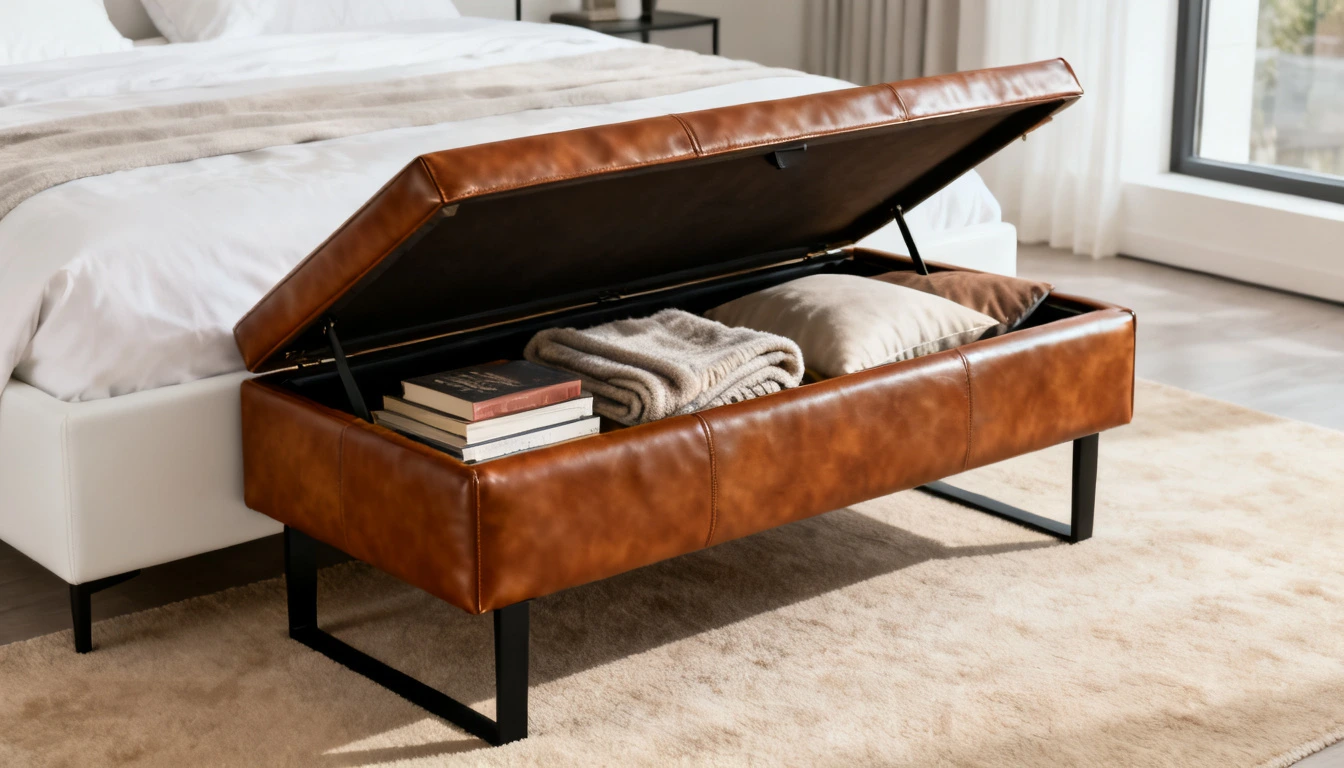
A storage ottoman isn’t just a footrest or extra seat. It’s a hidden storage solution that keeps clutter out of sight while pulling multiple duties.
Use it as a coffee table for drinks and remotes, a seat when friends visit, a footrest while working, or a surface for folding blankets and magazines.
In bedrooms, they hold off-season clothing, extra blankets, and pillows. In living rooms, they corral throw blankets, kids’ toys, or entertainment supplies.
3. Lift-Top Coffee Tables for Extra Functionality
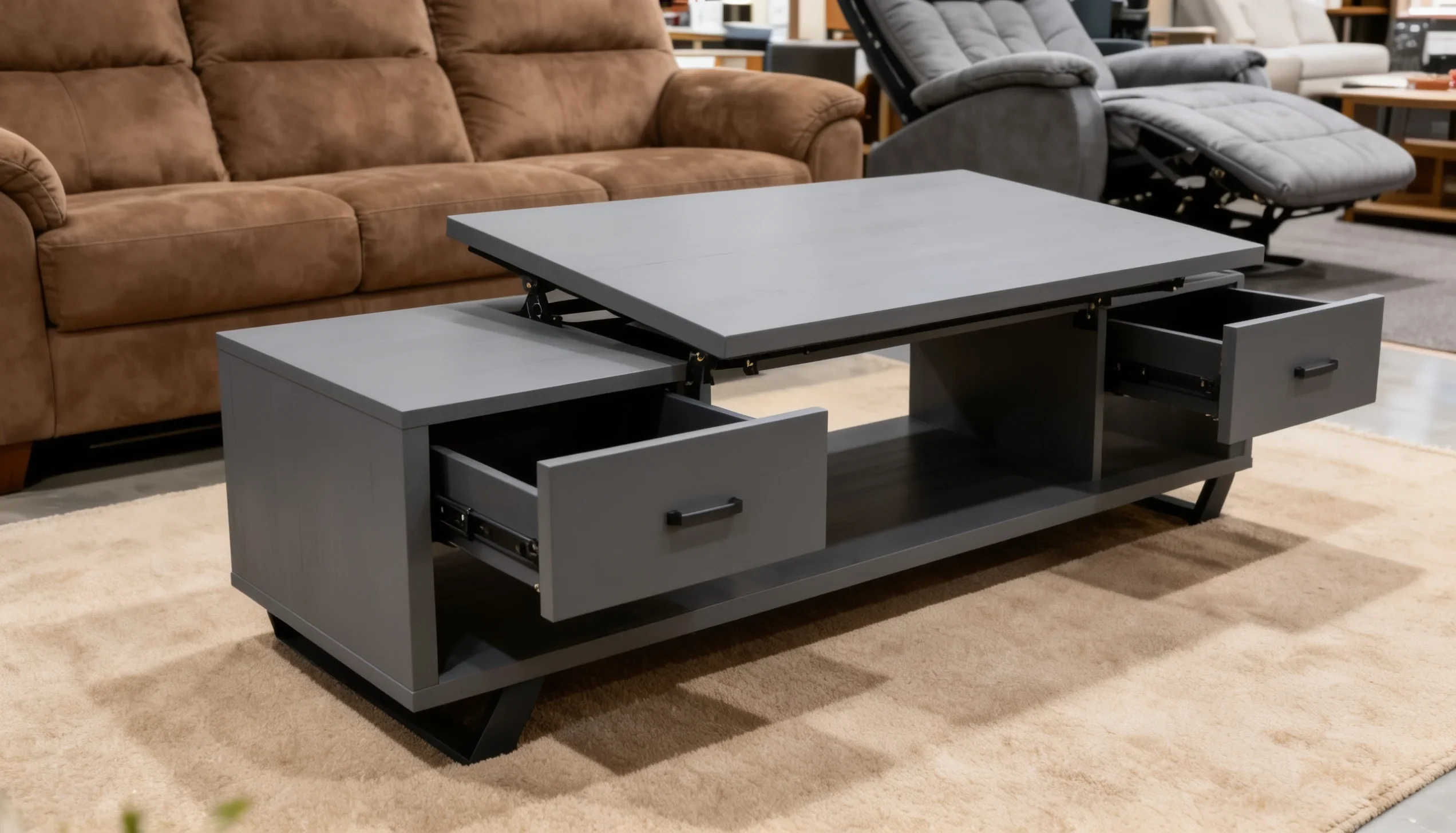
A lift-top coffee table upgrades the living room into a functional workspace without requiring a separate desk.
Lift the tabletop and instantly have a work surface at a comfortable typing height. When done, lower it back down, and it looks like a regular coffee table again.
The hidden storage below keeps work supplies, files, and laptops out of sight when not in use, maintaining the visual calm the small apartment needs.
Lift-top tables have compartments underneath, perfect for storing remote controls, magazines, blankets, board games, and entertainment supplies.
4. Nesting Tables for Flexible Surface Space
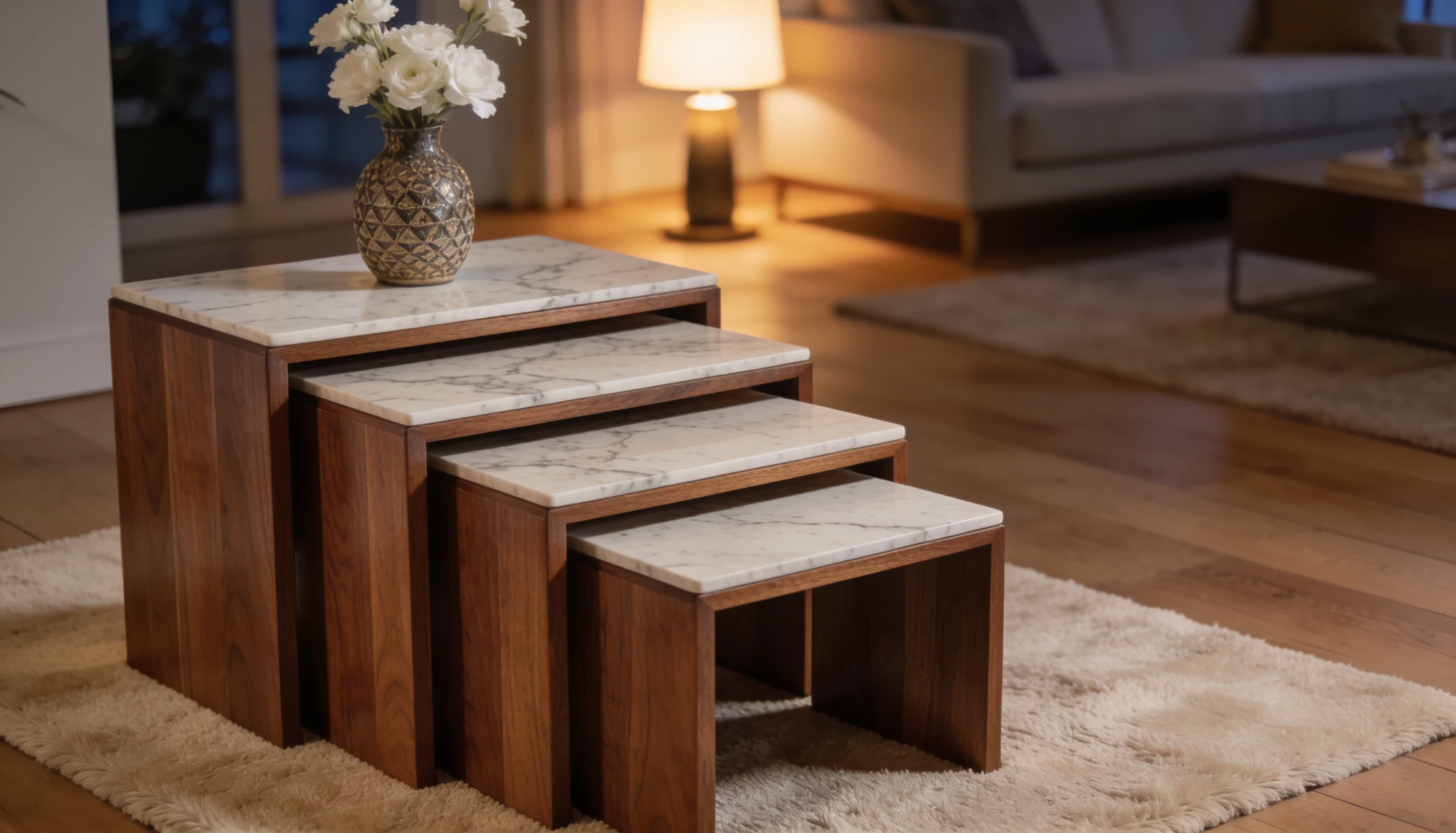
Nesting tables work best when there is flexible surface space, but cannot be committed to permanent furniture.
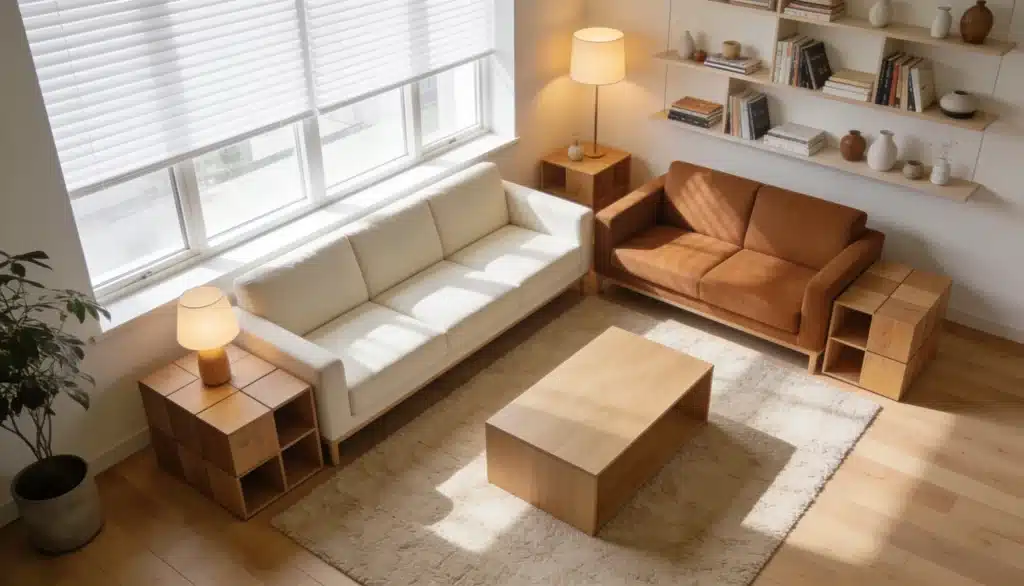
Use them as side tables flanking a sofa, providing spots for lamps, drinks, and books without consuming much floor space.
They’re ideal for renters who move frequently or for anyone who often rearranges their space.
When not in use, nesting tables stack into a single compact footprint. This stacking design allows multiple surface options without the bulk.
5. Wall-Mounted Desks for Compact Work Areas
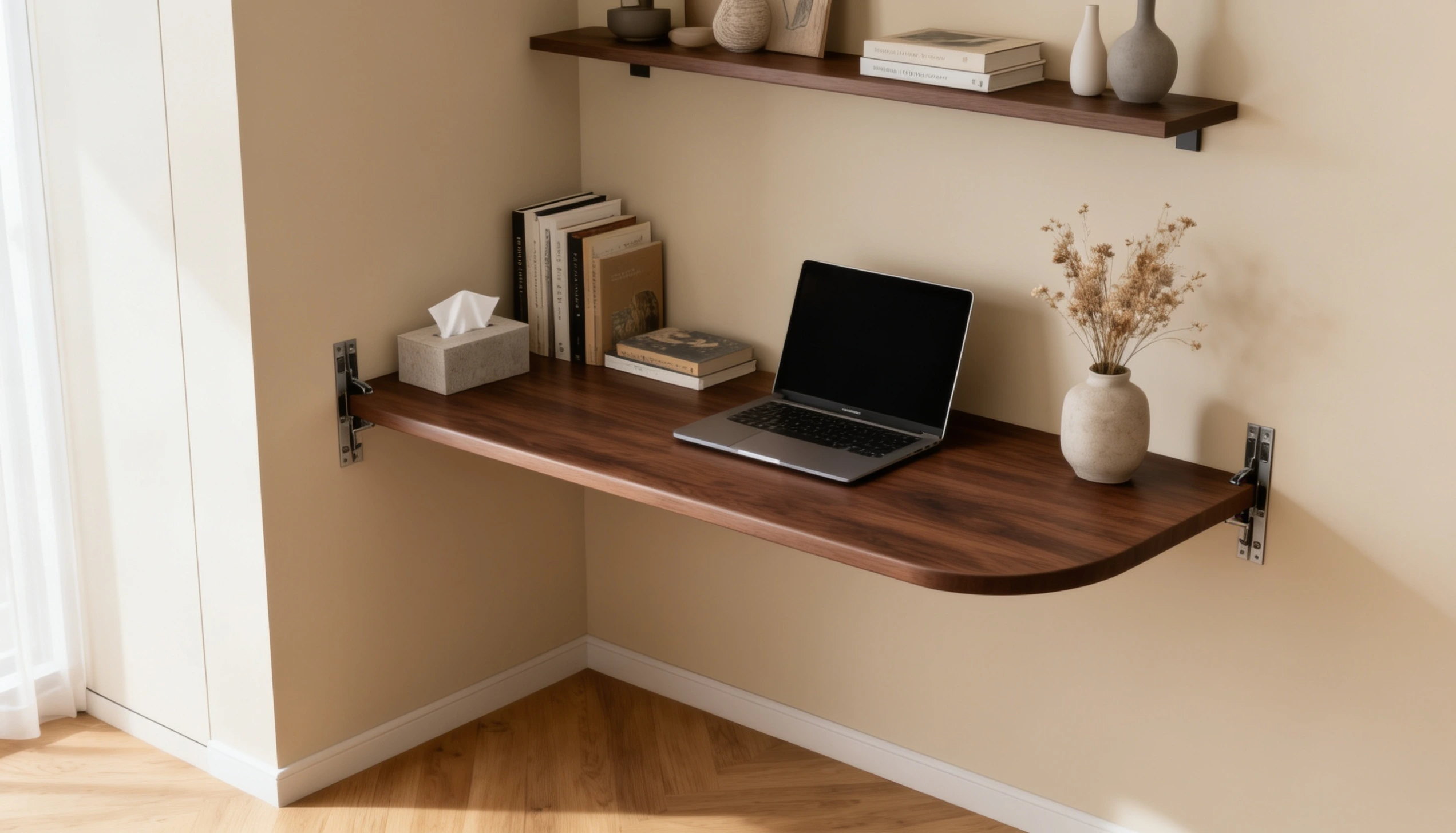
Wall-mounted desks work best on empty wall space in bedrooms, living rooms, or entryways, anywhere there is a few feet of uninterrupted wall space.
Position desks near natural light from windows to reduce eye strain during work hours.
Avoid placing them directly opposite doorways where foot traffic creates a distraction.
Entryways work too if they have wall depth-they keep work supplies contained and separated from the main living area.
Depth varies from 12 to 24 inches. Measure the space carefully before ordering to ensure comfortable elbow room.
6. Murphy Beds for Maximum Space Recovery
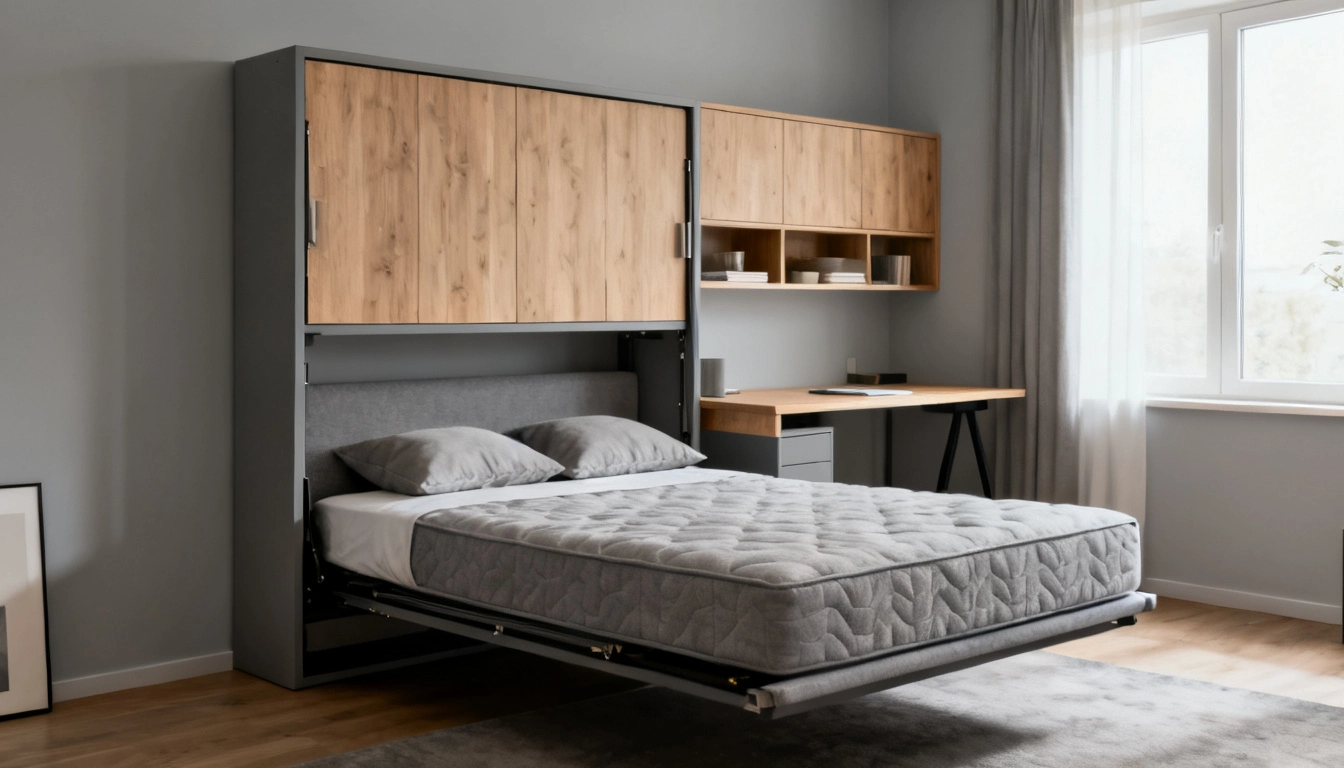
Murphy beds fold up into a wall cavity or cabinet, transforming a bedroom into usable living space when not in use.
This is particularly valuable in studios where the bedroom is also the living room. During the day, have an open, spacious feel.
At night, the bed folds down for sleeping. Some models include sofas or desks that flip down from the wall alongside the bed, expanding the available space.
Studios gain the most from Murphy beds, instantly creating separate sleeping and living zones from one room.
7. Expandable Dining Tables for Small Dining Areas
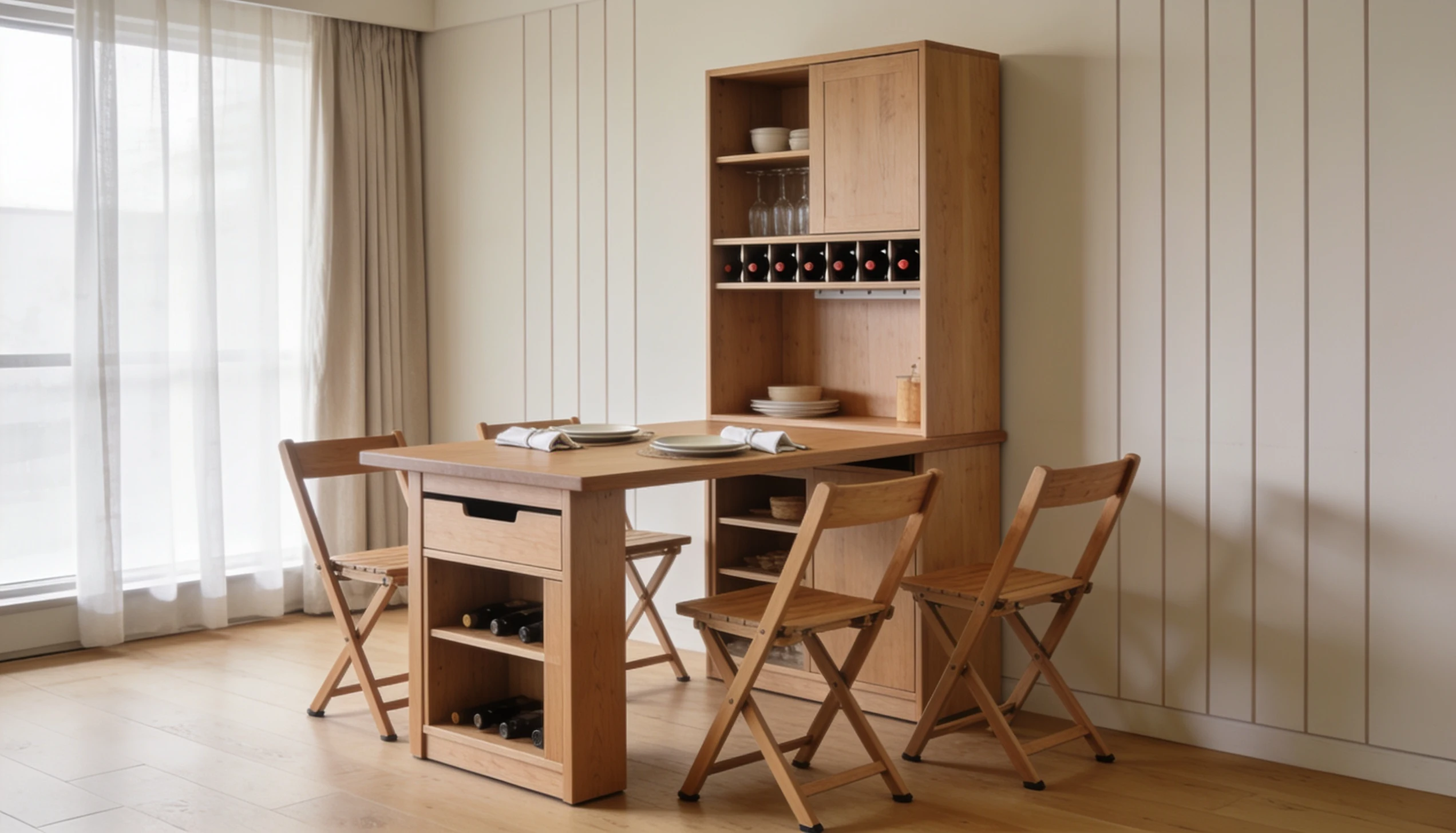
Drop-leaf tables have hinged sides that fold down when not in use, reducing the footprint to just a narrow console or bar-height surface.
When dining space is needed to host guests, simply lift the leaves and secure them to double the table’s usable area.
They’re lightweight and often come on wheels, making them easy to move and reposition.
The downside is limited seating capacity; most accommodate 2-4 people comfortably when leaves are up.
8. Open Shelving Units for Vertical Storage
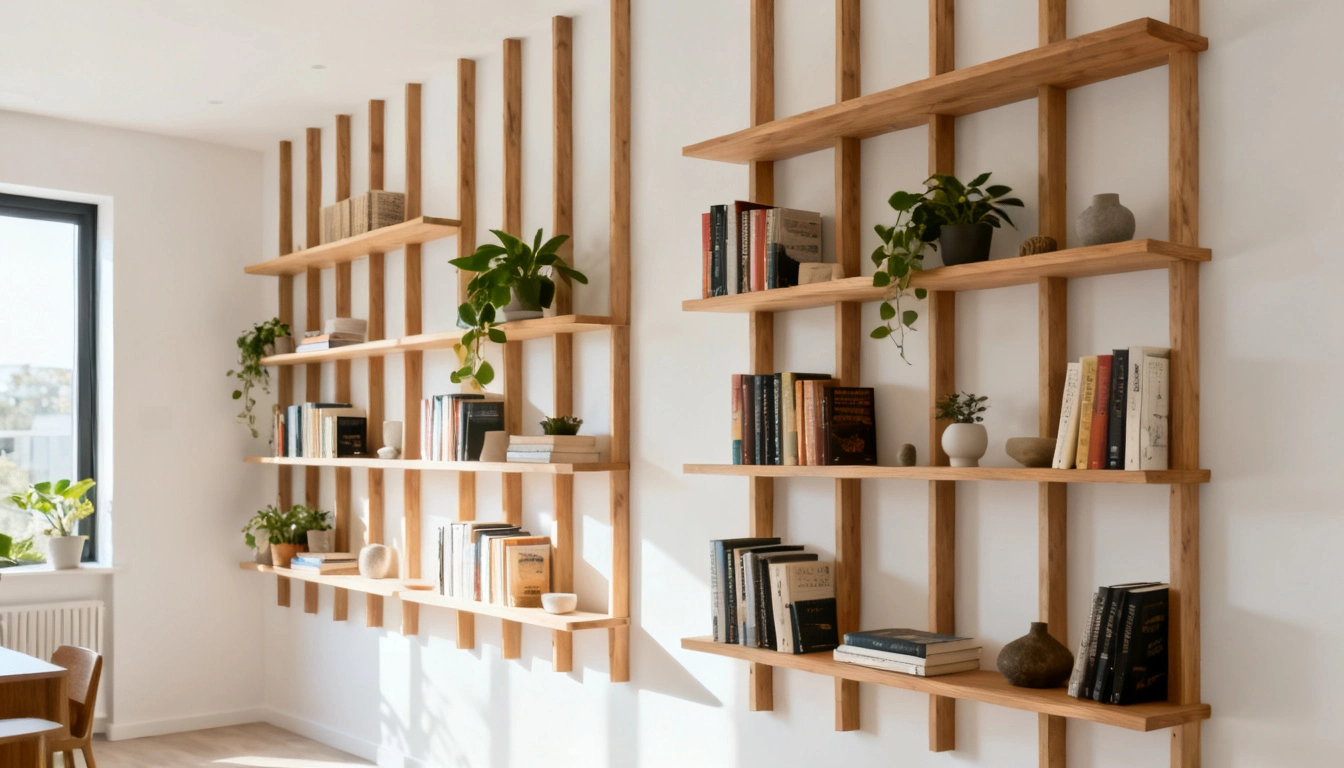
Open shelving draws the eye upward, making ceilings feel higher and rooms feel less cramped.
The key is styling shelves intentionally so they look organized rather than cluttered. Mix functional items with decorative pieces to create visual interest.
Use matching baskets or bins to corral smaller items and hide clutter while maintaining a cohesive look.
In living rooms, open shelving behind sofas or along accent walls provides storage without blocking sightlines. Bedrooms benefit from floor-to-ceiling units that hold books, decor, and off-season items.
Kitchens use open shelving for everyday dishes and glasses.
Renter’s Guide: Damage-Free Decor
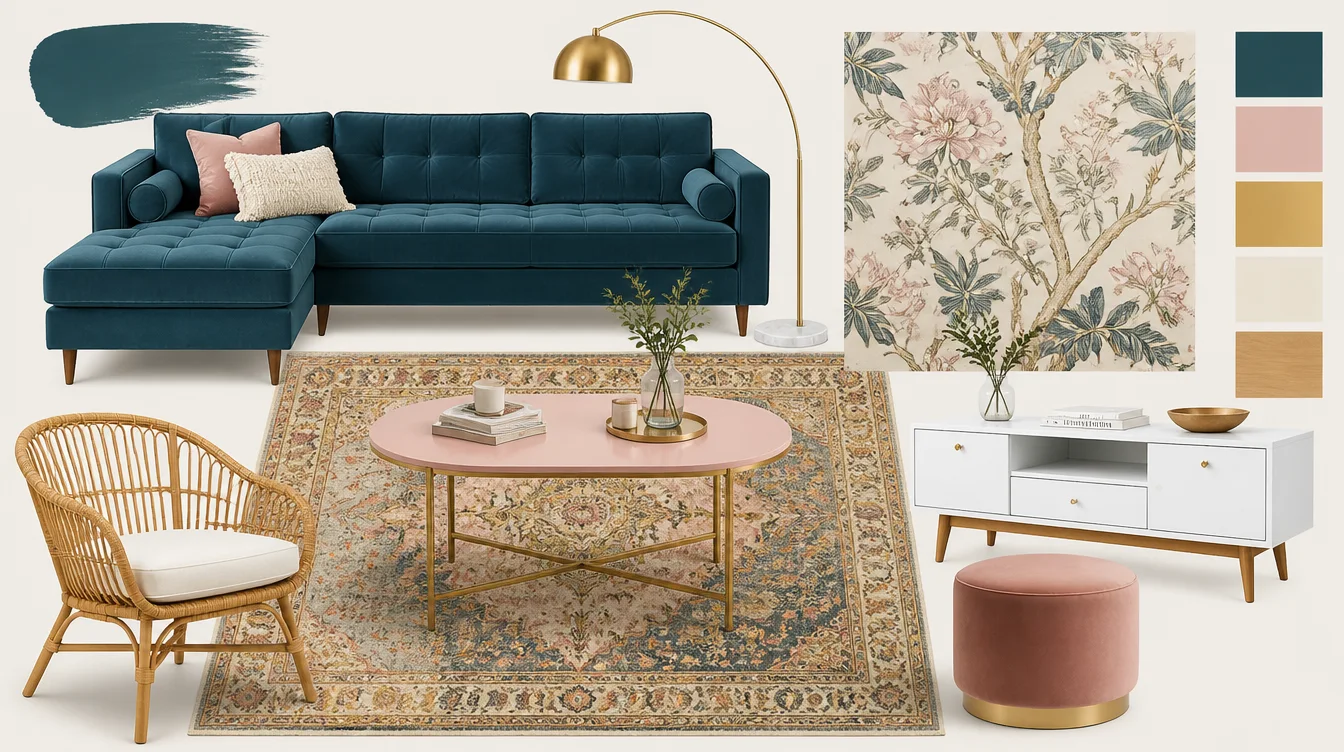
Making a temporary space feel like home shouldn’t mean having to sacrifice the security deposit.
It can easily upgrade the apartment’s style without picking up a drill, painting the walls, or making permanent structural changes.
Why Renter-Friendly Furniture is Important
Renting means no drilling into walls, painting permanent colors, or making structural changes.
The furniture has to work in the current space while remaining portable for the next move.
Renter-friendly pieces protect the security deposit by preventing damage and also provide the flexibility to adapt layouts without landlord approval.
Smart choices now mean not replacing furniture with every move or incurring repair costs.
Best Renter-Approved Pieces
No-drill wall-mounted solutions use adhesive strips, tension rods, and hook systems that can be removed cleanly without damaging walls.
Temporary storage options include freestanding shelving units, rolling carts, and stackable organizers that require zero installation.
Modular and portable furniture, such as sectional sofas with separate pieces, stacking chairs, and nesting tables, adapts to different spaces and fits easily through doorways.
Damage-free hanging systems use lightweight rails and clips instead of nails for organizing items on walls.
Furniture that can be Taken Along
Choose lightweight and portable options that can be moved solo or with minimal help.
Disassemblable pieces like platform beds without permanent assembly break down for transport.
Prioritize freestanding furniture over built-in alternatives, standalone wardrobes beat closet systems, and console desks beat wall-mounted ones.
Furniture on wheels moves effortlessly between apartments.
Conclusion
Maximizing a compact living space does not require sacrificing comfort, style, or a security deposit.
By prioritizing multifunctional furniture, vertical storage solutions, and damage-free decor, tenants can easily change any temporary apartment into a highly functional, personalized home.
The key lies in selecting adaptable, high-quality pieces that offer layout flexibility today while remaining practical enough to move to the next destination tomorrow.
With a strategic approach to furniture selection, small spaces can feel remarkably open, organized, and entirely intentional.
Frequently Asked Questions (FAQs)
1. Is a Dining Table Necessary in A Small Apartment?
If space is tight, a compact nesting table, a bar-height counter, or a fold-down wall table can accommodate meals without occupying permanent floor space.
2. What Furniture Colors Make a Room Appear Larger?
Light colors like white, cream, soft gray, and pale neutrals reflect light and create a sense of airiness, while darker furniture tends to absorb light and feel heavier.
3. Is Renter-Friendly Furniture Less Durable?
Quality renter-friendly pieces are just as durable as traditional furniture; they’re simply designed for flexibility and movement.