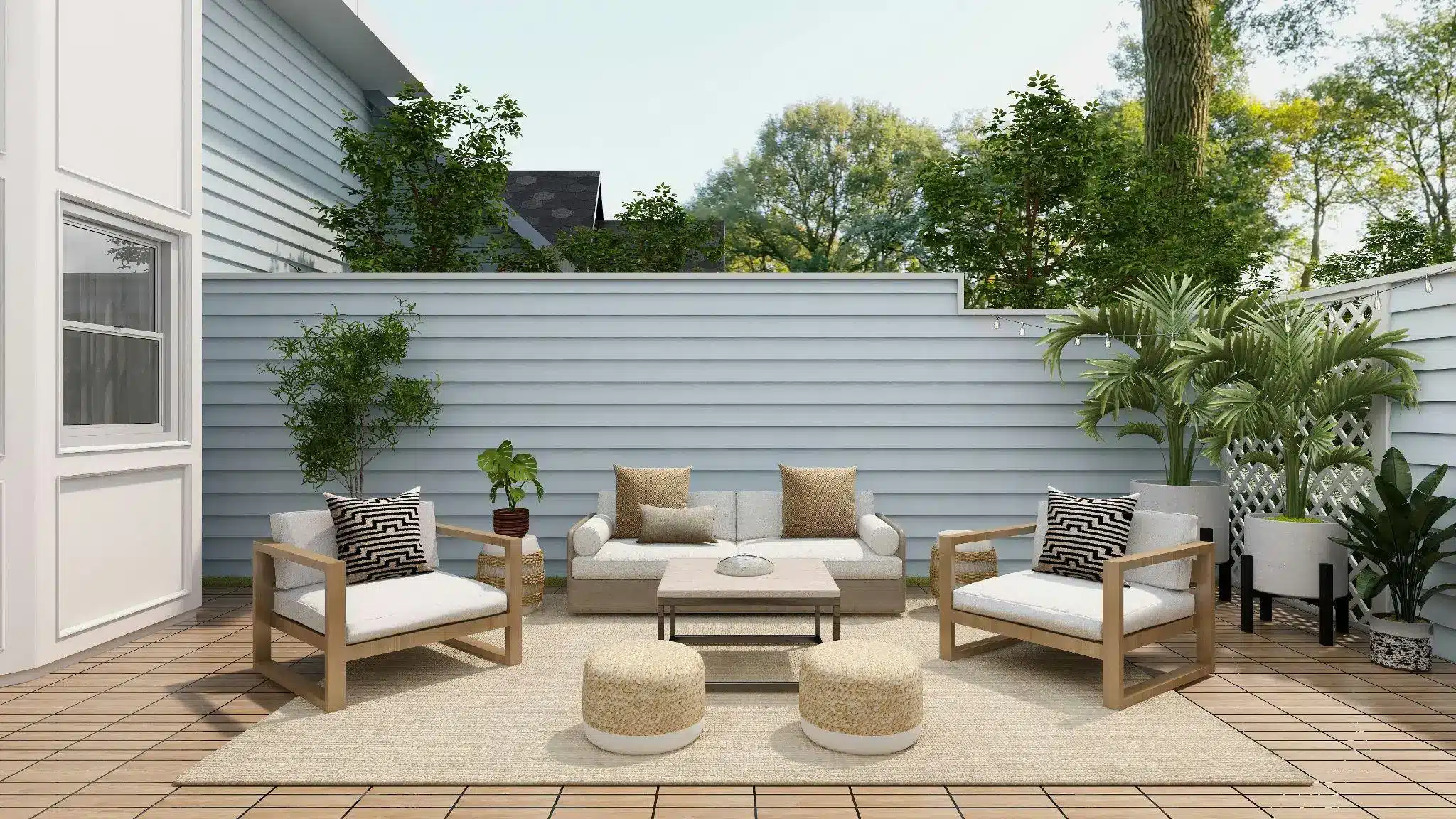

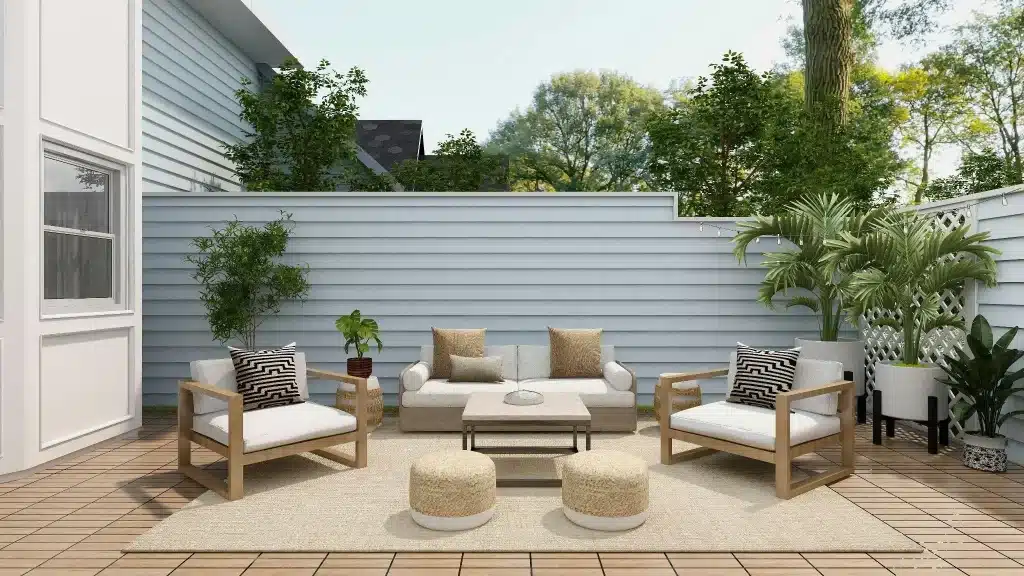
Outdoor living spaces have become one of the most valued parts of a home, and investing in the right furniture is the first step toward making yours genuinely functional and enjoyable.
Whether you are working with a compact balcony, a tiled alfresco, or a sprawling backyard, the choices you make when selecting and caring for outdoor furniture will determine how well that space holds up over months and years of real use.
Why Outdoor Furniture Is Worth Getting Right
Unlike indoor furniture, pieces designed for outdoor use are exposed to a constant cycle of sun, rain, humidity, wind, and temperature changes that accelerate wear and deterioration if the wrong materials or care habits are chosen.
Getting outdoor furniture right from the beginning is not just about aesthetics; it is about ensuring that your investment does not need to be replaced every few seasons.
The market for outdoor furniture has evolved considerably, and buyers today have access to a wider range of materials, styles, and price points than ever before.
Understanding the differences between those options is the key to making a purchase that suits your lifestyle, your climate, and your long-term budget.
Understanding Your Outdoor Environment Before You Buy
The climate you live in should be the single most important factor guiding your furniture selection, yet it is often the one buyers overlook in favour of style alone.
Regions with high humidity, frequent rain, intense sun, or salt air from coastal proximity each place distinct demands on furniture materials and finishes.
In warmer Australian climates, for example, UV exposure is one of the most aggressive forces working against outdoor furniture longevity.
Fabrics bleach and weaken, plastics crack and warp, and timber finishes fade and peel when left unprotected under strong sun across consecutive summers.
Choosing the Right Materials for Outdoor Furniture
Aluminium is one of the most practical and popular choices for outdoor furniture frames because it resists rust, handles heat without warping, and remains lightweight enough to rearrange easily. Powder-coated aluminium adds a layer of durability and comes in a wide range of finishes that hold their appearance well over time.
Teak is the premium choice for outdoor timber furniture, valued for its natural oils that resist moisture and insects without requiring constant treatment.
While teak carries a higher price point, its longevity in outdoor environments makes it a cost-effective choice when compared with cheaper timbers that degrade quickly or require intensive seasonal maintenance.
Synthetic rattan and wicker have become increasingly popular alternatives to natural materials, offering a similar aesthetic without the vulnerability to moisture and sun damage that natural fibres carry.
Quality synthetic rattan is UV-stabilised and resistant to fading, making it a practical choice for spaces that receive consistent direct sun.
Outdoor Cushions and Fabric Selection
The frames of outdoor furniture often outlast the cushions, which means fabric choice is just as important as the structural material beneath it.
Solution-dyed acrylic fabrics are the industry standard for outdoor cushions because the colour is embedded throughout the fibre rather than applied as a surface coating, which makes them significantly more resistant to fading.
Quick-dry foam inserts are another feature worth prioritising, as cushions that retain moisture after rain become breeding grounds for mildew and begin to break down structurally over a relatively short time.
Removable, washable cushion covers add another layer of practicality, making it easier to keep your outdoor seating looking clean and fresh throughout the season.
Sizing and Layout for Outdoor Spaces
One of the most common mistakes buyers make is choosing furniture that is proportionally wrong for their space, either overcrowding a smaller area with oversized pieces or leaving a larger space feeling sparse and underutilised.
Before purchasing anything, it pays to measure your outdoor area carefully, mark out the footprint of key pieces on the ground, and live with that layout mentally before committing.
Allow enough clearance around dining tables for chairs to be pulled out fully and for people to move comfortably between pieces.
A general rule is to leave at least 90 centimetres of walkway around any dining or lounge setting to ensure the space feels open rather than cluttered.
Shopping for Outdoor Furniture in Southeast Queensland
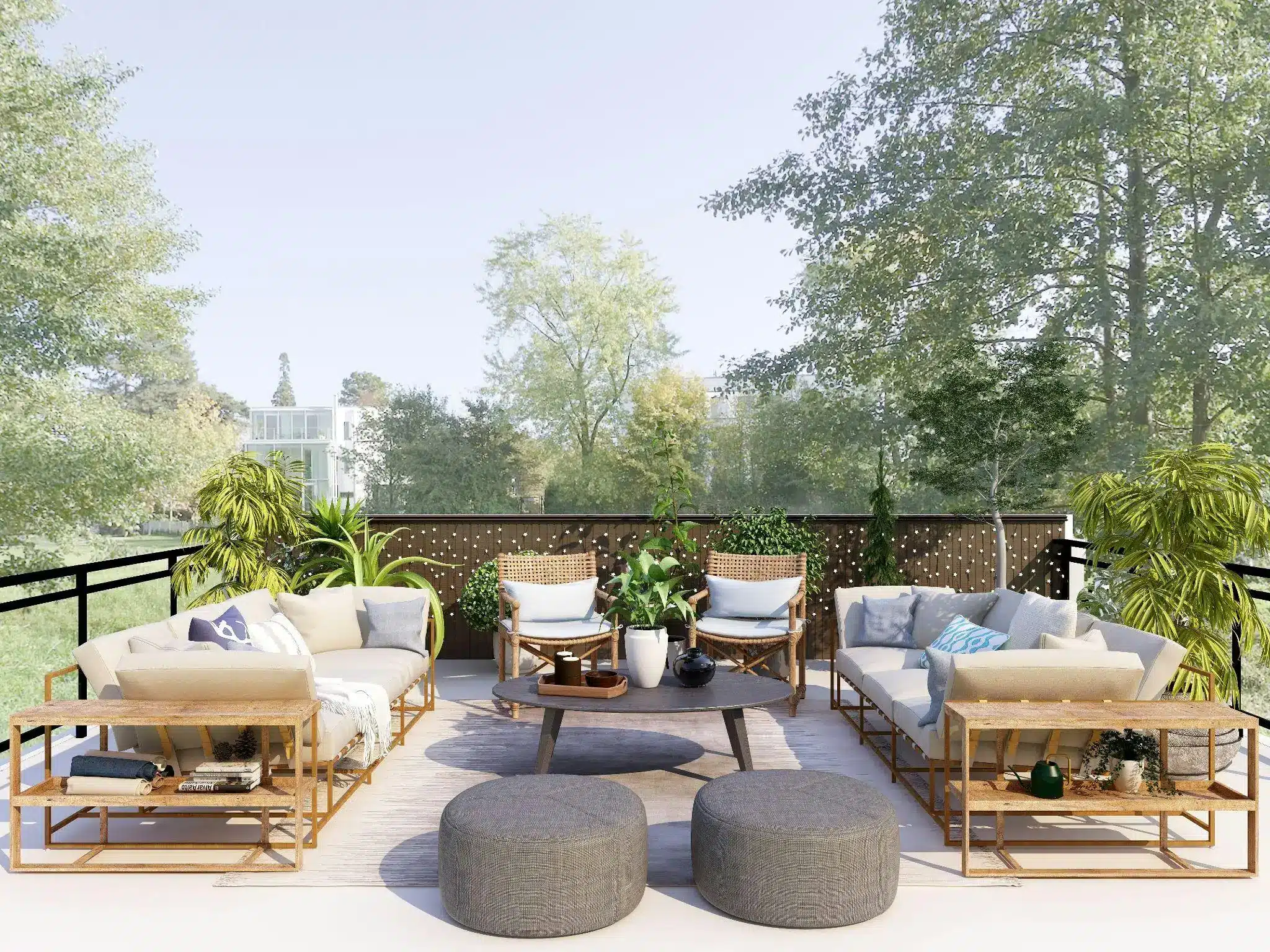
Southeast Queensland homeowners are particularly well-positioned to invest in outdoor living because the region’s climate lends itself to year-round use of alfresco and garden spaces. Those looking to browse furniture stores in Brisbane will find ranges spanning outdoor dining settings, modular lounges, sun loungers, and accessories suited to the region’s warm and sunny lifestyle.
Visiting a physical showroom before purchasing is always advisable for outdoor furniture, as the scale, cushion density, and frame weight of pieces are difficult to judge accurately from photographs alone.
Being able to sit in a lounge setting or assess the weight of a dining chair in person helps avoid the disappointment that often comes with online-only purchases.
The One Step Most Outdoor Furniture Owners Skip
Buying quality outdoor furniture is only half of the equation. The other half is protecting it effectively during the periods when it is not in use, and this is the step that separates owners who get a decade of use from a set from those who find themselves replacing pieces every three or four years.
Sun and rain are the two forces that do the most cumulative damage to outdoor furniture, and their impact is most severe during the extremes of summer heat and wet season rainfall, when furniture often goes unused for days or weeks at a time.
A simple and effective protection strategy can dramatically extend the lifespan of almost any outdoor furniture material.
Why Patio Covers Are a Smart Long-Term Investment
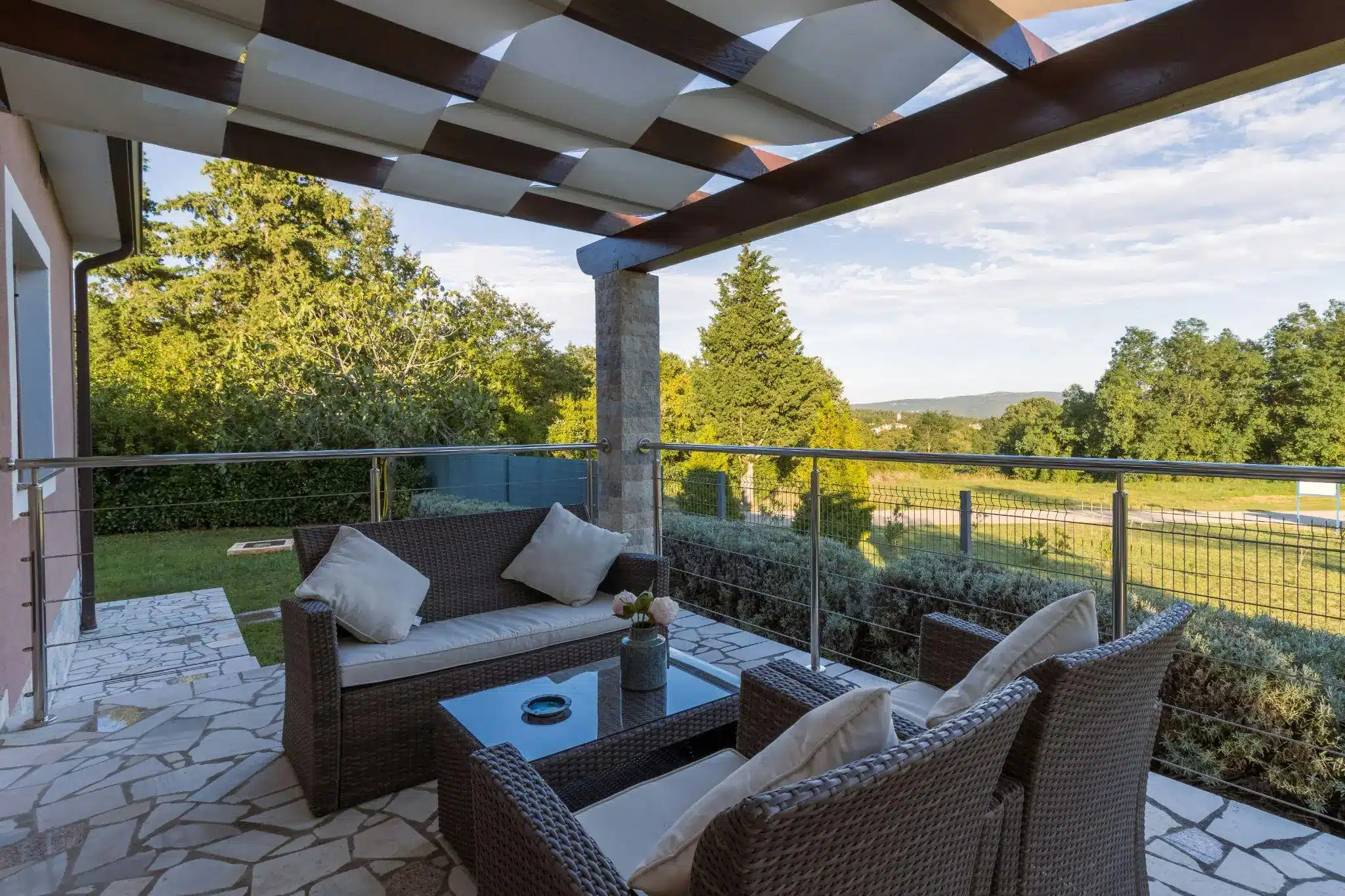
Investing in quality patio furniture covers is one of the most cost-effective decisions an outdoor furniture owner can make, as a well-chosen cover prevents the kind of gradual UV and moisture damage that results in expensive repairs or premature replacement.
The right cover shields fabric cushions from rain saturation and mildew, protects powder-coated frames from oxidation, and keeps timber surfaces from drying and cracking under prolonged direct sun.
The key distinction to look for when selecting covers is breathability alongside water resistance, because a fully sealed cover that traps moisture beneath it can actually accelerate mildew growth rather than prevent it.
Modern covers made from high-performance fabrics that are both waterproof on the exterior and breathable throughout strike this balance effectively and are a significant step up from the cheap plastic covers that degrade within a single season.
What to Look for in a Quality Outdoor Furniture Cover
UV resistance is the feature that most buyers overlook when comparing covers, defaulting to water resistance as the primary criterion without considering how much sun damage occurs even on dry days.
A cover that blocks UV rays protects both itself and the furniture beneath it from the fading, cracking, and material breakdown that direct sun exposure causes.
Fit matters almost as much as material, because a cover that is too large will pool water and create wind-driven abrasion against the furniture beneath, while one that is too small will leave sections exposed and fail at exactly the points that need the most protection.
Covers with integrated tie-downs, welded grommets, or drawstring hems provide a secure fit that resists being shifted by wind and ensures consistent coverage across all weather conditions.
Building a Year-Round Maintenance Routine
Covering furniture when not in use is the single most impactful maintenance habit, but it works best as part of a slightly broader care routine that catches problems before they become costly.
A quick seasonal inspection of frames for rust spots, cushion zippers, and any signs of mildew allows small issues to be treated before they spread and cause structural or material damage.
For timber furniture, a light application of appropriate oil or sealant at the start of each season replenishes the natural moisture balance of the wood and prevents the drying and cracking that leads to splintering and finish failure.
For aluminium and synthetic pieces, a wash down with mild soapy water a few times per year is typically all that is needed to keep surfaces clean and free of the salt, pollen, and grime that accumulate over time.
Putting It All Together
Outdoor furniture represents a meaningful investment in your home, and the decisions you make at the point of purchase and in the years that follow determine whether that investment holds its value.
Choosing the right materials for your climate, selecting a layout suited to your space, sourcing from retailers who carry quality ranges, and protecting furniture with the right covers when it is not in active use are four habits that collectively produce outdoor spaces that look good and function well for many years.
The best outdoor living spaces are not necessarily the ones with the most expensive furniture; they are the ones where thought has been given to every layer of the setup, from the initial purchase through to the ongoing protection that keeps everything looking its best season after season.