Selecting house numbers affects the home’s initial impact, visitor accessibility, and security. House numbers have become a design element requiring balance between beauty and practicality.
Readability first and foremost
The main function of a house number is to help people find the address. It sounds trivial, but many people forget this when they get carried away with beautiful designs.
The size of the numbers plays a critical role. Numbers that are too small cause headaches for couriers and guests, and emergency services lose precious time. Most building codes require house numbers to be at least 4 inches in height, with larger sizes needed for homes set back from the street.
The contrast between the numbers and the background should be clear. Black on white, white on dark, metal on a contrasting background — these combinations work in any weather.
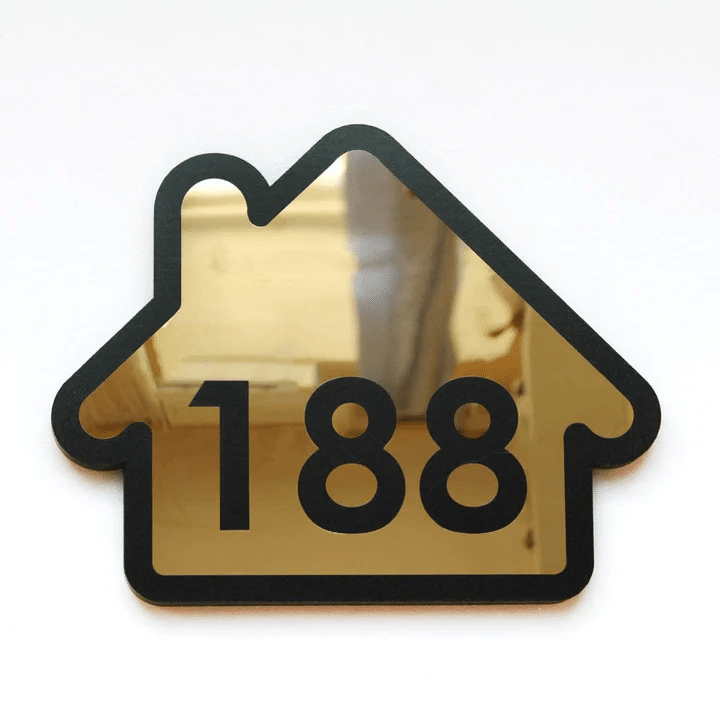
Popular styles
The modern market offers diverse style solutions for house numbers, each suited to different architectural approaches and personal preferences.
Minimalism and Scandinavian influence
Clean, geometric numbers in black or white with bold sans-serif digits. Nordic aesthetics emphasize bold visual separation — flat black numerals against pale timber or bright characters on shadowed backgrounds.
Vintage and retro charm
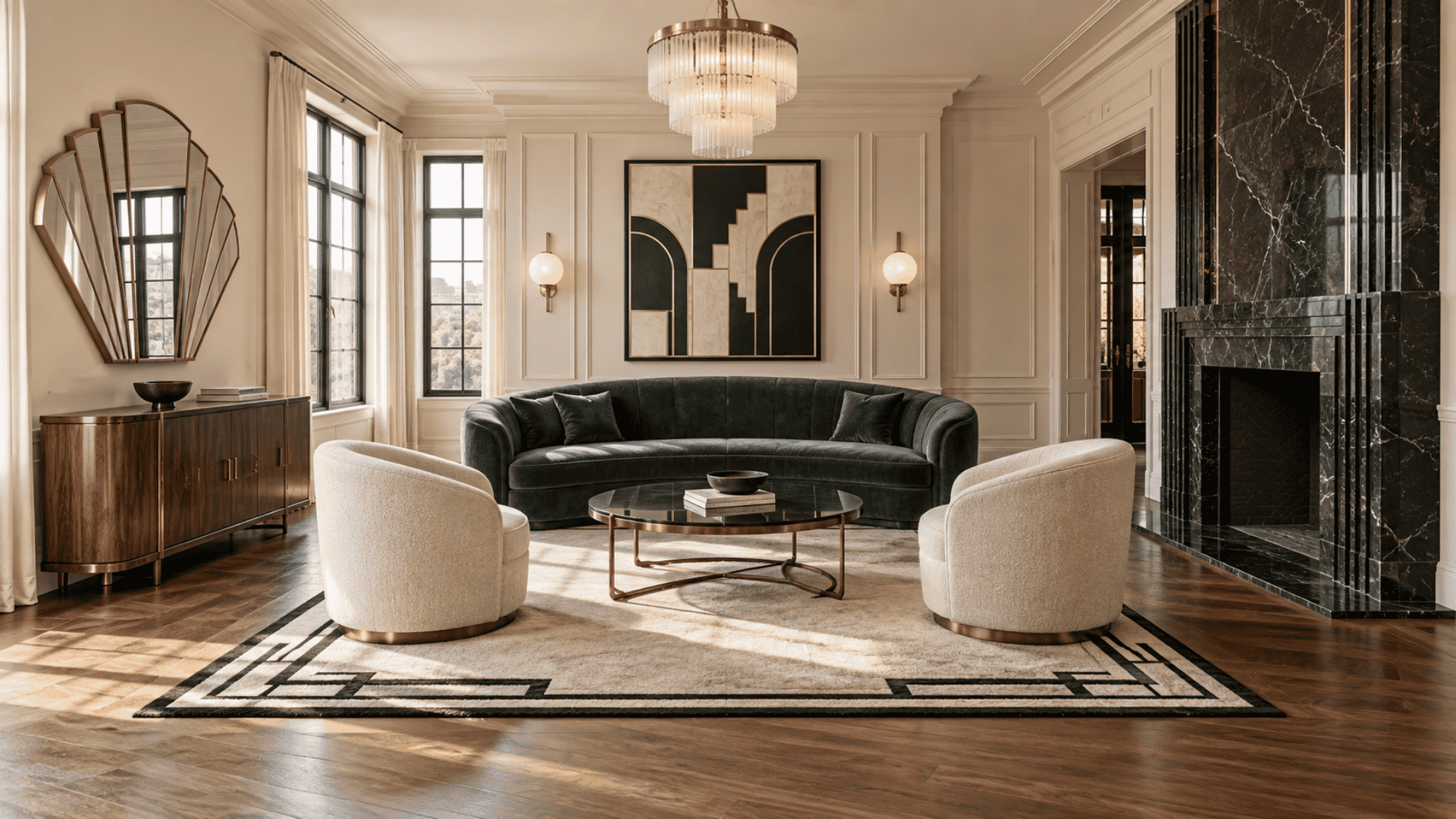
Classic address plaques with white digits on rich blue surfaces. Art Deco designs bring 1920s glamour with stepped fonts and sophisticated finishes.
Industrial and rustic styles
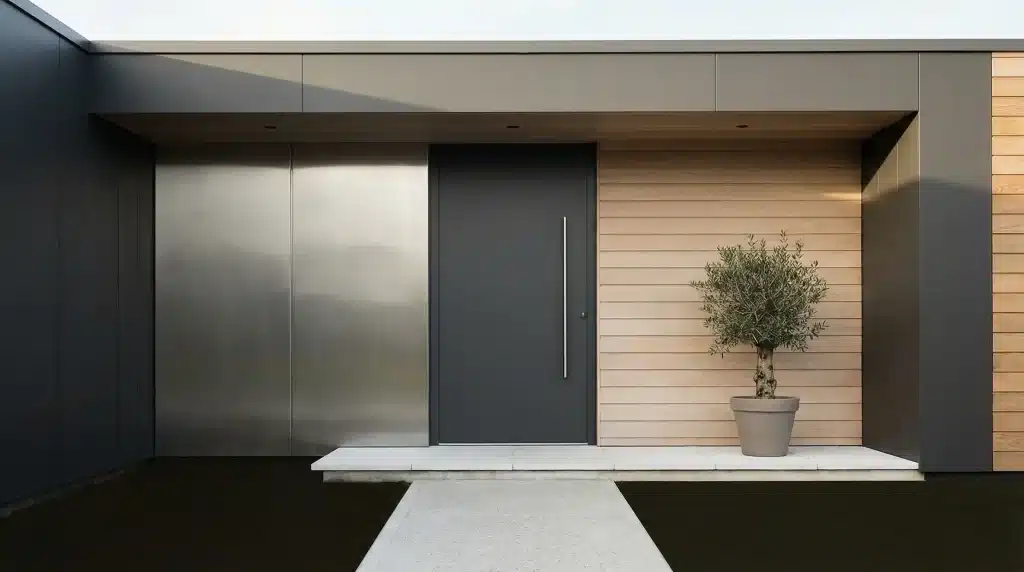
Weathered steel numbers for industrial homes, natural wood elements for farmhouse aesthetics. Wood with metallic digits creates countryside charm.
Door numbers — Bsign offer specialized collections across these categories, ensuring long-lasting appearance and weather resistance.
Materials matter
Modern house numbers are crafted from three primary materials, each offering distinct advantages:
- Stainless steel — maximum durability, weather resistance, and modern appearance that requires virtually no maintenance
- Wood — brings natural warmth and character, perfect for country homes with unique grain patterns and customization options
- Acrylic glass — provides excellent design flexibility with vibrant colors and sophisticated 3D elements, ideal for contemporary styles
Where and how to place it
The optimal installation height is 150-180 centimeters from the ground. This height also prevents numbers from being obscured by parked cars, snow accumulation, or seasonal landscaping growth.
If the house is far from the road, it is worth duplicating the number on the gate. Professional mounting typically uses stainless steel screws or hidden fastening systems for reliable outdoor attachment. Metal spacers with 20mm wall distance create an elegant floating effect while ensuring secure installation that withstands weather conditions.
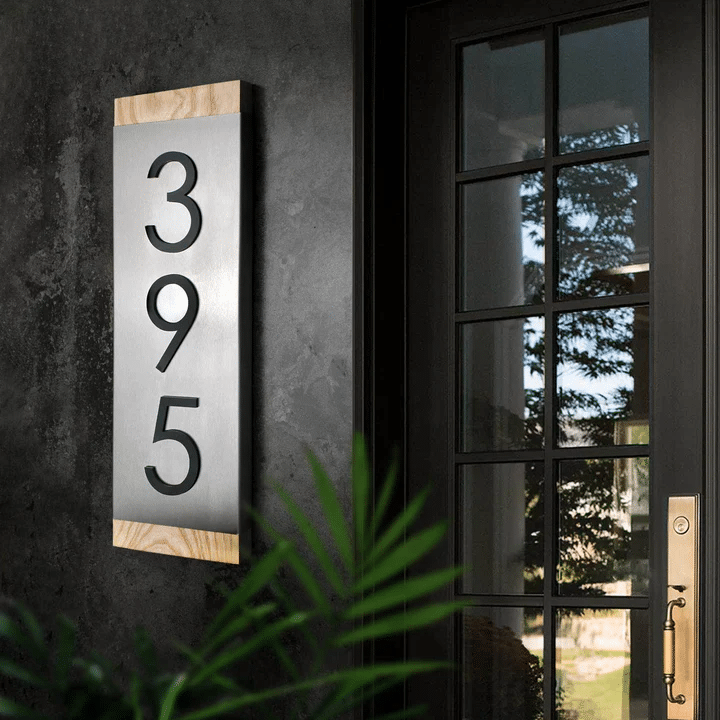
Practical considerations
In regions with harsh winters, choose materials resistant to temperature changes. Acrylic requires UV-resistant coatings to prevent fading, while metal numbers need powder coating to prevent corrosion from salt and moisture.
Address displays must complement the property’s architectural character. Contemporary digital styling appears mismatched when applied to traditional timber architecture.