Addiction changes both behavior and the brain’s physical structure, which is why overcoming it with sheer willpower is so rare. Treatment works by repairing the same brain chemicals that drugs have hampered, with a combination of medicine, counseling, and relearning how to get through each day without substances.
The Reward System Wasn’t Built for Drugs
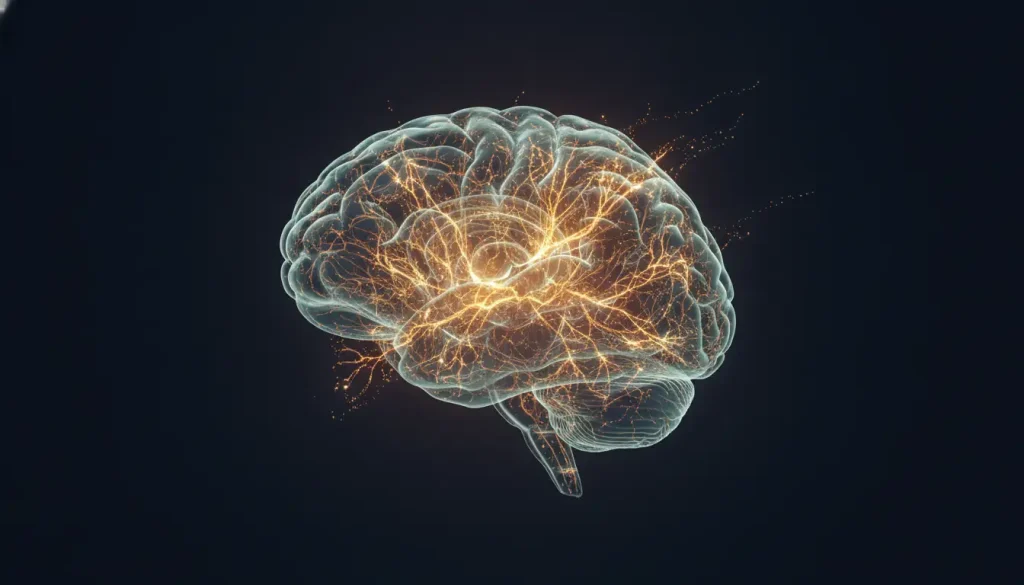
The reward system in the brain evolved to reinforce human survival behaviors by releasing a surge of the feel-good neurotransmitter dopamine in a region called the nucleus accumbens. Dopamine is released in response to pleasurable activities, such as eating, bonding with loved ones, or achieving something difficult. The message is simple: “This feels good. Do it again.”
Addictive substances, however, release far more dopamine than natural rewards, such as food, sex, or social interaction.
Opioids, stimulants, and alcohol all flood the nucleus accumbens with a surge of dopamine so powerful that the brain comes to see drug use as more important than any of those basic activities required for human survival – even self-care or relationships.
This is what often culminates in behaviors that look like poor moral choices but are really the desperate behavior borne of a reward circuit telling the brain that drugs are necessary for survival.
After enough exposures to the artificially amplified reward signal, the brain learns the lesson that drugs are equivalent to survival. That’s what sets the stage, and that’s why so many people feel like they are fighting nature and their own minds when they try to quit drugs.
Why Pleasure Disappears the Longer Addiction Continues
One of the hardest parts of constant drug or alcohol use may be what happens to an individual’s ‘set point’. When dopamine is artificially jacked up repeatedly, the brain reduces the number of dopamine receptors it makes available. It’s known as ‘downregulation’, and it leads to a simple, but stark, reality: things that were just fine or fun before no longer bring pleasure.
Therapists name this ‘anhedonia’. Food tastes more bland. Music loses its magic. Family and friends simply don’t do it for you anymore. For a person in the struggle of active addiction or early recovery, these changes aren’t minor slights.
For many, they hijack the process entirely, ensuring the continued use of the drug because, well, it is the only thing that’s working anymore. Detox fails for thousands as the scoured brain waits in vain for the return of its pleasure spots post-recovery. Anhedonia lasts for weeks, perhaps months. And nobody told the brain that its owner was off the vodka.
Withdrawal Is a Brain Event, Not Just a Body Event
Many people think of withdrawal in terms of physical symptoms: nausea, tremors, sweating. Those are true. But those are only part of the story. The brain also turns on what researchers sometimes describe as an anti-reward system during withdrawal, involving stress circuitry and the amygdala.
The amygdala processes emotional memory and helps to drive the body’s stress response.
During withdrawal and early recovery, it goes into overdrive, contributing to the anxiety, irritability, and general discomfort that can persist long after the body’s been weaned off the physical substance. It’s part of why cravings return weeks or months after someone’s stopped using, often set off by a whiff of something, a place, or a stressful conversation that the amygdala has linked to drug use.
In other words, cravings are not essentially about willpower. They’re about associations writ into neurology. It’s a reason that relapse prevention work is much more about learning to identify and cope with such triggers than it is about merely resolving to quit.
Medication as a Stabilizer, Not a Crutch
In the case of opioid addiction, medication plays a role that behavioral treatment alone can’t replicate. It helps stabilize brain function so that therapy has a chance of working.
Opioids flood the brain with artificial rewards that it can’t hope to compete with on its own. If you’re in the middle of opioid addiction, something like the frame of a house, holding up all the rest of your mental furniture, is a horde of tiny chemical messengers at receptor sites whispering about how this is the best and most important thing you could ever be doing.
That’s a hijacking of your natural reward system at a fundamental level, and after the drug goes away, the house frame doesn’t magically snap back to normal overnight.
Medication can mimic some of those rewarding effects in a stable, predictable way while blocking the damaging effects of the drugs themselves. That gives your brain time to gradually reset those pleasure baselines and relearn how to get a good buzz off less spectacular things – the achievements of your life, the taste of food, the cuteness of kittens.
It also lets your natural opiate levels come back up, which goes a long way toward eliminating the drippy, irritating messages being sent to your brain’s pain centers that make you crave more drug in the first place.
For opioid addiction specifically, you’re usually looking at three primary medications.
Buprenorphine is a maintenance medication that partially activates your opioid receptors; that reduction in withdrawal symptoms and cravings makes it easier to participate in therapy. Methadone works on a similar principle, but it activates the receptors to a stronger degree.
Finally, naltrexone completely blocks the effects of opioids on your receptors, which can be helpful if you’re worried about a relapse. Programs that combine these medications with behavioral approaches tend to produce more durable results, which is one reason people researching options often learn more about this type of rehab before choosing a program built specifically around opioid recovery.
Rebuilding the Prefrontal Cortex Through Daily Habits

While medication and formal therapy are necessary, the daily routine aspects of a treatment program are equally important. When someone uses drugs over and over, the prefrontal cortex, the part of the brain responsible for decision-making, planning, and self-control, becomes less active. A less active prefrontal cortex makes it more difficult to resist cravings, even if that person truly wants to stay clean.
Exercise is one of the cheapest, most reliable ways to counter this. Activity bumps up the brain’s production of dopamine and norepinephrine, two critical chemical messengers involved in addiction.
But it does so in a much less toxic way than drugs, which deliver these chemicals in a sudden rush.
Exercise gradually builds up levels of these messengers, which in turn helps to improve sleep – something that is more of a linchpin of sobriety than most people realize. Lack of sleep immediately impairs prefrontal cortex function, meaning cravings rule the day while emotional regulation suffers.
Mindfulness practices are also a core part of many programs because they help people get better at training their attention. This is a proven strategy for helping people realize they are experiencing a craving without immediately acting on it. This buys the prefrontal cortex the time it needs to fight back against a hijacked amygdala.
None of these interventions replace medication or therapy. They work alongside them, targeting the same neural regions from a different angle. A treatment plan that only addresses withdrawal symptoms while ignoring sleep, movement, and stress regulation is leaving obvious repair work on the table.
Mental Health Can’t Be Treated as Separate From Addiction
Many individuals in addiction treatment struggle with untreated depression, anxiety, or trauma. This is known as co-occurring or dual diagnosis, and it’s more important than it’s sometimes given credit for in casual conversations about recovery.
How this loops back to brain chemistry: untreated trauma and chronic stress keep the amygdala in an activated state. The more stress signals your brain is creating, the more challenging it is for the prefrontal cortex to override your cravings. If you’re treating addiction while a co-occurring mental health condition remains active, you’re often fighting your brain’s biological impulse on two fronts at the same time.
That’s why many programs are now incorporating mental health care directly into addiction treatment, rather than giving patients a separate referral. If trauma or mood disorders fuel your substance use, the prefrontal cortex is not getting a fair shot at countering the stress and craving signals.
Recovery Is Gradual, and Relapse Doesn’t Mean Failure
There’s a persistent myth that recovery is a single event, something that happens during a 30-day program and then is simply done. The neuroscience doesn’t support that framing. Receptor density, dopamine sensitivity, and prefrontal cortex activity all take extended time to normalize, often many months longer than the acute treatment phase.
That’s part of why relapse rates for substance use disorders are commonly cited in the 40 to 60% range for adults in recovery, a benchmark researchers use to compare addiction with other chronic, relapsing medical conditions like diabetes or hypertension.
The comparison isn’t meant to excuse relapse. It’s meant to reset expectations about what recovery actually looks like biologically. Nobody expects a single course of treatment to permanently cure diabetes, and addiction’s relapsing nature deserves the same kind of realistic planning rather than shame when setbacks happen.
That’s the entire logic behind relapse prevention planning and long-term aftercare.
Structured aftercare, whether it’s ongoing therapy, support groups, or continued medication management, gives the brain repeated, consistent reinforcement over the months it actually needs to stabilize. A single intensive treatment phase can start the repair process, but sustained support is what carries it through to something durable.
Programs built around this understanding tend to combine medical stabilization, behavioral skill-building, physical wellness routines, and structured aftercare into one continuous plan rather than a series of disconnected steps. That combination reflects what’s actually happening inside the brain during recovery: multiple systems, all damaged in different ways, all needing different but coordinated forms of repair.
What This Means for Anyone Considering Treatment
Effective addiction treatment isn’t about willpower and that’s that. It’s about giving a damaged reward circuit the specific inputs it needs to recalibrate – whether that’s medication to stabilize receptors, therapy to rebuild decision-making pathways, or daily habits that restore natural dopamine function. Recovery takes longer than most people want it to, and setbacks are common rather than rare.
None of that makes treatment less worthwhile. It makes it more important to choose a program that treats the brain as the thing actually being repaired, not just the behavior on the surface.