Employee turnover is a huge challenge for warehouse operators. The onboarding process for each new hire requires a significant investment of time and money. Although competitive wages and benefits play a role in employee retention, training often plays an equal role in whether workers stay or leave.
Workers want to feel confident in their ability to perform their tasks safely and effectively. When a company lacks training, employees can feel uncertain about what they’re doing. In an environment that provides ongoing training, many employees feel supported and equipped to perform their roles. As a result, trained workers are more likely to stay engaged and loyal to their company.
Training Builds Confidence
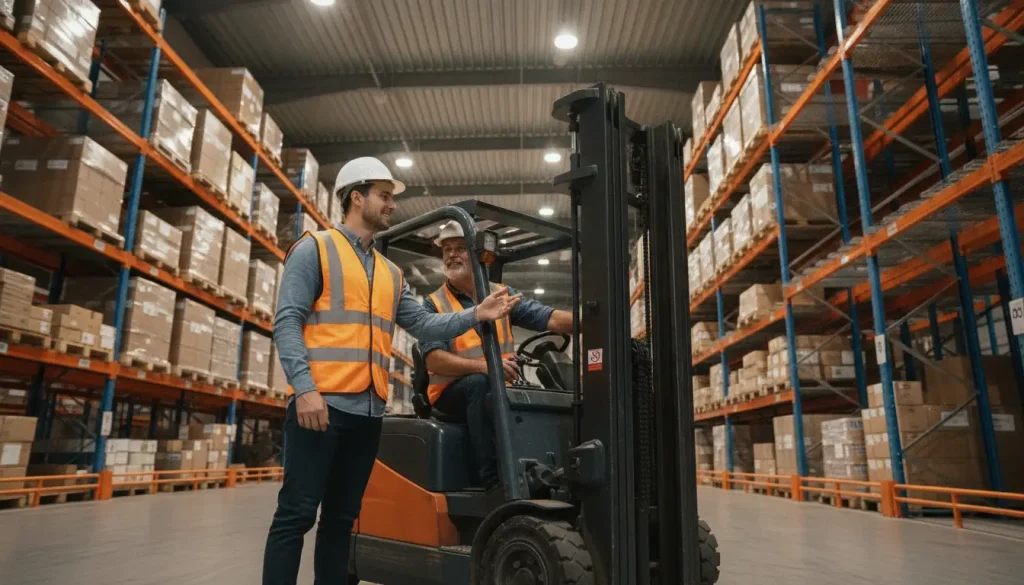
Many warehouse workers leave within the first few months because they’re overwhelmed and unsupported by management. Having a strong training program helps companies eliminate this uncertainty by providing a strong foundation of knowledge and skills required for success. An effective onboarding process covers safety protocols, expectations, equipment operation, and workflow processes in a structured way that everyone can understand. For example, employees who need to operate forklifts benefit from formal training that helps them work safely.
In a warehouse setting, forklift certification is the easiest way to prepare operators to fulfil their roles while complying with OSHA and company safety regulations. Forklift accidents are unfortunately common, and training is the best way to prevent them. Forklift operators who receive good training are more likely to feel confident in their ability to do their job, which will encourage them to stick around.
Ongoing Training Prevents Stagnation
Many employees perform the same tasks every day with no chance of learning new skills. This is a recipe for creating disengaged employees who will eventually quit. Ongoing training and development will keep employees challenged and invested in their roles. It can also prepare them for taking on new responsibilities and advancement within the company.
Some companies invest in their employees in ways that support personal and professional growth that will benefit them outside the company. This type of ongoing training is a great way to maintain happy workers because it makes them less likely to look for other opportunities.
Workers Want to Feel Safe

Workplace safety and employee retention are related. Employees are less likely to stick around if they feel like their safety is at risk. They might follow protocols but if the work environment supports disregarding safety, they’ll seek employment elsewhere.
Regular safety training helps employees recognize hazards and risks, and a strong culture of safety ensures everyone follows proper procedures. Refresher training is the key to reinforcing important safety protocols that employees tend to disregard as they become comfortable in their roles.
Safe work environments see fewer injuries and happier employees. Workers who feel protected and supported by their managers are more likely to feel valued and stay with their employer.
Employees Want to See a Career Path
Some people see warehouse positions as temporary jobs and not long-term careers. This perception can be changed with a training program that creates a clear path for advancement. It also helps to cross-train employees for multiple departments to expand their skills and prepare for potential future responsibilities. For instance, a leadership development program can help employees transition into supervisory roles in time.
Employees who see that advancement is attainable are usually more likely to become invested in the company’s success. They won’t look for another job just to earn a couple more dollars per hour. They’ll stay where they are because they want the opportunity for growth.
Cross-Training Increases Engagement
Cross-training benefits everyone. Workers who get trained in other departments develop additional skills and businesses have a more flexible team that can adapt to unexpected changes. Employees who are trained to understand multiple aspects of their job usually feel more connected to their company since it gives them a sense of accomplishment. Learning how different departments work together can also help them do their main job better. It also keeps employees engaged by reducing boredom and the monotony of doing the same thing every day.
Training Supports a Healthy Workplace Culture
A positive, supportive workplace culture needs to be intentionally cultivated by management. The goal is to make employees feel valued, respected, and supported within the company. Training can help management achieve this goal by making everyone feel more connected while communicating knowledge and expectations.
Investing in People Is Worth the Time and Money
Filling open roles as they pop up is harder when turnover is high. The key to avoiding excessive turnover is creating an environment where employees want to stay and grow. Training plays a key role in achieving this goal by producing a safer, more engaged workforce that wants to stay where they are.