Building your own house can be an incredibly rewarding experience, but it’s also a complex and time-consuming process. Whether you’re embarking on a DIY journey or managing the project with the help of professionals, knowing how to navigate the steps and timeline involved is crucial for success. One of the first questions many future homebuilders ask is: How long does building a house take?
In this guide, we’ll break down the process of building a home, offering insights on planning, budgeting, the construction timeline, and when it’s best to hire professionals. From choosing the right land to final inspections and move-in, we’ll help you understand each stage of the build and how to stay on track.
Step 1: Planning and Budgeting for Your Home Build
Setting a Realistic Budget
Before you even begin designing your dream home, it’s essential to create a comprehensive budget. A typical home build can cost anywhere from $150,000 to over $500,000 depending on size, location, and level of customization. Keep in mind that there are many costs beyond construction itself—land purchase, permits, site preparation, and unexpected expenses all add up.
Start by setting aside 10-20% of your total budget for contingencies. This allows you to account for delays or unforeseen costs. To manage these elements efficiently, it’s a good idea to partner with a Custom Home Builder early on. An experienced builder can help you estimate costs more accurately, avoid common financial pitfalls, and keep your project within budget.
Creating a Design Plan
Once your budget is set, it’s time to begin designing your home. Whether you opt for a custom layout or select a pre-designed plan, your design will significantly impact both the cost and the timeline. Custom homes, while offering complete flexibility, take more time to plan and execute. Be sure to consider factors such as size, layout, energy efficiency, and any long-term needs you may have.
An experienced Custom Home Builder can help streamline the design process, ensuring that your vision is realized efficiently and within your budget. They will also assist in managing the complexities of planning, from initial concepts to finalized blueprints.
Step 2: Choosing the Right Location and Preparing the Site
Finding the Right Land
The next critical step is selecting land for your new home. Consider location, proximity to work, schools, and public services. Be sure to research zoning regulations and utility access. Land prices vary dramatically depending on the location, and this can be a significant portion of your overall cost.
If you plan on purchasing raw land (unimproved land), remember that additional costs for grading, utility hookups, and soil tests may arise. The availability of suitable land often dictates the timeline for your project.
In established suburbs where land is already secured, a knockdown rebuild in Melbourne can often provide greater flexibility than trying to adapt an existing home to meet modern lifestyle needs. This approach allows homeowners to retain their preferred location while benefiting from a brand-new, purpose-built home.
Site Preparation
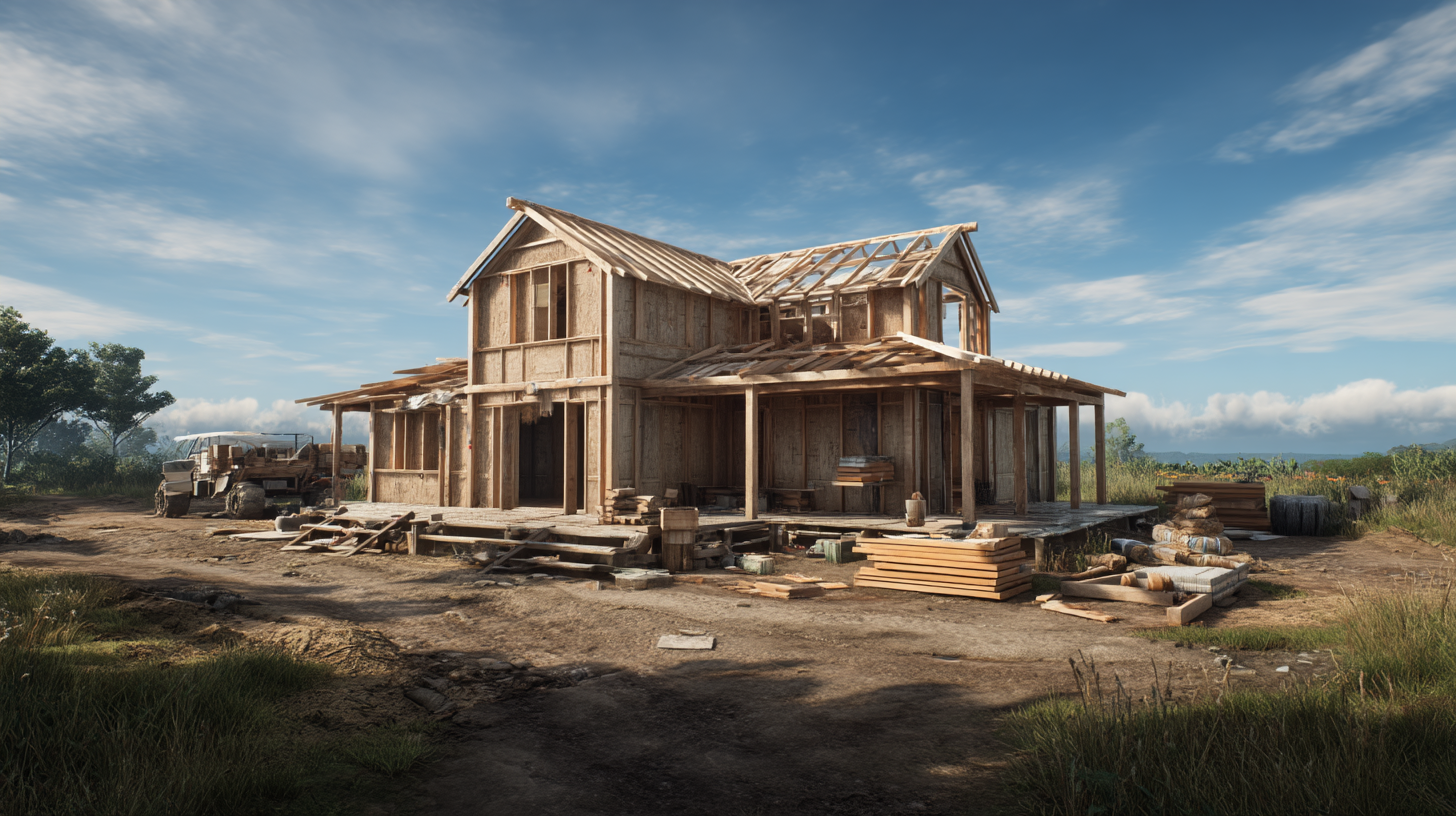
After purchasing your land, you will need to prepare the site. This involves clearing trees and debris, grading the land, and preparing it for the foundation. Site prep costs can vary greatly depending on the land’s condition, with factors such as soil quality and terrain affecting the scope of work.
Partnering with a skilled Custom Home Builder will ensure the site is properly prepared, saving you time and preventing potential issues during construction.
Step 3: Securing Permits and Legal Requirements
Navigating Local Building Codes and Permits
Before you can break ground, securing the necessary permits is crucial. These can include building permits, plumbing permits, electrical permits, and mechanical permits. Local building codes must also be adhered to, which can vary by city or county. The permit approval process can take weeks, or even months, depending on the scope of the project.
Understanding local building regulations is vital to avoid costly delays or issues during construction. For more efficient permit handling, working with a Custom Home Builder who understands the ins and outs of local laws and regulations can expedite the process.
Insurance and Liabilities
Throughout construction, proper insurance is required. You’ll need general liability coverage, workers’ compensation, and possibly builder’s risk insurance. Your builder should carry these insurances as well to protect you from potential liabilities.
Step 4: Construction Begins: Laying the Foundation and Framing
Laying the Foundation
The foundation is the most important structural element of your home. Whether you opt for a slab foundation, crawl space, or full basement, it’s crucial that the foundation is done right. Foundation work typically takes 1 to 2 months, but it can be affected by weather or soil conditions.
Framing the Structure
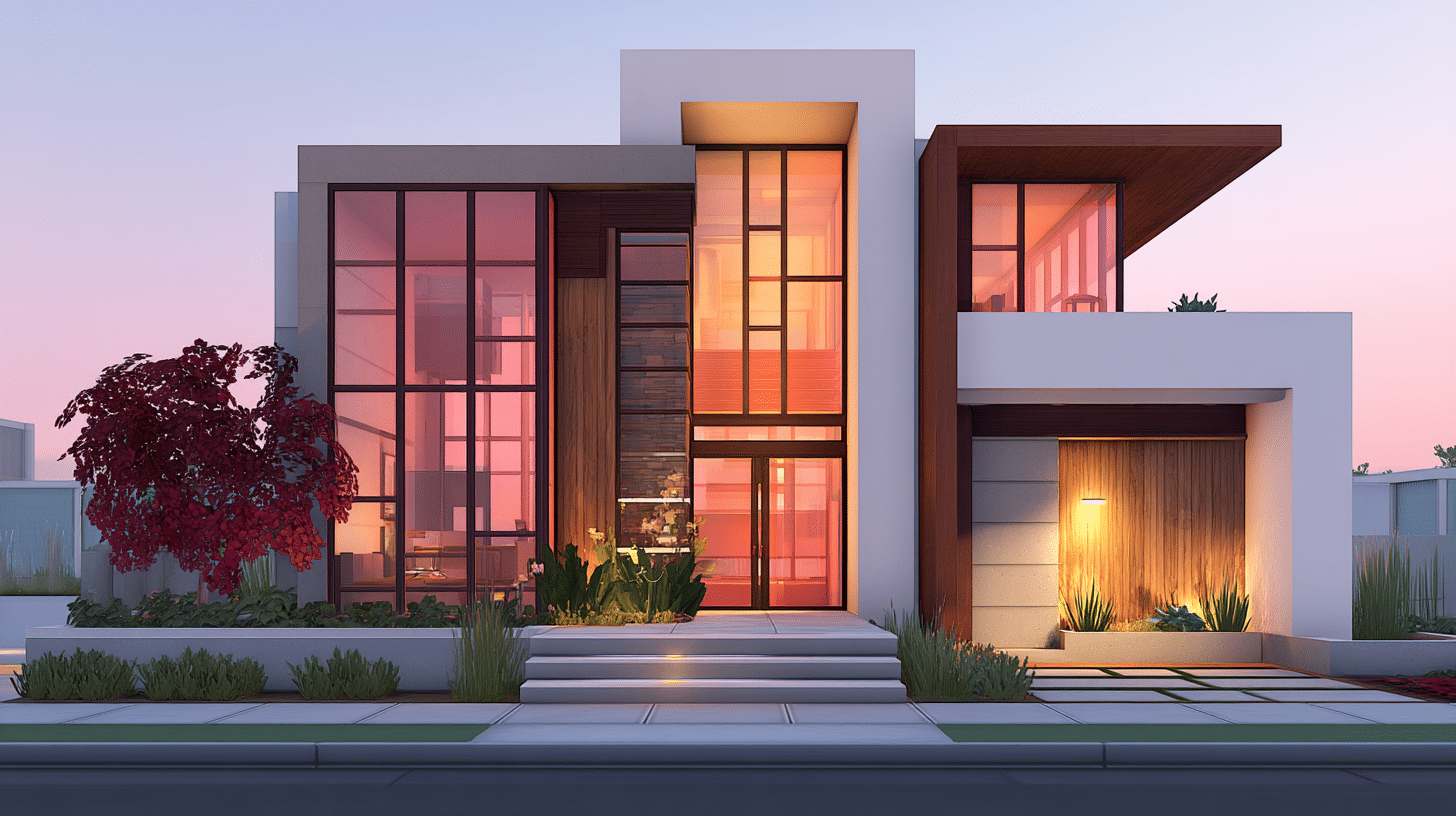
Once the foundation is set, the framing process begins. This is when your home’s skeleton takes shape, including the walls, floors, and roof. The framing process typically lasts 2 to 4 months depending on the size of the home. Delays can occur due to weather, material shortages, or labor availability.
Step 5: Installing Utilities and Systems
Plumbing, Electrical, and HVAC
After the framing is complete, it’s time to install essential systems like plumbing, electrical, and HVAC. These systems require licensed professionals to ensure they meet local codes and safety standards. Typically, plumbing, electrical, and HVAC installations take 1 to 2 months to complete.
Step 6: Interior Work: Drywall, Flooring, and Paint
Installing Drywall and Painting
Once the major systems are in place, drywall is installed and the home begins to take its final shape. This phase can take around 1 to 2 months, including the mudding, sanding, and painting. It’s important to allow sufficient time for drying between coats of paint.
Flooring Installation
Flooring installation follows drywall and painting. Whether you choose hardwood, tile, carpet, or other materials, the installation of flooring usually takes 1 month. Custom flooring options or complex designs can take longer to install.
Step 7: Cabinets, Countertops, and Fixtures
Installing Cabinets and Countertops
Once the interior is framed and the systems are installed, it’s time to put in the cabinets and countertops. This phase usually takes about 1 month and involves choosing the right materials for kitchens and bathrooms.
Final Fixtures and Lighting
Finally, light fixtures, faucets, and other finishing touches are installed. This may take an additional 1 month depending on the complexity of the finishes selected.
Step 8: Final Inspections and Move-In
Final Walkthrough and Inspections
Before you can move in, your home will need to pass inspections to ensure it meets building codes and safety regulations. This typically takes 1 month, but delays can happen if issues arise during the inspection.
Landscaping and Moving In
Once the home passes inspections, it’s time to focus on landscaping and any final touches. Landscaping can take 1 month, but it is often the last stage before moving in. The final move-in process will also involve cleaning and setting up the house, which can take an additional 1 month.
Why Building a House Might Take Longer Than You Expect
Common Causes of Delays
Several factors can contribute to delays in the construction process, including weather conditions, labor shortages, material supply chain issues, and design changes.
Why Choosing the Right Custom Home Builder Matters
An experienced custom home builder like Origami Design Build can help minimize delays and keep the project on track. A skilled builder will manage subcontractors, order materials in advance, and keep the timeline organized to avoid unnecessary setbacks.
How to Minimize Delays and Stay on Track
Plan Ahead and Stick to the Schedule
Having a clear plan and timeline for each phase of construction will help ensure the project stays on track. Make sure to work closely with your builder to set realistic expectations and keep everything organized.
Work with a Reliable Construction Team
The right custom home builder can make all the difference. Partnering with a trusted team, such as Skyline Design Build, ensures that your build will proceed smoothly and that any issues that arise will be handled efficiently.
Final Thoughts: Building Your Dream Home
Building a home is a major undertaking that requires careful planning, time, and effort. The typical construction timeline ranges from 9 to 18 months, but the timeline will depend on your location, design complexity, and the efficiency of your builder.
For a smoother process, work with an experienced custom home builder who can manage the details, stay on schedule, and bring your vision to life. Whether you’re building from scratch or making a few modifications, the result will be worth the effort.