A basement can be one of the most valuable spaces in your home. Whether it’s used for storage, a cozy living area, or a future renovation project, it adds both function and square footage. But nothing derails those plans faster than unwanted moisture.
Basement leaks are one of the most common issues homeowners face, and they often start small before turning into costly problems. The good news is that most leaks follow predictable patterns. Once you understand what causes them, you can take steps to stop them early and protect your home long term.
Why Basement Leaks Happen
Water doesn’t appear in your basement randomly. It’s almost always the result of pressure, poor drainage, or structural vulnerabilities around your home’s foundation.
Here are the most common causes.
1. Poor Drainage Around the Home
One of the biggest culprits behind basement leaks is improper drainage. When rainwater is not directed away from your home, it collects in the soil surrounding your foundation.
Over time, this leads to saturation. Once the ground becomes fully soaked, water begins looking for a way in. Your basement walls and floor become the path of least resistance.
Common drainage issues include:
- Short or disconnected downspouts
- Clogged gutters
- Soil that slopes toward the house instead of away
Even small drainage problems can lead to significant moisture buildup over time.
2. Hydrostatic Pressure
Hydrostatic pressure is the force created when water builds up in the soil around your foundation. As the soil becomes saturated, the pressure increases and pushes water against your basement walls.
This pressure is strong enough to force water through:
- Tiny cracks in concrete
- Porous foundation walls
- Floor and wall joints
Even a well-built foundation can struggle against constant hydrostatic pressure if water is not properly managed.
3. Foundation Cracks
Concrete is strong, but it is not immune to cracking. Over time, natural settling, temperature changes, and soil movement can create small fractures in your foundation.
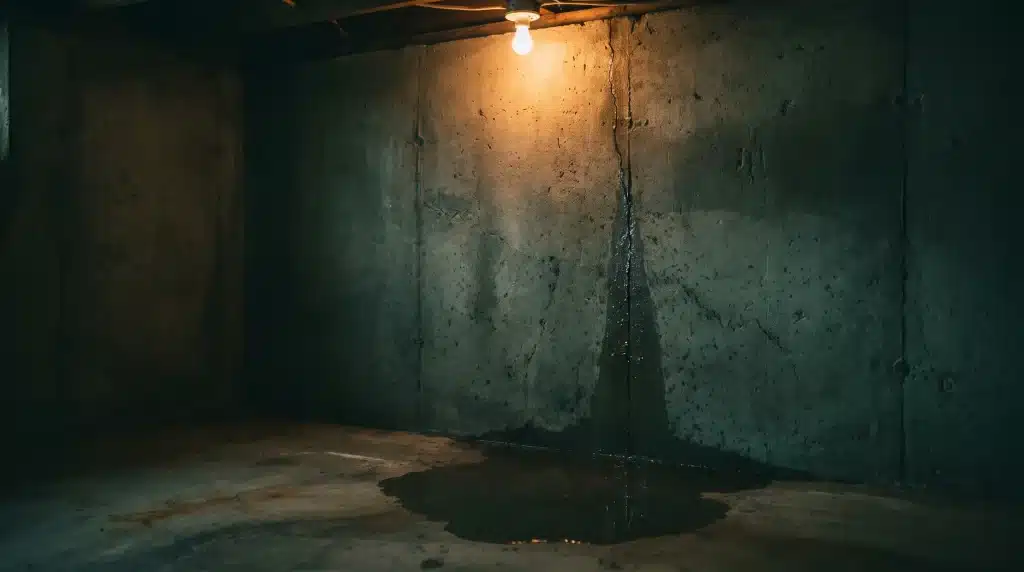
These cracks may seem harmless at first, but they provide a direct entry point for water. During heavy rain or snowmelt, moisture can easily seep through and make its way into your basement.
The most common types of cracks include:
- Vertical cracks from settling
- Horizontal cracks from pressure
- Hairline cracks that gradually widen over time
Ignoring these early signs often leads to larger structural concerns down the line.
4. Faulty Gutters and Downspouts
Your gutter system plays a bigger role than most homeowners realize. Its job is to collect rainwater from your roof and direct it safely away from your home.
When gutters are clogged or damaged, water overflows and falls directly next to your foundation. This creates a concentrated area of moisture that increases the risk of leaks.
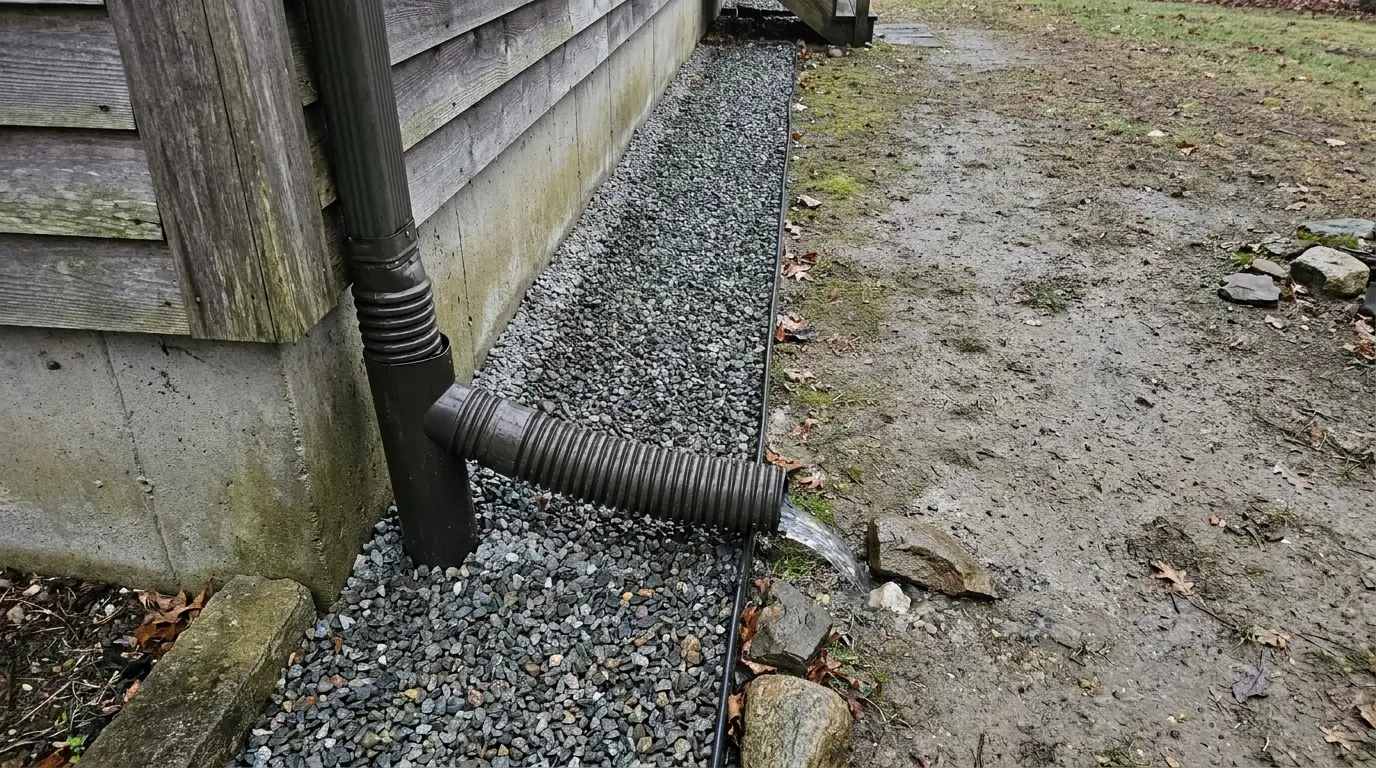
Downspouts that end too close to the home only make the problem worse. Ideally, water should be directed several feet away from the foundation to prevent pooling.
5. Window Wells and Basement Openings
Basement windows, vents, and other openings are naturally vulnerable areas. Without proper protection, water can collect in window wells and seep inside.
Heavy rain can quickly fill an uncovered window well, especially if drainage is poor. Once the water level rises high enough, it can leak through the window frame or surrounding structure.
This is one of the fastest ways for a basement to take on water during a storm.
How to Stop Basement Leaks Early
Catching problems early is the key to avoiding expensive repairs. While some issues require professional solutions, there are several steps homeowners can take right away.
Improve Exterior Drainage
Start by making sure water is moving away from your home, not toward it.
- Clean gutters regularly to prevent overflow
- Extend downspouts at least 6 feet from the foundation
- Ensure the ground slopes away from your home
These simple fixes can significantly reduce the amount of water surrounding your foundation.
Seal Small Cracks
If you notice minor cracks in your basement walls, addressing them early can prevent water from getting in.
Waterproof sealants and epoxy injections can be effective for small, non-structural cracks. However, larger or growing cracks should be evaluated by a professional.
Install Window Well Covers
Adding covers to basement window wells helps keep rainwater, debris, and snow out. This small upgrade can make a big difference, especially during heavy storms.
Make sure your window wells also have proper drainage at the bottom to prevent water buildup.
Monitor Humidity Levels
Not all basement moisture comes from outside water intrusion. High humidity levels can also create damp conditions, leading to mold and mildew.
Using a dehumidifier can help maintain a dry environment and protect your belongings.
Consider Professional Waterproofing
If you’re dealing with recurring leaks or visible water intrusion, it may be time to bring in a professional.
A company like ACM Basement Waterproofing can assess the root cause of the issue and recommend long-term solutions such as:
- Interior drainage systems
- Sump pump installation
- Exterior waterproofing membranes
- Foundation repairs
Professional waterproofing addresses the problem at its source rather than just treating the symptoms.
Don’t Wait Until It Gets Worse
Basement leaks rarely fix themselves. What starts as a small damp spot can quickly turn into water damage, mold growth, and even structural issues if left untreated.
The earlier you identify the cause, the easier and more affordable it is to fix. Regular inspections, proper drainage, and proactive maintenance go a long way in keeping your basement dry.
If you’re planning to finish or decorate your basement, taking care of moisture issues first ensures that your hard work will last. A dry, well-protected space gives you the freedom to create something comfortable, functional, and truly part of your home.