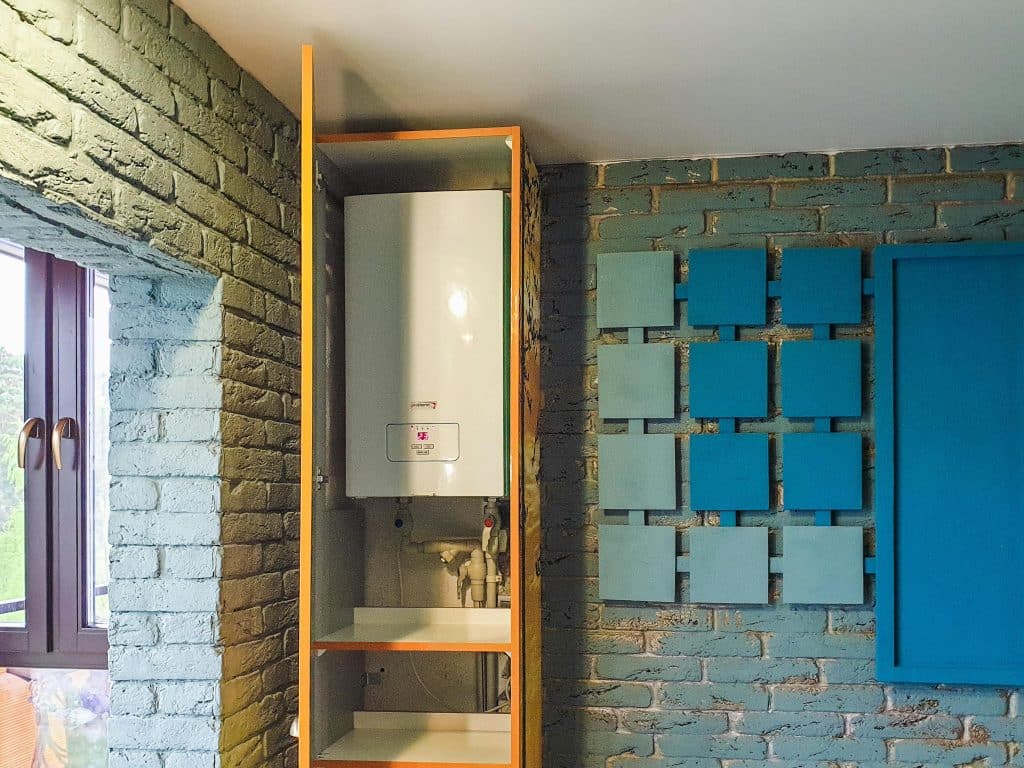
A tankless electric water heater promises lower energy bills and more usable space in the home. Yet the true cost goes well beyond the price printed on the box. Factors like installation scope, local building codes, and daily hot water habits all shape the final number. Understanding these variables ahead of time gives homeowners a clearer picture of what to expect. Here is a closer look at the pricing factors that matter most.
Unit Size and Heating Capacity
Output capacity is the single biggest driver of a tankless heater’s retail price. Every unit carries a kilowatt and gallons-per-minute rating that reflects its heating power. A compact point-of-use model built for a single sink costs a fraction of a whole-home system. Households running multiple showers, a dishwasher, and laundry at once need considerably more output, and that pushes the base cost higher. Choosing a unit that matches actual daily usage keeps spending in check.
Many homeowners start by asking how much is an electric tankless water heater before they even begin browsing models. The honest answer depends heavily on output rating, build quality, and manufacturer. Budget-friendly units can sit around a few hundred dollars, while full-capacity whole-home systems often cross the thousand-dollar mark. Getting familiar with these price bands early on makes it easier to compare options without second-guessing later.
Electrical Infrastructure Requirements
A high-powered tankless unit demands serious electrical capacity, and many older homes simply lack it. Upgrading the breaker panel, running new dedicated circuits, or replacing outdated wiring adds real dollars to the project. In some cases, these electrical changes rival the cost of the heater itself. Having a qualified electrician evaluate the existing setup before buying prevents budget-breaking surprises halfway through installation.
Voltage and Amperage Considerations
Whole-home electric tankless models typically operate on 240-volt circuits. Depending on the unit’s draw, two or even three separate breakers may be necessary. An electrician should confirm whether the current panel can support that load. Overlooking this step often leads to change orders and delays once the project is already underway.
Installation Complexity
Labor rates fluctuate based on how straightforward the job turns out to be. Replacing an old tank-style heater with a tankless model in the same location tends to keep costs modest. Moving plumbing connections or mounting the new unit in an entirely different spot raises the labor bill quickly. Hard-to-reach locations, like crawl spaces or attics, add time and therefore expense.
Permit and Inspection Fees
Most municipalities require a permit before any water heater installation can begin. These fees vary widely from one jurisdiction to the next. A follow-up inspection is often mandatory as well, adding both cost and scheduling complexity. Building permit expenses are easy to overlook during planning, but they belong in every realistic budget.
Climate and Groundwater Temperature
Where a home sits on the map has a direct effect on which unit makes financial sense. In northern climates, incoming water arrives far colder throughout the year. The heater has to close a much larger temperature gap, which calls for a more powerful, more expensive model. Buyers in southern regions can often get by with a smaller unit that still delivers comfortable results.
Energy Efficiency Ratings
Efficient models tend to carry a steeper upfront price. On the other hand, they draw less electricity per gallon of heated water over their entire service life. That gap in operating cost often closes the price difference within just a few years. Comparing the energy factor rating across models reveals which ones truly cost less to own over time.
Brand Reputation and Warranty Coverage
Well-known manufacturers with proven reliability typically price their products higher. That extra cost usually comes with extended warranty terms, responsive support teams, and easier access to replacement parts. Unfamiliar brands may look appealing on price alone, but shorter coverage periods leave buyers exposed to out-of-pocket repair bills. Balancing upfront savings against long-term protection is a decision worth thinking through carefully.
Additional Features and Technology
Today’s tankless heaters can include digital displays, self-diagnostic alerts, and even app-based remote controls. Each of these features adds incrementally to the purchase price. Certain additions, such as integrated leak sensors, offer practical safety value. Others fall more into the convenience category, and skipping them is a reasonable way to trim the budget without sacrificing performance.
Conclusion
Pricing for an electric tankless water heater reflects a mix of unit capacity, electrical upgrades, labor fees, and geographic realities. No single line item tells the whole story, which is why evaluating all of these factors together gives the most accurate cost estimate. Homeowners who take time to review efficiency ratings, installation demands, and warranty terms set themselves up for a more confident purchase. A little upfront research goes a long way toward avoiding costly missteps.