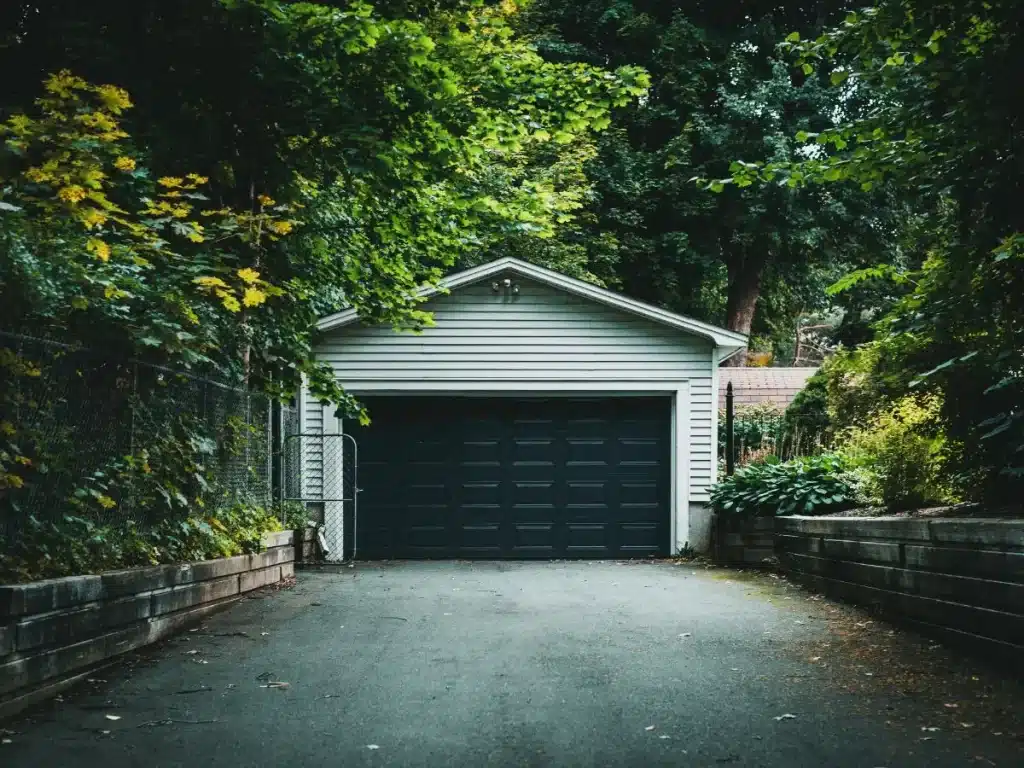
When was the last time you really looked at your garage door? Not just pushed the button and drove off, but actually looked at it?
We tend to take our garage doors for granted, don’t we? But here’s something worth pausing on: that door is likely the heaviest moving part of your entire home. We’re talking 200 to 400 pounds being lifted and lowered by a system of springs, cables, and sensors that quietly work together behind the scenes.
When one of those pieces starts to wear out, the whole setup can become a real safety concern for you and your family.
The Hidden Risks of an Overlooked Garage Door
Before we dive in, here’s a quick reality check. The U.S. Consumer Product Safety Commission reports thousands of garage-door-related injuries each year, ranging from pinched fingers to far more serious incidents. Most of them happen because of worn components, skipped maintenance and necessary garage door services, or DIY repairs that went a little too deep.
If you have kids, pets, or you simply park your car in there every day (hi, that’s most of us), a safe, smoothly functioning garage door is non-negotiable. It’s also the biggest entry point into your home, which means safety and security go hand in hand.
Common Garage Door Safety Issues to Watch For
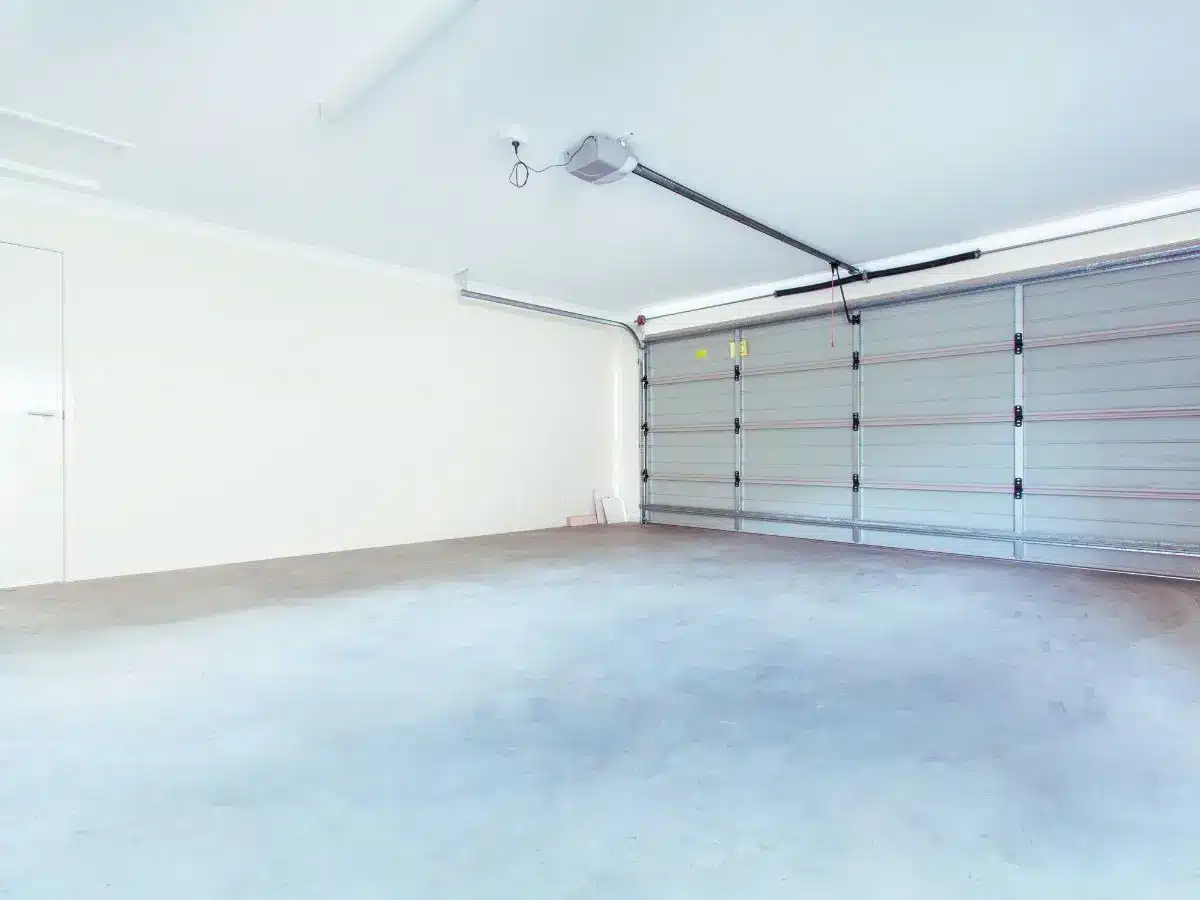
The silver lining? Garage door problems rarely appear out of thin air. They give us plenty of warning if we know what to listen to and look for. So let’s dig into the most common safety issues, what causes them, and what you can do to stay ahead of them.
1. Worn-Out or Broken Springs
If there’s one part of your garage door that deserves the most respect, it’s the springs. Those tightly wound torsion or extension springs are under enormous tension; the reason your door can lift so smoothly despite weighing as much as a small refrigerator.
Garage door springs are designed to last somewhere between 10,000 and 20,000 cycles. If you use your garage door four or five times a day, that’s about 7 to 14 years of life. However, they may give up earlier than expected, depending on use and wear and tear.
Signs Your Springs Are Going:
- The door feels heavier than usual or won’t stay open halfway
- You hear a loud bang from the garage (yes, that’s a spring snapping)
- The door opens crookedly or jerks as it moves
- Visible gaps or stretching in the spring coils
Springs are absolutely not a DIY project, no matter how many YouTube tutorials insist otherwise. The tension stored inside them can cause serious injury if released the wrong way. If you suspect a broken spring, step away and call a technician.
2. Misaligned or Faulty Safety Sensors
Every modern garage door comes with photo-eye safety sensors mounted on either side of the door, about six inches off the ground.
Since 1993, federal law has required residential garage doors to include a non-contact reversal system, which uses two sensors to shoot an invisible beam across the opening. If anything interrupts the sensors – a toy, a pet, a small child – the door is supposed to stop and reverse.
Emphasis on supposed to.
Sensors get knocked out of alignment surprisingly easily. A stray basketball, a bump from the lawnmower, even accumulated dust or a spider web across the lens, can cause them to fail.
You should test your sensors once a month. Place a roll of paper towels in the door’s path and try to close it. If the door doesn’t reverse, your sensors need attention immediately.
Common Sensor Fixes:
- Wipe the lenses gently with a soft cloth
- Check that both sensor lights are solid (usually one green, one red; blinking means misaligned)
- Make sure nothing is blocking the beam
- Tighten the mounting brackets if they’re loose
If cleaning and realigning don’t work, the wiring or the sensors themselves may need to be replaced.
3. Frayed, Loose, or Snapped Cables
The cables running alongside your door work with the springs to lift and lower all that weight. Over time, they fray, especially in humid climates. A snapped cable can cause the door to fall suddenly or hang at an angle, which is both a property damage risk and a serious safety hazard.
Take a minute to visually inspect your cables for rust spots, fraying strands, or cables that have slipped off the drum. Like springs, cables are under heavy tension and should be replaced by a professional. The DIY-er in all of us wants to grab a wrench, but this one really isn’t worth the risk.
4. Old Openers & Outdated Security
Most garage door openers last 10 to 15 years. If yours is creeping up on that age, you might start noticing some quirks: delayed response, strange noises, the door reversing for no reason, or the remote working only sometimes.
Older openers (pre-2000s) often lack modern safety features like rolling code technology and auto-reverse sensitivity adjustments, which is what keeps someone with a cheap universal remote from popping your garage open from down the street. Upgrading to a newer model isn’t just about convenience; it’s also a security and safety upgrade.
Many newer openers offer smartphone connectivity, so you can check from your couch whether you actually closed the door when you left for vacation.
5. Weather Seals, Balance, & Everyday Wear
This is the biggest one, honestly. The vast majority of garage door emergencies don’t come out of nowhere; they build up over months or years of neglect. The door gets louder, the springs get tired, the tracks get dusty, and one day something just gives.
A simple seasonal routine can prevent most issues:
- Lubricate rollers, hinges, and springs with a silicone-based garage door lubricant (not WD-40)
- Tighten any visible nuts and bolts on the tracks and brackets
- Clear debris from the tracks
- Test the auto-reverse feature monthly
- Check the weather seal along the bottom for cracks
Twenty minutes twice a year will genuinely add years to your door’s lifespan.
When to Put the Wrench Down and Call the Pros
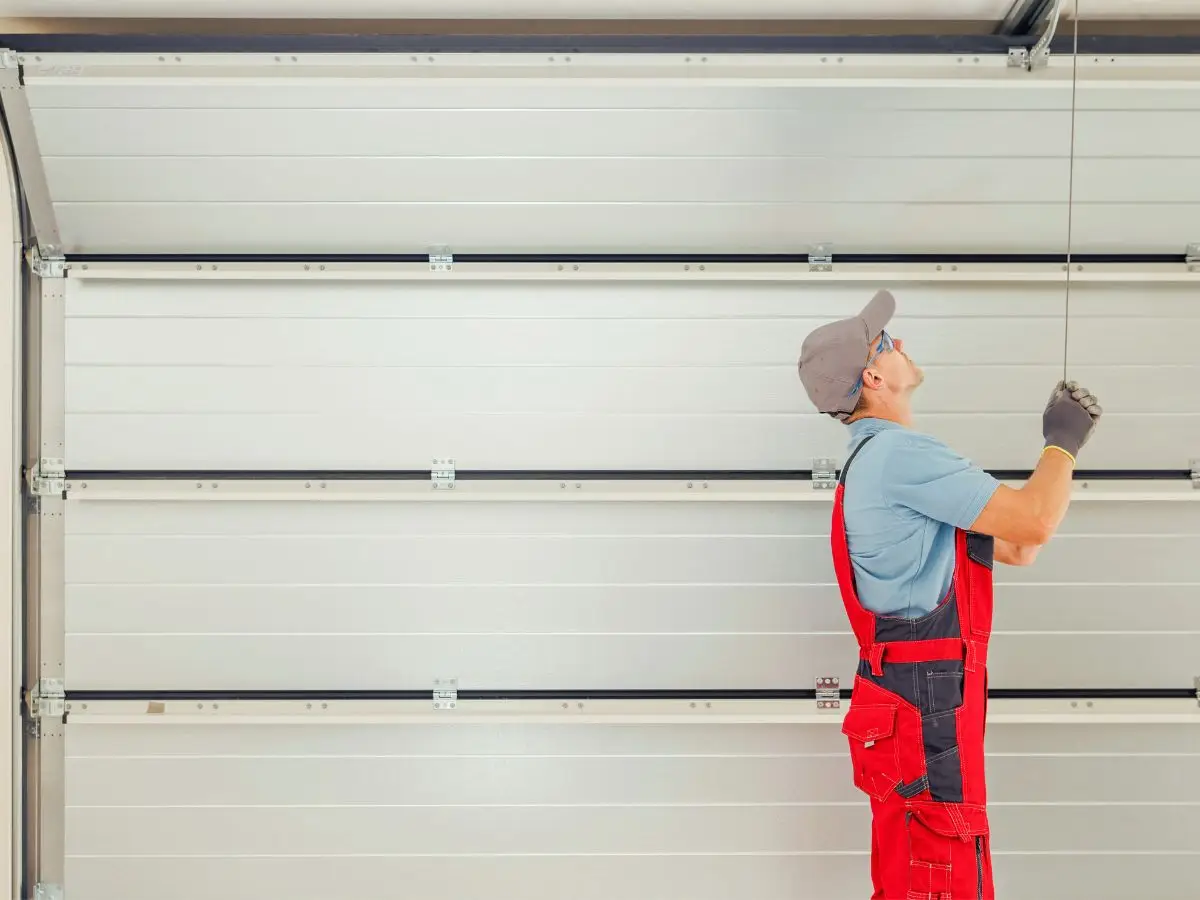
There are plenty of garage door maintenance tasks you can do yourself: cleaning sensors, lubricating rollers, and tightening hardware. But anything involving springs, cables, or the opener’s internal wiring is firmly in the “call someone” category.
Professional garage door services have the tools, training, and (importantly) the right insurance to handle high-tension components safely. A good technician will also do a full safety check, test the auto-reverse features, and catch the smaller issues before they snowball.
If your door is making new noises, moving unevenly, or just feels off, that’s your cue. Don’t wait for the loud bang.
Small Steps, Safer Home
Your garage door does a lot and asks for so little in return. A seasonal check-up, a quick sensor test, a call to a qualified pro when something feels off – that’s really all it takes to stay ahead of the problems that land other homeowners in costly repairs (or worse, the emergency room).
Safety isn’t always the most exciting part of homeownership. But the moments that make a house feel truly like home: the calm mornings, the safe arrivals, the peace of mind, they’re all built on the little things we take the time to care for.
***