It usually doesn’t start as a “business.” It’s more like… you bring dessert somewhere, people keep asking for it again, and eventually someone says, “Wait, do you sell these?”
That’s how it begins for a lot of people.
Turning baking into a side hustle isn’t just about being good in the kitchen. It’s about figuring out how to keep up once people actually want to buy from you. That’s where things shift a little.
It’s not just baking anymore—it’s planning, storing, timing… all the behind-the-scenes stuff.
Start With What People Already Want
You don’t need a huge menu right away.
If anything, that makes it harder. Stick with the things people already ask you for.
The ones that disappear first. The ones friends text you about later.
Keeping it simple helps more than you think. Fewer items, less stress, more consistency. And when you’re doing this on the side, that matters.
Pricing Feels Awkward—But It Matters
This is where a lot of people hesitate.
You look at your ingredients and think, Okay, this didn’t cost that much. But that’s not the full picture. Your time, your energy, packaging, even your oven running for hours—it all adds up.
If you underprice, you’ll feel it pretty quickly. Not just in your wallet, but in your motivation too. And once you factor in things like last-minute orders, time spent messaging customers, and the reality that you can’t always bake at full efficiency, it becomes pretty clear that pricing too low isn’t sustainable for long.
Storage Sneaks Up on You
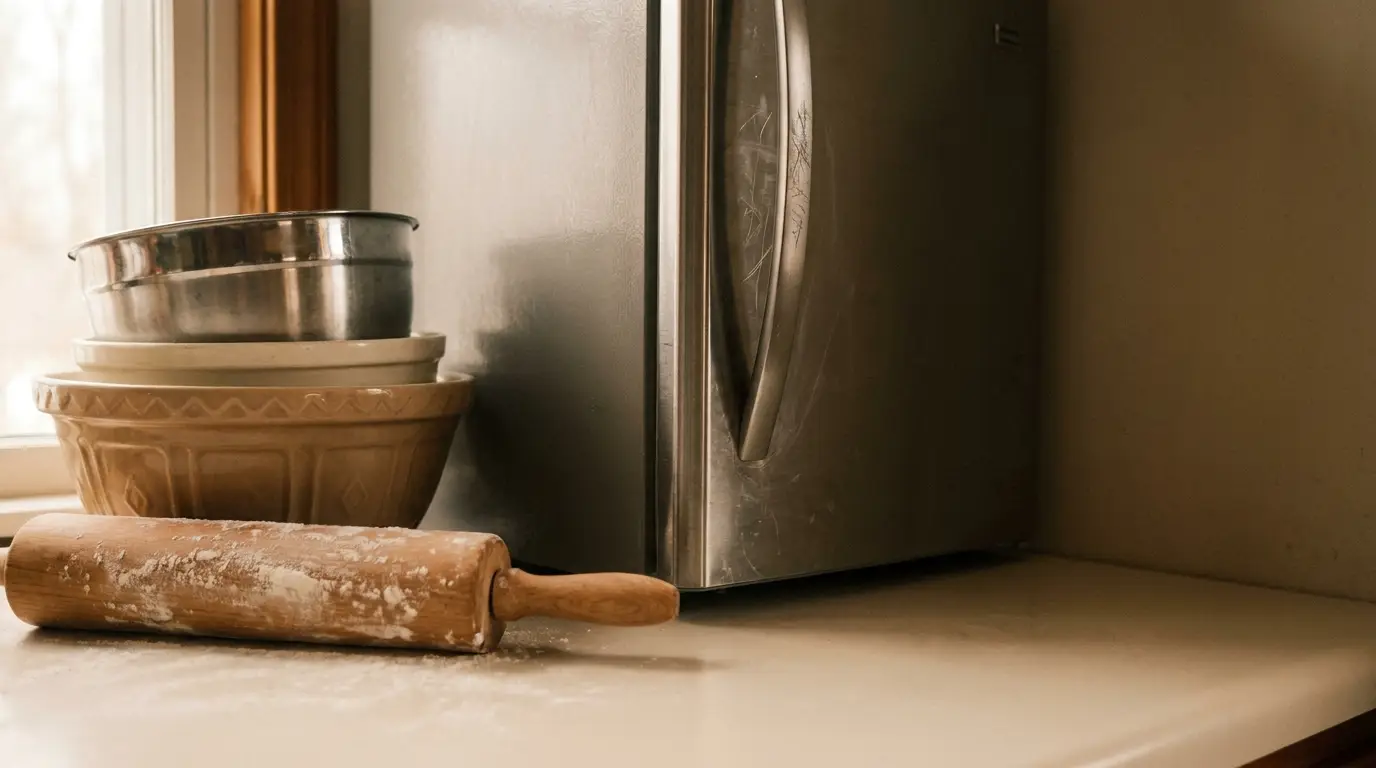
At first, everything fits. Then it… doesn’t.
You’ve got dough in one spot, finished orders in another, ingredients tucked wherever there’s room. It works for a bit, but once orders pick up, it gets messy fast.
This is usually the point where people either scale or stall. Having better storage—especially cold storage—makes a difference. Something like an Empura commercial freezer can take pressure off your kitchen, especially if you’re prepping in batches or trying to stay ahead.
It’s not about going “all in” overnight. It’s just making things easier to manage.
Not Everything Keeps the Same
Some things are great fresh. Others actually hold up better if you prep them ahead.
Figuring that out takes a little trial and error. But once you know what freezes well, what needs to be same-day, and what falls somewhere in between, everything gets easier to plan.
It also cuts down on waste, which—let’s be honest—adds up quickly, especially when working on a limited edition line you need to get right the first time.
It’s Easy to Take On Too Much
Saying yes feels good in the beginning.
Every order feels like progress. But if you don’t set limits, it can get overwhelming fast. Late nights, rushed orders, never taking a work break.
It doesn’t have to be like that.
You can cap orders. Set pickup windows. Build in space for yourself.
This is supposed to be something you enjoy, not something that drains you.
A Few Small Systems Go a Long Way
You don’t need anything complicated.
Just keep track of orders somewhere consistent. Group similar bakes together. Give yourself a little structure so you’re not constantly scrambling.
Even small changes here can make the whole thing feel more manageable.
Let It Stay What You Want It to Be
Not every side hustle needs to turn into a full business.
Some people keep it small on purpose. Others grow into something bigger over time. There’s no right version.
If you’re figuring out how to turn something you love into something that also pays you back, you’re already on the right track.
If you’re into this kind of thing—creative projects, home-based ideas, ways to make something your own—check out the rest of our site for more inspiration and practical tips you can actually use.