Classic interiors have an enduring appeal that transcends design trends. From grand staircases to finely detailed moldings, these spaces feel grounded, elegant, and intentionally crafted. Among the many architectural details that define traditional interiors, railings play a surprisingly powerful role. Often seen as a functional necessity, traditional railings are in fact a form of trim and millwork that can elevate an entire space when designed thoughtfully.
Traditional railings connect levels, frame views, and guide movement, but their visual impact goes far beyond safety. They serve as sculptural elements that reflect craftsmanship, proportion, and architectural heritage.
Railings as Architectural Storytellers
In classic interiors, every detail tells a story. Railings are no exception. Whether lining a staircase, balcony, or landing, traditional railing designs often echo historical influences such as Georgian, Colonial, Victorian, or Mediterranean styles. Turned balusters, carved newel posts, and gently profiled handrails reference centuries-old techniques that were perfected long before mass production.
These elements add depth and narrative to a space. A staircase with traditional railings feels ceremonial, inviting occupants to slow down and appreciate the journey between floors rather than rushing past it.
Craftsmanship That Enhances Millwork
One of the defining qualities of traditional railings is the level of craftsmanship involved. Unlike minimalist or modern railing systems, traditional designs rely on carefully shaped profiles, joinery, and finishing techniques. This makes them a natural extension of other millwork features such as crown molding, wainscoting, window casings, and door surrounds.
When railings share similar wood species, finishes, or detailing with surrounding trim, the interior feels cohesive and intentional. This harmony reinforces the sense of quality and permanence that classic interiors are known for.
Materials That Age Gracefully
Traditional railings are often made from solid wood, wrought iron, or a combination of both. These materials not only feel substantial but also age beautifully. Over time, wood develops character, and iron gains patina, enhancing rather than diminishing their appearance.
In classic interiors, this natural aging is part of the charm. Instead of looking outdated, traditional railings grow richer and more expressive with use, reinforcing their timeless quality.
Elevating Staircases Into Focal Points
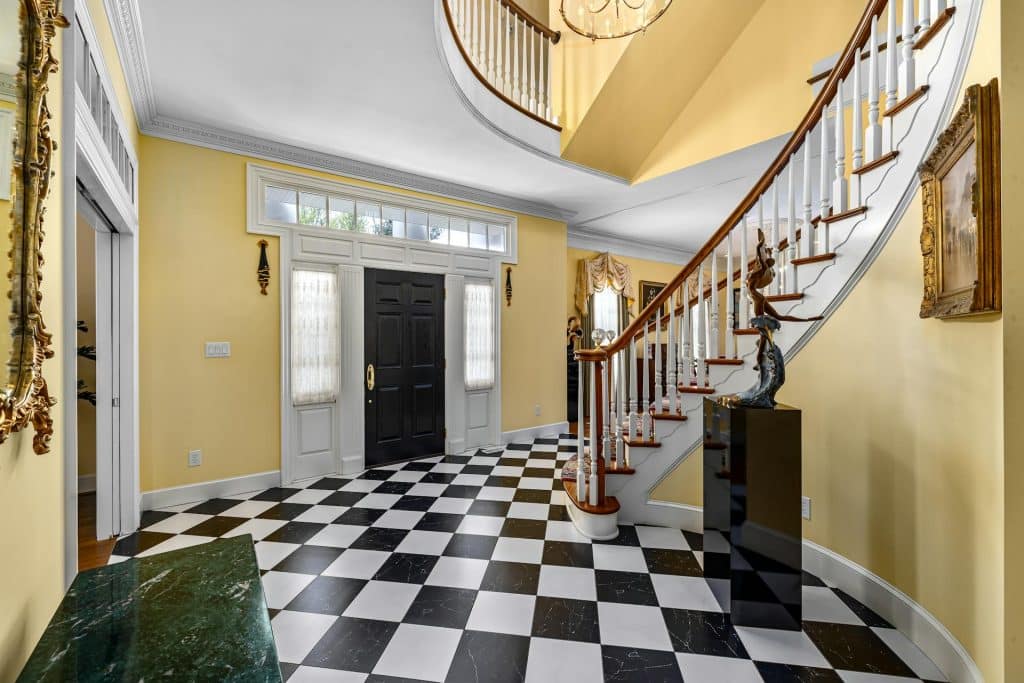
Staircases are frequently the centerpiece of traditional homes, and railings play a central role in that visual impact. A well-proportioned railing with elegant balusters and a strong handrail can transform a simple stair into a statement feature.
Curved staircases, volutes, and detailed newel caps draw the eye upward, adding vertical drama and architectural rhythm. Even straight staircases benefit from traditional railing designs that introduce texture and visual interest without overwhelming the space.
Subtle Luxury Through Detail
Luxury in classic interiors is often understated. Rather than bold colors or experimental forms, it is expressed through detail and proportion. Railings embody this philosophy perfectly. A softly rounded handrail, a delicately turned baluster, or a hand-carved newel post conveys refinement without excess.
These details may not immediately catch the eye, but they contribute to an atmosphere of quiet elegance. This is especially effective in homes where simplicity and tradition are balanced carefully.
Adaptability Within Classic Design
While traditional railings are rooted in historical styles, they are remarkably adaptable. They can be customized to suit different scales and layouts, from grand mansions to compact townhomes. Adjusting baluster spacing, profile thickness, or ornamentation allows designers to maintain a classic feel without making a space feel heavy or dated.
Understanding how traditional railing components integrate with surrounding trim and millwork helps designers achieve this balance. The result is a space that feels authentic rather than themed.
Creating Continuity Across Spaces
Traditional interiors often rely on repetition and continuity to feel cohesive. Railings help achieve this by visually connecting floors and rooms. When the same railing design or finish appears on staircases, balconies, and landings, the home feels unified.
This continuity reinforces architectural flow and enhances the overall experience of moving through the space. It also helps larger homes feel more intimate and connected.
A Timeless Investment
Beyond aesthetics, traditional railings add long-term value to a home. Their durability, classic appeal, and association with quality craftsmanship make them a wise investment. Unlike trend-driven design elements, they rarely feel outdated and often become selling points in resale.
Homeowners who prioritize traditional railings are choosing design elements that respect architectural history while offering lasting beauty and function.
Final Thoughts
Traditional railings are far more than safety features. As an integral part of trim and millwork, they shape how classic interiors look, feel, and function. Through craftsmanship, material quality, and thoughtful design, they elevate everyday spaces into timeless environments that feel both elegant and enduring.
In classic interiors, it is often the details that matter most. Traditional railings prove that when form, function, and craftsmanship come together, the result is truly timeless.