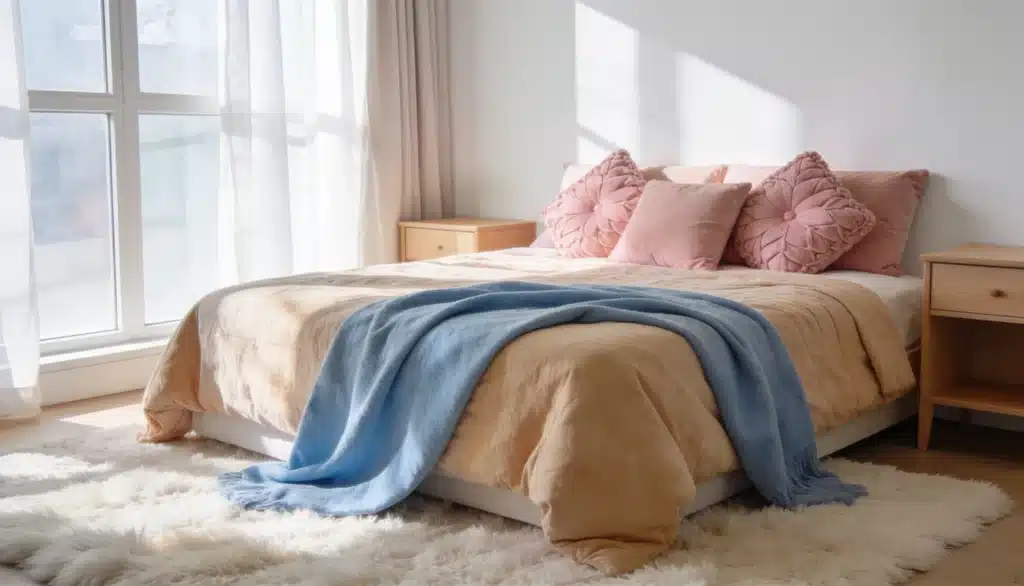
Choosing the perfect bedroom wall color might sound simple.
Well, in reality it isn’t.
If the colors are too bold, the room might give you a headache; if they’re too safe, it looks flat and forgettable.
But this year has some incredible color design trends.
In this blog, I’ll walk you through the bedroom wall colors that are trending right now and can work in any style, on any budget, and in any room.
Colors for Your Space and Needs
Below is a list of colors showing up everywhere in 2026, in interior design forecasts, paint brand reports, and real homes.
1. Warm Terracotta

Terracotta is earthy, grounded, and full of warmth. It works especially well in bedrooms with natural wood furniture.
It’s not orange, nor brown; it sits right in between, and that’s exactly why people love it.
2. Sage Green

Sage green has been popular for a few years now, and it’s not going anywhere.
It’s soft, muted, and genuinely calming. And it is a solid choice for anyone who wants a natural feel without going too dark.
3. Dusty Blue

This is a soft, slightly greyed blue. Not bright, not bold, just quiet and restful.
It works in both small and large bedrooms. Great with white, cream, or warm wood tones.
4. Warm White
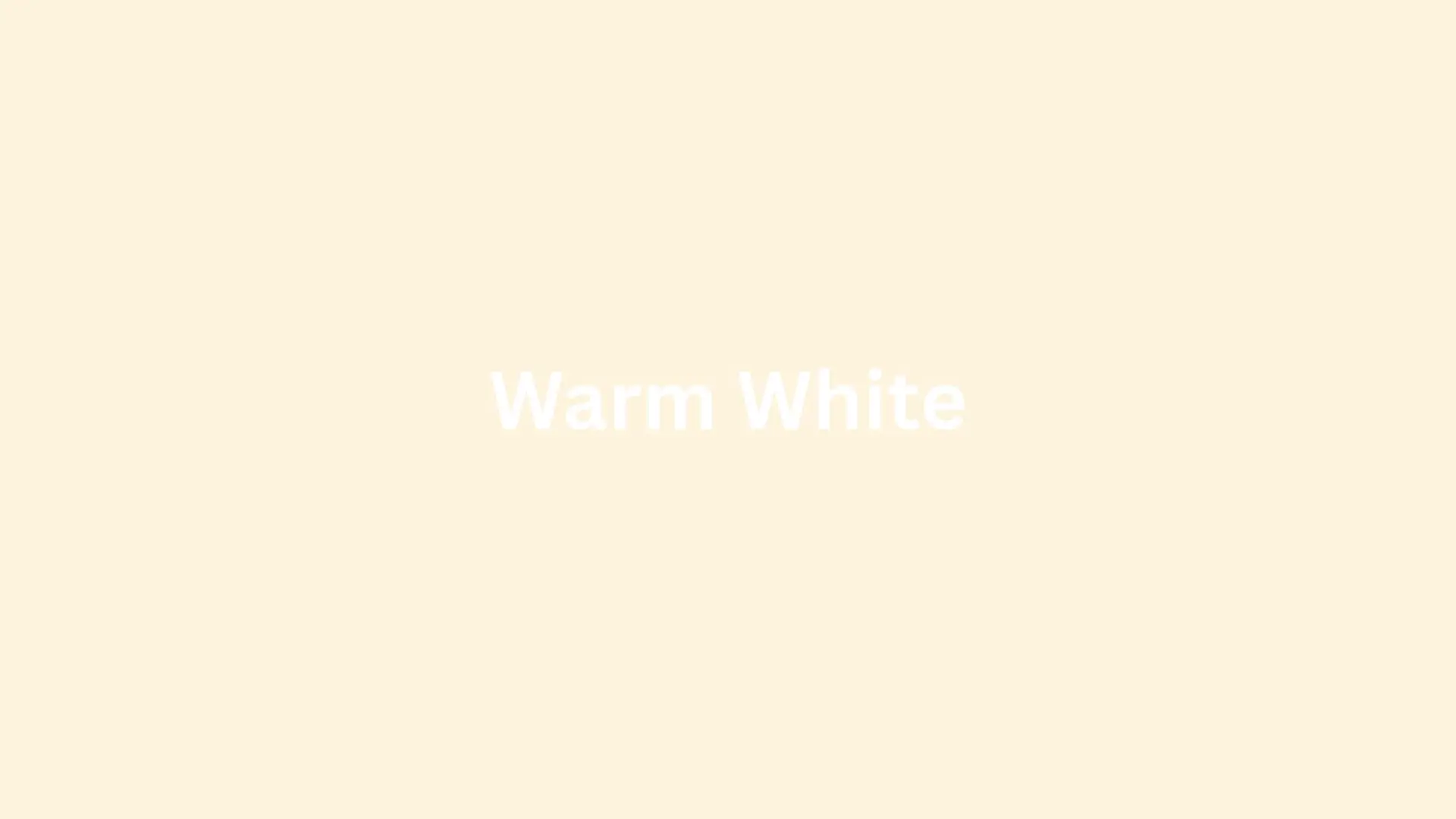
Not all whites are equal. Warm whites have a slight cream undertone that makes a room feel lived-in and comfortable.
This color makes it much easier to live with than a harsh, stark white.
5. Moody Navy

Navy is having a serious moment.
On a feature wall or all four sides, it creates a deep, cocooning feeling. It works best in rooms with good natural light or warm artificial lighting.
6. Soft Blush
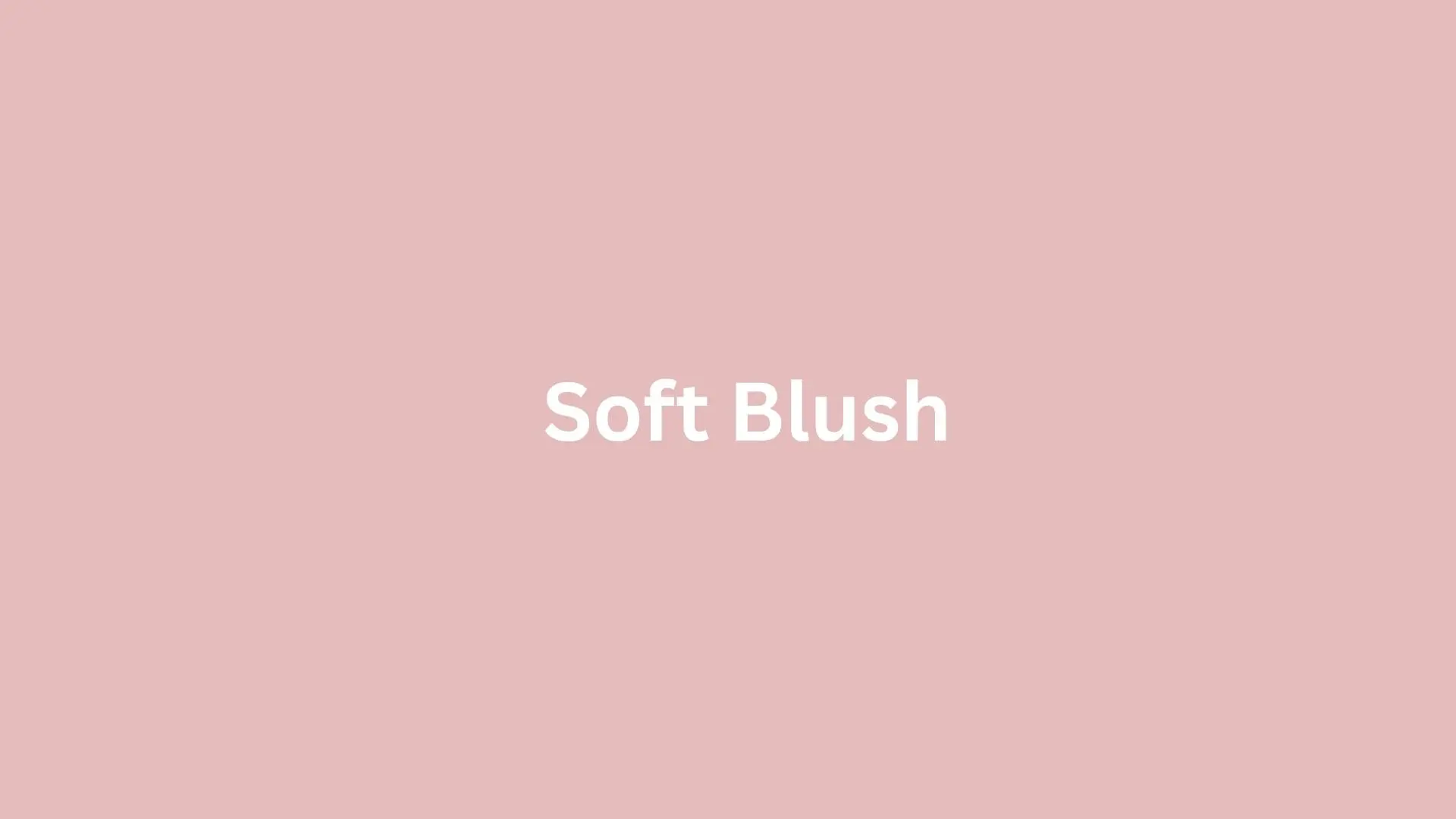
Blush pink has now matured. The 2026 version is much softer, less candy-pink, and more of a faded rose tone.
It adds warmth without feeling too bold and works well in smaller bedrooms.
7. Charcoal Grey

Charcoal grey is bold but balanced. It adds depth to a room and works well with almost any other color.
It can feel heavy if overdone, so pairing it with lighter bedding and flooring helps a lot.
8. Olive Green
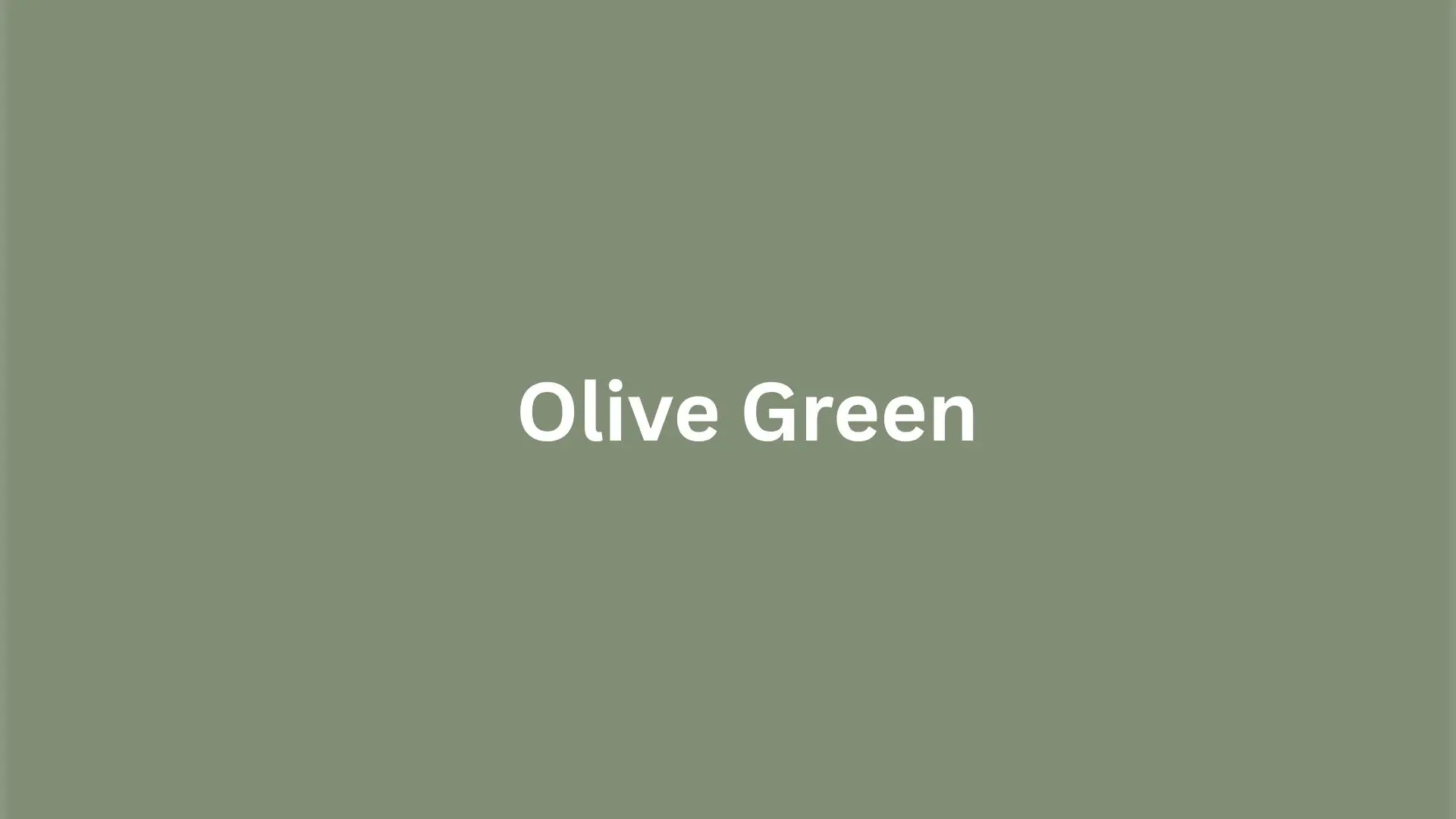
Olive green sits between green and brown, which makes it incredibly easy to style.
It feels organic and warm. Works well with terracotta accents, cream tones, and dark wood.
9. Warm Taupe

Taupe is the safe option that actually looks great. It’s adaptable, eternal, and suits most lighting conditions.
It’s a go for anyone who wants a clean, calm space without overthinking it.
10. Deep Forest Green

Forest green is a richer, darker version of sage. It creates a strong, dramatic look, especially in larger bedrooms.
Pairs beautifully with brass fixtures, white trim, and wooden floors.
11. Soft Lavender
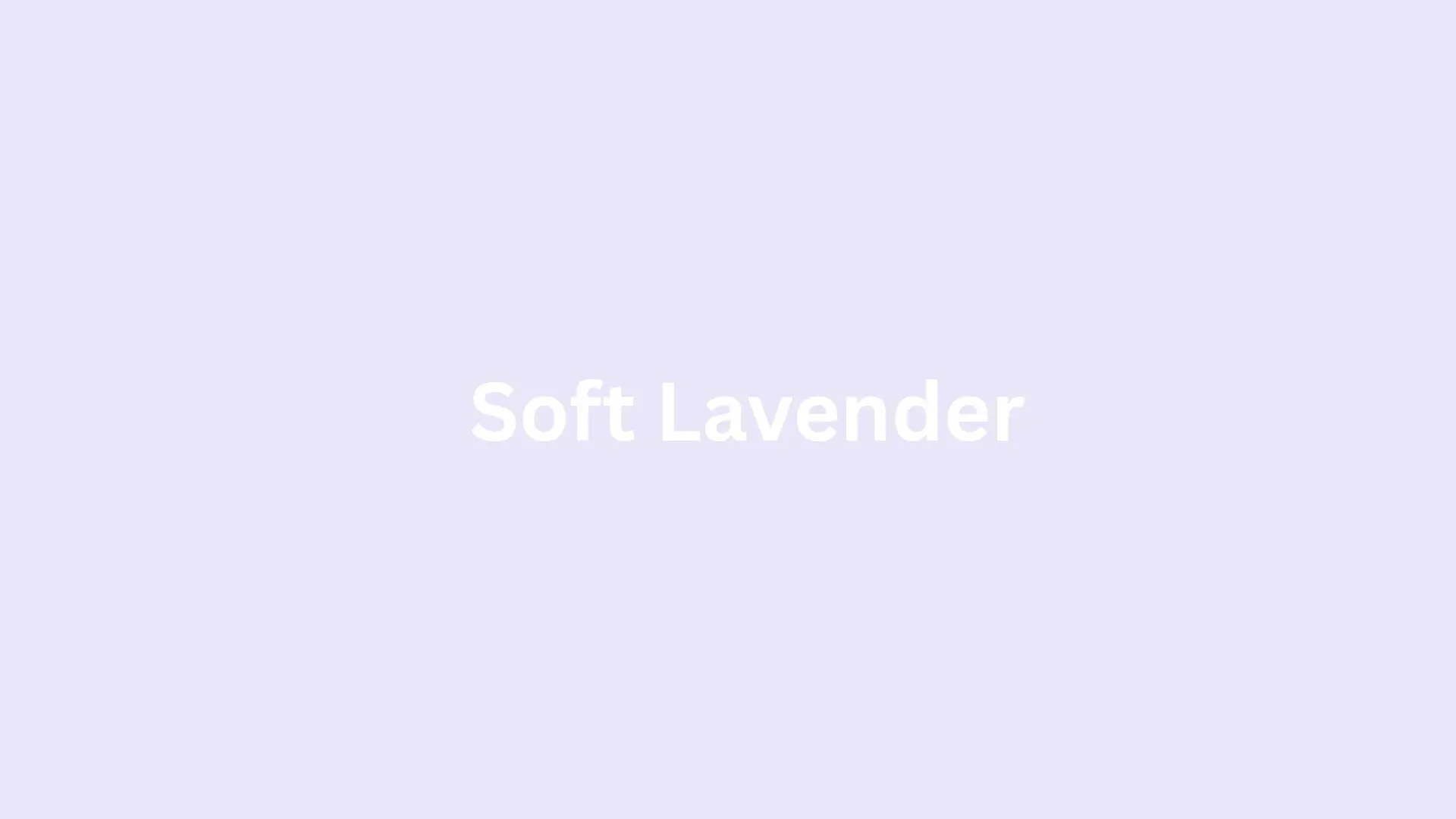
Lavender is gentle and quiet. Even studies suggest that purple-adjacent tones may support relaxation and sleep.
The 2026 version is very muted, almost a grey-lavender rather than a bright purple.
12. Caramel Brown
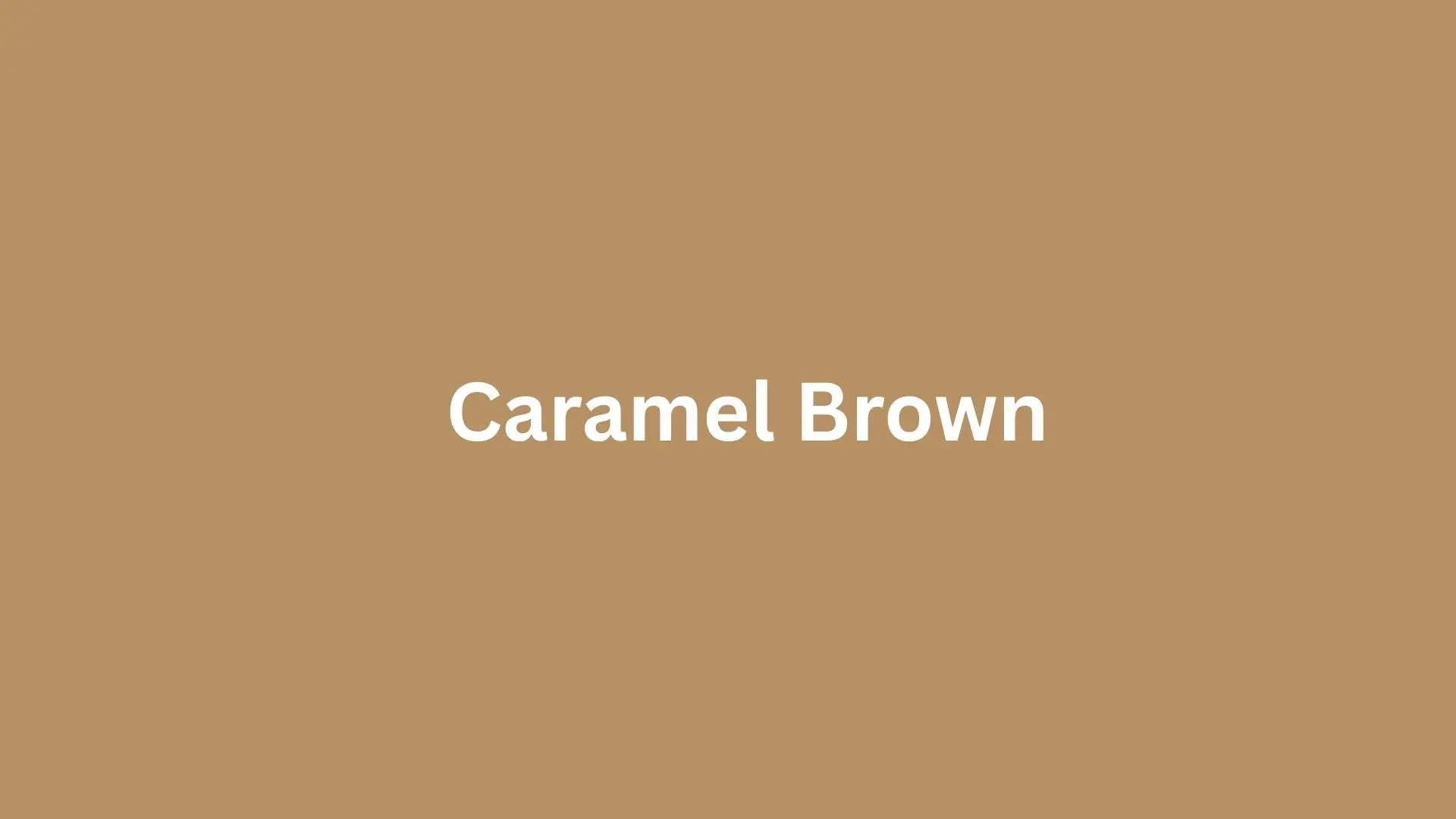
Warm, sweet, and surprisingly adaptable. Caramel walls make a bedroom feel like a retreat.
It works especially well with cream and off-white soft furnishings.
13. Off-White with Warm Undertones
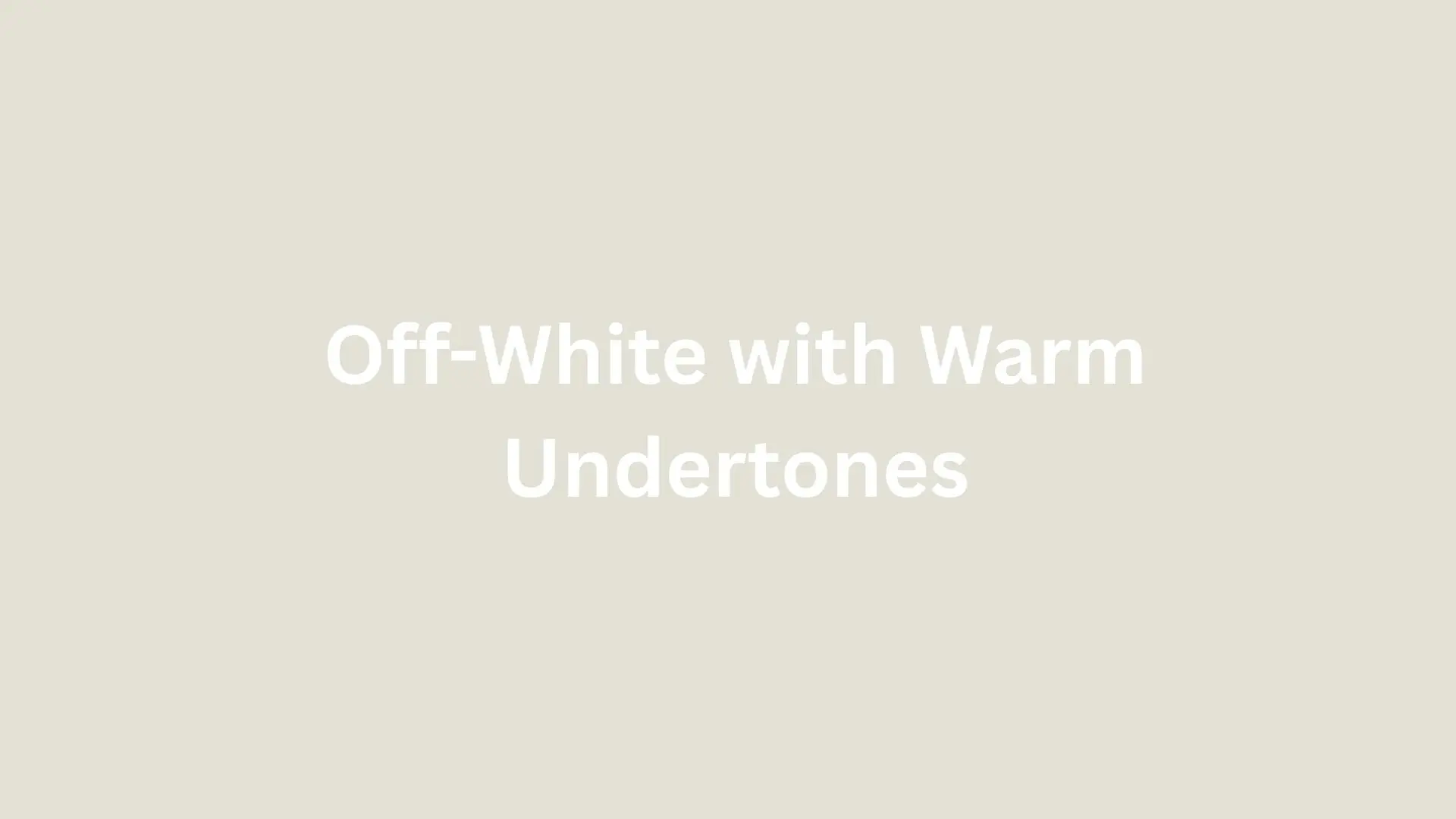
Very similar to warm white but slightly richer. Think of an old paper, parchment, or linen.
It’s subtle and graceful, and it works in virtually any bedroom, regardless of size or style.
14. Steel Blue

A cooler, more refined version of dusty blue. It has a slight grey base that makes it feel modern and composed.
Great for people who want something quieter than navy but stronger than pale blue.
15. Clay Pink
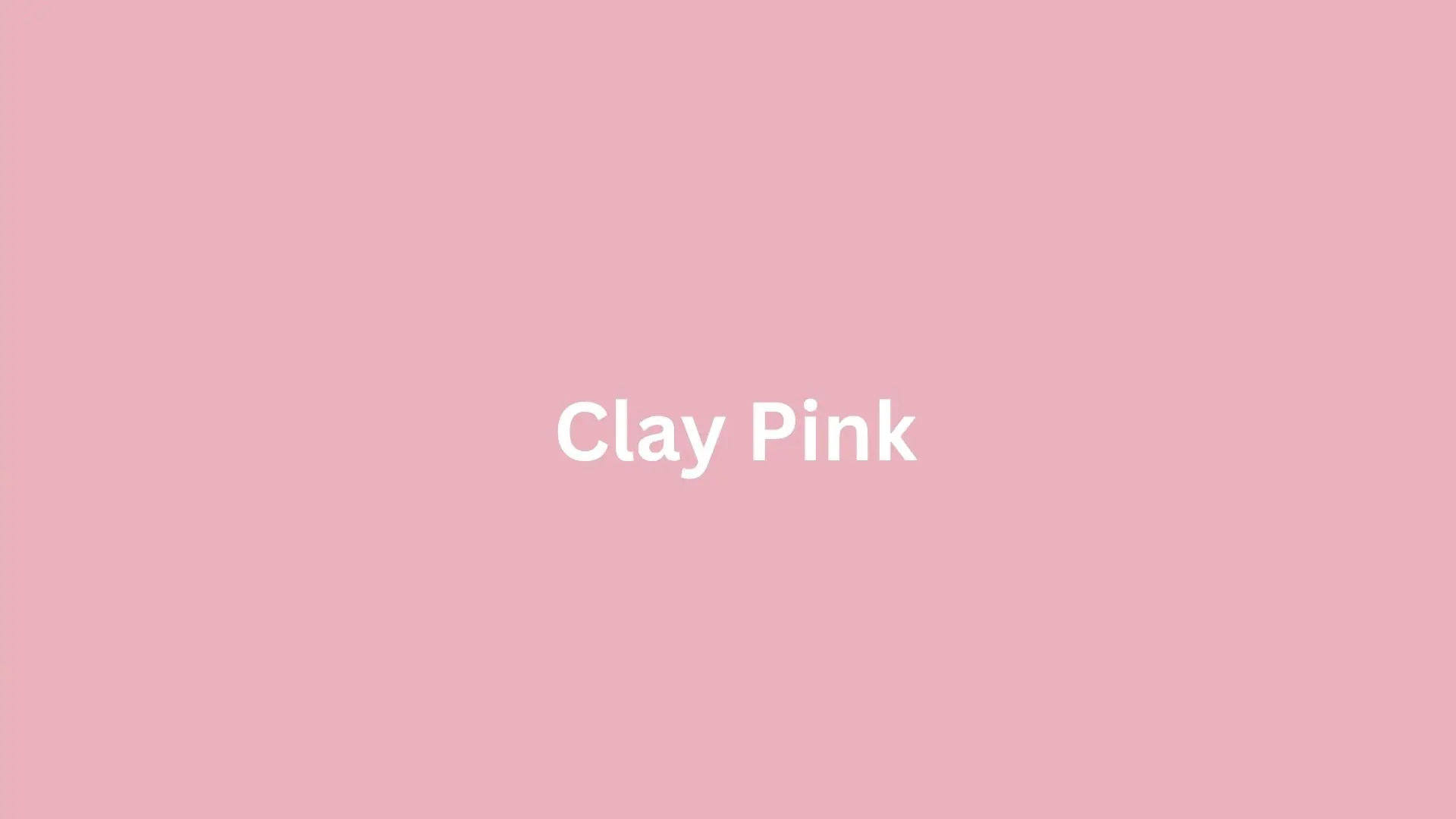
Clay pink is deeper than blush, more grounded, more earthy.
It has a terracotta quality that makes it feel warm and textured. Works very well on a single feature wall.
16. Butter Yellow

Butter yellow brightens up a room without being aggressive it is soft, warm, and full of quiet energy.
It works especially well in bedrooms with limited natural light.
17. Mushroom Grey
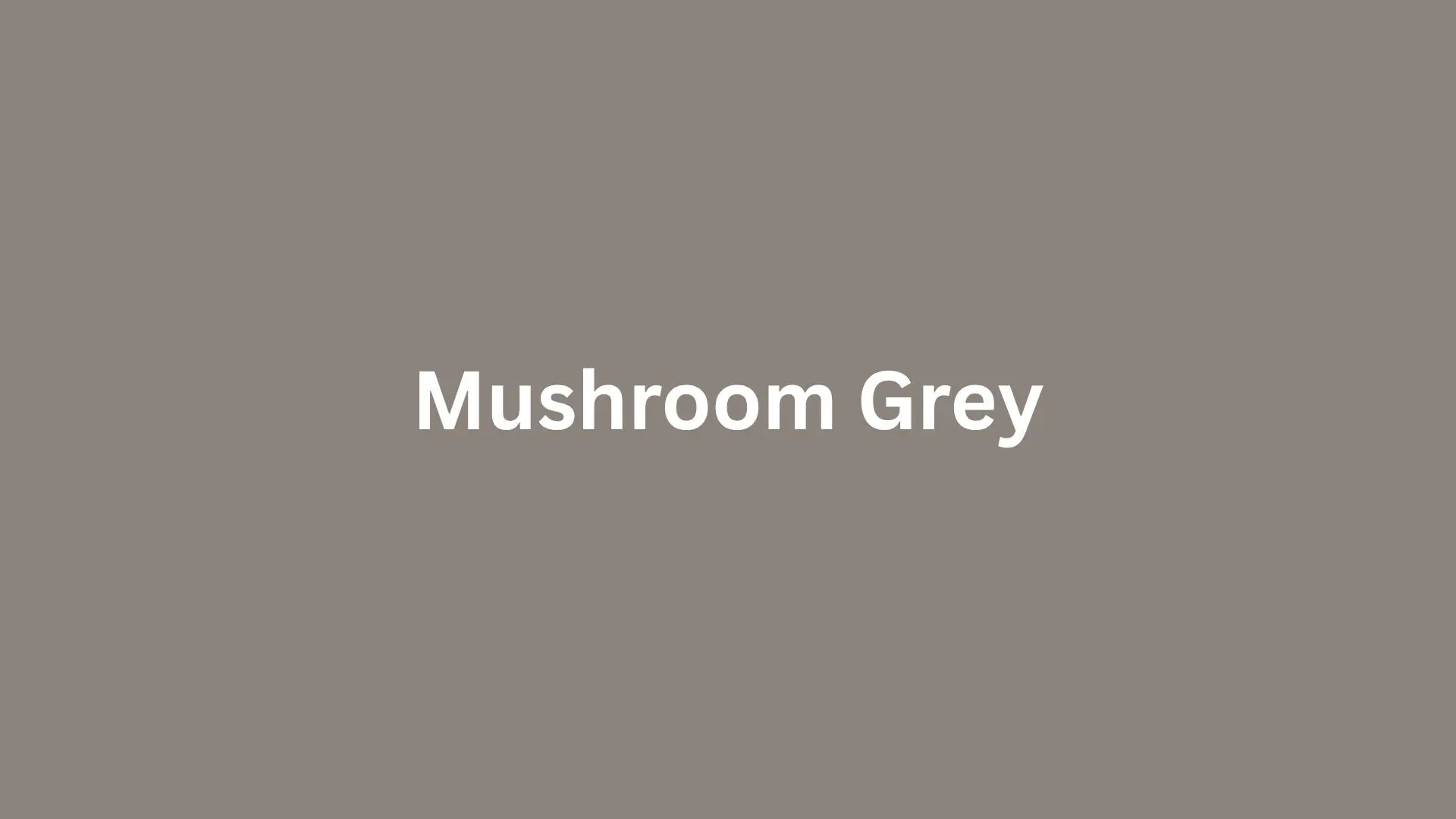
Mushroom is a warm grey with brown undertones.
It’s one of those colors that looks almost neutral but adds real character to a room and works with almost any furniture style.
18. Midnight Black

Black bedrooms are no longer just for the bold.
When they are paired with the right lighting and soft furnishings, a deep black wall creates a genuinely luxurious, hotel-like feel.
But it is best to use it on one accent wall rather than on all four sides.
19. Pale Mint
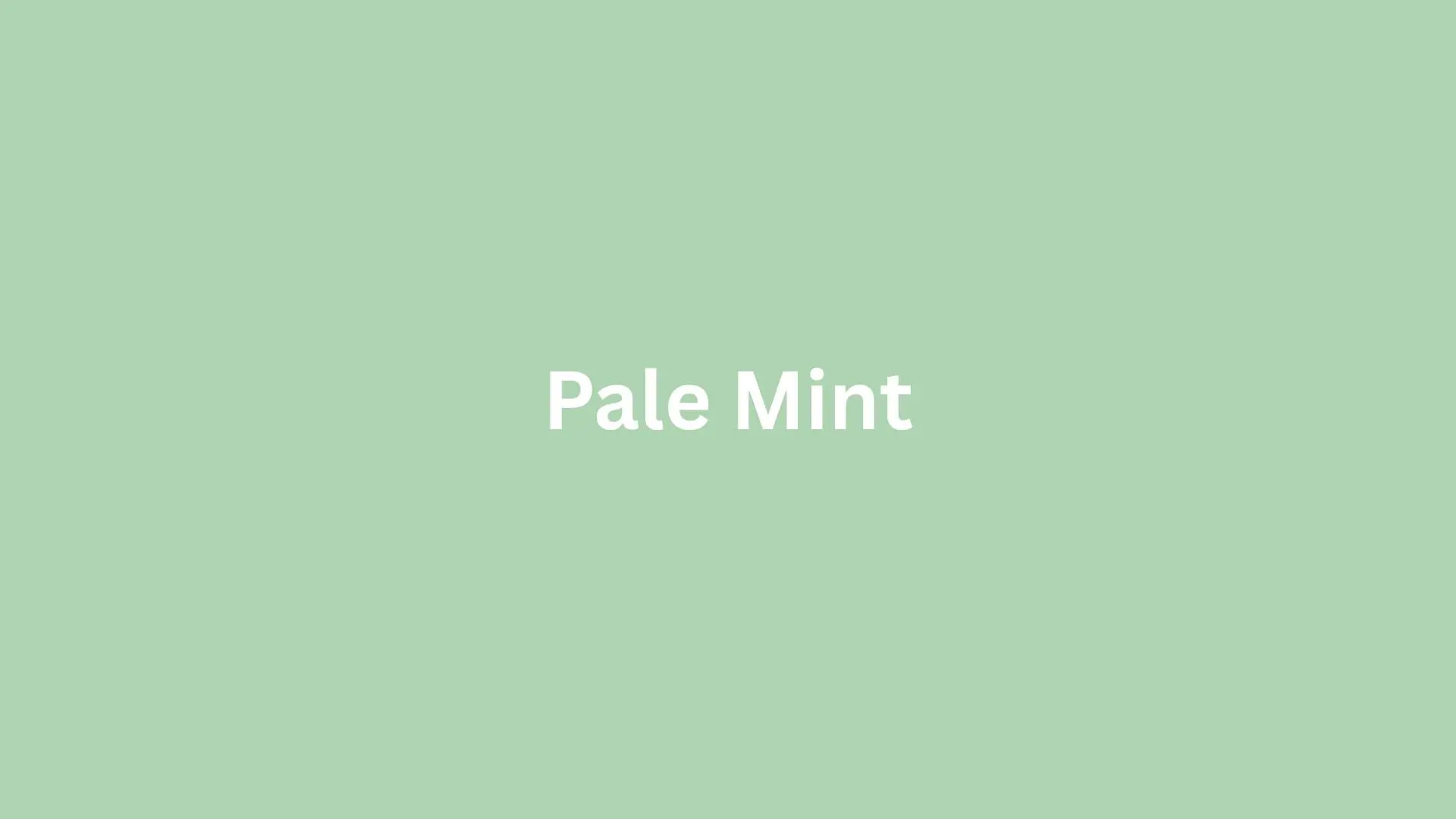
Light, airy, and fresh. Pale mint has a slight green-blue quality that makes a room feel clean and calm.
Works well in smaller bedrooms where the goal is to make the space feel larger.
20. Warm Rust

A step up from terracotta, rust is deeper and more intense. It adds drama without going as dark as charcoal or navy.
Looks great with cream, tan, and warm wooden furniture.
21. Greige (Grey + Beige)
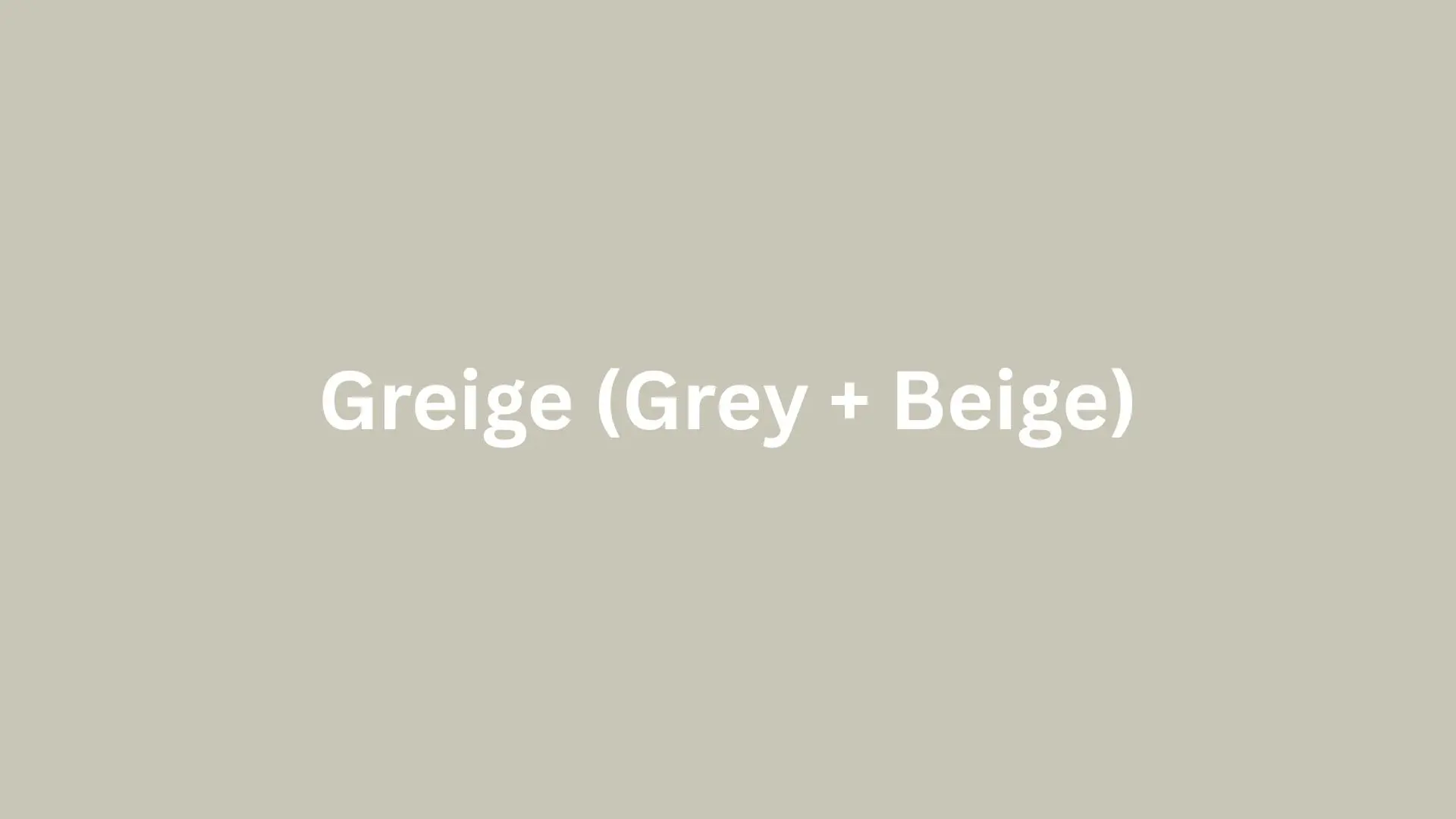
Greige color is one of the most popular neutral tones for a reason.
It picks up both warm and cool light well, making it reliable in almost any room. Simple, low risk, high reward.
22. Slate Blue-Grey
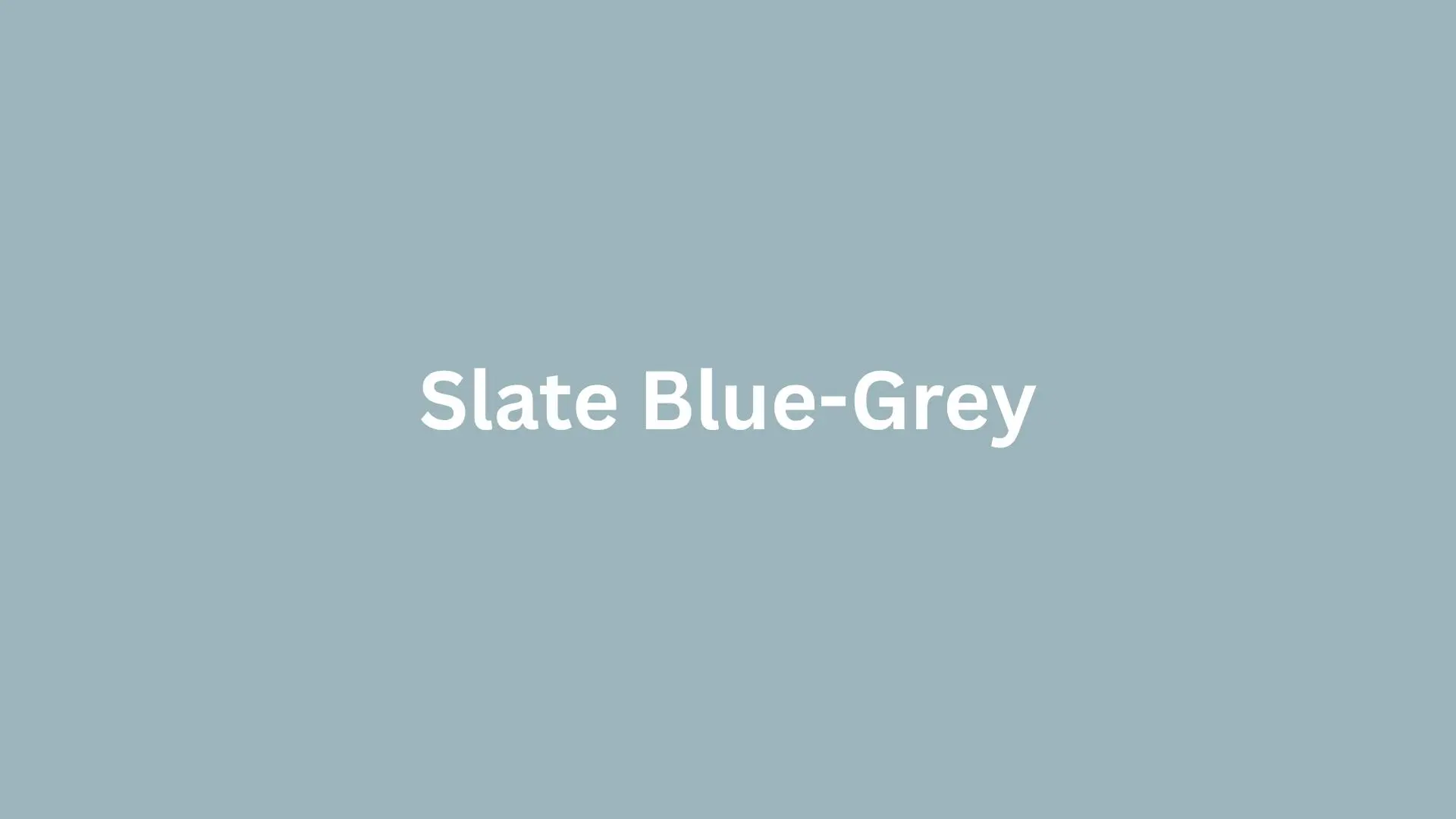
A cool-toned, muted blue-grey that feels collected and calm. It sits somewhere between dusty blue and steel blue.
Works particularly well in larger bedrooms or rooms with plenty of natural light.
Cozy, Calm Bedroom Paint Colors Palette
A bedroom should feel like a place to breathe and not just somewhere to sleep. Here is the list of colors doing that job best right now.
1. Soft, Muted Greens
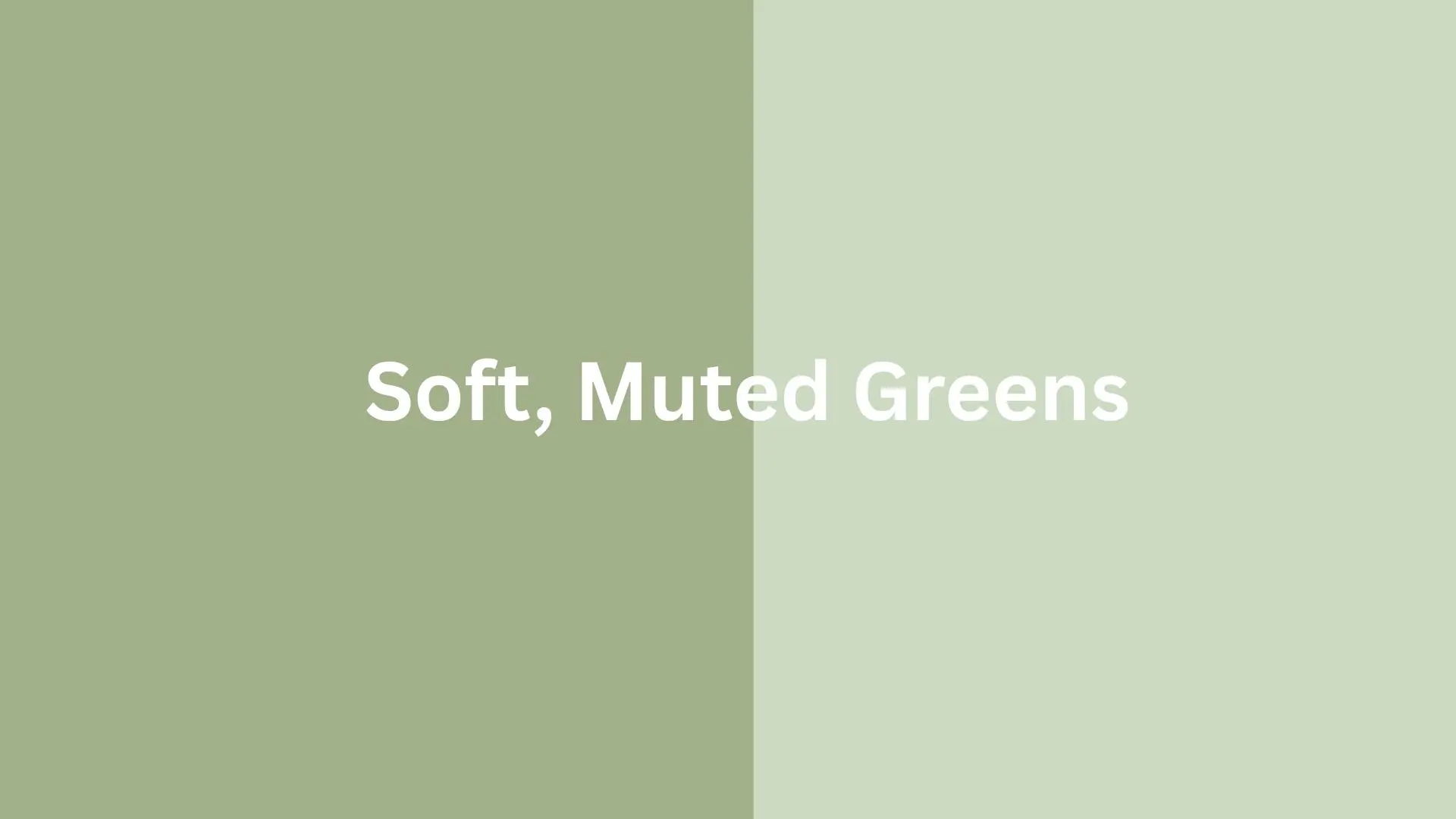
Soft greens include grayish greens, jades, and olives.
These are the bedroom colors designers and decor publications are calling the standout choice for 2026.
2. Warm Browns and Earthy Neutrals

Cocoa browns and warm earth tones are clearly here to stay.
Bedrooms need to feel more like sanctuaries, and that’s exactly why richer color palettes with warm browns are being introduced.
3. Whisper Greens, Muted Blues, and Warm Earth Hues
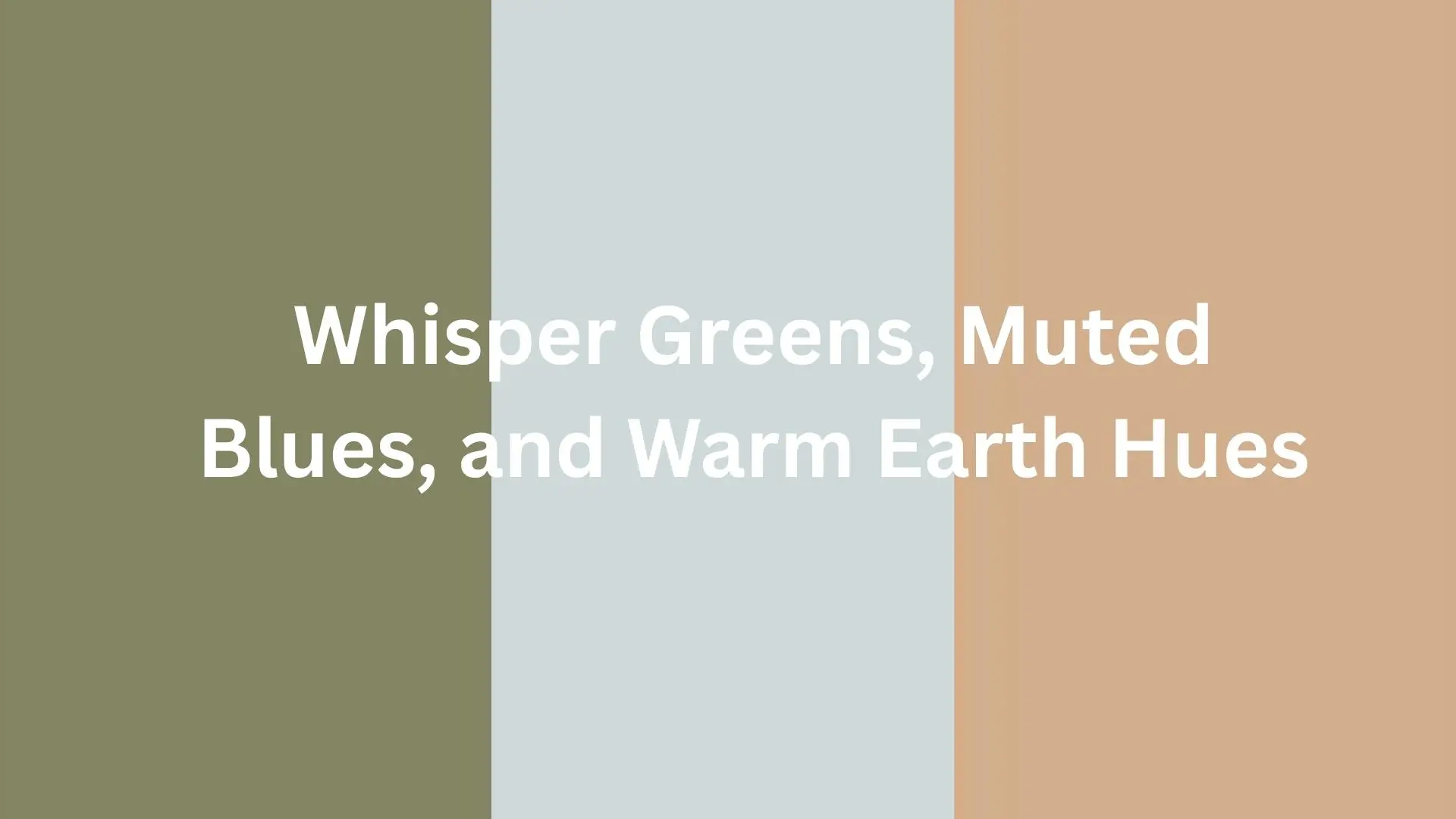
Nowadays, homeowners are gravitating toward bedroom paint colors that evoke calm and a sense of emotional connection.
Softer, more atmospheric tones are replacing bolder, colder shades, creating spaces that feel restorative and enduring.
4. Soft Blush and Pastel Pinks
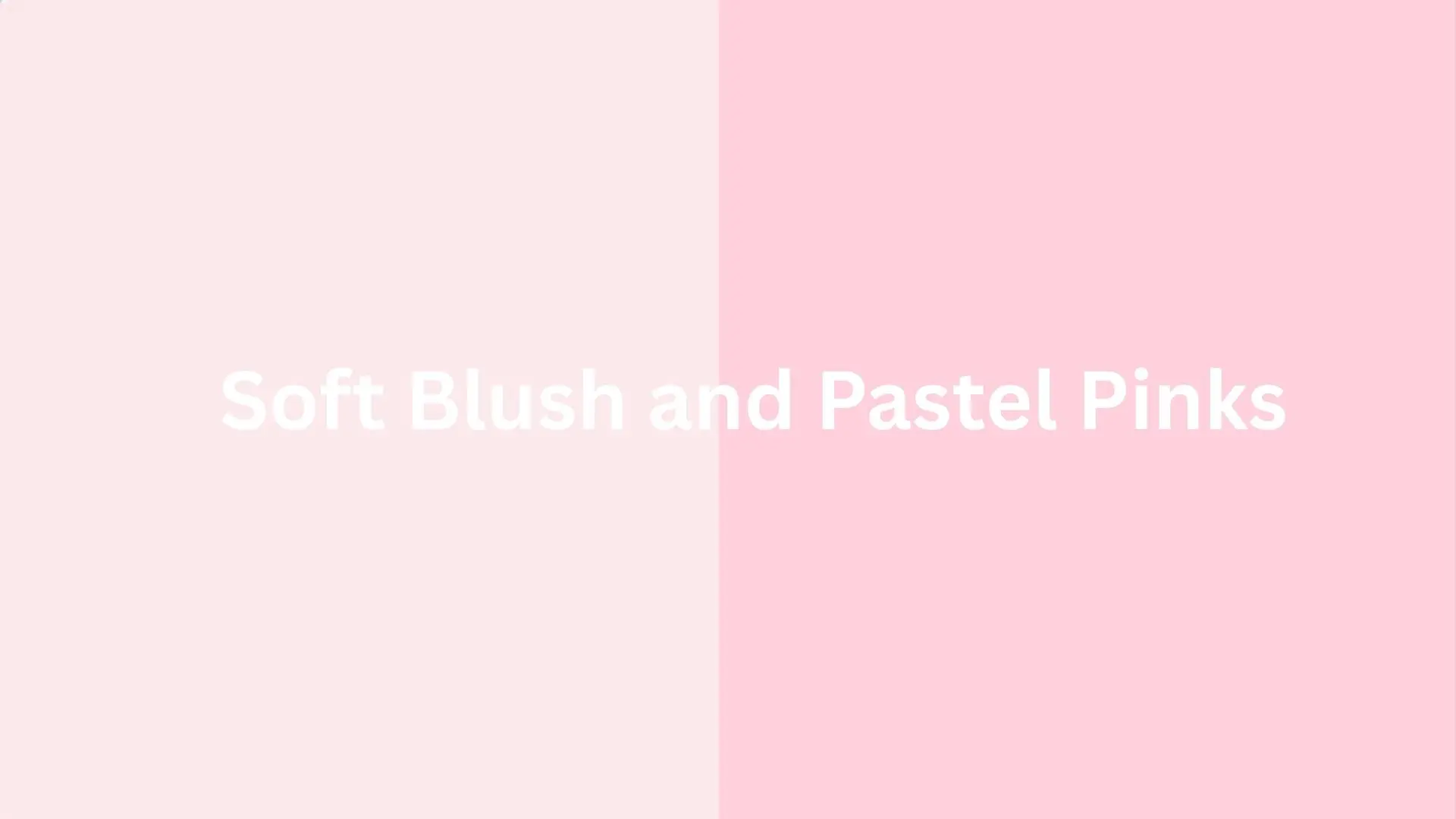
Pastel pinks spotted on 2026 fashion runways are making their way into bedrooms, too.
Pink walls are trending because the color is soft, calming, and perfect for spaces where relaxation happens.
5. Deep, Moody Tones
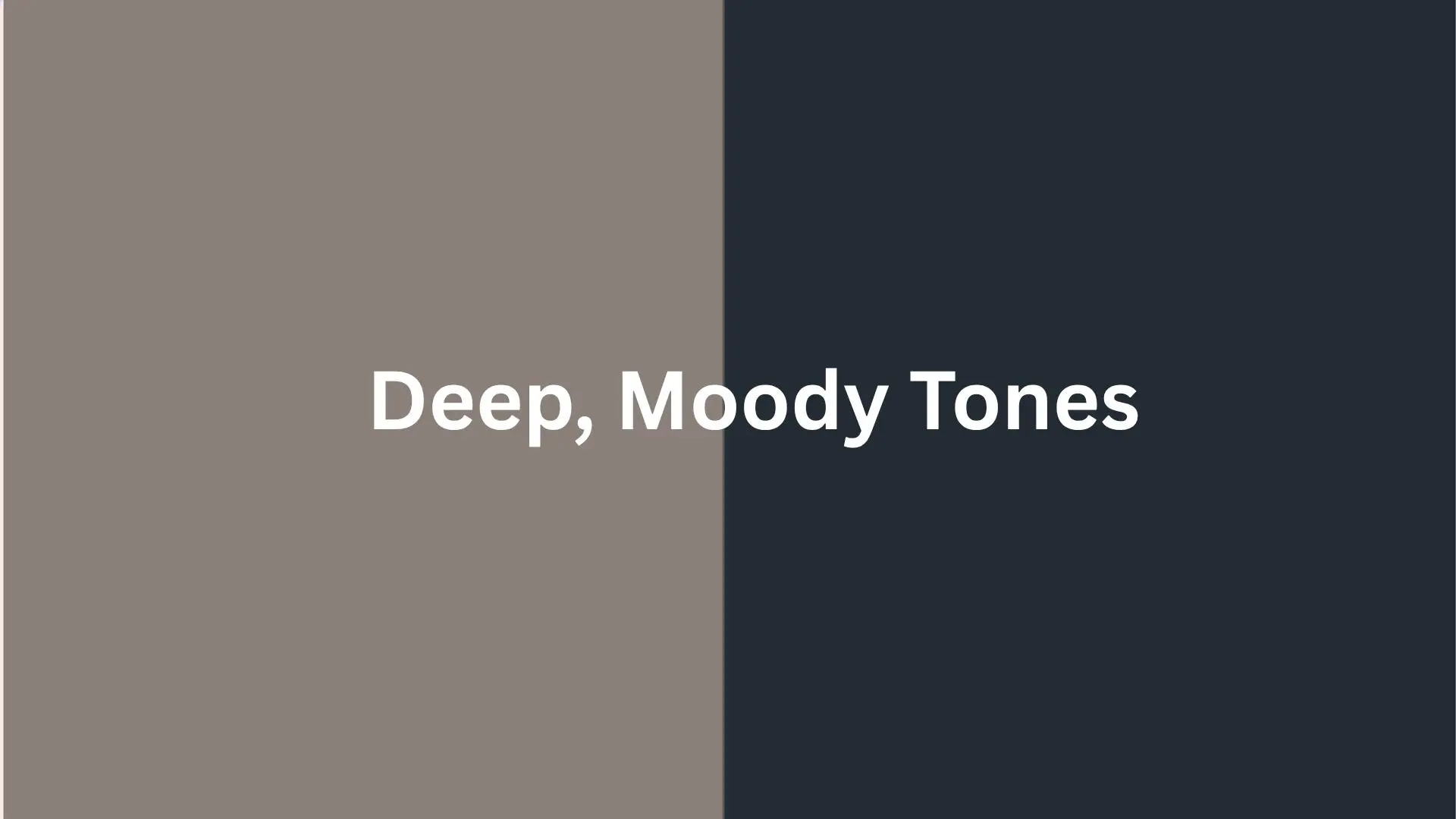
Not every calm color is light.
Earthy colors like warm clay, soft olive, and mushroom brown add mood and depth while still reading as calm and livable when the right tones are chosen.
Paint Colors for Small Bedrooms
A small bedroom doesn’t have to feel small.
The right paint color does a lot; it creates the illusion of deeper walls, taller ceilings, and an airy atmosphere throughout the room.
1. Creamy Off-White
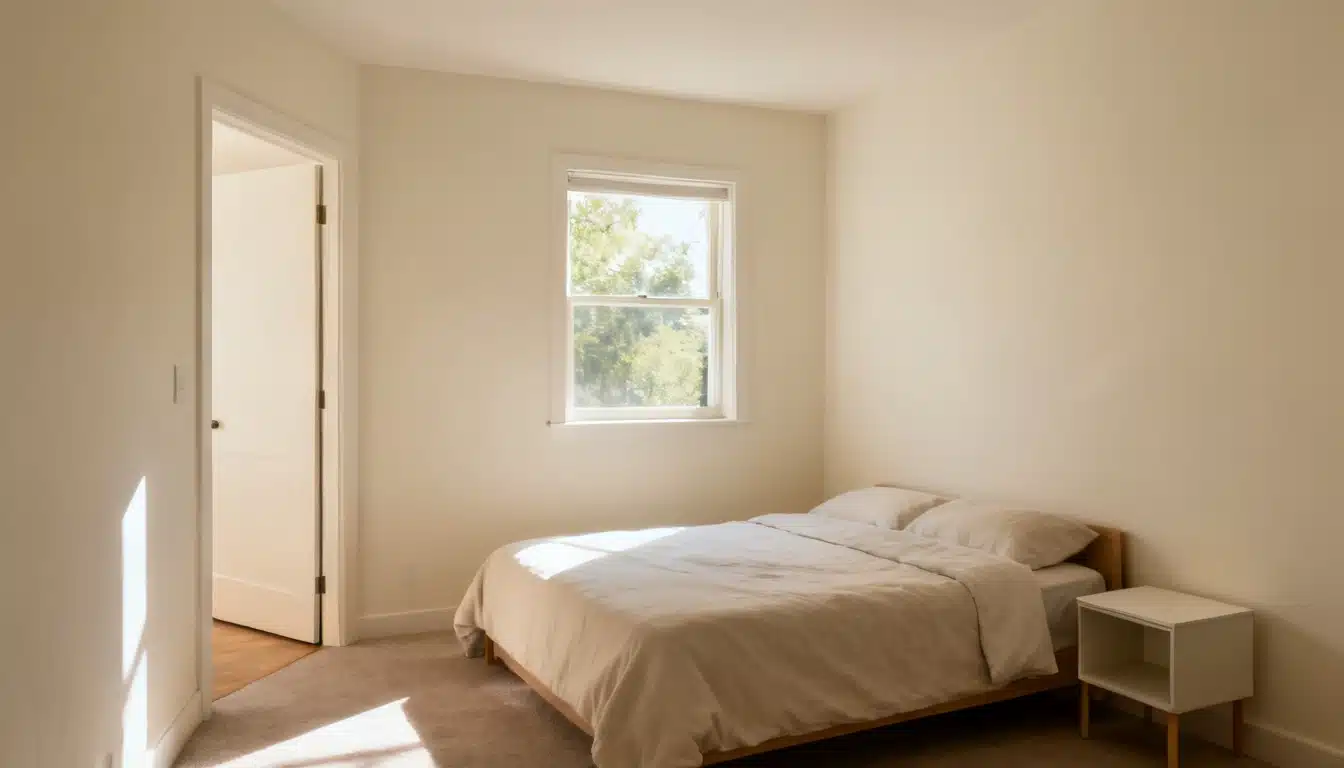
Plain bright white sounds like the obvious answer for a small room. But it’s not always the right one.
Creamy off-white with warm yellow or pink undertones hits different.
It makes ceilings feel higher and plays beautifully with natural wood and warm metals.
2. Soft Blue
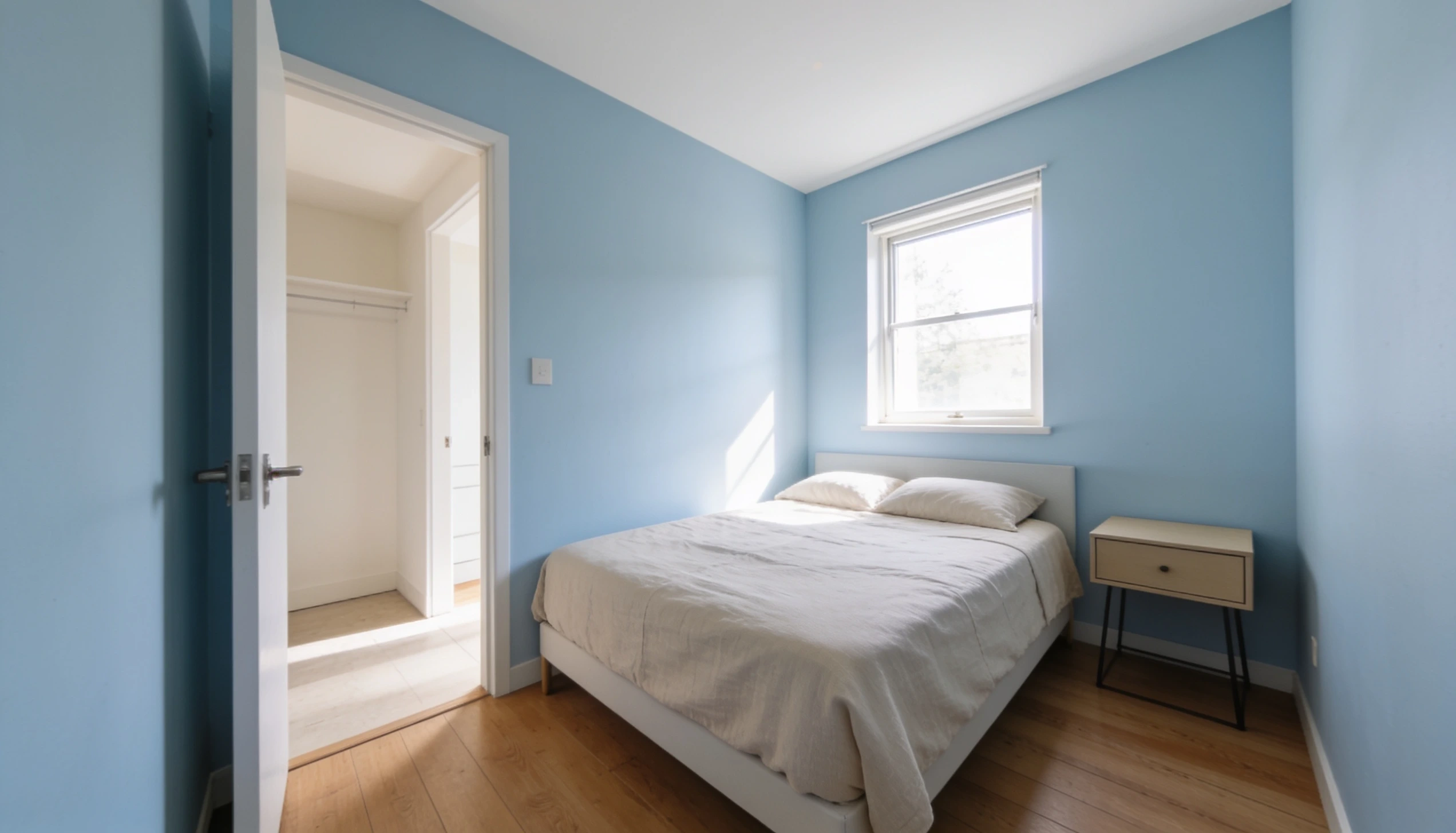
Soft, muted blues in the light-to-medium range give a small bedroom the refreshing quality of water or an open sky.
They feel serene yet spacious, just like their natural inspiration.
3. Soft Sage Green
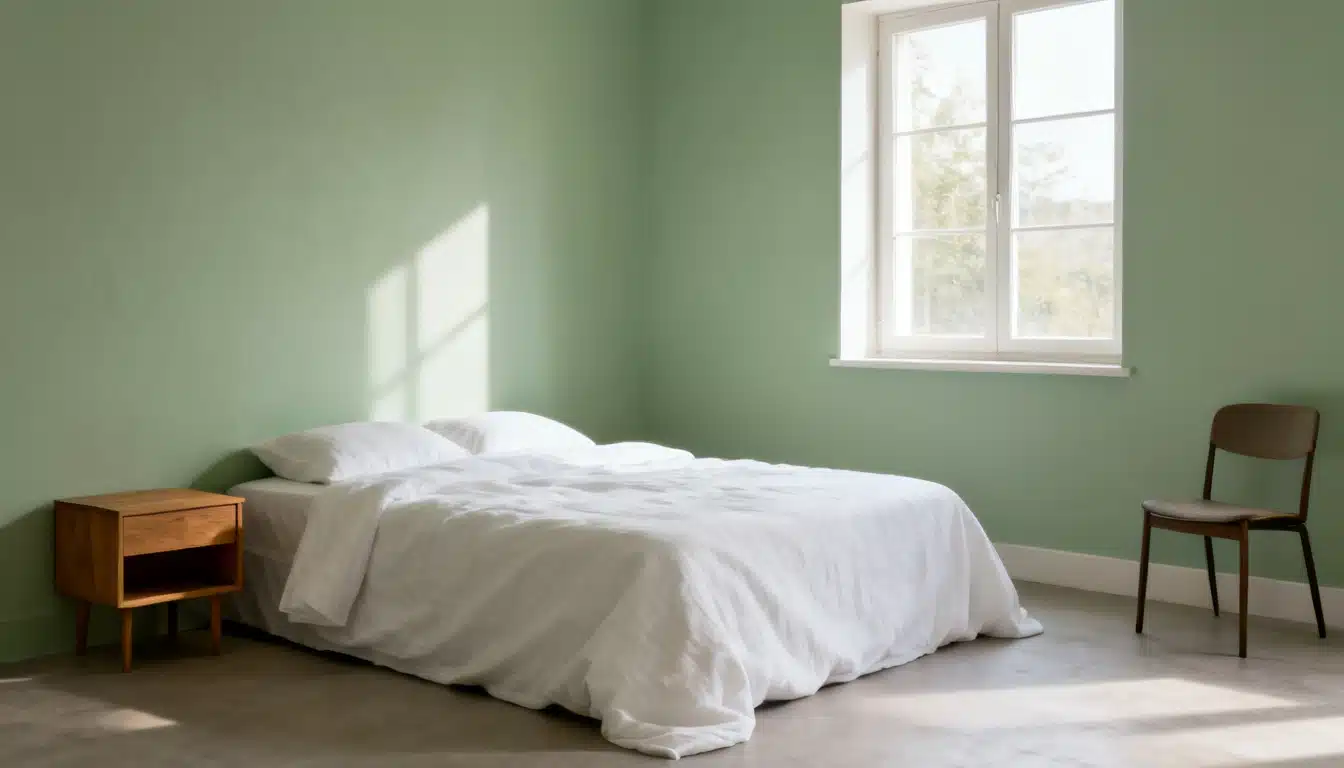
This shade hints at nature and has a grounding quality.
For a tiny room, the best approach is to apply sage on one wall rather than all four. It adds personality to a small room with balance.
4. Warm Taupe
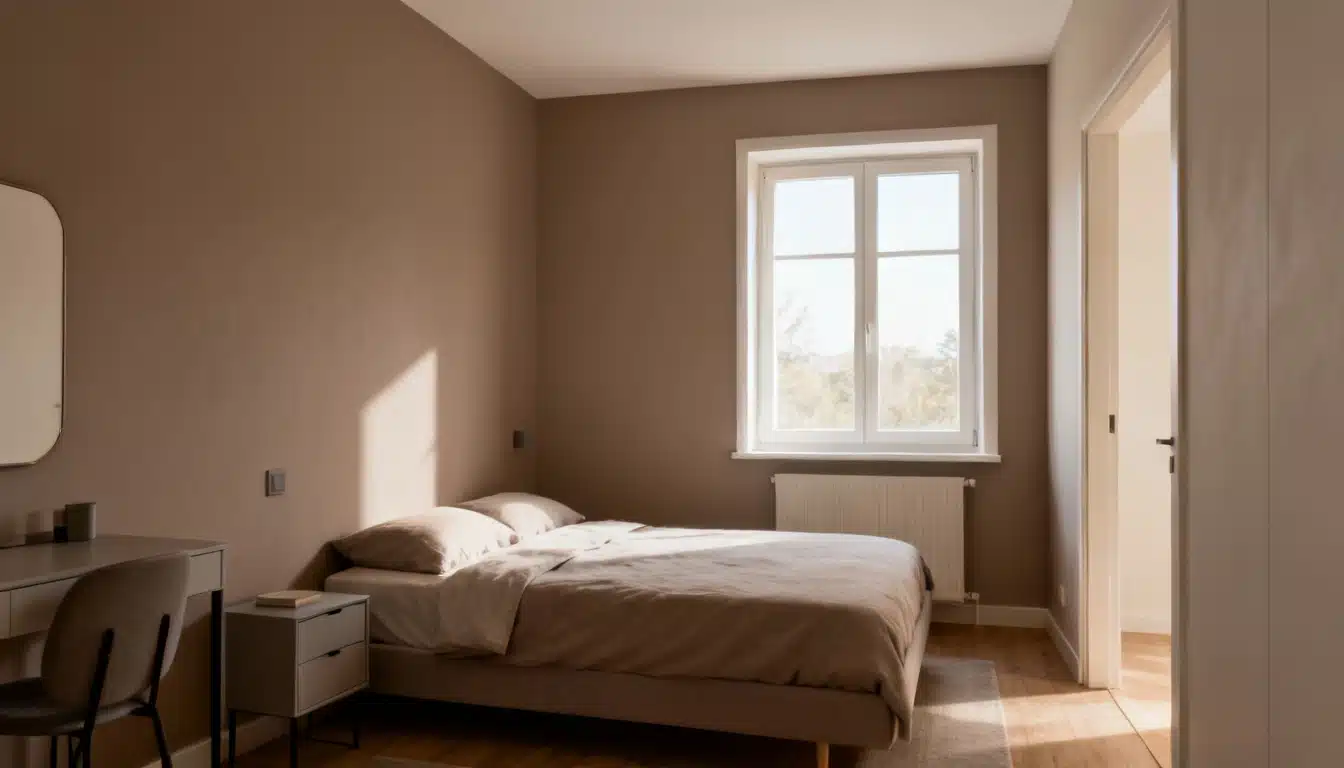
Light taupe is a great alternative for anyone who wants something neutral without the harshness of white.
It falls between beige and grey, which is warm enough to feel inviting, cool enough to feel composed.
5. Pale Blue-Green
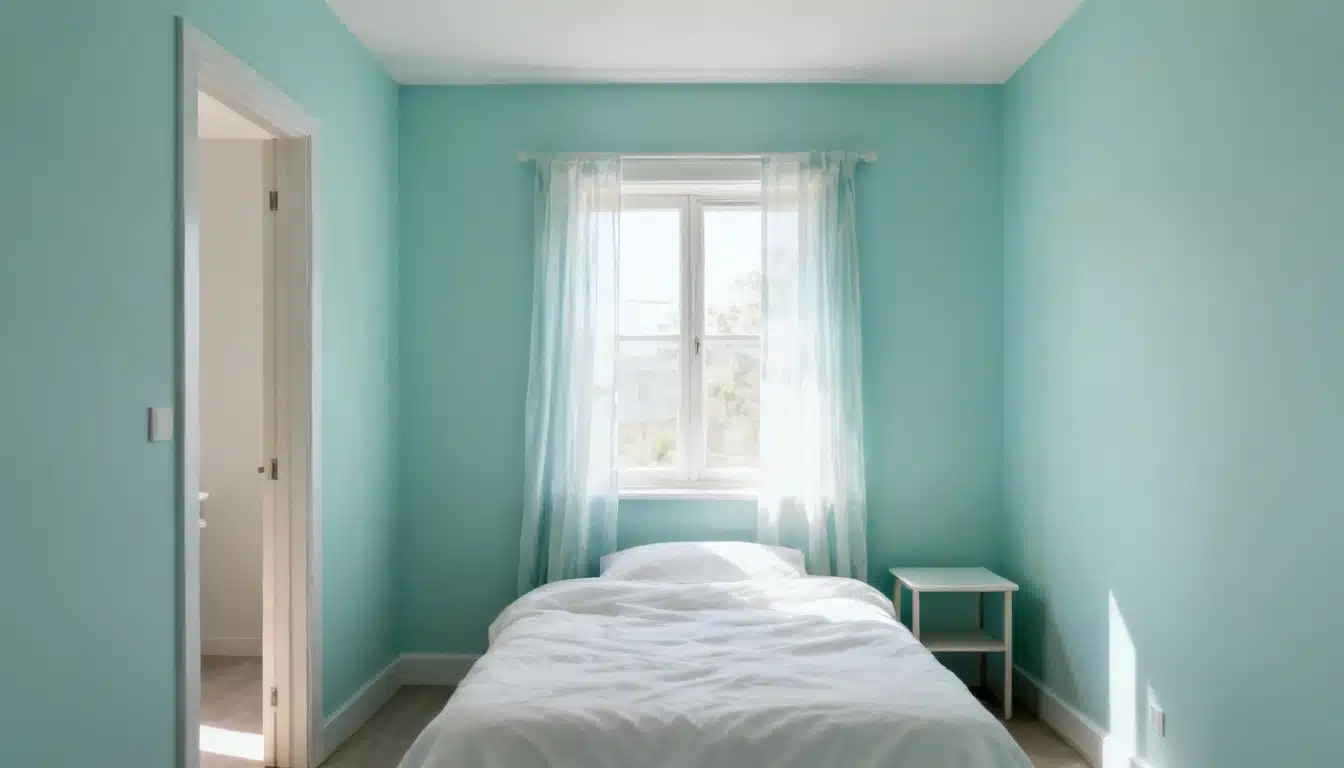
A soft blue-green is especially useful in awkward, narrow spaces, such as long, thin rooms or bedrooms that feel like corridors.
In those spaces, a warm neutral color just sits well.
6. Barely-There Blush
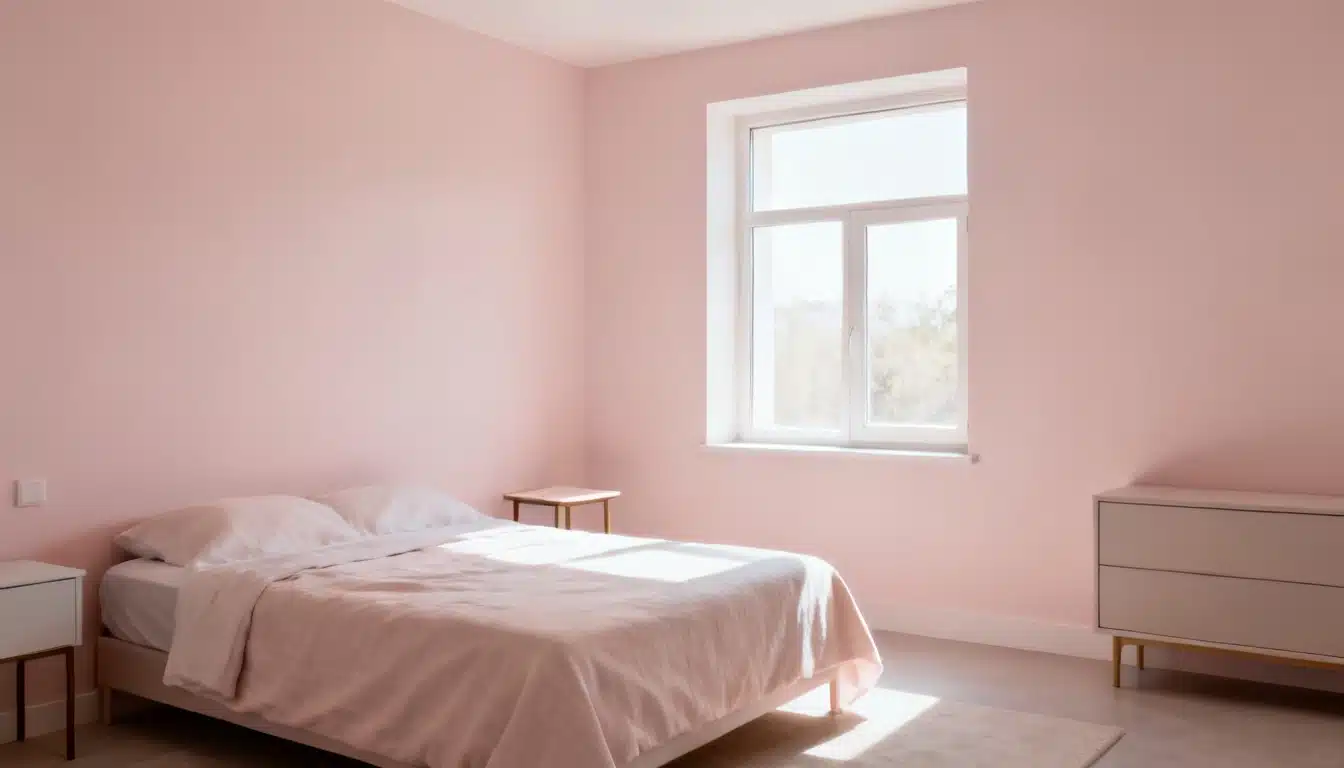
A barely-there blush is something so desaturated that it makes the space feel warmer and more human.
It does something in a small room that almost no other color does.
7. Deep Accent Wall (Feature Wall Only)
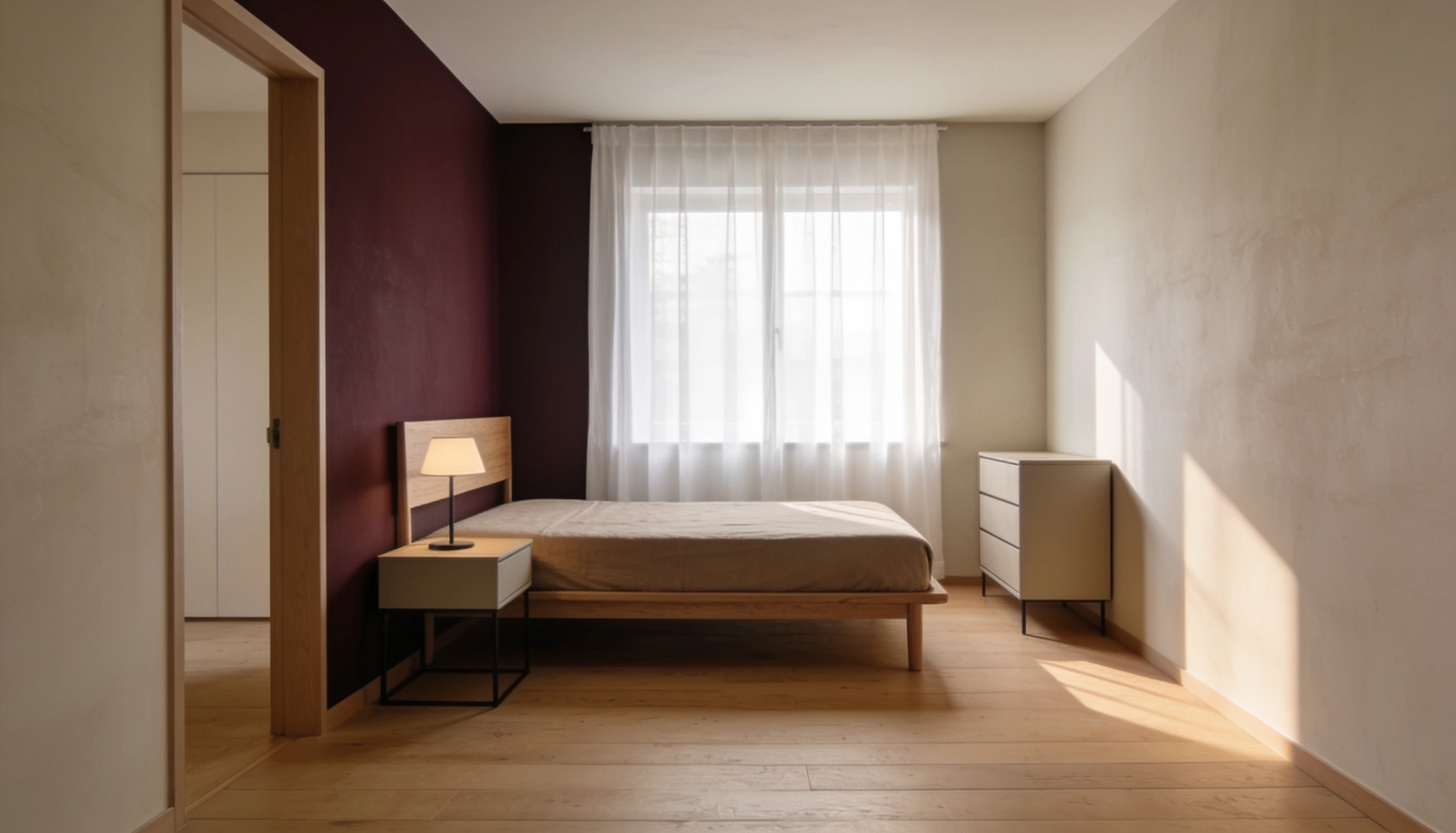
This one surprises most people. But going darker on one wall can actually open up a small bedroom, not close it in.
It’s the perfect way to create the illusion of depth.
What Color is Replacing Gray in 2026?
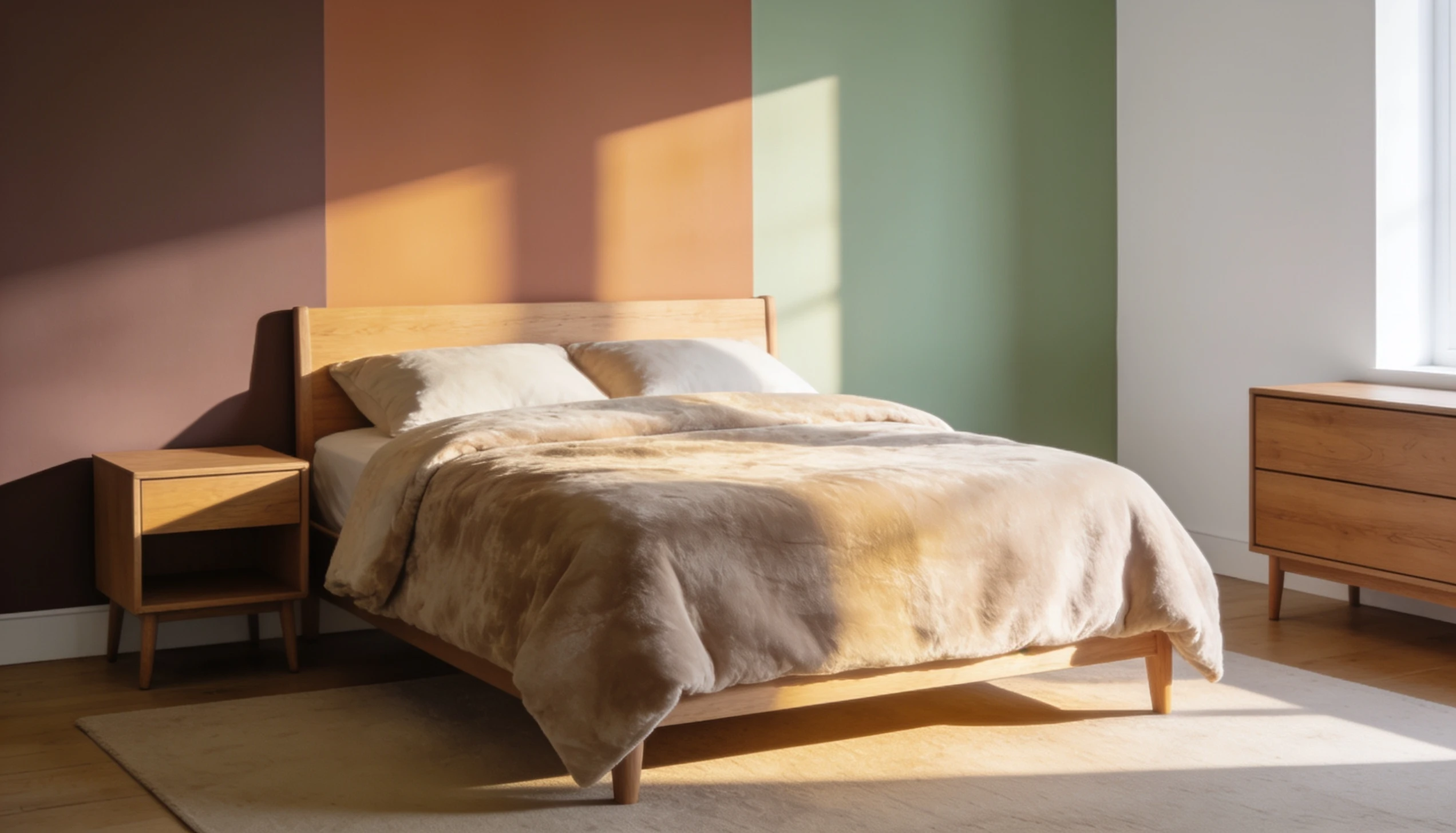
Gray had a long run. For well over a decade, it was the safe and sensible answer for bedroom walls.
But now gray is starting to feel dated, and the following is what’s replacing it:
1. Warm, Earthy Neutrals
The cool-gray trend has officially run its course.
Now, clients are craving warmth, taupes, sands, mushrooms, and creamy whites that feel cozy and timeless.
2. Mushroom Tones
Mushrooms are probably the biggest winners of this whole shift.
It’s warm, grounded, and surprisingly flexible.
3. Soft Sage Green
In 2026, we are going to see a shift from saturated colors to a subtler, more comforting take on color.
4. Muted Taupe and Stone Tones
People are craving spaces that feel protective, calming, and quietly luxurious.
And these tones do that far better than crisp whites or cool grays.
5. Off-White and Creamy Whites
Warm neutrals create an inviting backdrop.
It provides a clean, open canvas that’s easy to style and works across a wide range of bedroom visuals.
Why Should You Consider Color Psychology for Your Bedroom Walls?
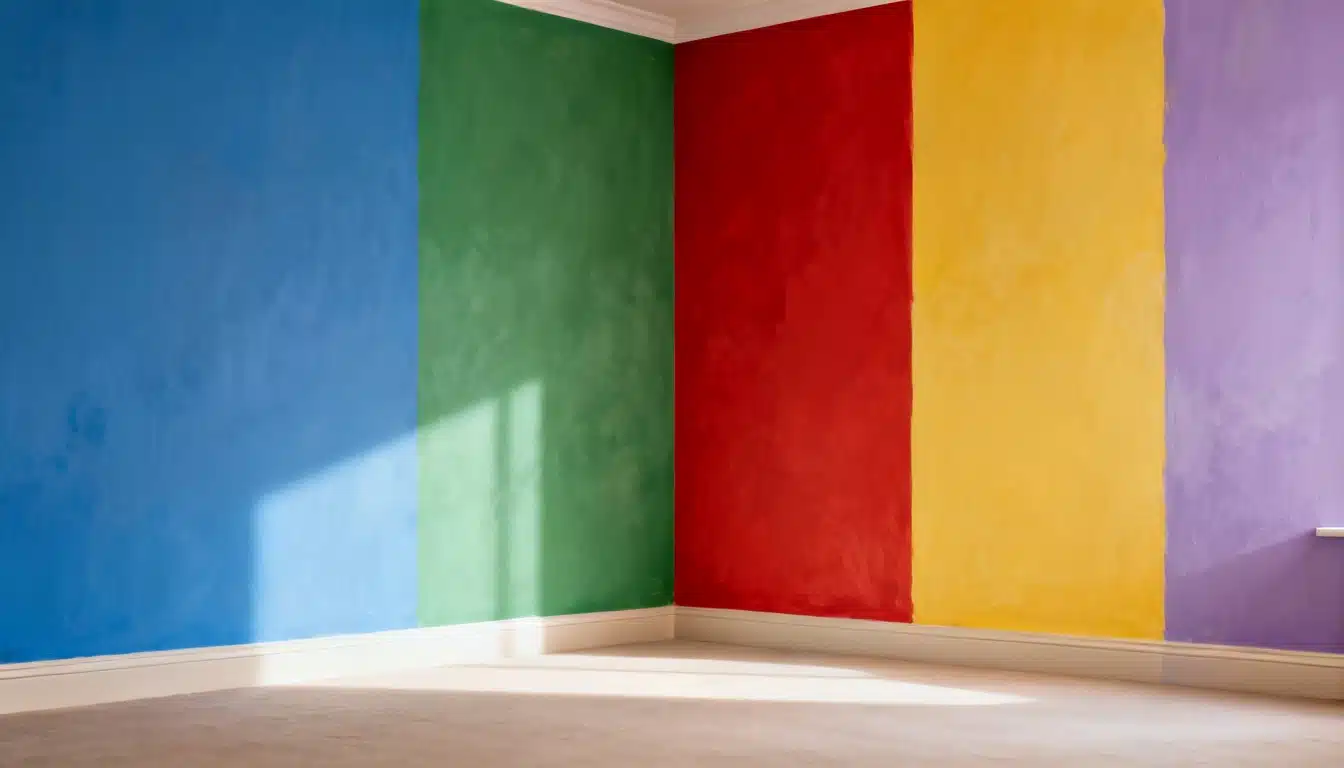
People pick a bedroom color because it looks nice. That’s a fair starting point.
But the color of bedroom walls does more than set a visual tone. It actively influences heart rate, the nervous system, and brain cells.
Color triggers real physiological responses in the body, not just emotional ones. So it’s worth paying attention to.
Color Affects How Well Someone Sleeps
Bedroom wall color influences emotional state and can support or hinder the shift from wakefulness to sleep.
Blue bedrooms are associated with the longest average sleep duration, nearly 8 hours per night, while cool greens and soft neutrals also promote relaxation.
And the wrong color can genuinely get in the way of rest.
Color Affects Stress Hormones
This is where it gets really interesting and really practical.
Warm colors like red and orange stimulate the brain, increasing cortisol levels and boosting alertness.
Cool colors such as blue and green have the opposite effect, reducing stress and promoting relaxation.
Each Color Does Something Different
The following is a quick breakdown of how the color behaves in a bedroom setting:
Blue: Blue is considered one of the most soothing colors. It helps people unwind, find peace, and lower their heart rate and blood pressure.
Green: Green evokes hope, strength, and serenity. It is also the color associated with relaxation in color psychology research.
Red: Red is a stimulating color, evoking warmth and passion in its muted shades and energy and alertness in bright hues.
Yellow: Yellow can boost mood and energy, making it a good choice for spaces where positivity is wanted.
Lavender: Lavender offers a calming quality; it supports cortisol reduction and is a genuinely good option for a sleep space.
Final Thoughts
Choosing the right bedroom wall colors really does matter more than most people think.
The color on those walls affects sleep, mood, stress levels, and how the room feels at the end of a long day.
From cozy earthy neutrals to soft blues and muted greens, the current year has genuinely good options for every kind of space.
Whether the room is tiny or spacious, bright or dim, there are shades here that actually work.
Frequently Asked Questions (FAQs)
1. What Paint Colors are Outdated?
Cool icy grays, stark whites, and overly bright pastels are fading fast in 2026. Warmer tones have taken their place in most modern bedrooms.
2. What Two Colors Goes Most Well Together in a Bedroom?
Soft sage green paired with warm white, dusty blue, and warm taupe is another calm, pulled-together look.
3. What are the Color Trends for 2026?
Warm neutrals like greige, mushroom, and putty are the standout trends for 2026.