For decades, larger homes were often associated with comfort and success. Today, however, many homeowners are shifting toward a different priority: better use of space.
Across California and other high-cost housing markets, thoughtfully planned small homes are becoming increasingly desirable because they combine lower maintenance, improved efficiency, and more intentional living environments. Instead of focusing purely on square footage, homeowners are paying closer attention to layout quality, natural light, storage integration, and overall functionality.
A well-designed compact home can often feel significantly more livable than a much larger property with inefficient circulation and underused rooms.
Many of the most successful modern layouts follow the same principles discussed in this guide to functional small home design, where space planning, lighting strategy, and flexibility work together to improve everyday comfort without unnecessarily increasing construction size.
Smaller Homes Require Smarter Planning
One of the biggest misconceptions about compact homes is that designing them is easier simply because the footprint is smaller.
In reality, limited square footage leaves far less room for planning mistakes.
Poorly positioned hallways, oversized furniture zones, inefficient kitchens, and awkward circulation paths can quickly make a small home feel cramped. Successful compact layouts require careful coordination between architecture, storage, lighting, and furniture planning from the earliest stages of the project.
Every square foot must serve a clear purpose.
This is why modern small-home design often prioritizes:
- open-concept living areas;
- visual openness;
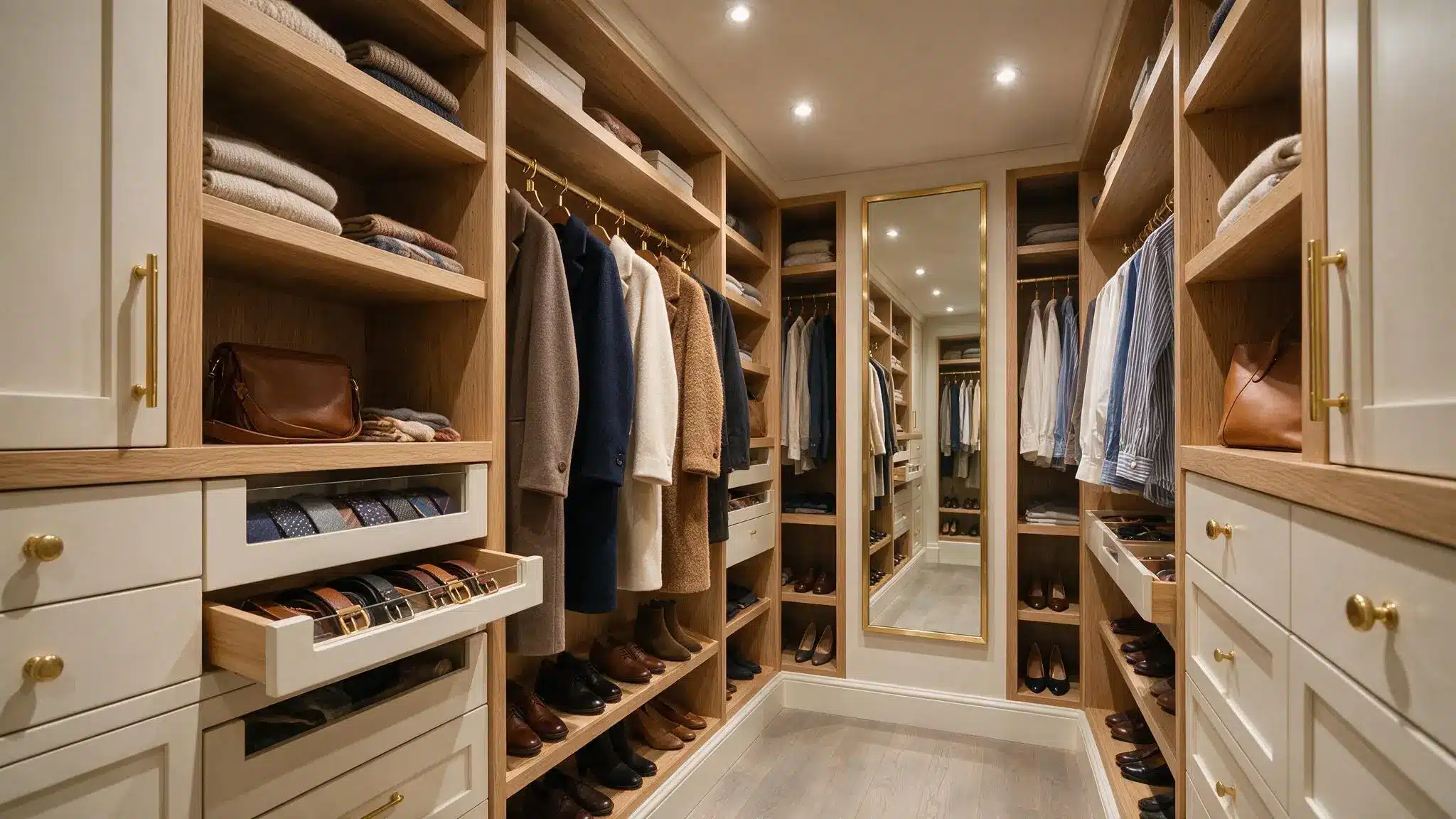
- integrated storage;
- and flexible multi-purpose spaces.
Rather than separating every function into isolated rooms, designers increasingly focus on creating spaces that adapt to changing daily needs.
Natural Light Has a Bigger Impact Than Size
In compact residential layouts, lighting often influences comfort more than square footage itself.
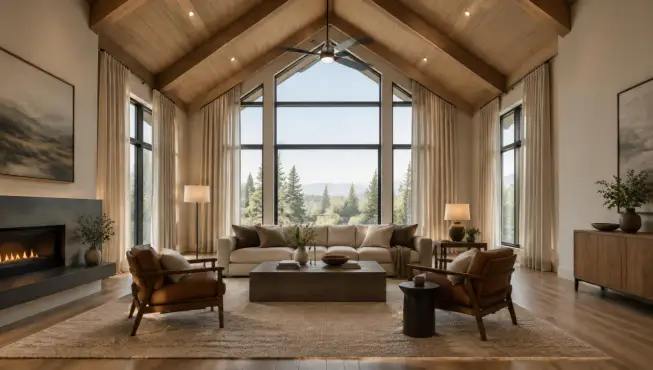
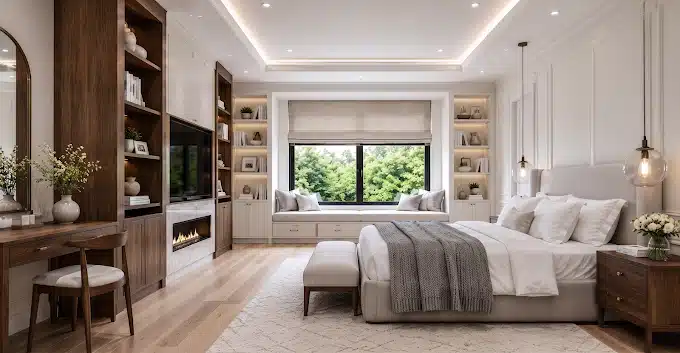
Homes with large windows, strong indoor-outdoor connections, and carefully positioned openings tend to feel significantly larger than enclosed layouts with limited daylight. Ceiling height, sightlines, and material selection also affect how spacious a home feels psychologically.
Many modern California homes use:
- oversized sliding doors;
- clerestory windows;
- lighter interior palettes;
- and continuous flooring materials
to visually expand smaller living environments.
When designed correctly, compact homes can feel open, calm, and highly functional rather than restrictive.
Flexibility Is Now a Major Design Priority
Modern residential design is increasingly shaped by changing lifestyle patterns.
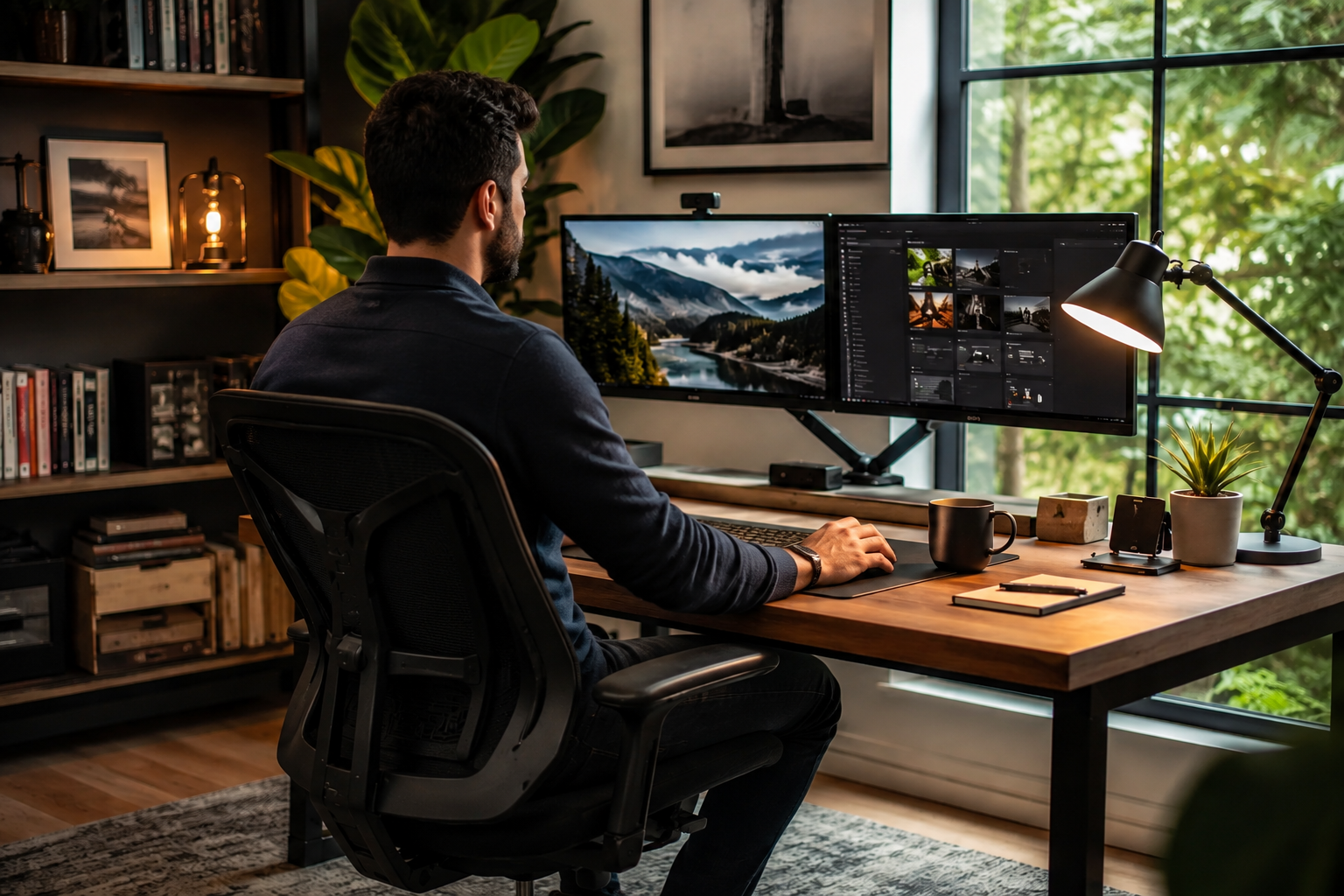
Remote work, hybrid schedules, multigenerational living, and evolving family needs have increased demand for adaptable residential layouts. Instead of dedicating large amounts of square footage to single-purpose rooms, many homeowners now prefer flexible spaces that can shift between different uses over time.
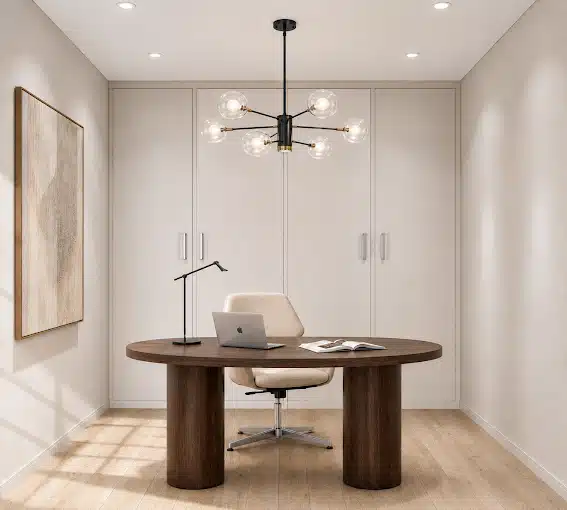
A guest room may also function as:
- a home office;
- study space;
- exercise room;
- or secondary lounge area.
This flexibility often creates more long-term value than simply adding additional square footage.
Smaller Homes Can Improve Construction Efficiency
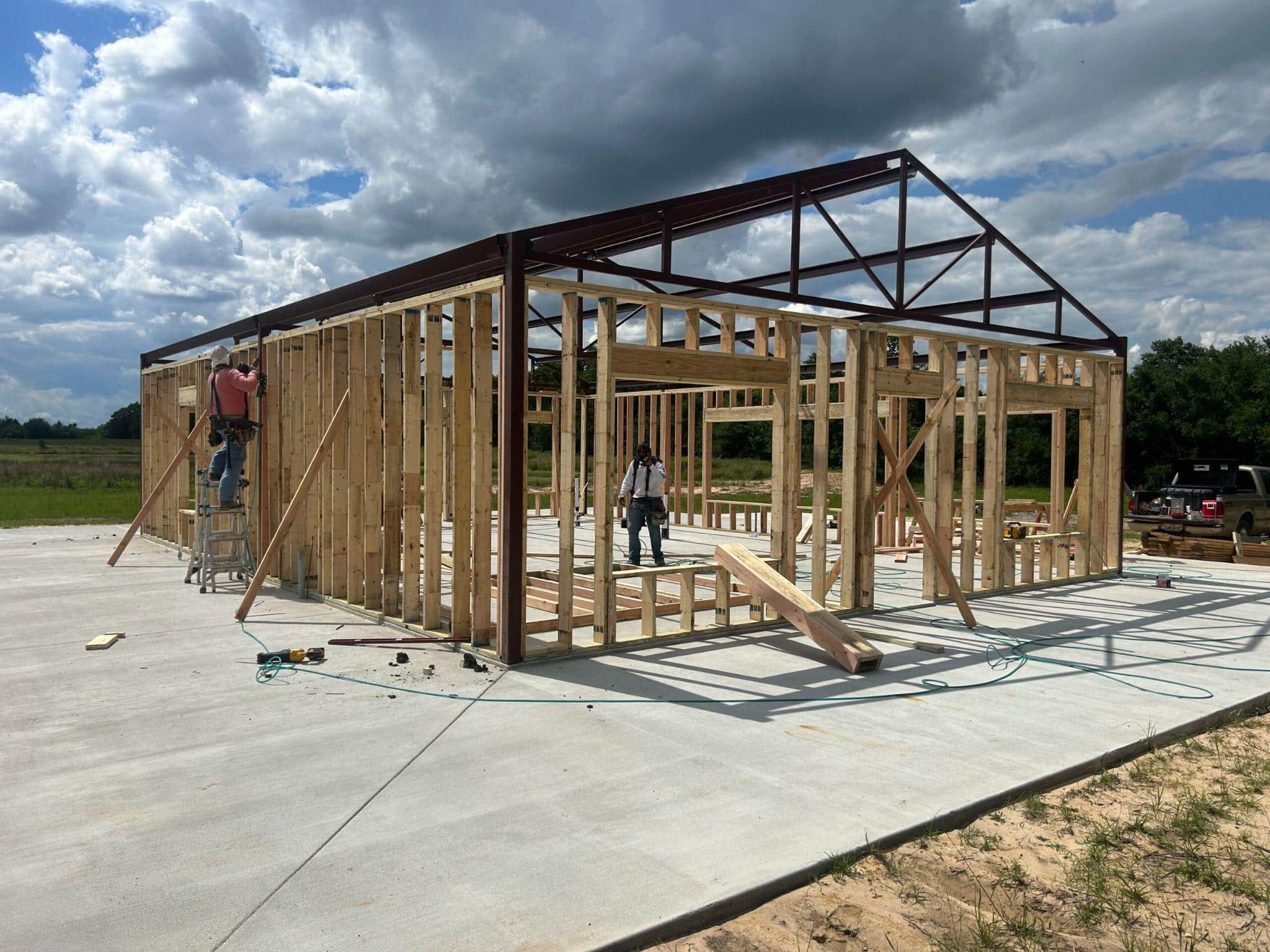
Compact residential projects also tend to offer practical construction advantages.
Smaller footprints generally require:
- fewer materials;
- lower utility costs;
- reduced maintenance;
- and more efficient heating and cooling systems.
In many cases, homeowners can redirect budget toward better finishes, upgraded kitchens, improved energy efficiency, or higher-quality outdoor living areas rather than overspending on underutilized interior space.
This quality-over-size approach has become increasingly common throughout modern residential planning.
Outdoor Integration Matters More Than Ever
One reason many compact California homes feel highly livable is the strong connection between interior and exterior spaces.
Patios, decks, courtyards, and landscaped outdoor zones can significantly expand usable living areas without increasing enclosed square footage. When indoor and outdoor environments flow together naturally, even modest homes often feel much larger and more functional.
This relationship between architecture and outdoor living has become one of the defining characteristics of modern small-home design.
Why Thoughtful Planning Matters in Small Home Design
Designing a functional small home is not about reducing comfort — it is about eliminating wasted space and improving how the home performs in everyday life.
Thoughtful planning, flexible layouts, integrated storage, natural light, and strong indoor-outdoor relationships often have a far greater impact on livability than square footage alone.
As residential priorities continue evolving, smaller homes are increasingly becoming intentional lifestyle choices centered around efficiency, simplicity, and smarter long-term living.