Though it might not appear complicated, flooring can become a costly long-term structural and performance issue if the groundwork isn’t done correctly. From splits and bumpy surfaces to heating systems that don’t work well, bad subfloor work can reduce the value and performance of a building for a long time. It’s very important for people who own homes and businesses in Scotland to know the dangers of not getting the floor properly prepared, especially when fitting screed or underfloor heating in older buildings, or ones that have been done up.
Cracking Screed: The Hidden Cost
One of the most frequent results of inadequate floor preparation is screed cracking. Screed, whether it’s liquid or the usual type, needs a solid, flat foundation. If the subfloor isn’t flat, is dirty, or isn’t strong enough, the screed could shrink, come apart, or crack as time passes.
Cracks can begin small and go unnoticed, but they usually get worse with changes in temperature, people walking on them, and furniture on top. Once splits appear, the efficiency of underfloor heating is reduced, cold areas are created, and the flooring above could be damaged. Cracks can allow moisture movement through the floor build-up where damp protection is inadequate, weakening insulation and even affecting the walls in some cases.
Next Level’s guide to common screeding errors shows how not preparing enough, such as missing damp tests or failing to apply the correct primer or bonding agent, causes these problems. Dealing with subfloor issues before putting the flooring down is always cheaper than fixing damaged screed later.
Floor Movement and Structural Instability
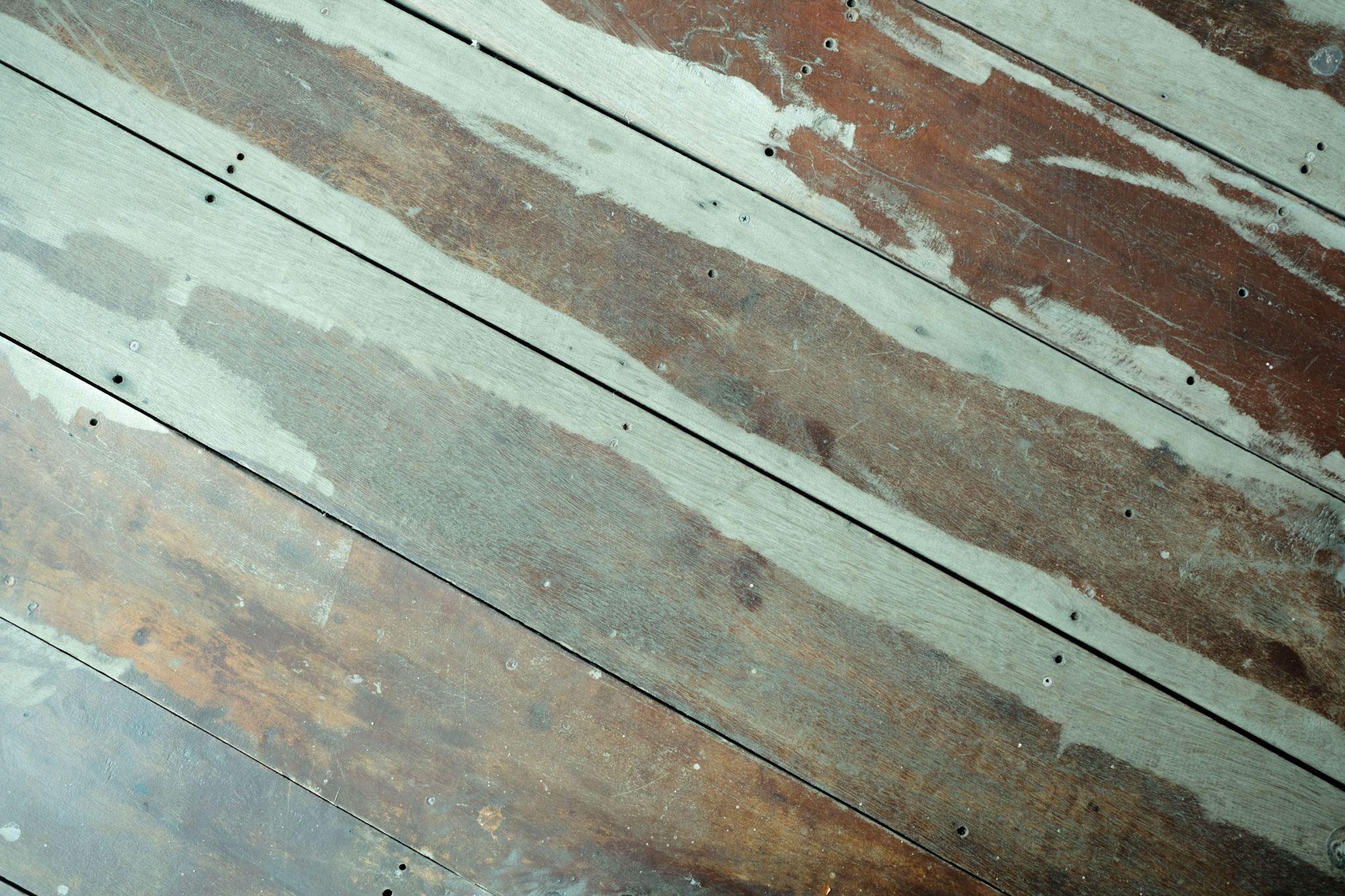
Not preparing well can also cause floors to move. Floors that aren’t levelled or supported properly may give way under normal use, causing squeaks, uneven wear, and stress on the building’s structure.
Movement introduces shear stress and bond failure, significantly reducing the lifespan of the flooring system. Constant stress can cause the flooring to peel, gaps at joins, and obvious dips or waves in the room. For businesses, this can mean costly interruptions, repair bills, and being unable to work.
Making sure the base is correct, the screed is the right thickness, and the insulating layers are in place is important to prevent this sort of movement. Next Level’s floor screed cracking guide shows how even small mistakes in preparation can lead to big issues in the future. In older Scottish homes, wooden joists and uneven stone subfloors make proper structural assessment and stabilisation essential before screed installation.
Uneven Finishes and Poor Aesthetics
A floor which hasn’t been prepared well also affects how good the finish looks. Tiles, vinyl, and laminate flooring all need a flat, stable base to adhere properly. Small differences in the subfloor can show through, resulting in bumpy surfaces, trip hazards, and gaps.
Uneven floors don’t just look bad; they can also reduce how well they work for a long time. For example, underfloor heating doesn’t work as well when the heating pipes are not consistently encapsulated with the specified screed cover depth, or when differences in thickness stop the heat from being spread evenly. Floors may need to be levelled again and again, with extra screed layers or expensive repairs, to get a smooth finish back.
In work to renovate, particularly in Scotland’s older homes with wooden joists or stone slabs, getting the floor ready is essential. Missing strengthening or damp control at this stage often results in expensive changes years later.
Efficiency Problems: Heating and Energy Loss
Not preparing the floor properly doesn’t only affect how it looks or how long it lasts – it also affects its energy efficiency. Underfloor heating systems depend on the right screed covering and consistent contact with the heat and the floor above.
If the screed layer is inconsistent in depth or poorly bonded, thermal transfer becomes uneven, reducing overall system efficiency. This could mean you use more energy, it takes longer to get warm, and some parts of the building stay cold. Screed, liquid, or traditional, if not installed properly, can ruin all the good things underfloor heating should do and reduce the efficiency of an otherwise well-designed heating system and increase long-term running costs.
Doing things carefully to begin with means the screed’s depth, the insulation, and the pipes’ protection will all be as good as possible. Buildings whose floors have been properly prepared will have better heat flow, lower energy costs, and a consistent warmth in every room.
Subfloor Preparation: Step-by-Step
Doing the preparation properly isn’t just ticking off a list; it’s a process that’s been thought out. Things you really must consider are:
- Cleaning and priming: Removing dust, laitance, contaminants and debris to ensure proper screed adhesion.
- Levelling and strengthening: Seeing that the base is level and can bear the screed’s weight and any load it’s likely to get.
- Dampness control: Checking for damp and installing the right kind of protection to prevent bending, splitting, or mould appearing.
- Working out screed depth: Matching the sort of screed to what the floor will be used for, the underfloor heating, and what weight it will need to hold.
- Drying conditions: Watching the temperature and how wet it is, so it dries without problems and doesn’t shrink much.
Leaving out any of these causes cracks, uneven floors, and efficiency problems, which go on and on. Next Level’s usual screeding mistakes guide goes over these points in detail, and demonstrates how little errors at the start can lead to very costly difficulties later on.
Long-Term Consequences
The results of not preparing the floor well can last for decades. Splits, movement, and uneven surfaces reduce comfort and usefulness, while heat transfer, which isn’t good, increases running costs. Repairs are expensive, often requiring all or part of the flooring and screed layers to be removed, not to mention stopping home or business activity.
Putting money into professional preparation and proper installation at the start ensures your floors are flat, last a long time, and use energy well. It also protects your investment and stops the stress of repeated fixes or changes.
Conclusion
Not preparing the floor properly may not be obvious at first, but its long-term effects can be significant. Splits, movement, uneven surfaces and heating, which isn’t good, all come from oversights at the early stage.
For people who own homes and businesses planning renovations or new builds in Scotland, taking the time to prepare subfloors and put screed in correctly is essential. Working with experienced professionals like Next Level ensures floors remain flat, work well, and last for years to come.