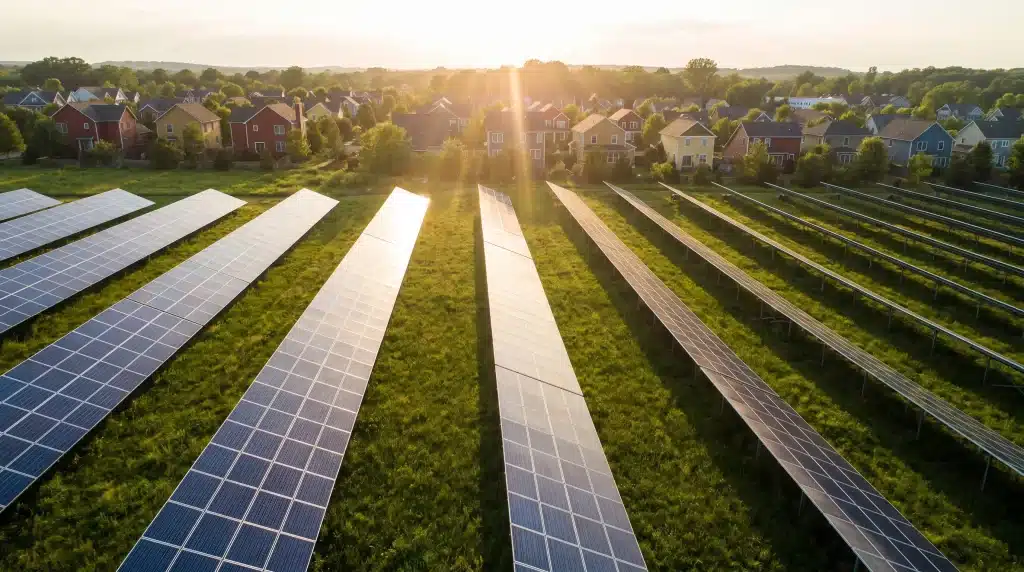
For household and business owners alike, electricity bills are a massive chunk of their recurring expenses. Everyone is looking for answers to help cope with these escalating expenses. Community solar programs offer an option for those who cannot or do not want solar panels on their own property to still take advantage of solar energy. Such initiatives lower the entry barrier for renewable energy and allow participants to take advantage of solar installation together.
What Are Community Solar Programs?
Community solar programs enable multiple consumers to subscribe to a common solar energy plant. Based on their portion of the produced solar energy, participants are credited on their utility bills. This arrangement cuts down reliance on traditional power sources and considerably saves on costs. It also helps renters and others with the wrong roofs to enjoy the benefits of renewable energy.
How Participation Works
Those looking to enroll in a community solar project typically do so via the Internet or via a local organization. Once an individual signs up, their proportion of solar power is calculated according to how much energy they use or, in the case of some investors, the size of their solar module, as seen in community solar Oregon programs. Every month, participants find credits applied to their electric bills, signifying their share of output from the solar array. This system maintains the threshold of fairness for savings among all without having personal equipment.
Lowering Energy Bills for Households
Community solar is one of the most effective ways to lower energy bills. Monthly electricity bills are reduced for subscribers. Solar projects generate power at a fixed rate, offering a hedge against rising utility rates. And that stable price can be a steady source of savings for families and individuals over time.
Benefits for Small Businesses
Utility bills are leading costs for a small business and can take a toll on the bottom line. Participating in a community solar project enables those organizations to cut down on overhead costs. The savings are predictable, providing businesses with capital that can now be reallocated to other areas, continuing to expand and stabilize. Clean energy access also enhances their image with the environmentally conscious consumers.
Expanding Access to Solar Energy
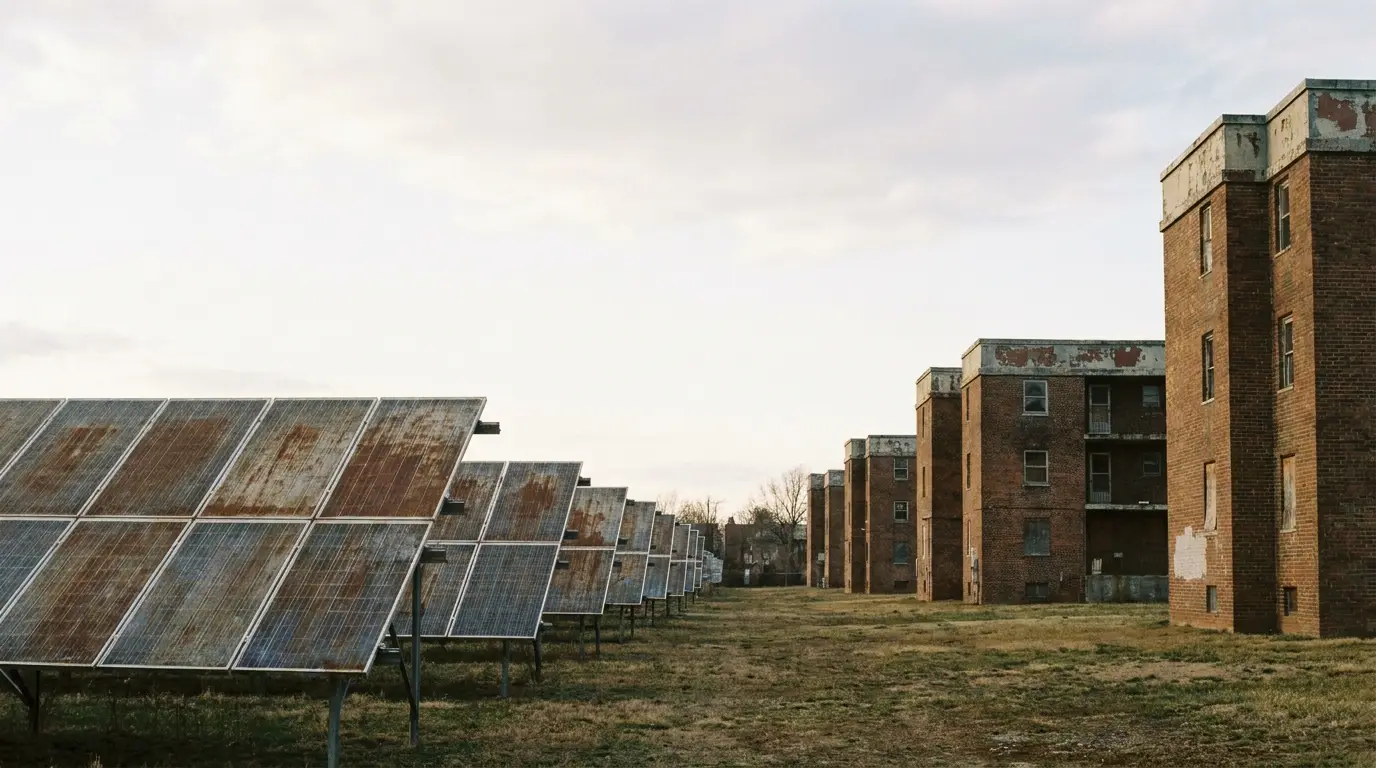
Traditional rooftop solar needs an owned home and a viable place to put one. So many people are unable to fulfill these. Community solar eliminates these impediments, simply enabling those who rent, those who dwell in apartments, and those who enjoy homes with shaded roofs to participate. This inclusive gesture expands access to affordable, renewable energy to more households.
Environmental Impact and Social Benefits
Community solar projects provide a source of emissions-free energy and help lower our carbon footprint. The shift aids local and regional air quality initiatives. These programs also tend to promote job development opportunities in construction, maintenance, and administrative positions. We create jobs, form more liveable spaces for local communities, and cultivate a greener ecosystem.
Cost Stability and Predictability
Utility rates vary as the cost and demand for fuel used to produce power change. Another upside is that community solar programs tend to feature fixed, or at least predictable, rates. This makes it easier for participants to budget without the worry of surprise increases to their bills. This is especially important for households with a limited or fixed income, as predictable expenses are incredibly valuable.
No Upfront Investment Required
A lot of solar options require a high upfront cost to allow people to go solar, which is not always something people are able to do. Participants in community solar programs have no installation or equipment costs. This facilitates wider engagement with considerably less upfront capital required. Not only do lower monthly subscription fees push savings further, but they are also made even higher due to the fact that traditional utility rates tend to be higher than subscription prices.
Supporting Local Economies
Community solar projects are typically developed and operated by companies from the local area. We are creating jobs and contributing to economic growth in the region through these projects. In return, residents save money and do their part to keep locals employed. The savings on energy bills are typically spent in the local economy, helping everyone in the area.
Conclusion
Community solar programs provide an effective and affordable way to increase the accessibility of clean energy. Households and businesses that participate in these initiatives will save money, meet their environmental objectives, and provide an economic boost to their communities. This cooperation guarantees that the advantages of solar energy reach a wider audience, thereby ensuring the equity and sustainability of everybody.