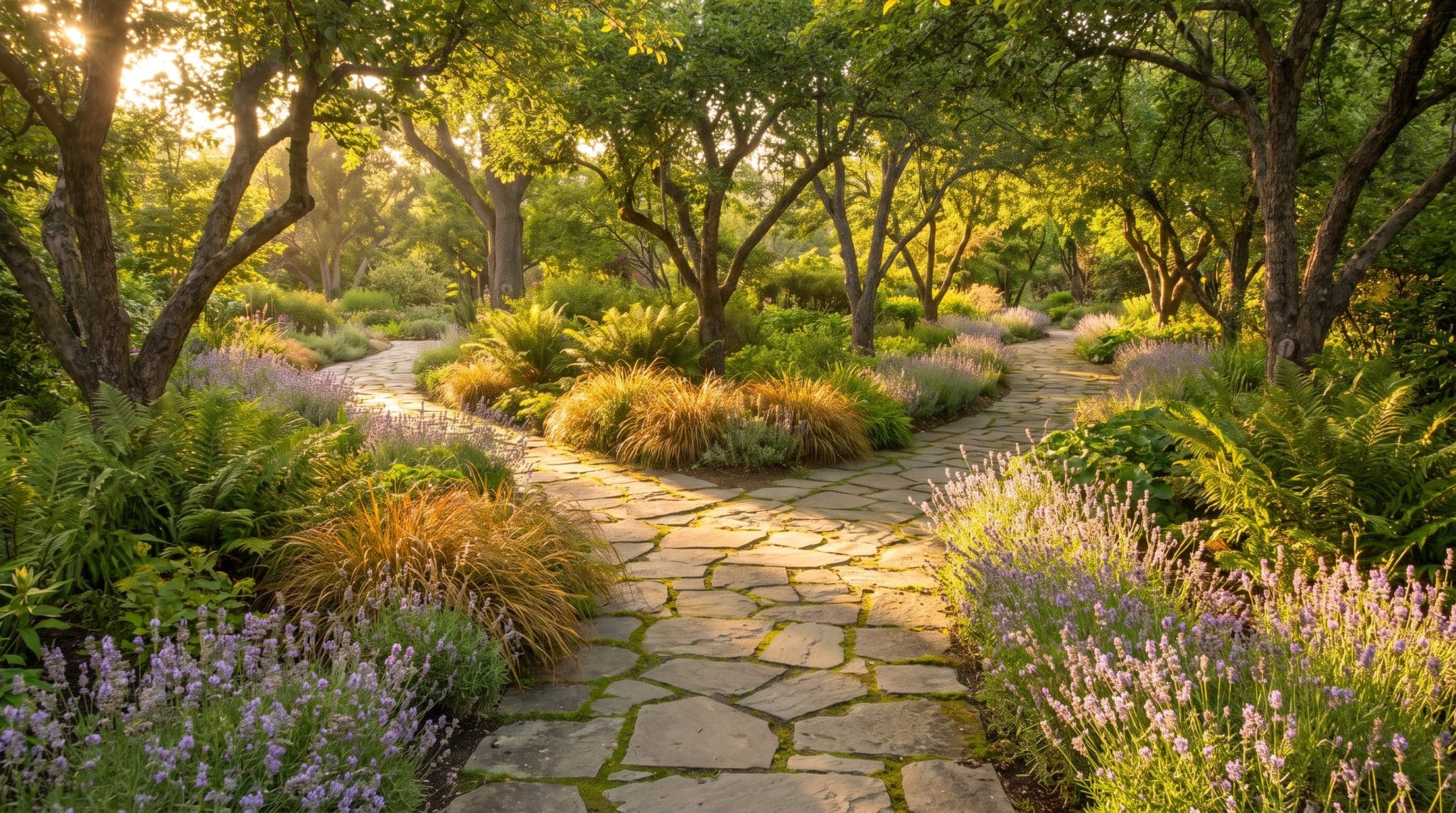
You have probably driven past a property and thought, “That yard just works.” The layout feels intentional. The plants look like they belong. The walkway draws your eye exactly where it should.
That kind of result rarely happens by accident. Behind most outdoor spaces that look effortlessly put together, there is a landscape designer who made dozens of decisions before a single plant went into the ground.
So what exactly does a landscape designer do? And is hiring one actually worth the cost? Here is a practical breakdown.
What Does a Landscape Designer Actually Do?
A landscape designer plans your outdoor space before anyone picks up a shovel. Their job sits at the intersection of horticulture, design, and problem solving.
They assess your property’s soil, sunlight exposure, drainage, and existing structures, then develop a plan that looks good, functions well, and holds up over time.
That process typically includes a formal site visit to measure and evaluate the space, a design plan covering plant selections, lighting, grading, and material choices, and a detailed proposal so you know the scope and cost before work begins.
A firm that handles residential and commercial landscaping in Brandon FL, for example, will select very different plant palettes and layouts for a family backyard versus a corporate campus entrance. That specificity is the whole point of professional design.
How Is a Landscape Designer Different From a Landscaper?
A landscaper typically handles the physical work: mowing, planting, mulching, and general upkeep. A landscape designer focuses on the plan itself, the blueprint for what gets built and where.
Think of it like building a house. You would not hand a framing crew a pile of lumber without blueprints. Landscape design works the same way.
The designer creates the vision, and the installation crew brings it to life. Some companies operate as a design build firm, handling both planning and execution under one roof, which tends to reduce miscommunication and keep projects on schedule.
The American Society of Landscape Architects describes the profession as one that combines analysis, planning, design, management, and stewardship of the land. Understanding where your project falls on that spectrum helps you decide how much design expertise you actually need.
When Is It Worth the Investment?
Not every project needs a designer. If you are adding a few shrubs along a fence, you can handle that yourself. But for anything involving layout decisions, significant spending, or long term planning, professional design almost always pays for itself.
New construction or major renovations. Starting from bare dirt is overwhelming without a plan. A designer ensures the space is functional, attractive, and built in the right sequence.
Challenging site conditions. Slopes, poor drainage, heavy shade, and compact lots all require creative solutions that go beyond picking plants off a shelf.
Commercial properties. A well designed landscape communicates professionalism at first glance and directly affects foot traffic, safety, and ongoing maintenance costs.
Property value. Research from Virginia Tech found that upgrading landscaping from average to excellent can increase a property’s perceived value by 10 to 12 percent. On a $400,000 home, that is roughly $40,000 to $48,000 in added value.
Long term savings. Selecting the right plants for your conditions reduces replacement costs, water bills, and upkeep hours. Choosing low maintenance native plants suited to your region is one of the simplest ways to cut ongoing work while keeping the space looking sharp.
What to Expect During Your First Consultation
If you have never worked with a designer before, the first meeting is usually simpler than people expect. Most consultations start with a site visit where the designer walks the property, asks how you use the space, and discusses your goals and budget.
A few things to have ready before that visit:
A rough budget range. You do not need an exact number, but knowing your range helps the designer prioritize where to invest for maximum impact.
Photos of styles you like. A few saved images from magazines or websites give the designer a quick read on your aesthetic preferences.
A list of must haves and deal breakers. Whether it is kid friendly turf, low water plants, or better lighting for evening entertaining, sharing your priorities early keeps the design focused.
After the visit, the designer typically delivers a proposal with a site plan, material and plant recommendations, and a line item cost breakdown. A detailed scope at this stage is a good sign. Vague estimates with no specifics are a red flag.
The Bottom Line
A landscape designer does more than choose plants. They solve problems, protect your investment, and create spaces that work for the way you live or do business.
The upfront cost of design almost always pays off in fewer mistakes, better plant health, lower maintenance, and a finished result that adds real value to your property.
If you are exploring your options, Trimen Landscape offers a design first approach to landscaping in the Tampa area, with free site visits for both residential and commercial properties.
Whether your project is a backyard refresh or a full commercial installation, the right designer turns a pile of ideas into a plan that actually gets built right.