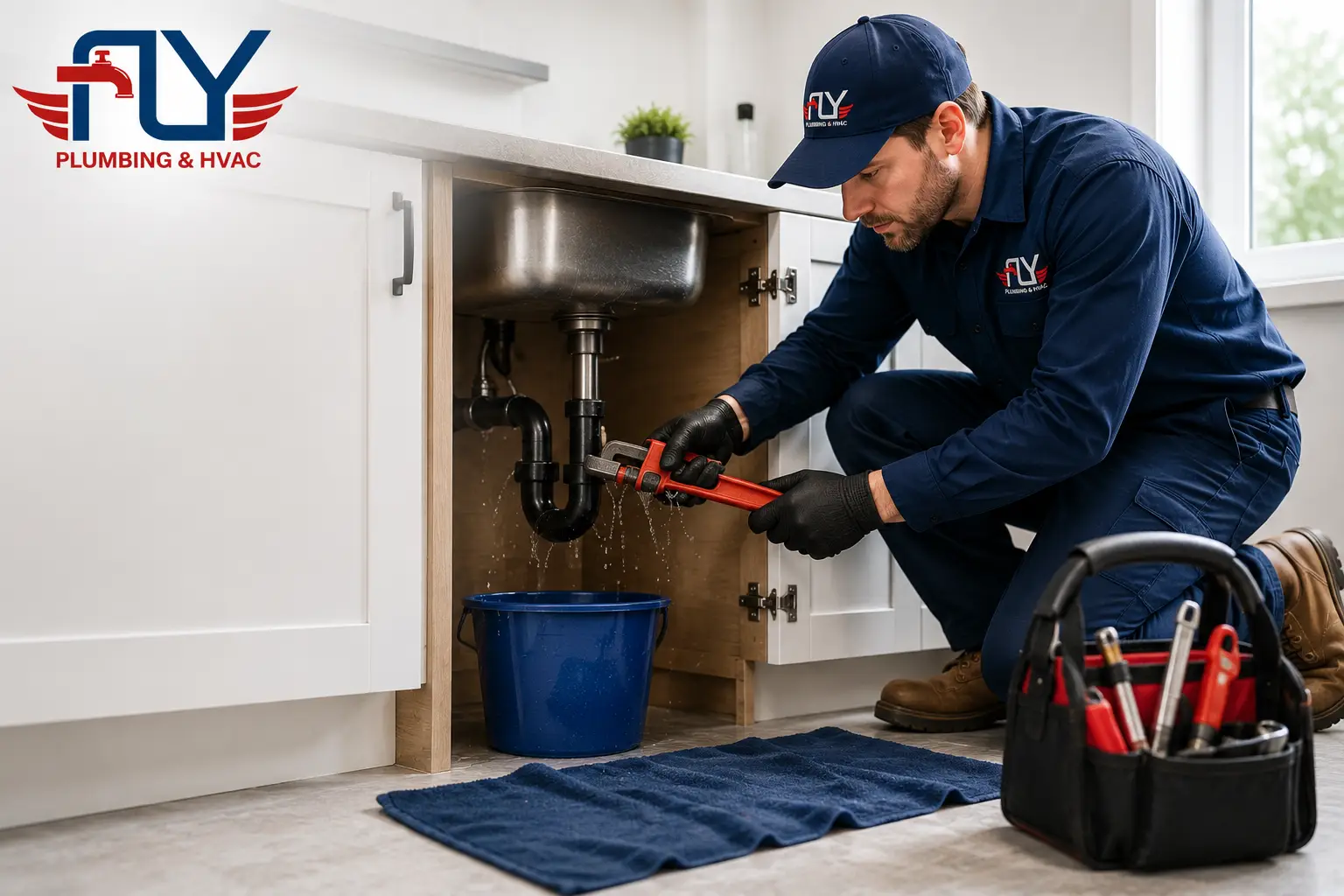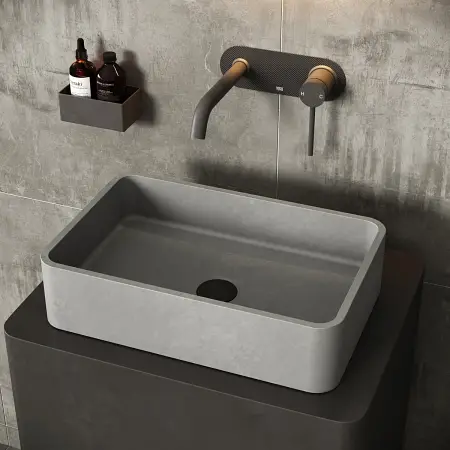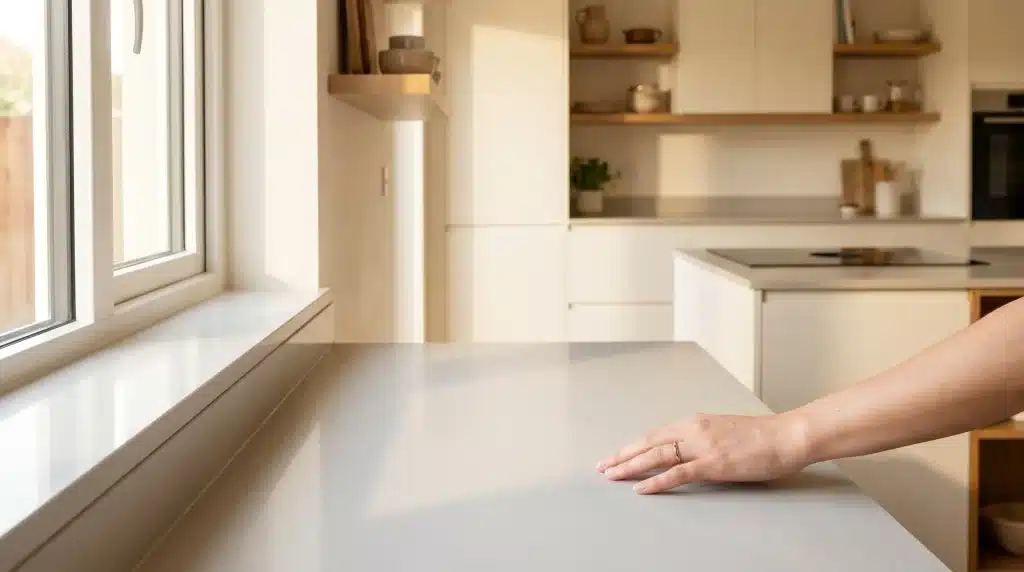
Home maintenance has long been a central concern for property owners, influencing both the cost of ownership and the longevity of a building. In recent years, however, the approach to maintenance has shifted noticeably. Rather than focusing solely on repairs and reactive fixes, homeowners and developers are placing greater emphasis on prevention. At the heart of this change lies a more strategic selection of materials, designed to reduce wear, withstand environmental pressures and minimise the need for ongoing intervention.
This shift reflects broader changes in the housing landscape. Rising costs of labour and materials, combined with increased awareness of sustainability and efficiency, have encouraged property owners to think more carefully about long-term value. The materials chosen during construction or renovation are no longer judged purely on appearance or initial price. Instead, durability, performance and lifecycle cost are becoming key considerations.
One area where this trend is particularly evident is in the treatment of high-exposure interior elements. Features that are regularly subject to moisture, temperature fluctuations and daily wear are being upgraded with more resilient alternatives. Products like moisture-resistant MDF window boards are increasingly being integrated into modern homes, offering improved durability and reducing the likelihood of damage caused by condensation or humidity over time.
Moving Beyond Short Term Solutions
Traditionally, many homeowners approached maintenance as a series of isolated tasks. When a problem arose, it would be addressed with a repair or replacement, often without considering the underlying cause. While this approach can resolve immediate issues, it often leads to recurring problems and higher long-term costs.
Smarter material choices are helping to break this cycle. By selecting products that are designed to withstand specific conditions, property owners can reduce the frequency and severity of maintenance requirements. For example, materials that resist moisture, corrosion or impact are less likely to deteriorate quickly, providing a more stable and reliable foundation.
This proactive approach is particularly important in areas prone to environmental stress. Kitchens, bathrooms and window surrounds are all subject to conditions that can accelerate wear. By investing in materials that are suited to these environments, homeowners can avoid many of the issues associated with traditional options.
The Role of Innovation in Building Materials
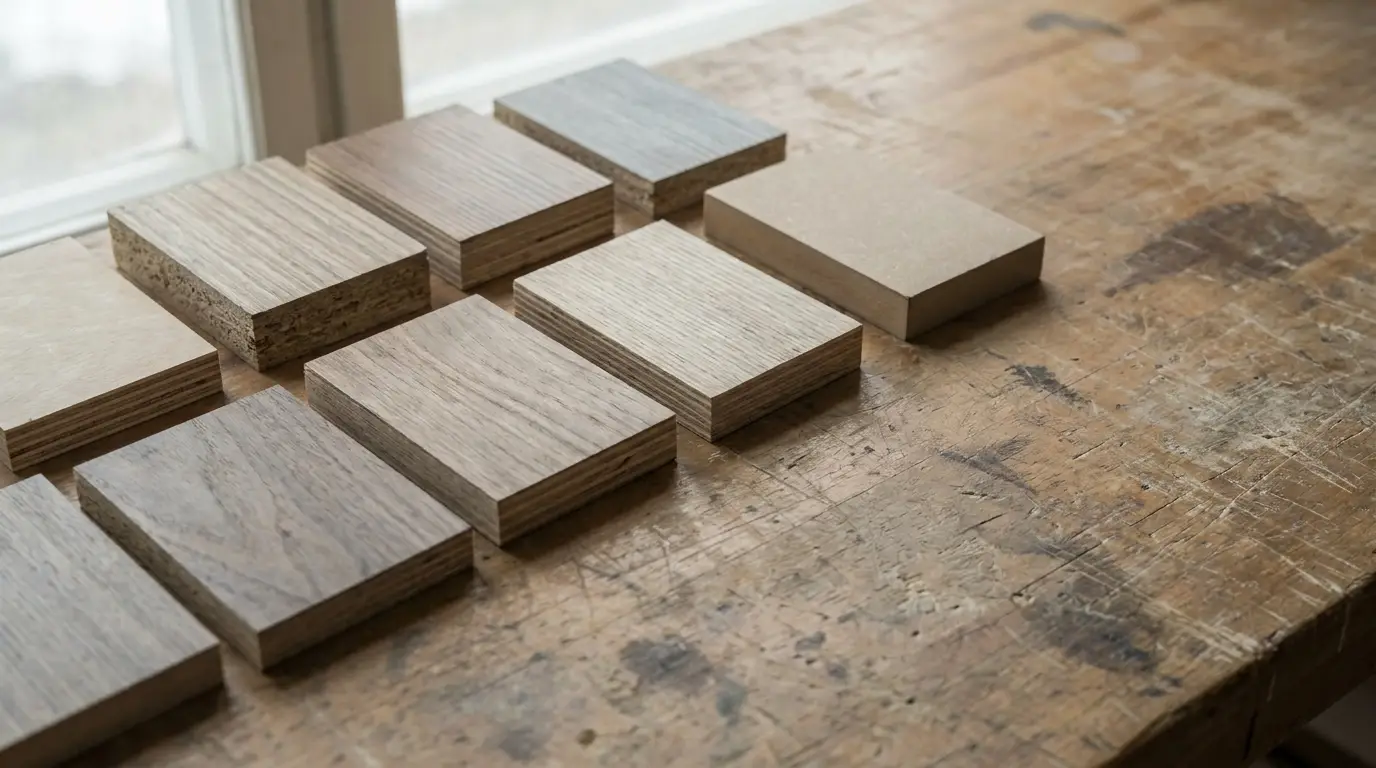
Advances in manufacturing and material science have played a significant role in enabling this shift. Modern materials are often engineered to deliver enhanced performance, combining strength, flexibility and resistance to environmental factors. These innovations have expanded the range of options available to homeowners, making it easier to find solutions that balance aesthetics with functionality.
Composite materials, for instance, have gained popularity for their ability to replicate the appearance of natural materials while offering superior durability. Similarly, treated woods and engineered boards provide improved resistance to moisture and warping, addressing common issues associated with traditional timber.
These developments are not limited to structural components. Finishes, coatings and adhesives have also evolved, contributing to longer-lasting results and reduced maintenance requirements. Together, these innovations are reshaping expectations around what materials can achieve in a residential setting.
Cost Efficiency and Long Term Value
While high-performance materials may involve a higher initial investment, their long-term benefits are becoming increasingly clear. Reduced maintenance, fewer repairs and extended lifespan can all contribute to significant cost savings over time. For many homeowners, this makes smarter material choices a financially sound decision.
The concept of lifecycle cost is central to this perspective. Rather than focusing solely on upfront expenses, it considers the total cost of ownership over the life of a product. This includes installation, maintenance, repairs and eventual replacement. Materials that perform well across all these stages offer better value, even if their initial price is higher.
This approach is also influencing property development. Builders and developers are recognising that durable, low-maintenance materials can enhance the appeal of a property, making it more attractive to buyers and tenants. As a result, these materials are increasingly being incorporated into new builds and renovations alike.
Environmental and Sustainability Considerations
Sustainability is another factor driving the adoption of smarter materials. Frequent repairs and replacements contribute to waste and resource consumption, making durability an important aspect of environmental responsibility. By choosing materials that last longer and require less maintenance, homeowners can reduce their environmental impact.
Many modern materials are also designed with sustainability in mind. This includes the use of recycled content, reduced emissions during production and improved energy efficiency. For example, materials that provide better insulation can help to lower energy consumption, contributing to both cost savings and environmental benefits.
Regulatory frameworks and building standards are increasingly reflecting these priorities, encouraging the use of materials that support long-term sustainability. This alignment between environmental goals and practical benefits is reinforcing the case for smarter material choices.
Enhancing Everyday Living
Beyond cost and sustainability, the choice of materials can have a direct impact on the quality of daily life. Durable, low-maintenance surfaces contribute to a more comfortable and stress-free living environment. Homeowners can spend less time dealing with repairs and more time enjoying their space.
This is particularly important in busy households, where wear and tear can occur more quickly. Materials that resist damage and are easy to clean help to maintain a consistent appearance and functionality, even under demanding conditions.
Aesthetic considerations remain important, but they are increasingly being balanced with practical needs. Modern materials are often designed to offer both visual appeal and performance, allowing homeowners to achieve their desired look without compromising on durability.
The Influence of Professional Guidance
The growing complexity of material options has also highlighted the importance of professional advice. Architects, designers and contractors play a key role in guiding homeowners towards suitable choices, taking into account factors such as climate, usage and budget.
This expertise is particularly valuable in identifying potential risks and recommending solutions that address them effectively. For example, understanding how different materials respond to moisture or temperature changes can help to prevent issues before they arise.
Collaboration between professionals and homeowners is becoming more common, reflecting a shared interest in achieving long-term outcomes. This approach supports more informed decision-making and contributes to better overall results.