Big home repairs almost never begin with a big cinematic moment. No thunderclap. No ceiling collapsing while someone holds a coffee mug and screams. Usually, it starts with something boring.
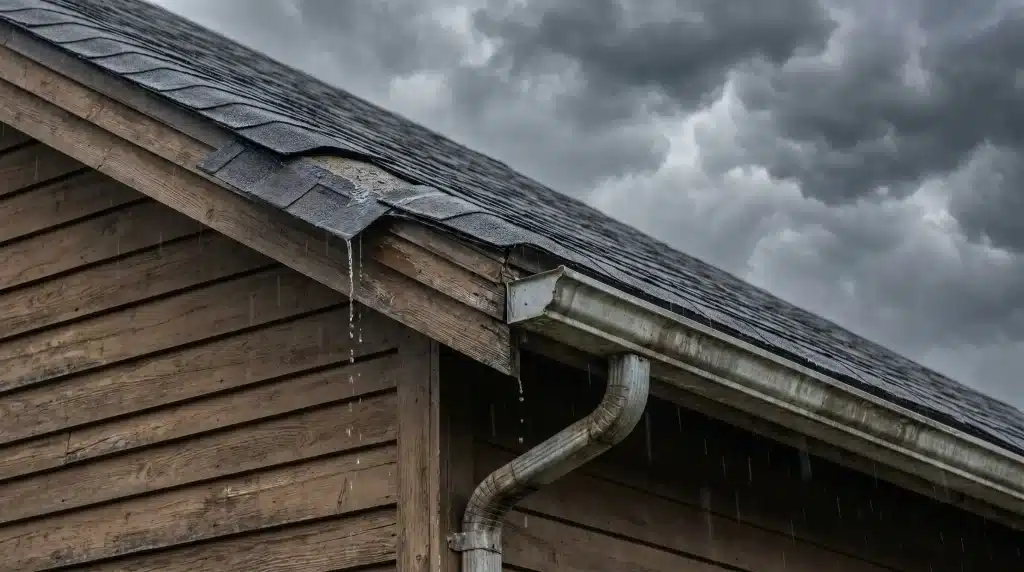
A faint stain near the ceiling. A gutter that drips in one weird spot. A loose piece of siding you keep meaning to deal with. One shingle missing after a storm. The house keeps functioning, so the problem gets mentally filed under “later.”
Then later becomes expensive. That is when people start looking into Cape Cod roofing and siding and wishing the first little warning sign had felt more urgent.
Small Exterior Damage Rarely Stays Small
Exterior damage has a nasty habit of inviting friends.
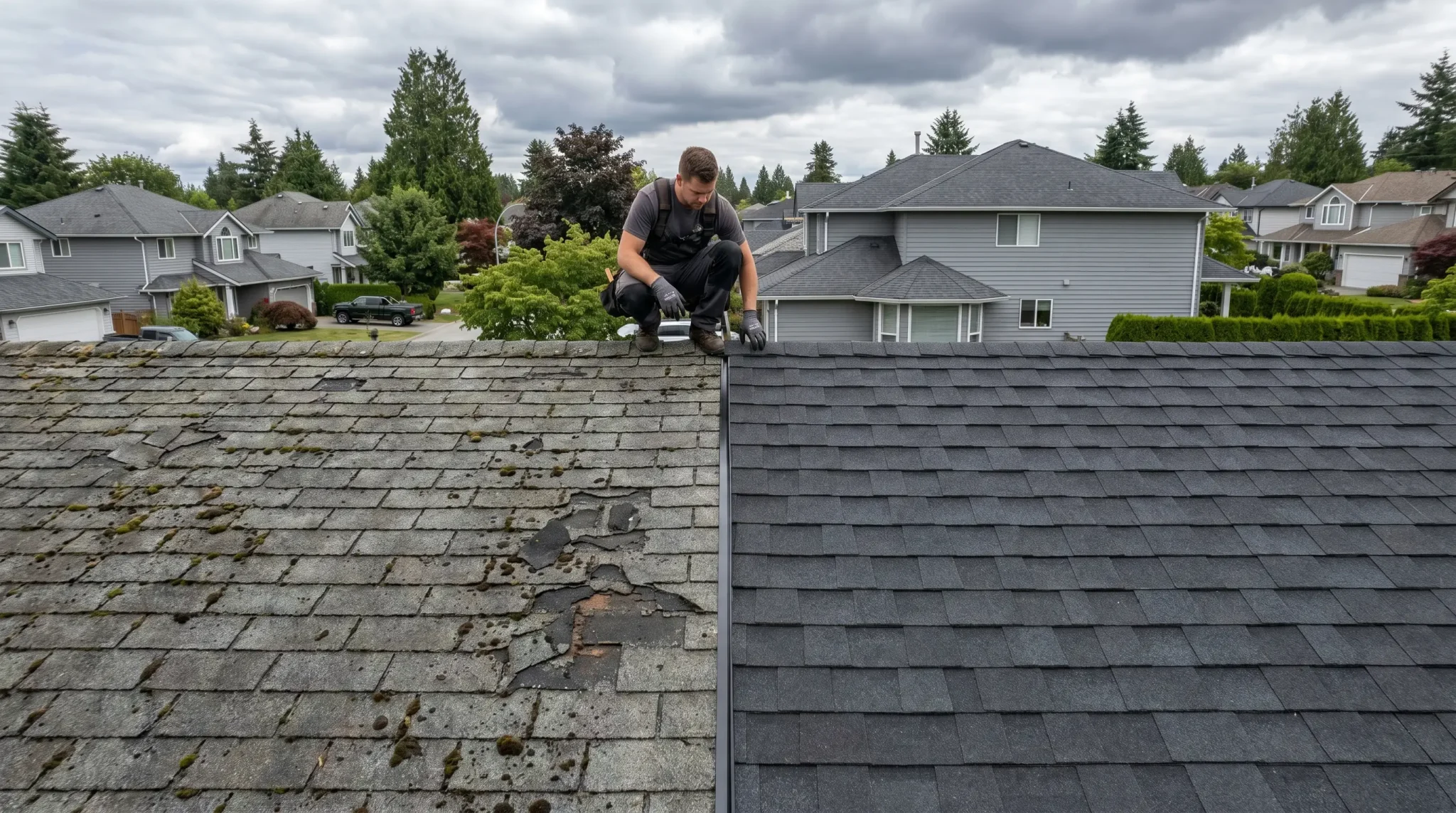
One loose shingle exposes the layer beneath it. One small siding gap lets rain sneak behind the wall. One gutter pulling away from the house sends water toward wood that was never meant to stay wet.
At first, it barely looks like a problem.
Then weather gets involved. Wind tugs at loose pieces. Rain finds the gap. Heat and cold stretch materials a little more each season. Suddenly, that tiny issue has spread into the surrounding roof, trim, siding, or wall.
Small signs worth taking seriously include:
- Missing, curled, or lifted shingles
- Siding that has pulled loose
- Rusty or sagging gutters
- Soft trim around windows
- Peeling paint near rooflines
- Dark stains under eaves
A house works like a connected system. When one part starts failing, the parts around it often get dragged into the mess.
Moisture Is Usually the Real Problem
Water is patient. That is what makes it so expensive.
It does not need a dramatic opening. A small crack is enough. A loose seam. A lifted shingle. A clogged gutter. Water slips in, then moves where you cannot see it.
Behind siding. Into insulation. Along framing. Above drywall.
For a while, everything looks normal. Then one day, there is a stain. Or a musty smell. Or paint bubbling like something underneath is trying to breathe.
The EPA explains that moisture control is key to preventing mold inside the home. That is the part homeowners often underestimate. Water damage is rarely just about one ugly stain.
Moisture can affect:
- Insulation
- Drywall
- Wood framing
- Paint
- Flooring near exterior walls
- Indoor air quality
By the time you see the problem inside, the outside may have been failing quietly for months.
Homeowners Often Ignore Early Warning Signs
People ignore small house problems because they are easy to explain away.
- That stain was probably old.
- That draft is just part of the house.
- That siding gap has been there forever.
- That leak only happened during one bad storm.
Fair enough. Everyone does it.
A house does not always make urgency obvious. It gives you tiny hints first. A little discoloration. A faint damp smell after rain. A loose panel. A ceiling mark that seems too pale to matter.
The problem is that “not urgent” can still mean “getting worse.”
Some of the most common signs of exterior home damage look harmless at first:
- Slight discoloration on siding
- Small ceiling stains
- Minor drafts near windows
- Occasional storm leaks
- Loose trim
- Mildew near the roofline
The dangerous part is how normal these things start to feel. You see them often enough, then stop seeing them at all.
Delayed Repairs Usually Cost Far More Later
Repair timing changes everything.
A small roof repair is one bill. A roof leak that damages insulation, drywall, paint, and flooring is a very different bill. Same original problem. Completely different mood.
Waiting gives damage more rooms to visit.
A loose shingle can become wet roof decking. A siding gap can become wall damage. A clogged gutter can rot fascia. A small leak can turn into mold cleanup, drywall repair, repainting, and possibly flooring work.
That is why preventative maintenance feels boring until the alternative shows up.
Emergency repairs come with stress, limited choices, and a house that has already been damaged. Preventative repairs usually come with a ladder, a checklist, and a much smaller invoice.
Insurance can also get tricky. A sudden storm loss may be handled differently than long-term damage that built up over time. FEMA’s flood insurance information explains that standard homeowners insurance usually does not cover flooding, which matters for storm-prone and coastal homes.
Waiting rarely saves money. It usually just hides the price.
Coastal Weather Speeds up Exterior Wear
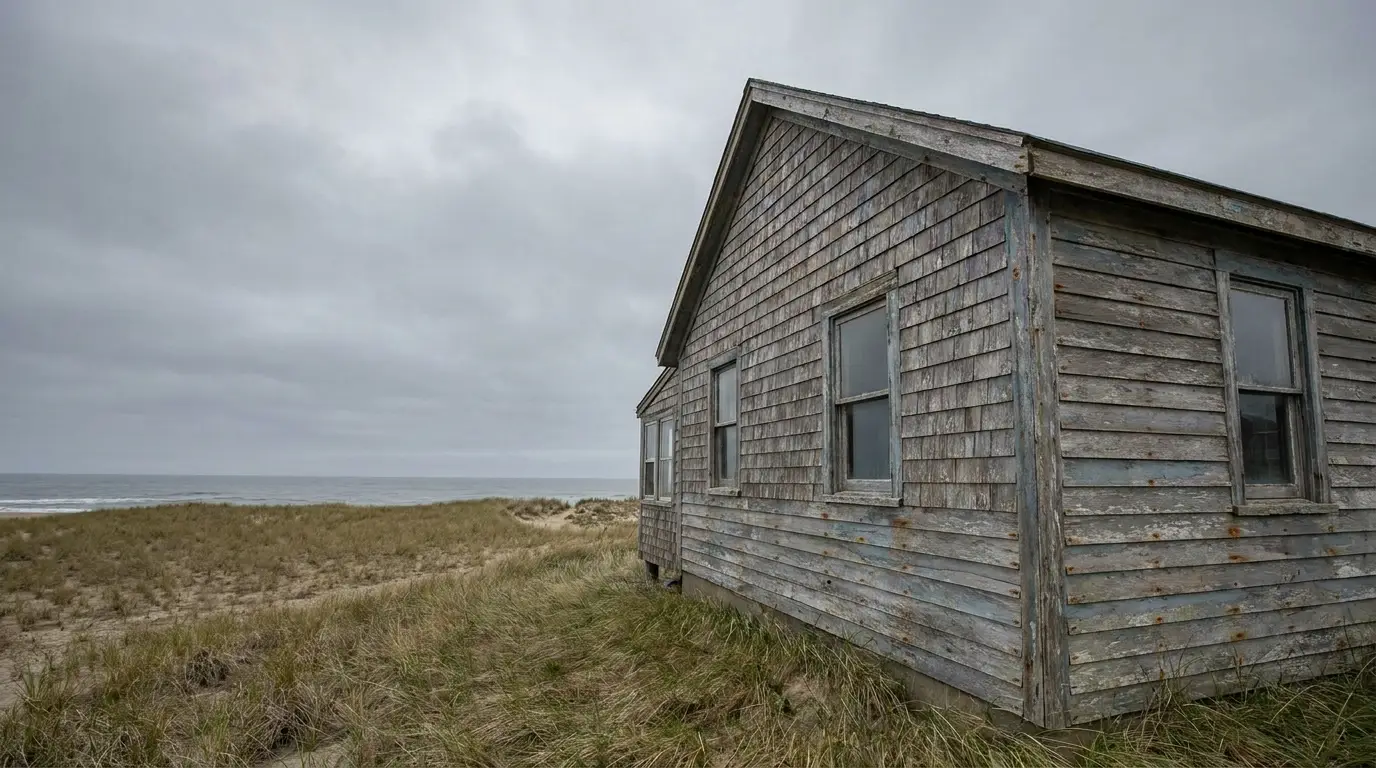
Near the coast, small damage gets less time to stay small.
Wind pulls at loose materials. Salt air wears down finishes and metal. Moisture sits in shady corners. Storm rain pushes sideways under roof edges, behind siding, and into small gaps.
This is why coastal homes often need more attention than homeowners expect. The weather keeps testing the house.
The National Oceanic and Atmospheric Administration notes that coastal areas deal with storms, flooding, erosion, and sea level rise. On an actual house, that can look like warped siding, rusted fasteners, roof streaks, soft trim, damp attics, and gutters that never seem to behave.
A tiny crack near the ocean is not just a tiny crack. It is an opening with bad timing.
Why Preventative Maintenance Saves Money Long-Term
Preventative maintenance has no glamour. Nobody brags about cleaning gutters at dinner.
Still, it saves people from the ugly version of homeownership.
Walk around the house after storms. Look up at the roofline. Check siding seams. Notice stains, rust, peeling paint, soft wood, mildew, and gutters that lean away from the house. Peek into the attic after heavy rain if it is safe.
Small habits help:
- Clean gutters before rainy seasons
- Replace missing shingles quickly
- Fix loose siding before wind gets behind it
- Seal cracked caulk around windows and doors
- Wash off mildew, grime, and salt buildup
- Deal with damp smells instead of masking them
The U.S. Department of Energy connects moisture control, air sealing, insulation, and ventilation with better home performance. In plain terms: a house lasts longer when weather stays outside where it belongs.
That is the whole game.
Final Thoughts
Most expensive home problems do not arrive as disasters. They begin as small, boring, easy-to-ignore issues. A loose shingle. A siding gap. A faint stain. A gutter that drains badly.
Catch them early, and the repair stays manageable. Let them sit, and the house keeps adding chapters. Bad ones.