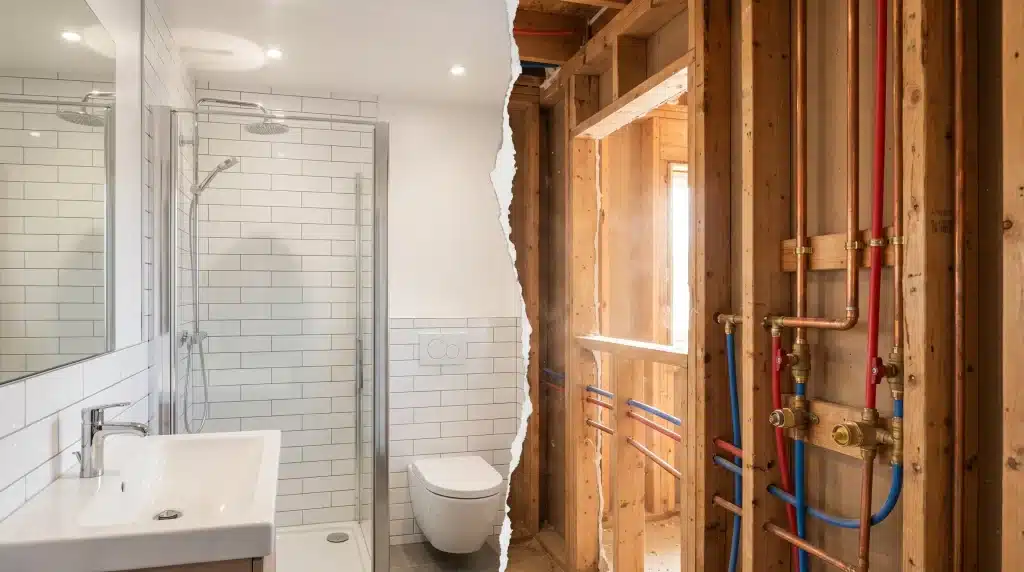
When people picture a home renovation, they usually imagine the visible upgrades first: new flooring, fresh cabinets, modern lighting, a larger shower, or a cleaner laundry room layout. These are the parts that make the biggest impression once the project is finished. But before any of those details come together, there is one area that deserves serious attention: the plumbing behind the walls.
Whether you are remodeling a bathroom, updating a kitchen, finishing a basement, or improving a laundry area, plumbing decisions can affect the cost, timeline, safety, and long-term performance of the entire renovation. A beautiful renovation can quickly become frustrating if the water lines, drain layout, shut-off valves, fittings, or supply connections are not planned correctly from the beginning.
For homeowners and contractors who want reliable plumbing parts without overcomplicating the buying process, online suppliers likePlumbingSell make it easier to find commonly used products for renovation and repair projects in one place.
Start With the Purpose of the Space
Every renovation should begin with a simple question: how will this space actually be used?
A bathroom renovation, for example, may involve a shower valve, toilet supply line, vanity shut-off valves, drain connections, and possibly new PEX or copper supply lines. A kitchen remodel may require faucet supply lines, dishwasher connections, under-sink shut-off valves, drain fittings, and sometimes a refrigerator water line. A laundry room renovation may involve washer outlet boxes, hammer arrestors, valves, and proper drainage planning.
Instead of thinking about plumbing only as “pipes and fittings,” it helps to think in terms of use cases. Where does water need to go? Where does it need to shut off? What areas may need future access? Which connections will be hidden behind walls, and which will remain visible under a sink or near an appliance?
Planning these details before walls are closed can help prevent unnecessary rework later.
Don’t Overlook Shut-Off Access
One of the most practical upgrades in any renovation is improving shut-off access. Shut-off valves are not the most exciting part of a remodel, but they become extremely important when something needs maintenance.
For example, angle stop valves under a bathroom vanity or kitchen sink allow homeowners to shut off water to a single fixture without turning off the whole house. A washer outlet box with built-in valves can make laundry connections cleaner and easier to access. A properly placed ball valve can also make future repairs simpler, especially in basements, utility rooms, or mechanical areas.
During renovation, it is worth checking whether existing shut-off valves are old, stiff, leaking, or hard to reach. Replacing them while the space is already open is often easier than waiting until there is a problem.
Choose Materials Based on the Renovation Type
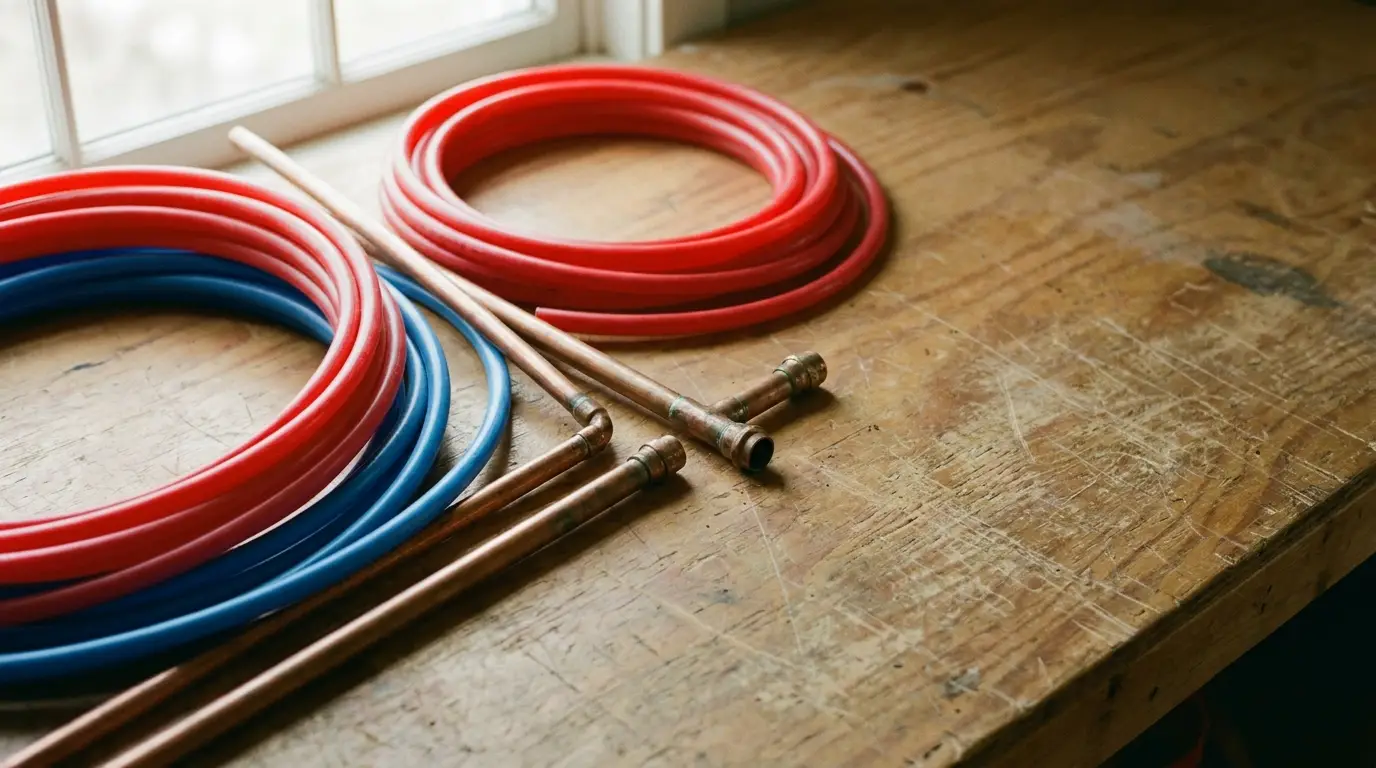
Different renovation projects may call for different plumbing materials. PEX is commonly used in many residential supply line projects because it is flexible and easier to route than rigid pipe in certain layouts. Copper is still valued for durability and is often used in traditional plumbing systems. PVC is commonly used for drain, waste, and vent applications, while braided stainless steel supply hoses are often used for fixture and appliance connections.
The key is not choosing a material just because it is popular. The right product depends on the application, local code requirements, connection method, and compatibility with the existing system.
For example, if a project uses PEX-A pipe, the fittings and expansion rings need to match that system. If the project uses PEX-B, crimp or clamp connection methods are more common. Mixing the wrong connection type can create problems, so it is important to check product specifications carefully before buying.
This is one reason organized product categories matter. When sourcing renovation parts online, homeowners and installers should look for clear product names, size details, material descriptions, and connection types. A store likePlumbingSell’s plumbing supply collection can be useful when comparing fittings, valves, hoses, outlet boxes, and other renovation essentials.
Think About Future Maintenance
Good renovation planning is not only about making the finished space look clean. It is also about making the space easier to maintain in the future.
For example, if you are renovating a bathroom, make sure the vanity plumbing allows enough room for future faucet or supply hose replacement. If you are updating a laundry room, consider whether the washer valves are easy to reach. If you are working on a kitchen, check whether the shut-off valves, supply lines, and drain connections can be accessed without removing large sections of cabinetry.
Hidden plumbing should be secure and properly routed, but important service points should not be buried in places that are impossible to reach. A renovation that saves a few minutes during installation can create hours of trouble later if no one can access the connection.
Small Parts Can Affect the Whole Project
In home renovation, small plumbing parts often make a bigger difference than people expect. A missing adapter, incorrect fitting size, wrong thread type, or incompatible valve can delay work and create unnecessary frustration.
Before starting a plumbing-related renovation, it helps to create a checklist of parts based on the project area. For a bathroom, that may include supply lines, shut-off valves, P-trap components, drain fittings, and fixture connections. For a laundry room, the list may include outlet boxes, valves, hoses, hammer arrestors, and drain parts. For a kitchen, it may include faucet connectors, dishwasher supply connections, angle stops, and under-sink drain fittings.
Ordering these items ahead of time can reduce last-minute trips to the store and help keep the project on schedule.
Renovation Is the Best Time to Upgrade Old Plumbing
Many homeowners wait until something fails before replacing plumbing components. But renovation creates a better opportunity. If walls, cabinets, or fixtures are already being removed, it may be the right time to inspect older valves, hoses, fittings, and accessible pipe sections.
Old supply hoses can become worn. Older shut-off valves may not close properly. Some fittings may show corrosion or mineral buildup. Drain parts may be poorly aligned from previous repairs. Addressing these details during renovation can improve reliability and reduce future maintenance issues.
This does not mean every renovation requires replacing the entire plumbing system. But it does mean visible and accessible components should be reviewed before everything is covered up again.
Work With the Right Balance of DIY and Professional Help
Many homeowners can handle simple plumbing updates, such as replacing a faucet supply line or installing a basic shut-off valve, if they have the right tools, parts, and knowledge. However, larger renovation tasks involving wall plumbing, drain layout changes, main lines, water heater connections, or code-sensitive work may require a licensed professional.
A smart renovation plan respects that balance. DIY-friendly work can save money, but plumbing mistakes can be costly if they cause leaks, water damage, or code issues. When in doubt, homeowners should confirm local requirements and consult a qualified plumber for more complex work.
Final Thoughts
Home renovation is not only about what you see after the project is finished. The hidden systems behind the walls and under the cabinets are what make the space function properly every day. Good plumbing planning can make a bathroom more reliable, a kitchen easier to maintain, and a laundry room safer and more convenient.
By choosing the right fittings, valves, supply lines, outlet boxes, and renovation parts from the beginning, homeowners and contractors can avoid many common problems. A well-planned plumbing setup may not be the most visible part of a renovation, but it is one of the most important foundations for a successful project.