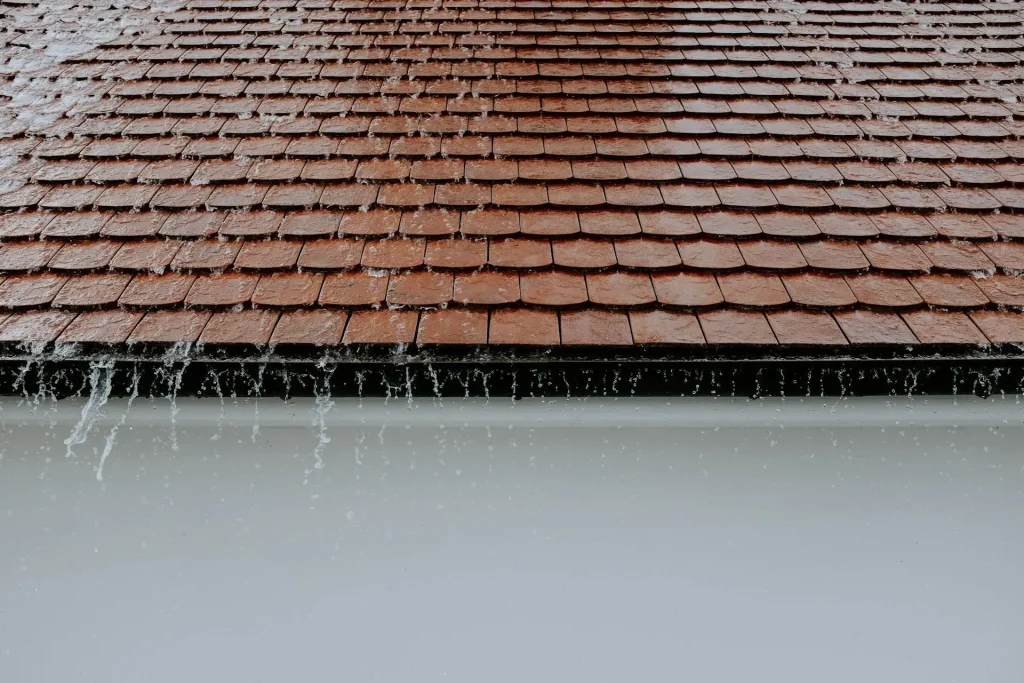
Gutters are often “out of sight, out of mind,” but they play an important role in protecting your home from water damage.
Their job is straightforward: collect rainwater from the roof and direct it safely away from the house. When gutters stop working properly, however, water can quickly begin damaging the roofline, siding, landscaping, and foundation.
The problem is that many homeowners do not think much about their gutters until they notice overflowing water or visible damage around the home. By that point, repairs may already be needed.
Understanding the most common gutter problems—and how to prevent them—can help homeowners avoid expensive issues and keep their drainage systems working properly year-round.
1. Why Healthy Gutters Matter for Your Home?
A properly functioning gutter system helps protect several parts of your home at once.
By directing rainwater away from the property, gutters help reduce moisture exposure around the roof, siding, foundation, and landscaping. Without effective drainage, water can begin collecting in places it should not.
Over time, excess moisture may contribute to fascia damage, siding stains, mold growth, soil erosion, or foundation moisture problems. In severe cases, poor drainage can even increase the likelihood of basement leaks.
That is why gutter protection and proper drainage are such important parts of long-term water damage prevention. A healthy home drainage system helps reduce repair costs while protecting the overall structure of the property.
2. Clogged Gutters: the Most Common Problem
Clogged gutters are one of the most common issues homeowners face.
Leaves, twigs, dirt, roofing granules, and other debris can build up inside the gutter channel and block water flow. Once the system becomes clogged, water may overflow during heavy rain and spill directly against the house.
Overflowing gutters can damage siding, landscaping, fascia boards, and areas near the foundation.
Warning signs to watch for:
- The Waterfall Effect: If rain is pouring over the sides of the gutters instead of out the downspout, you’ve got a blockage.
- Gutter Gardens: If you see little green sprouts or weeds peeking out over the top, there’s enough dirt trapped in there to support life.
- Visible Debris: Bird nests or clumps of leaves sticking out are clear signs that the system is backed up.
Prevention: Seasonal gutter cleaning helps keep water flowing properly, especially during the fall and spring. However, many homeowners prefer a longer-term solution.
Installing a quality leaf guard Kansas system can help significantly reduce clogs, improve drainage, and minimize ongoing maintenance.
3. Sagging or Pulling Gutters
Standing water and debris buildup can become surprisingly heavy inside a gutter system.
Over time, that extra weight may cause gutters to sag, separate from the fascia board, or pull away from the roofline entirely. Aging hardware, loose fasteners, and improper installation can make the problem worse.
Warning signs:
- The Gap: Look for a space forming between the back of the gutter and the fascia board.
- The Droop: If your gutters look “wavy” or have sections that dip toward the ground, the pitch is broken, and water will just sit there and stagnate.
Prevention: Routine inspections can help catch loose fasteners or alignment issues before they become major problems.
Professional installation also matters. Properly pitched gutters with durable hangers are less likely to sag over time. Many homeowners also choose seamless gutter systems because they offer improved durability and fewer weak points.
4. Leaking Gutters and Cracked Seams
Traditional sectional gutters are connected with joints and seams, which are often the first places leaks develop.
As temperatures change throughout the year, gutter materials naturally expand and contract. Over time, this movement can weaken sealants and create small openings where water escapes.
Even minor leaks can eventually stain siding, damage fascia boards, or contribute to wood rot around the roofline.
Warning signs:
- Dripping Seams: If you see water leaking from the joints during a light rain, the sealant is shot.
- Rust or Peeling Paint: If the paint is bubbling or you see orange rust streaks, moisture is escaping the channel.
Prevention: Small leaks can sometimes be repaired early with gutter sealant or caulk. However, recurring leaks may indicate that the system is beginning to fail.
Upgrading to seamless gutters can help reduce the number of joints where leaks commonly occur, improving long-term performance and durability.
5. Poor Drainage Around the Home
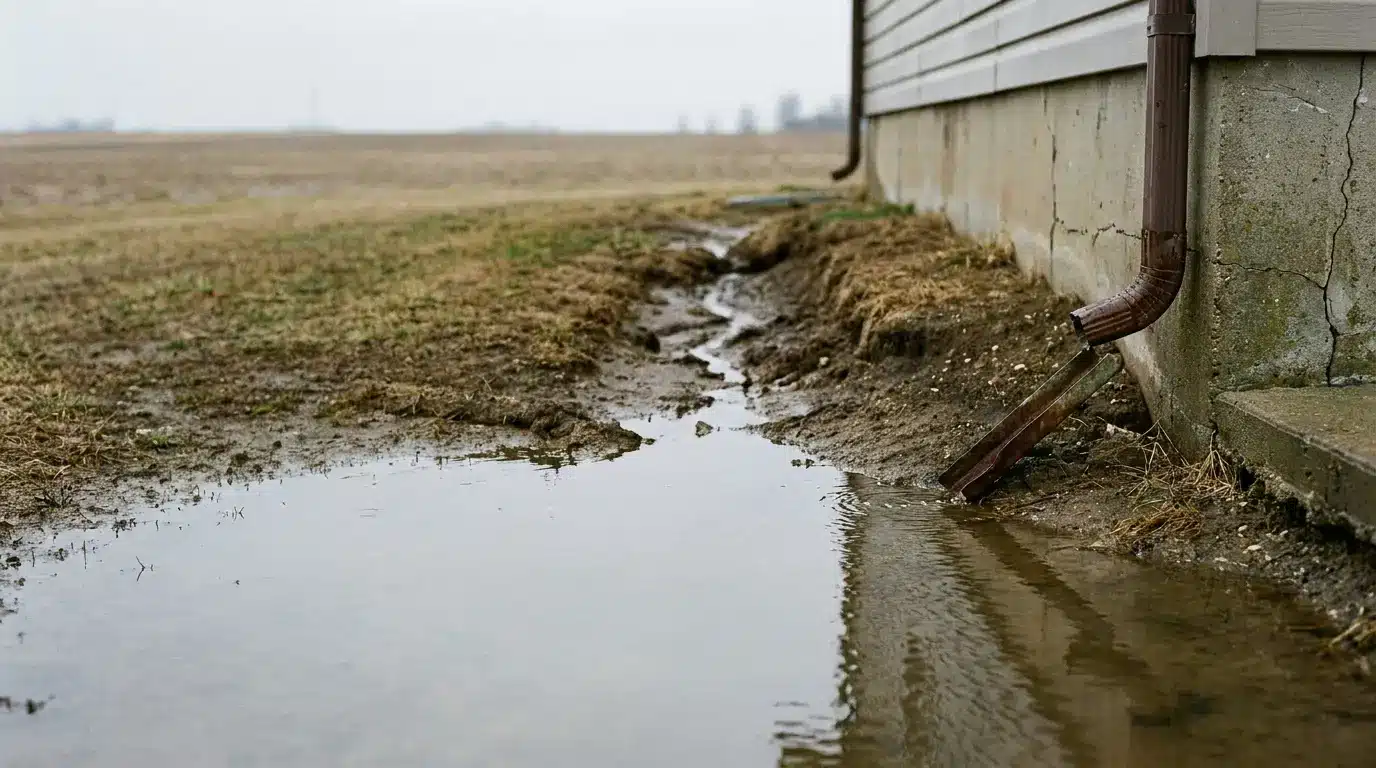
Even when gutters are not clogged, drainage problems can still occur if water is discharged too close to the home.
Short downspouts, improper gutter pitch, or overflowing gutters may allow water to collect around the foundation instead of moving safely away from the property.
Over time, poor drainage can contribute to soil erosion, basement moisture issues, and foundation settling.
Warning signs:
- Standing Water: Puddles that stick around long after the storm has passed.
- Foundation Cracks: New cracks in your concrete are often a sign of water pressure in the soil.
- Soil Erosion: If you see holes or “trenches” forming under your downspouts, the water is hitting the ground too hard and too close.
Prevention: Make sure your downspouts move water at least five to ten feet away from the foundation.
To help manage this flow, many homeowners choose professionally installed gutter guards in Olathe systems.
Instead of splashing over the sides and soaking your foundation, these gutter guards will ensure that water is captured and sent down the downspout.
6. Ice Dams During Winter
Winter weather can create another set of gutter-related problems: ice dams.
Ice dams typically form when heat escaping from the attic warms the roof surface, causing snow to melt. As the melted water reaches colder roof edges or gutters, it can refreeze and create a blockage.
Once drainage is blocked, water may back up beneath shingles and potentially leak into the home.
Warning signs:
- Massive Icicles: They might look classic, but big icicles usually mean water is trapped and freezing in the gutter.
- Ceiling Stains: If you see water spots in the attic or on your ceilings during a thaw, you likely have an ice dam.
Prevention: Proper attic insulation and ventilation help keep roof temperatures more consistent, reducing the likelihood of snow melting unevenly.
Keeping gutters clear also helps water move through the system more effectively during freezing weather. Some gutter guard systems may help reduce debris buildup that contributes to winter drainage issues.
7. The Benefits of Seamless Gutters and Gutter Guards
For homeowners looking to reduce maintenance and improve long-term performance, seamless gutters and gutter guards are often a popular combination.
Seamless gutters are custom-fit to the home, which reduces the number of joints and seams where leaks commonly occur. Fewer seams also mean fewer places for debris to collect.
Gutter guards further improve the system by helping minimize clogs caused by leaves, twigs, and other debris. Together, these upgrades can improve water flow, reduce cleaning needs, and extend the life of the gutter system.
Homeowners searching for durable gutter guards in Columbia often choose seamless systems because they offer strong, long-term performance and lower maintenance requirements.
8. When to Call a Professional?
Some gutter problems are simple maintenance issues, while others may require professional attention.
Homeowners should consider contacting a professional if they notice:
- Gutters that are sagging or pulling away, even after you’ve tried to fix them.
- Constant clogs that seem to happen no matter how often you clean them.
- Structural warning signs like foundation cracks or rotting wood near the roofline.
A professional inspection can identify underlying issues such as improper gutter slope, undersized downspouts, failing hardware, or drainage design problems that may not be obvious from the ground.
Conclusion
Gutters play a major role in protecting your home from water damage.
Understanding common gutter problems—including clogs, leaks, sagging sections, drainage issues, and ice dams—can help homeowners address small concerns before they become expensive repairs.
With regular maintenance, proper drainage, and quality gutter protection systems, homeowners can improve the long-term performance of their gutters and help protect their homes year-round.